- Fundamental differences between traditional IT security and operational environment (OT) protection.
- Regulatory frameworks and global standards such as IEC 62443, ISO 27001 and NERC CIP for risk management.
- Advanced curriculum structure that covers everything from governance and auditing to forensic analysis and industrial pentesting.
- Impact of Industry 4.0 and the growing demand for qualified professionals to protect critical infrastructures.

In recent times, we have seen how digitalization has advanced by leaps and bounds, pushing factories towards what is known as Industry 4.0. This total connectivity, while a boon for productivity, has opened the door to risks we never imagined before, making the protection of industrial control systems an absolute priority to avoid environmental or human disasters.
For anyone wanting to enter this field, general computer knowledge isn't enough; a specialized approach combining information technology with operational skills is essential. This is where expert-level training comes in, designed to equip professionals with the skills to mitigate threats to critical infrastructure and ensure that production isn't disrupted by a malicious attack.
Key differences between the IT world and the OT environment

It's very common for people to confuse traditional cybersecurity with industrial cybersecurity, but the reality is that they operate in different leagues. While in IT the most important thing is usually data confidentiality, in the OT (Operational Technology) environment, availability and physical security are paramount , since a failure here can mean a machine malfunctioning or a plant shutting down.
Operational networks often have very specific weaknesses. On the one hand, there are legacy systems, which are older equipment that doesn't support modern updates or antivirus software. On the other hand, there's the use of industrial protocols that were originally developed without encryption, allowing malicious actors to intercept commands sent to machinery. Furthermore, remote access for maintenance is often the preferred entry point for malware if it isn't rigorously controlled.
Pillars for a solid industrial defense
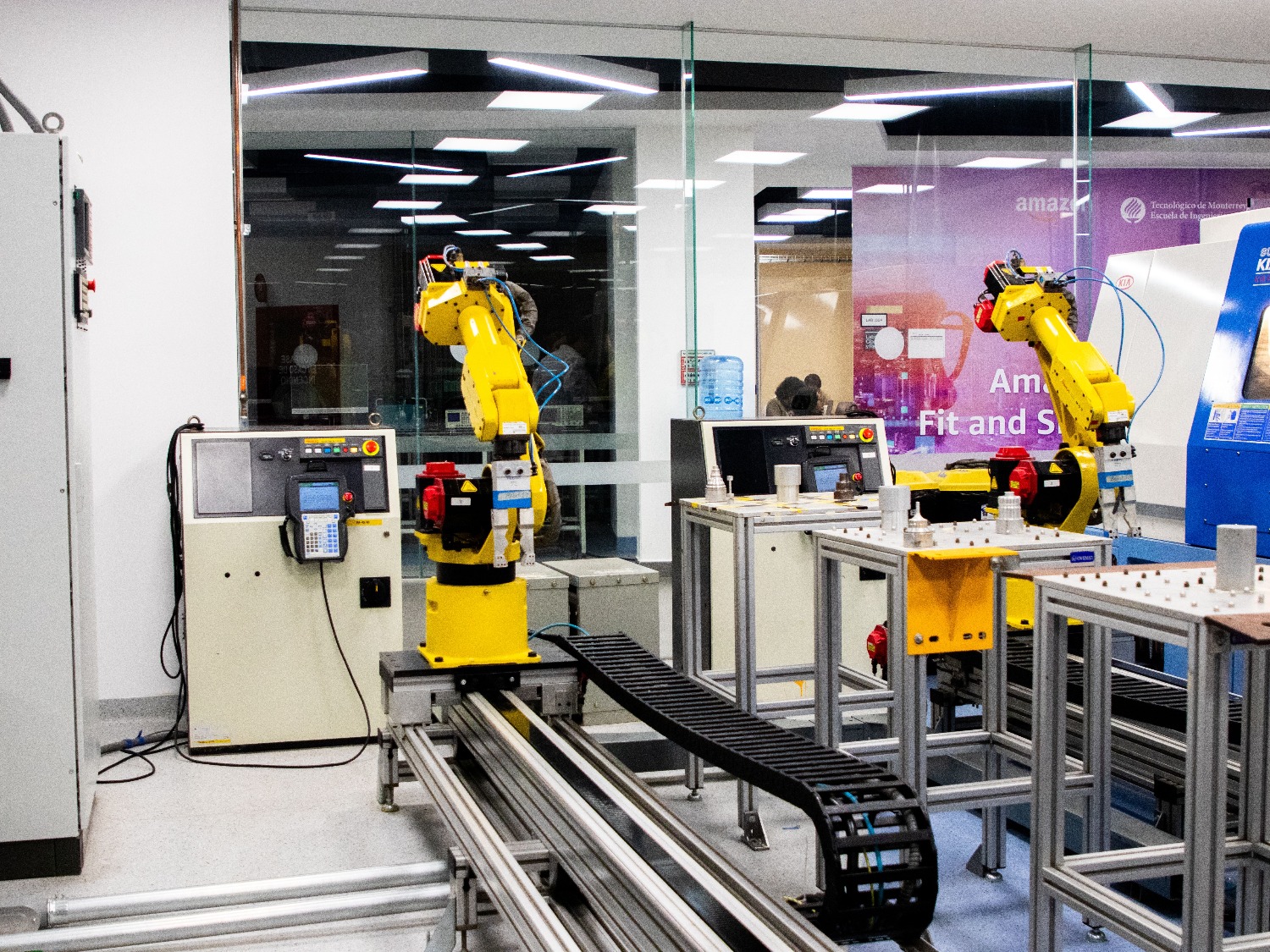
To set up an effective shield, improvisation is not an option; a technical methodology must be followed. One of the basic steps is network segmentation, using the concept of zones and channels to prevent a virus entering through office Wi-Fi from reaching the PLCs on the floor. Implementing two-factor authentication for any remote parameter changes is also essential.
Intelligent monitoring is another key component. Simply looking at logs is no longer enough; now algorithms are used that learn the plant's normal behavior. This way, if a pressure pump starts receiving unusual commands outside of working hours , the system sends an immediate alert before a problem occurs.
Regulatory frameworks and international standards
For all of this to work, there are global guidelines that pave the way. The ISA/IEC 62443 standard is probably the most important reference, as it focuses specifically on the security of automation systems. In addition, the ISO 27001 and 27002 standards provide the foundation for information security management applicable to any organization.
In specific sectors, such as the electricity sector, it is vital to understand the NERC CIP framework, which defines the minimum requirements for protecting the electrical grid. Similarly, European directives like NIS2 and NIST guidelines in the United States help managers prioritize asset protection based on the actual impact their failure would have on daily operations.
Training path: from basic to expert level
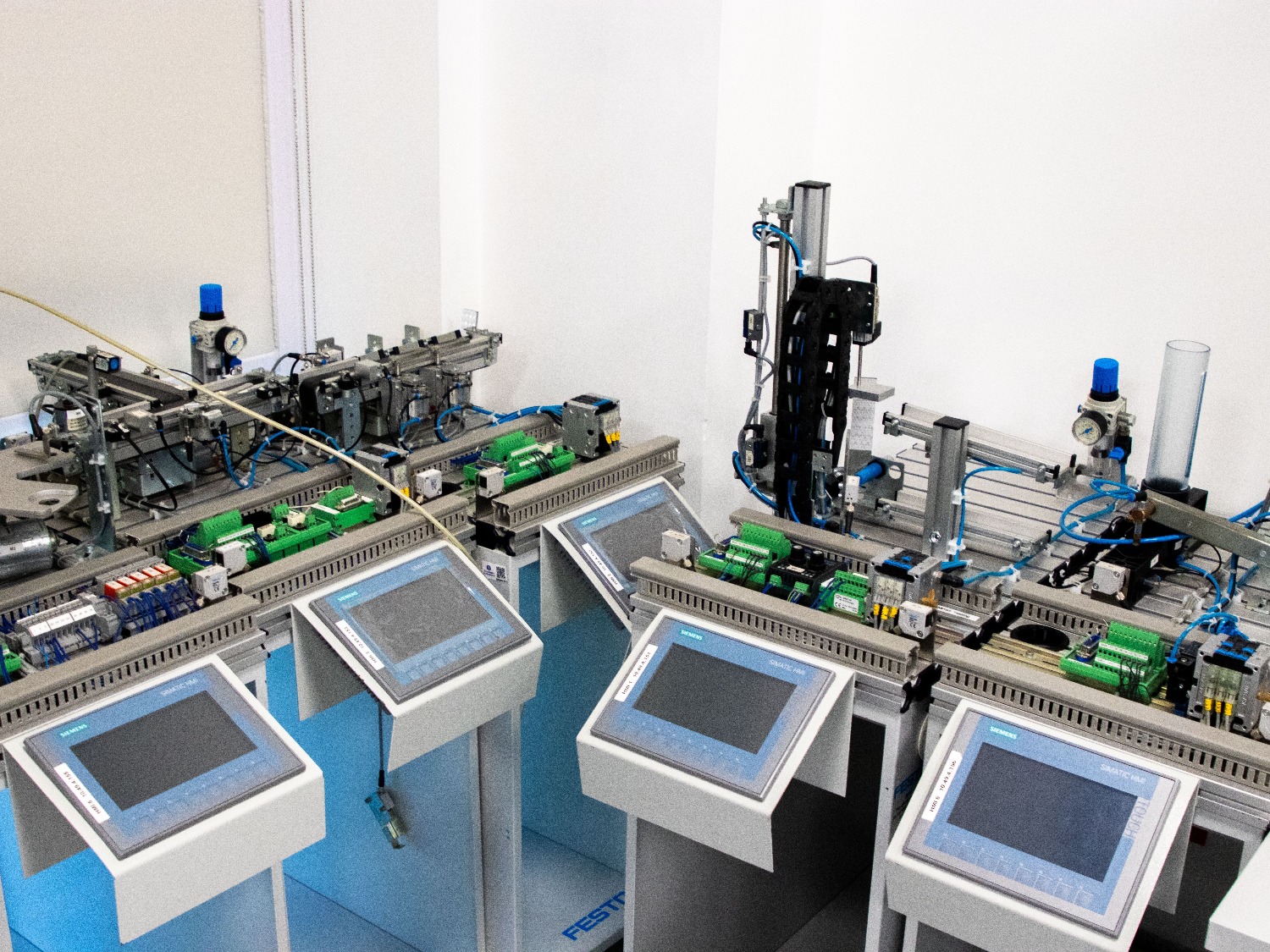
A comprehensive specialization program is typically divided into stages to avoid overwhelming the student and ensure that the knowledge is properly absorbed. At the initial level, an introduction to IT/OT convergence is usually provided , and the risks of Industry 4.0 and 5.0 are analyzed, in addition to studying the automation pyramid and IACS systems.
Moving up the level, the focus shifts to governance and risk management. Here, you'll learn to design an Industrial Cybersecurity Master Plan (ICM), analyzing vulnerabilities using the MITRE catalog and applying the Zero Trust model. Resilience and business continuity are also studied , preparing business continuity plans (BCPs) to ensure the company can continue operating after an incident.
Finally, the expert level focuses on implementation and auditing. It delves into the creation of an Industrial Cybersecurity Management System (ICSMS), conducting field audits and monitoring traffic through a specialized OT SOC. Penetration testing is also covered, simulating social engineering and code injection attacks to find vulnerabilities before hackers can.
The labor market and the urgent need for talent
In Spain and Europe, the situation is clear: there is enormous demand but few professionals who truly master both fields. The talent gap is huge, with thousands of vacancies going unfilled every year. This makes industrial cybersecurity a career with extremely high employability and very competitive salaries.
Both specialized vocational training in CETO (Operational Technology Environments) and university postgraduate programs are fast tracks to entering the sector. Companies are looking for professionals who not only know about software, but also understand the physical reality of a plant and can coordinate with maintenance and production teams.
The ability to protect industrial assets, manage risks according to international regulations, and lead the transition to a connected and secure industry is now a critical skill for any engineer or technician who wants to stand out in today's production environment.
FAQ
How does a diploma in industrial cybersecurity differ from one in traditional cybersecurity?
Industrial training focuses on the protection of OT systems and control of physical processes, prioritizing availability and operational security over data confidentiality.
What regulations are most important in this type of study?
The fundamental standards include IEC 62443 for automation, ISO 27001 for safety management, and NERC CIP specifically for the electrical sector.
Who should take a diploma course in industrial cybersecurity?
It is aimed at both IT professionals who want to enter the operational world and plant engineers who need to learn how to protect their industrial assets.
What is an Industrial Cybersecurity Master Plan?
It is a strategic document that defines the audit, control and risk mitigation actions aligned with the company's security policy and international standards.
How important is network segmentation in the industry?
It is vital to isolate critical processes from administrative networks through zones and ducts, preventing an infection in the offices from reaching the machinery.
What are the job prospects for someone specializing in this field?
There is a high demand for experts to manage security in critical infrastructures, automated plants and IT-OT security operations centers (SOCs).
What is studied in the forensic analysis and industrial pentesting section?
You will learn to detect attack vectors, simulate ethical intrusions into SCADA systems, and analyze the root cause of incidents in production environments.
