- Implementation of video streams using versatile protocols such as RTSP, ONVIF, and RTMP for maximum compatibility.
- Evolution of multicamera production from complex physical infrastructures to cloud-based and software solutions.
- Integration of real-time data layers and monetization tools to professionalize public broadcasting.
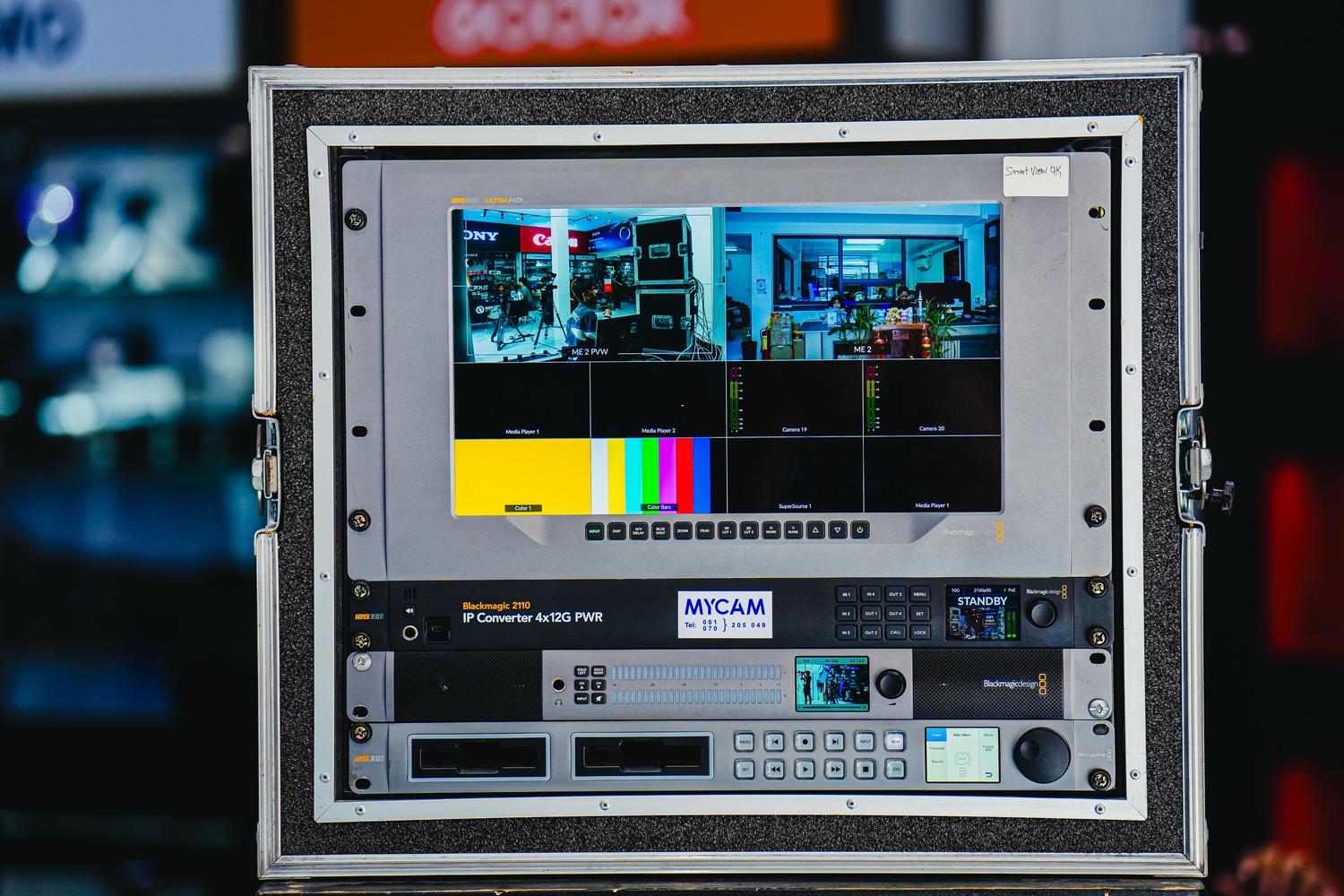
These days, broadcasting live with multiple cameras is no longer the exclusive domain of major television networks with astronomical budgets. Technology has advanced so much that anyone, from a nature enthusiast to an urban traffic manager, can set up a smooth transmission system without going crazy with endless cables or audio consoles that resemble an airplane cockpit.
Whether you want to showcase the beach in real time or manage a corporate event, the secret lies in mastering multi-protocol camera streaming . This essentially means your devices can "speak" the same language as broadcasting platforms, allowing you to blend signals from smartphones, IP cameras, and websites into a single video stream that reaches thousands of people seamlessly.
Technical architecture: Protocols and Connectivity
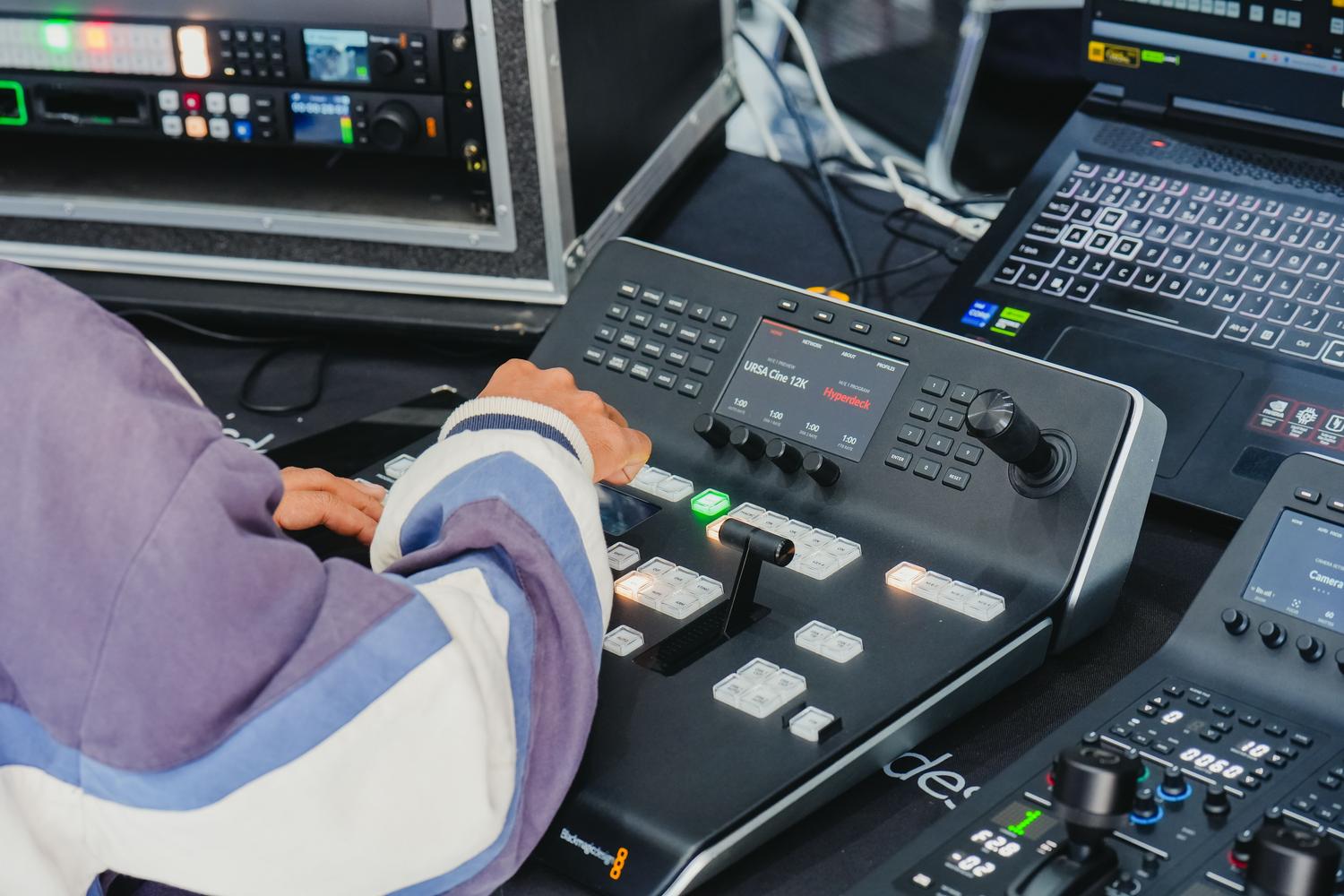
For everything to work, we need the video to travel from point A to point B without interruption. This is where protocols come in. RTSP (Real-Time Streaming Protocol) is fundamental for IP security cameras and surveillance systems, allowing control of the video session. However, when we have hardware limitations, such as a camera only supporting a few unicast streams, the solution is to switch to multicast . This allows the camera to send a single data stream to a specific IP address (in the range of 224.1.1.1 to 239.255.255.255) and for multiple clients to receive it simultaneously, thus optimizing bandwidth.
On the other hand, to upload that video to social networks like YouTube, Facebook, or Twitch, the standard is RTMP (Real-Time Messaging Protocol ). Modern devices, such as the Mevo Start series, simplify this process considerably, allowing wireless streaming in 1080p HD and even connecting to video conferencing tools like Zoom or Google Meet via webcam or NDI mode , eliminating the need for tedious setup.
Evolution of Multicamera Production
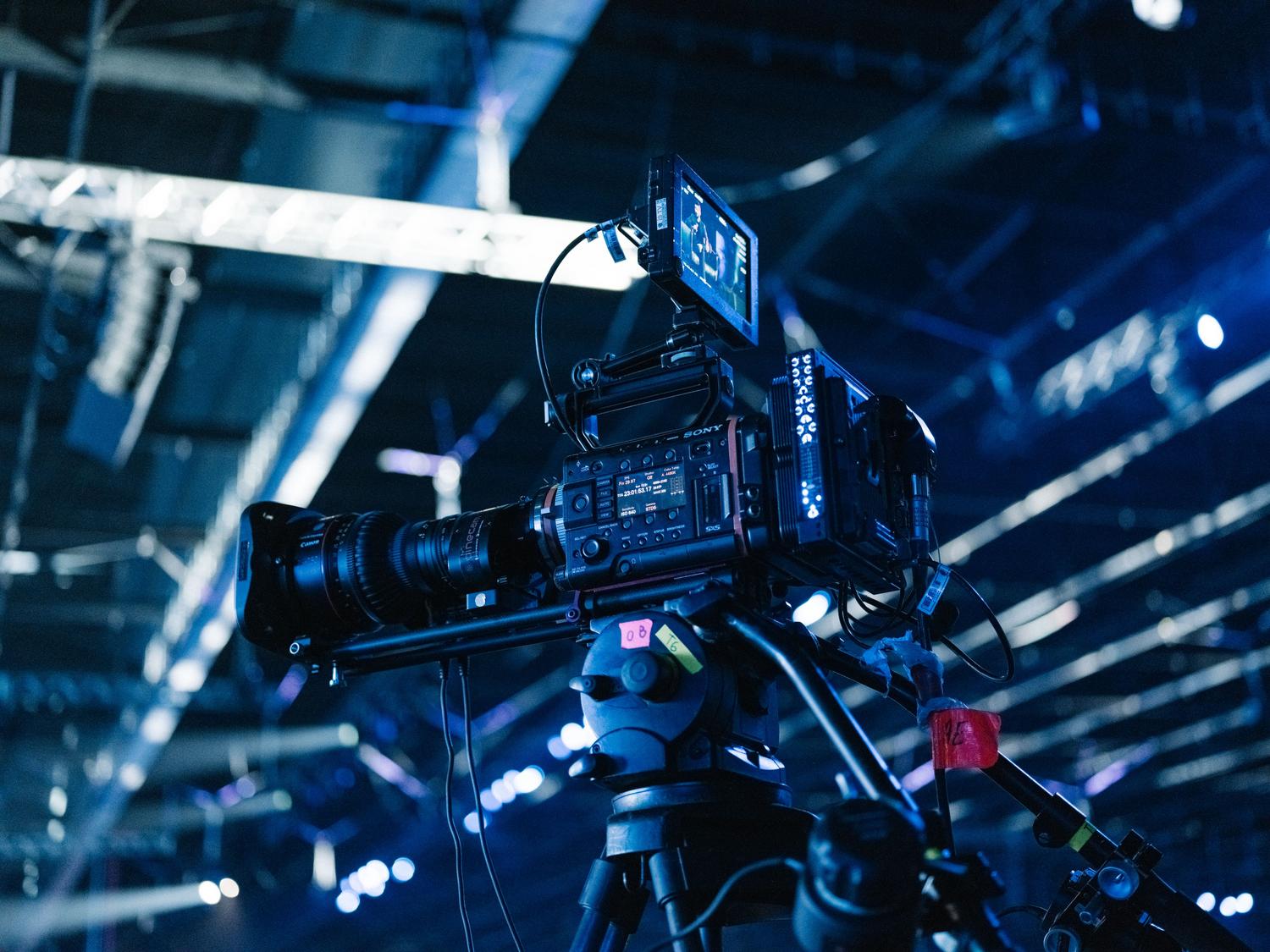
Looking back, setting up a multi-camera production involved control trucks and miles of cabling. Today, we have three main ways to manage content:
- Traditional Hardware: Using encoders, routers, and physical switches is the most robust option, but also the most expensive and least flexible.
- Management Software: Applications that optimize workflow by allowing a single person to handle the mix, although they can sometimes fall short in signal stability and security.
- Cloud Solutions: This is the current trend. Platforms like TVU Producer allow you to capture remote signals and produce them in real time from anywhere. reducing operating costs and eliminating dependence on heavy physical equipment.
Enhancing Streaming with Advanced Tools
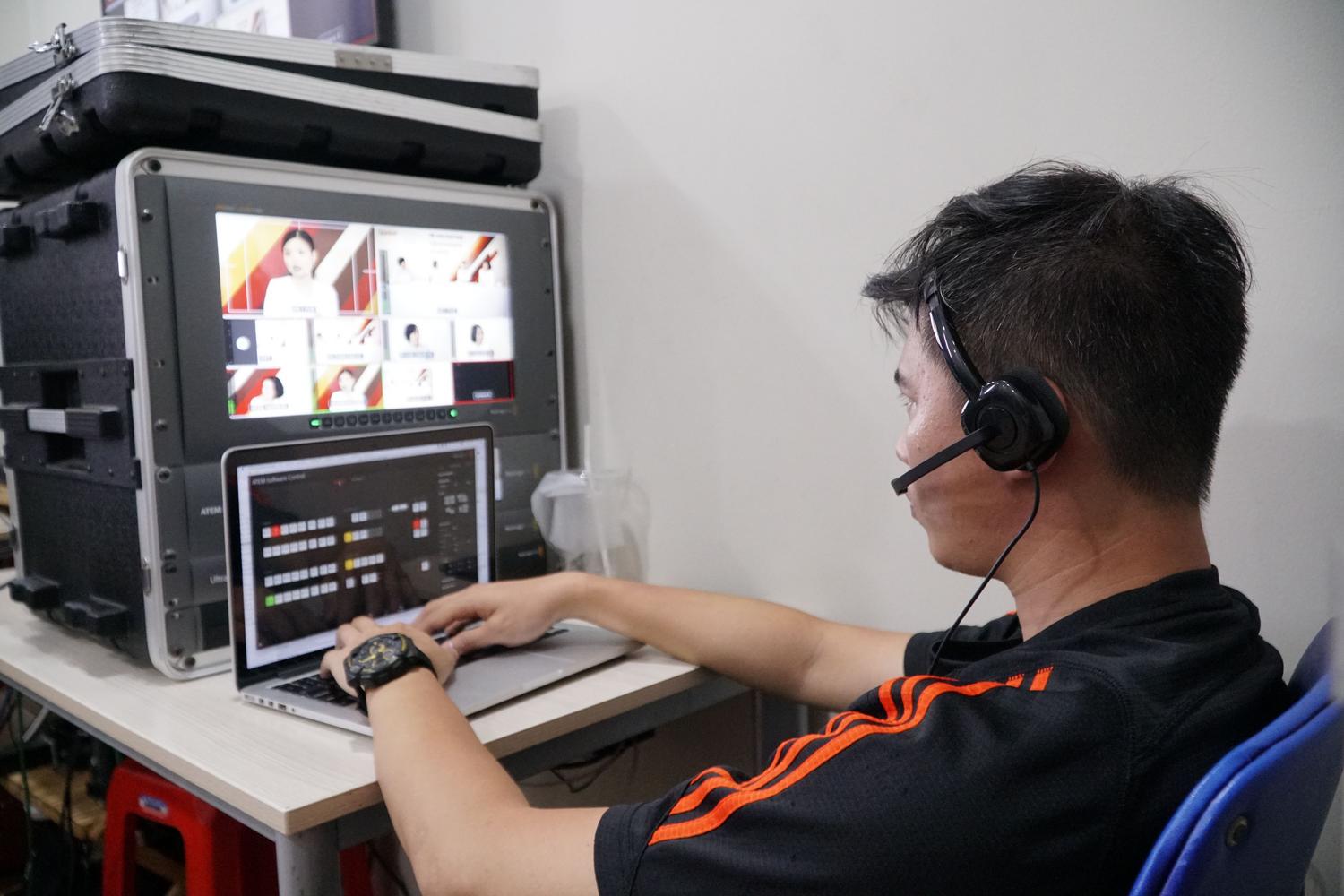
It's not enough to simply watch the video; it needs to be given value. Thanks to platforms like ACAP (Axis Camera Application Platform), IP cameras are transformed into workstations. Applications like CamStreamer facilitate streaming to multiple destinations, while CamSwitcher allows for smooth transitions between different angles to keep the viewer engaged.
A key feature is the ability to add dynamic graphics and real-time data . Using JavaScript or Node.js, it's possible to integrate external APIs to display weather, sports scores, or even environmental sensor alerts directly overlaid on the image. For example, the camera can be programmed to automatically change angle when a sensor detects a specific action, such as a baseball pitcher throwing a pitch, creating an immersive visual experience.
Monetization and User Experience
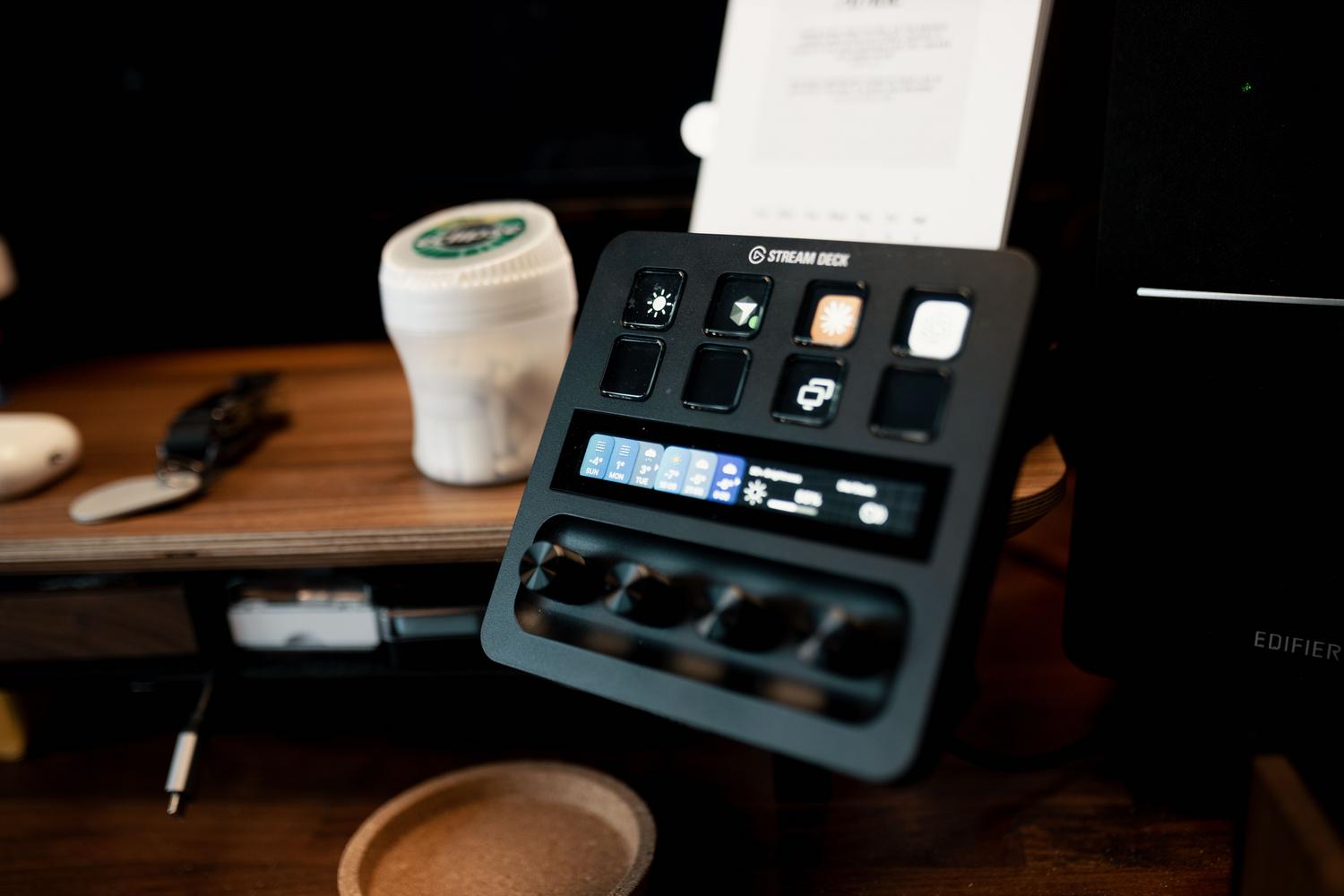
Professional streaming can also be a business. The key is offering exclusive content. Implementing subscriptions for access to 4K resolution or enabling private chats for premium members is an effective strategy. By integrating video with membership services, creators can transform a simple surveillance camera into a revenue stream, fostering a loyal and engaged community that not only watches the video but also interacts with it.
From using interactive 3D maps to discover global cameras to implementing night vision and PTZ (Pan-Tilt-Zoom) controls to explore environments, the ability to manage multiple protocols and video sources now allows you to create windows to the world with crystal-clear image quality and minimal latency, making distance disappear completely.