- Technical implementation of real-time audio streams using HTTP/2 and WebSockets protocols.
- Fundamental differences between literal, natural transcription and specialized formats for the legal field.
- Advances in artificial intelligence with low latency models for interactive voice assistants.
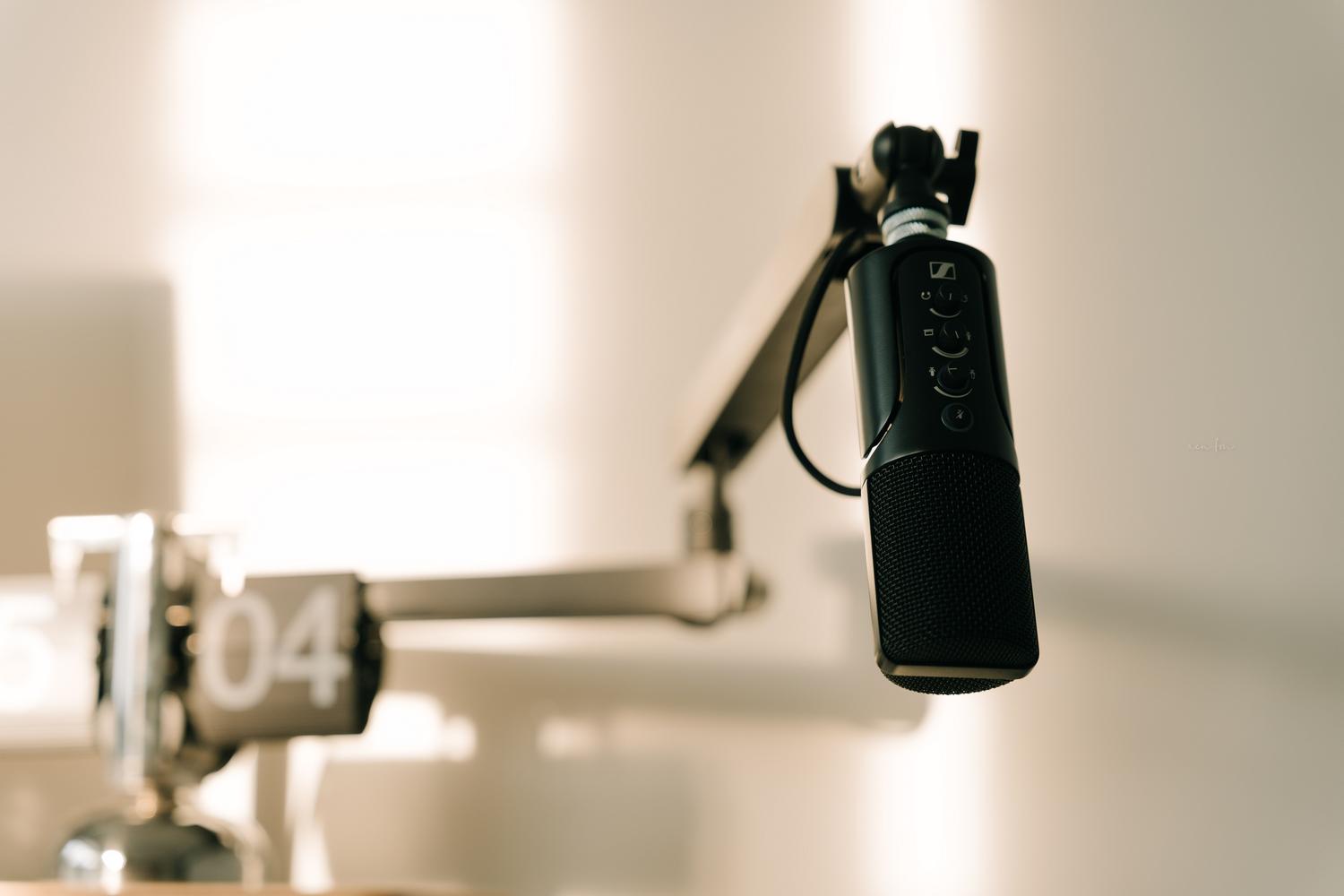
When we talk about transcribing audio to text, we're no longer just dealing with the simple act of writing down what someone says. Today, technology has advanced significantly and allows us to process voice in real time , a process known as streaming, enabling machines to understand and transcribe while the person continues speaking without interruption.
Whether you're setting up a complex software system for a company or need professional transcription services for a trial, there are different transcription methods available . Capturing every "uh" or "um" in a court statement is not the same as cleaning up text to make a YouTube video easy to read, so understanding the available options is crucial.
Technical Configuration for Audio Transmission

For those who want to take the plunge and configure their own streaming system without relying on pre-made SDKs, there are two main options: HTTP/2 and WebSockets. If we choose HTTP / 2The process begins by sending a POST request to the corresponding endpoint. It is vital to include specific headers such as the X-Amz-Target and the Content-Type configured as application/vnd.amazon.eventstream.
The data flow in this model requires that audio be sent in byte fragments . Each audio event must carry its own signature and date to ensure security, using the Signature Version 4 standard. Once the server receives this data, it returns a sequence of events that, when decoded, reveals the text transcript. To close the session, simply send a properly signed empty audio event.
On the other hand, WebSockets offer a smoother, bidirectional connection. The first step is to generate a pre-signed URL that includes parameters such as the language code, the media encoding (e.g., FLAC), and the sample rate. After the initial handshake , the client can begin sending audio frames. If something goes wrong, the system returns an error terminal frame with a descriptive message before closing the connection.
The Event Coding Format
For efficient communication, event stream coding is used . This system divides each message into a prelude and a data section. To prevent the system from crashing due to corrupted data, CRC32 checksums are implemented in both the prelude and the full message. This allows for the instant detection of byte length errors.
Each message contains metadata in the form of key-value pairs, known as headers, which define the content type and event type. The payload is essentially the raw audio that the model must process. This technical framework is what allows for bidirectional and extremely fast transcription.
Transcription Methods: From Literal to Natural

Depending on the objective, there are different approaches to converting audio to text. A literal transcription is one where absolutely nothing is filtered out; it includes filler words, repetitions, and grammatical errors. It is the mandatory option in contexts where every word can change the meaning of a sentence, such as in legal disputes or police recordings.
On the other hand, we have natural transcription . Here, the goal is readability. Hesitations are eliminated and syntax is corrected so the text flows better, making it ideal for journalistic interviews or social media content. In addition, there are custom transcription services where you can request precise speaker identification or even the repair of audio recordings with poor quality.
Standards in Legal Transcription

The legal field is particularly demanding and requires the use of professional templates to ensure documents are admissible in court. A legal transcript must include a detailed cover page, an index of appearances, and, most importantly, line and page numbers . This allows a lawyer to say, "on page 12, line 8," and for everyone to know exactly which sentence they are referring to.
These documents distinguish between Q&A (Question and Answer) sections and the dialogue . While Q&A is used for questioning, the dialogue includes objections, the judge's instructions, or conversations between lawyers. It is essential to use consistent speaker tags (e.g., "THE JUDGE" or "MRS. LOPEZ") to ensure accurate internal searches within the document.
To handle audio problems, standardized markers such as [inaudible 00:12:43] or [speaking simultaneously] are used . Never invent a word if it cannot be heard clearly, as this could be considered a serious offense in legal proceedings. Absolute literalness is the golden rule; avoid softening the witness's language.
Innovations in AI: Ultra Low Latency Models

Technological advancements have brought us models like Microsoft's MAI-Transcribe-2-Streaming . What makes this system special is its ability to generate text hypotheses in just 100 milliseconds . It doesn't wait for the user to finish the sentence, but rather adjusts the transcription as it receives more context, eliminating those awkward pauses found in voice assistants.
This model supports a wide variety of languages and can detect language switches on the fly. To complete the interaction loop, it's complemented by voice generation models like MAI-Voice-2.1-Flash , which can produce audio with minimal latency. This gives the AI more time to reason and consult tools before responding, making the conversation feel much more human and natural.
Export and Delivery Formats
Once the process is complete, versatility is key. For those working with video, the ideal format is SRT or VTT , which already have the timings configured for subtitles on platforms like YouTube or editing software like Premiere Pro. For administrative purposes, formats like JSON, PDF, or DOCX are commonly used , ensuring that speaker tags and timestamps remain intact.
Today's transcription ecosystem combines the technical precision of network protocols , the rigor of legal formats, and the power of artificial intelligence. From setting up a WebSocket to choosing between natural or literal transcription, the goal is always the same: to transform sound into structured, reliable, and easily accessible information, whether for feeding an intelligent assistant or presenting irrefutable evidence in court.