- Main manufacturers: NVIDIA and AMD dominate the market; Intel and others offer less gaming-oriented options.
- Types: consumer (GeForce, Radeon) and professional (Quadro/Radeon Pro) cards for CAD, workstations and content creation.
- Choice: Evaluate performance, energy consumption, compatibility, support, and budget; key features include ray tracing and enhancement technologies.
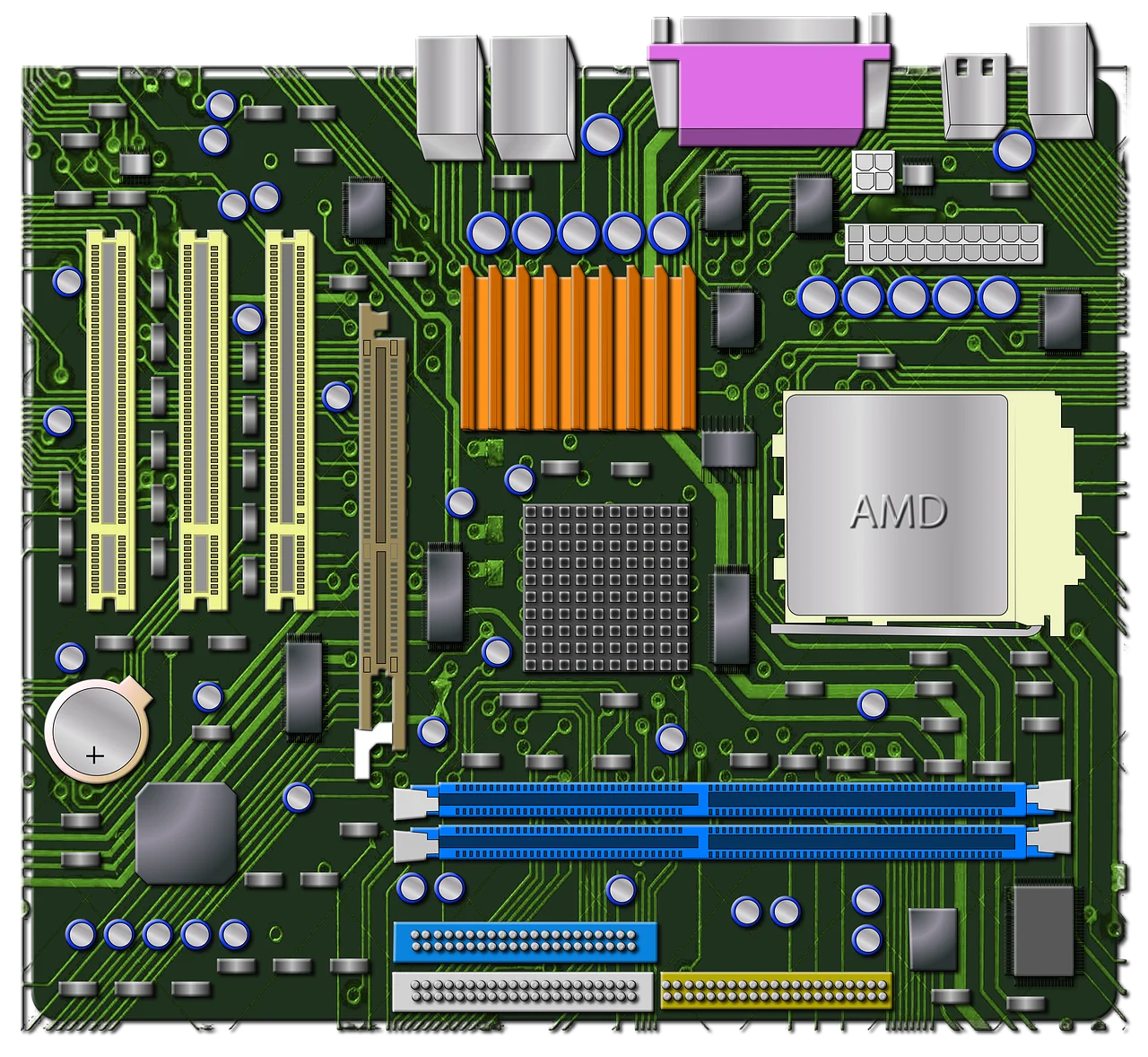
If you are looking for graphics cards, you need to know some basic things about them. First of all, there are two major companies in the graphics card industry: AMD and Nvidia. Another important thing is to know the difference between the different types of cards, and the type you get will depend on what you are going to use it for. We will discuss all of these aspects here.
Graphics cards: brands, types and features
AMD Radeon
AMD Radeon is a brand of graphics cards. It is one of the main competitors of Nvidia GeForce, with several types including AMD Radeon R9 and AMD Radeon RX.
NVIDIA GeForce
Nvidia GeForce is a brand of graphics processing units (GPU) designed by Nvidia. The GeForce series succeeds the company's previous product line known as NVidia Quadro, which was targeted at professional and workstation level.
Graphics cards based on the GeForce architecture are widely used in personal computers to run 3D computer games, as well as newer development applications such as video editing and photo manipulation programs that require high performance for real-time rendering of scenes with numerous objects or effects.
Nvidia Quadro Nvidia Quadro
- Nvidia Quadro is a professional graphics card.
- Quadro cards are designed for high-end workstations and are used in CAD, CAE and digital content creation applications. They are not available to consumers.
ATI FirePro
ATI FirePro is a brand of graphics cards manufactured by Advanced Micro Devices.
The FirePro name was originally used for professional graphics applications, but has since been expanded to include consumer products. The consumer line was originally called AMD FireStream and later Radeon Graphics.
Graphics cards are available under several brands, and each brand has several types.
Graphics cards are available under several brands, and each brand has several types.
The two most popular graphics card manufacturers are AMD and Nvidia. Both make consumer cards that can be used in gaming PCs or workstations. You might also see cards from other companies like Intel , but they aren't as well-known for their gaming hardware.
In addition to these big brands, there are also:
- NVIDIA GeForce (power consumption)
- AMD Radeon (consumer and professional)
- ATI FirePro – The original name of what is now known as AMD Radeon Pro
Graphic Card Brands and Their Differences
Some different brands of graphics cards include NVIDIA, AMD, PNY, ASRock, Zotac, and EVGA.
NVIDIA is known for its high-end graphics cards and offers a wide variety of options for both gaming and professional use.
AMD is another popular brand that offers competitive graphics cards, especially in the mid-range and low-end segments.
PNY, ASRock, and Zotac are also well-known brands, recognized for their reliable graphics cards.
EVGA is highly regarded for its high-quality products and has a low return rate (RMA) on its graphics cards.
It's important to keep in mind that each brand may have different features, performance levels, and customer support. It's recommended to research specific models from each brand to understand their individual differences and choose the one that best suits your needs and budget.
Comparison of the main brands of graphics cards
There are several popular graphics card brands on the market, including NVIDIA and AMD. These brands offer a range of models with different features and capabilities.
NVIDIA is known for its GeForce series of graphics cards[1]. They offer models such as the GeForce RTX 40 series, RTX 30 series, RTX 20 series, and GTX 16 series[3]. NVIDIA graphics cards are distinguished by their advanced technologies, such as ray tracing, DLSS (Deep Learning Super Sampling), and real-time AI capabilities[3]. These features enhance gaming and graphics performance , providing realistic visuals and smooth gameplay.
On the other hand, AMD offers the Radeon series of graphics cards[2]. These include models such as the Radeon RX 6000 and Radeon RX 5000 series[2]. AMD graphics cards are known for their solid performance and competitive pricing. They also support features such as hardware-accelerated ray tracing and variable-rate shading, providing excellent gaming experiences.
When comparing brands and models, it is essential to consider factors such as price, performance, power consumption, and compatibility with your system specifications. Additionally, it is recommended to read expert reviews and user comments to make an informed decision based on your specific needs and budget.
Please note that the information provided is a general summary and it is recommended to conduct further research and consult technical experts or reliable sources for more specific and detailed information on individual makes and models.
Conclusion: Graphics cards: brands, types and features
In conclusion, graphics cards are a great way to improve your computer’s performance. They can be used in games and other activities where high-quality graphics are important. If you want to know more about the different types available or how they work, we recommend reading our article on “What is a graphics card?”. It contains a lot of useful information about these devices.
Table of Contents
- 1 Graphics cards: brands, types and features
- 1.1 AMD Radeon
- 1.2 NVIDIA GeForce
- 1.3 Nvidia Quadro Nvidia Quadro
- 1.4 ATI FirePro
- 1.5 Graphics cards are available under several brands, and each brand has several types.
- 1.6 Graphic Card Brands and Their Differences
- 1.7 Comparison of the main brands of graphics cards
- 1.8 Conclusion: Graphics cards: brands, types and features