- Vaccines train our immune system to recognize and fight pathogens without causing disease.
- There are several types of vaccines, each with different components and mechanisms of action.
- Herd immunity protects the entire community by reducing the spread of disease.
- Future innovations in vaccination aim to improve effectiveness and accessibility globally.
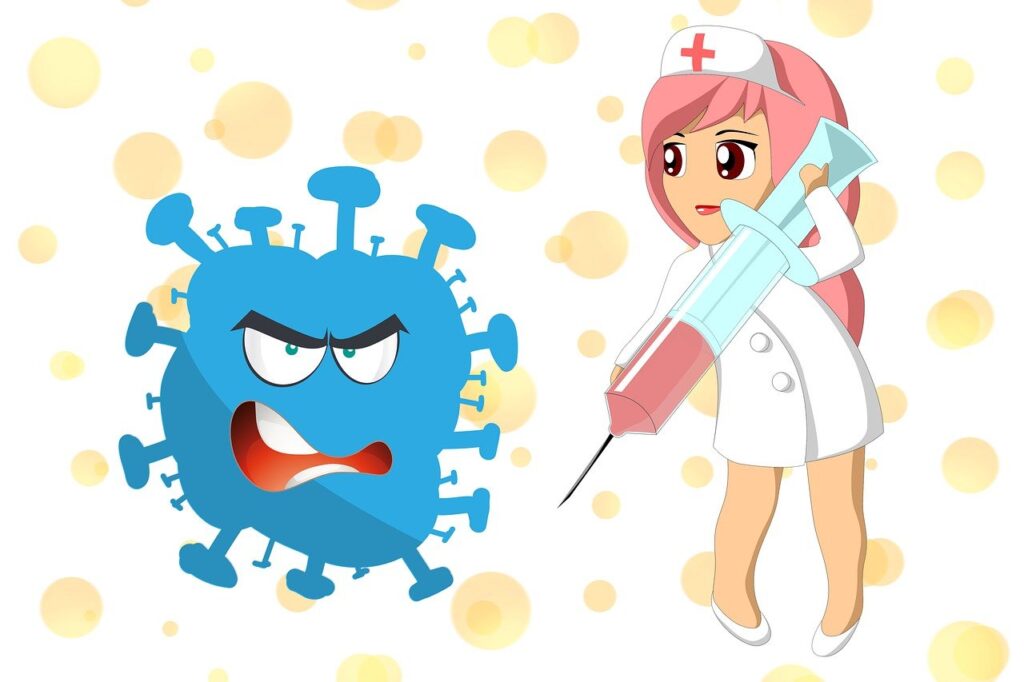
1. How a vaccine works: Basic principles

2. The key components of a vaccine
- Antigens: They are the main part of the vaccine. They can be inactive, attenuated pathogens, or fragments of these. They are responsible for triggering the immune response.
- adjuvants: Some vaccines include these substances to boost the immune response. They act as amplifiers, causing the immune system to react more strongly.
- Preservatives: They are used in multidose vaccines to prevent bacterial or fungal contamination.
- Stabilizers: They help maintain the effectiveness of the vaccine during storage and transport.
3. The immune system and vaccines: A perfect alliance
- T cells help identify and destroy infected cells.
- B cells produce antibodies specific to the pathogen.
4. Types of vaccines: Diversity in protection
- Live attenuated virus vaccines: They contain a weakened version of the live virus. They are very effective because they mimic a natural infection without causing the disease.
- inactivated vaccines: They use the dead virus or bacteria. They are safe even for people with weakened immune systems, but often require multiple doses.
- Subunit vaccines: They contain only specific parts of the pathogen, such as proteins or sugars. They are very safe and cause fewer side effects.
- Toxoid vaccines: These are used for diseases caused by bacterial toxins. They contain a harmless version of the toxin.
- Messenger RNA (mRNA) vaccines: A newer type that uses genetic material to instruct our cells how to make a protein that triggers an immune response.
5. The vaccine development process: From research to application
- research and discoveryScientists study the pathogen and decide which vaccine approach might be most effective.
- preclinical development: Laboratory and animal testing is performed to evaluate safety and potential effectiveness.
- Clinical trials: They are divided into three phases:
- Phase I: Testing in a small group of volunteers to evaluate safety.
- Phase II: Testing in a larger group to study effectiveness and side effects.
- Phase III: Large-scale trials to confirm efficacy and safety.
- regulatory approval: Government agencies review the data and decide whether to approve the vaccine.
- Production and distribution: Once approved, large-scale production and distribution begins.
- Post-marketing monitoring: The safety and efficacy of the vaccine continues to be evaluated once it is in use.
6. Effectiveness and safety: Myths and realities about vaccines
Myth : Vaccines cause autism. Fact : Numerous scientific studies have shown that there is no link between vaccines and autism.
Myth : It's better to develop immunity through natural illness than through vaccination. Reality : Natural illnesses can be serious and life-threatening. Vaccines offer immunity without the risks associated with the disease.
Myth : Vaccines contain dangerous ingredients. Fact : Vaccine ingredients are used in minuscule amounts and have been rigorously tested to ensure their safety.
Myth : Vaccines can overwhelm the immune system. Reality : The immune system is capable of handling multiple vaccines without problems. In fact, we are exposed to more antigens in our daily lives than in any vaccine.
7. Herd immunity: Protecting the entire community
8. Vaccines in the modern era: Advances and challenges
9. The future of vaccination: Promising innovations
- Universal vaccines: Imagine a single vaccine that can protect against all flu strains or all types of coronavirus. This is the goal of universal vaccines.
- Edible vaccinesVaccines are being developed that could be administered orally, possibly even through genetically modified foods.
- Nanovaccines: Using nanotechnology, these vaccines could offer more precise and efficient delivery of antigens.
- Personalized vaccinesWith advances in genetics, we could see vaccines tailored to each person's individual genetic profile.
- therapeutic vaccines: These would not only prevent diseases, but could treat existing conditions, including some types of cancer.
10. Conclusion on how a vaccine works
Table of Contents
- 1 1. How a vaccine works: Basic principles
- 2 2. The key components of a vaccine
- 3 3. The immune system and vaccines: A perfect alliance
- 4 4. Types of vaccines: Diversity in protection
- 5 5. The vaccine development process: From research to application
- 6 6. Effectiveness and safety: Myths and realities about vaccines
- 7 7. Herd immunity: Protecting the entire community
- 8 8. Vaccines in the modern era: Advances and challenges
- 9 9. The future of vaccination: Promising innovations
- 10 10. Conclusion on how a vaccine works