- Artificial intelligence allows the creation of extremely realistic audio deepfakes with just a few seconds of vocal sample.
- Scammers use social engineering, urgency, and emotional pressure to manipulate victims.
- The most effective measure is to establish familiar keywords and verify identity through independent channels.

Imagine the phone rings and, when you answer, you hear the voice of your son or granddaughter desperately pleading for help. It sends shivers down your spine, doesn't it? Well, it turns out that what seems like a scene from a science fiction movie is already an everyday occurrence. Cybercriminals are using artificial intelligence to clone the voices of real people and impersonate them, turning a family call into a dangerous trap.
The most unsettling thing is that we can no longer blindly trust someone to be who they say they are just because we recognize their voice. These scams don't try to hack your phone or access your computer; instead, they directly attack your emotions and your sense of urgency , pushing you to act quickly before you're stopped in your tracks and start to suspect something's amiss.

What exactly does AI voice cloning involve?

We're talking about a technique where the distinctive features of someone's speech are captured and reproduced later. The craziest thing is that the bad guys only need three seconds of audio to create a perfectly convincing clone. This process, known as voice hacking or advanced vishing, allows them to generate new phrases that the original person never said, making the conversation sound fluid and natural.
While this technology has positive uses, such as helping people who have lost their speech, criminals are using it for voice phishing . These aren't just simple robotic recordings, but audio deepfakes that can adjust tone and emotion in real time, making AI-generated phishing very difficult to detect , even for those who consider themselves very savvy.

How scammers get your voice
You're probably wondering where they get the audio from. The answer is simple: from our own digital footprint. The videos we upload to social media, WhatsApp voice notes , or even voicemail greetings are goldmines for them. They just have to download that snippet, run it through an AI tool, and they have a digital replica of your voice ready to be used in fraud.
Furthermore, there are more basic techniques like the infamous "yes" scam , where they call you to ask trivial questions and record your affirmative response in order to later contract services in your name. However, full cloning is much more dangerous because it allows them to hold entire conversations while pretending to be a boss, a family member, or a bank representative.
The most common fraud scenarios

Scammers often play it safe, exploiting situations that generate panic. The most common scenario is a family emergency or virtual kidnapping . They call saying that a loved one has been in an accident, arrested, or kidnapped, and demand immediate money. They usually ask you not to hang up and to keep it a secret, precisely so you can't verify the story.

Another danger is CEO fraud , which is very common in workplaces. In this type of fraud, someone impersonates an executive to order an employee to make an urgent transfer of funds to a foreign account. Because the voice sounds professional and confident, and appears to belong to someone in a position of authority, the employee often carries out the order without question, resulting in the loss of millions of euros in some international cases.
Warning signs to avoid falling into the trap
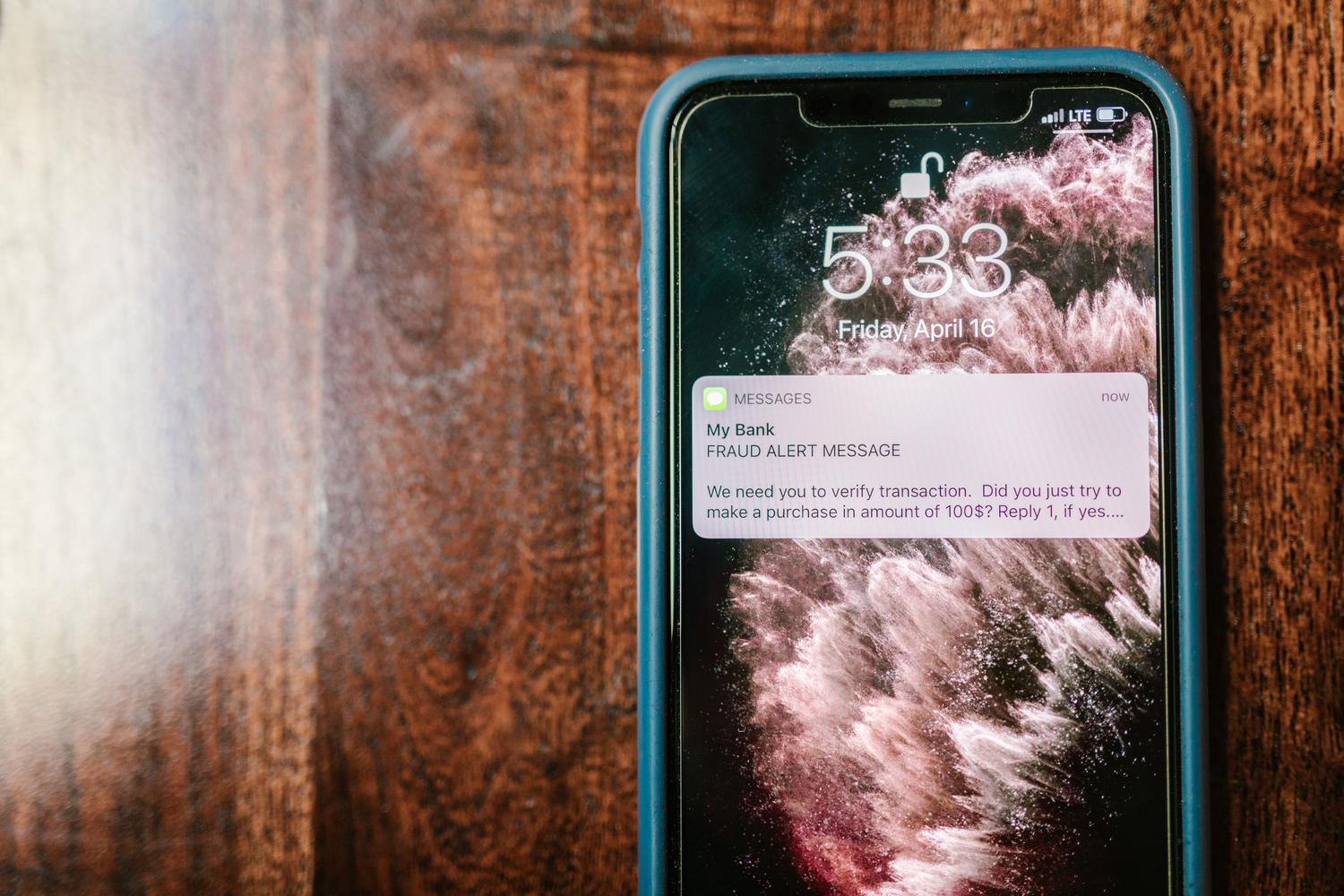
Even if the voice sounds identical, there are always clues that can save you. First, be wary if the call creates extreme emotional pressure or an absurd sense of urgency. If they ask you to make payments through irreversible methods, such as gift cards or cryptocurrencies , it's a clear sign that they're trying to scam you.
Pay attention to the audio details as well. Sometimes, cloned voices have unnatural intonations , strange pauses, or a complete lack of background noise that would be normal in a real call. Other times, scammers add artificial noise to mask these flaws, but if you notice that the narration is repetitive or that the other person avoids answering very personal questions, end the call.

Long-term protection and prevention measures
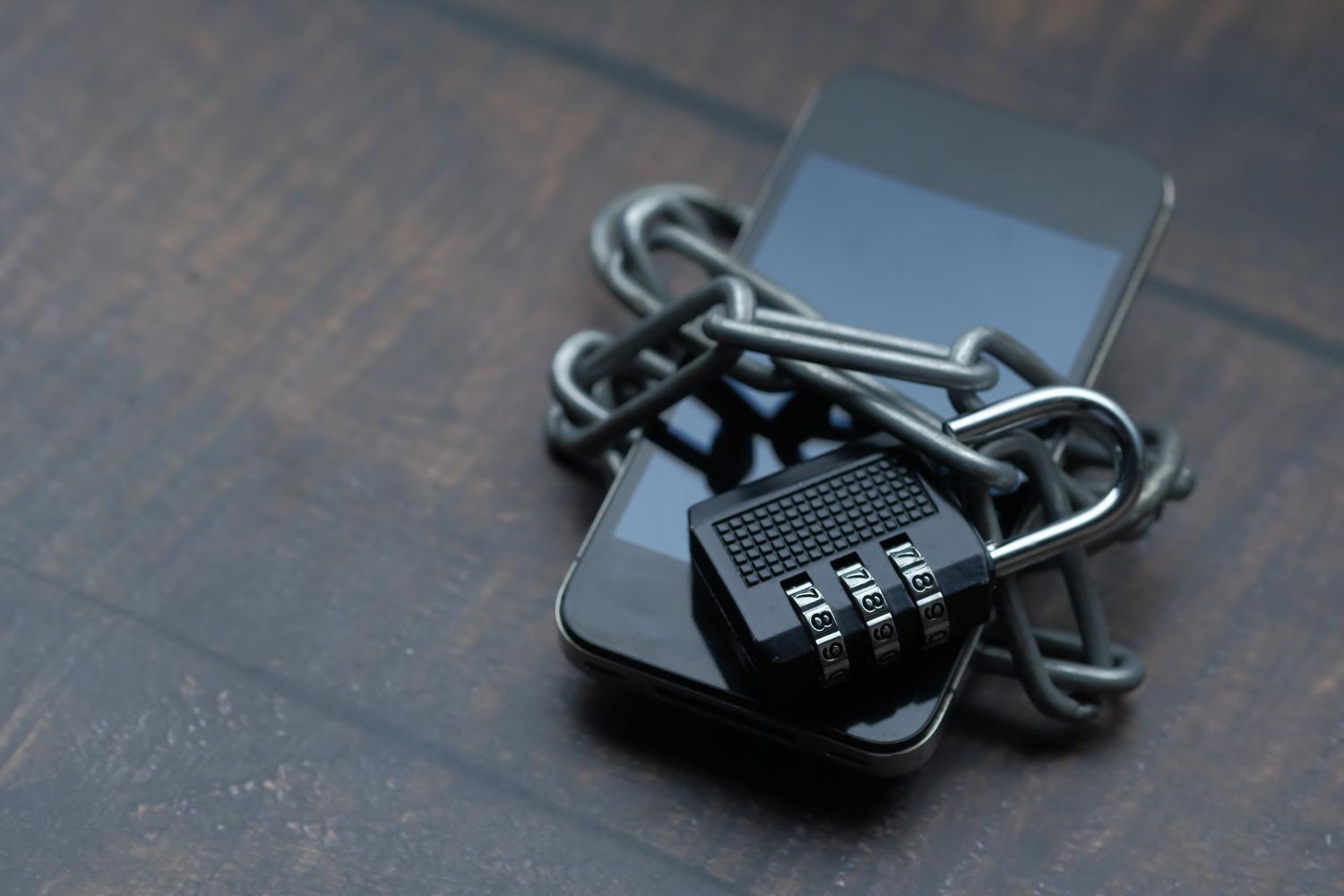
The best defense isn't technical, but human. A foolproof strategy is to agree on a security code word with your closest circle. It should be an unusual word, one that doesn't appear on your social media or isn't your pet's name, and that only you two know. If you receive a distressed call, ask for the code word; if they don't know it, hang up immediately.
Other helpful recommendations include:
- Asking trick questions during the call, such as asking for the name of a former teacher or a very specific detail from childhood that the AI cannot guess.
- Hang up and call yourself to the usual number of the person who supposedly contacted you.
- Avoid answering calls from unknown numbersIt is preferable that they leave a voice message so that we can analyze it calmly.
- Limiting privacy from your social media profiles so that your videos and audios are not public.
What to do if you have already been a victim
If you realize you've fallen for a scam, don't worry, because these tools are incredibly convincing. The first thing to do is cut off all contact with the scammer and call your bank to try to block the transfer or recover your funds. Change your passwords and enable two-step verification on all your accounts to prevent them from using your information for other scams.
It's crucial that you document everything that happened : save the phone number, the time of the call, and any instructions you were given. With all this evidence, you should go to the appropriate authorities to file a formal complaint. Be wary of anyone who promises to return your money in exchange for an upfront payment, as they are often the same scammers trying to take advantage of your situation.
To stay safe, we must normalize being suspicious and verifying the identity of anyone who calls us, no matter how familiar their voice sounds. Establishing simple family protocols, such as secret passwords, and maintaining a critical eye toward any urgent requests for money are the most powerful tools against AI-powered social engineering. Technology is advancing rapidly, but common sense and prudence remain our best defense.
