- Comprehensive diagnosis that combines the correction of technical errors with the optimization of user experience and content.
- Task prioritization based on traffic impact and ease of implementation to avoid bottlenecks.
- Adapting visibility towards generative search and language models through direct response structures.

Conducting a thorough analysis of your online presence is essentially like taking your website to the doctor for a general checkup. It's not just about seeing if everything is working, but about detecting those small cracks that are preventing you from climbing the rankings and finding golden opportunities that your competition might be overlooking.
Today, the landscape has changed considerably. It's no longer enough to simply try and fool a cold algorithm; now we have to actively participate to appear in AI responses and generative summaries. If you want your project to stand out, you need a clear roadmap that combines pure technical expertise with a user experience that will leave people speechless.
What does an SEO audit actually consist of?
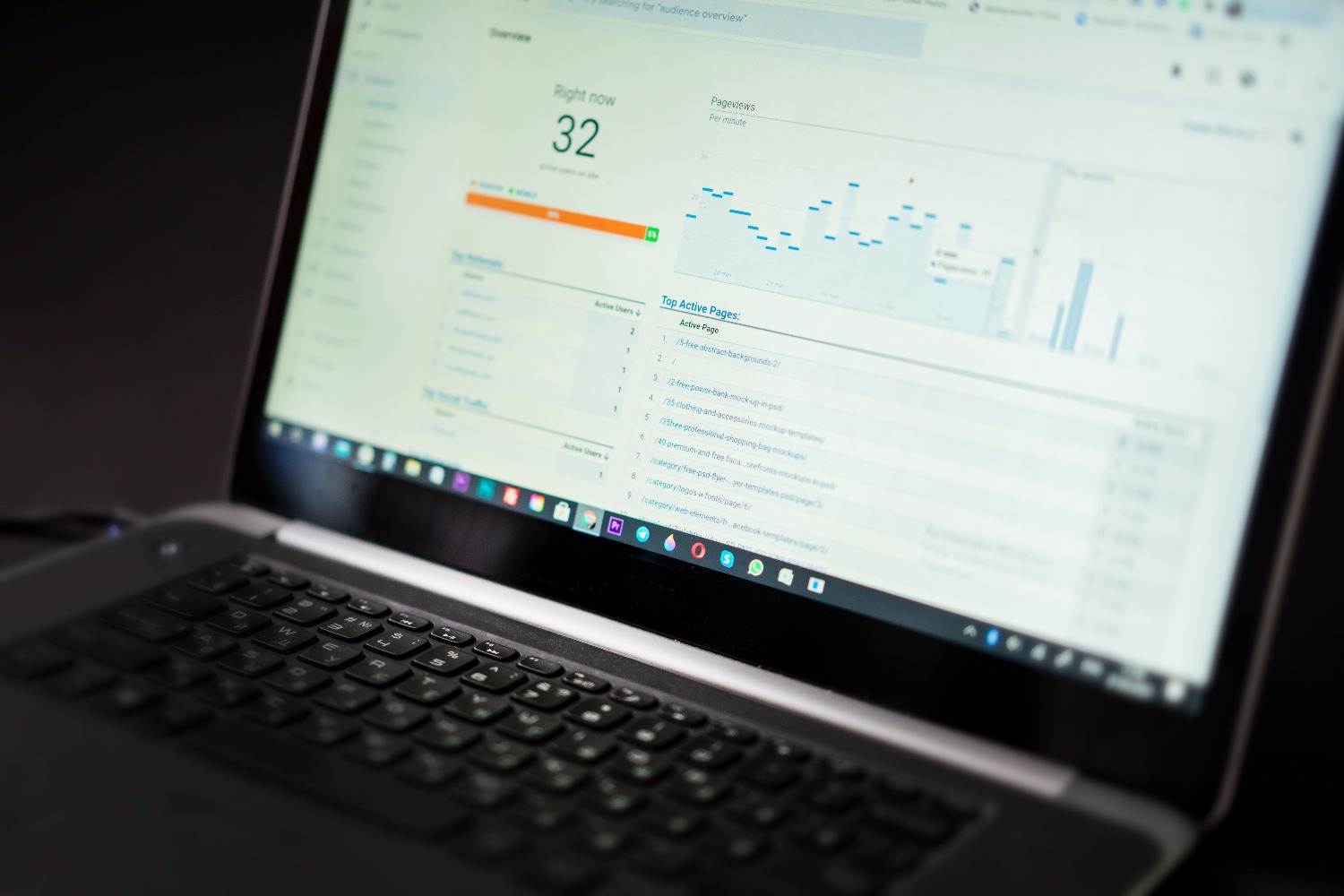
Essentially, it's an in-depth diagnostic process where we evaluate a website's health to optimize its organic visibility. This process is generally divided into two main areas: on-page SEO , which encompasses everything that happens within your domain, and off-page SEO , which analyzes the authority and links coming from external sources.
The ultimate goal is to resolve the user's search intent with surgical precision. To achieve this, we must prioritize errors based on their actual impact and the time required to fix them ; there's no point in wasting days on an irrelevant detail if you have a critical error blocking your homepage from being indexed.
The arsenal of essential tools
To ensure an audit isn't based on mere assumptions, we need real data. Google Search Console is the go-to tool for monitoring indexing and crawl errors, while Google Analytics provides key insights into user behavior once they land on the website.
For competitive analysis and technical crawling, there are powerful options like Semrush, Ahrefs, SE Ranking, and DinoRANK . These platforms allow you to simulate Google's crawler visits, detect broken links, and analyze the keyword gap compared to competitors, letting you know exactly what content you're missing.
Crawling and indexing: the foundation of everything

If search engines can't read your website, you simply don't exist. The first step is to ensure your robots.txt file isn't accidentally blocking important sections and that your XML sitemap is up-to-date and submitted correctly to make it easy for search engine bots to crawl your site.
It's vital to monitor your crawl budget so Google doesn't waste time on irrelevant URLs. Likewise, we must combat duplicate content by correctly using canonical tags , which indicate the official version of a page, and hreflang tags if we manage a multilingual site.
Technical analysis and site performance
Fast loading speed is no longer a luxury, it's a requirement. Core Web Vitals (LCP, FID/INP, and CLS) measure visual stability and responsiveness. A site that takes more than three seconds to load usually causes the user to turn around and leave, which significantly increases the bounce rate.
Furthermore, mobile compatibility is mandatory thanks to Mobile-First Indexing . We must ensure there are no elements that overflow on small screens or text that is impossible to read. Additionally, the use of the HTTPS protocol is non-negotiable to guarantee data security and build trust with both the user and the search engine.
Content and quality optimization EEAT

Publishing generic texts is no longer enough. The EEAT concept (Expertise, Specialization, Authority, and Trustworthiness) now reigns supreme . Google prioritizes content that demonstrates the writer knows what they're talking about, relying on biographies of real authors and verifiable sources.
On the technical side of the content, it's essential to optimize titles and meta descriptions to improve click-through rate (CTR), avoiding duplicates or overly short titles. Headings (H1, H2, H3) should follow a logical and natural hierarchy, incorporating long-tail keywords without resorting to keyword stuffing, which is now penalized.
Web architecture and authority flow
A well-organized website is easier to crawl and more pleasant to navigate. We need to analyze the depth of clicks ; if a user has to click five times to reach a service, they're likely to get lost along the way.
Internal linking is the tool used to distribute PageRank, or authority, within a website. Through a cluster or silo structure, we can strengthen pillar pages and ensure that no URL becomes an orphan page , meaning it lacks any backlinks.
External authority and link profile

Off-page SEO focuses on reputation. It's not about acquiring thousands of links, but about obtaining quality backlinks from authoritative domains with thematic relevance. An artificial or toxic link profile can result in serious penalties.
It's advisable to analyze anchor text to ensure it's varied and natural. If all links use the exact same keyword, Google will suspect manipulation. The ideal strategy is to combine brand mentions, bare URLs, and related terms.
The new frontier: Optimization for AI (GEO)
SEO has evolved into GEO (Generative Engine Optimization) . To appear in Google's AI Overviews or be cited by ChatGPT and Perplexity, content must be direct and structured.
It's essential to apply the inverted pyramid style : give the concrete answer first and then develop the details. Using structured data (Schema Markup) is the best way to speak the language of machines, helping them understand whether our content is a recipe, a product, or an event.
FAQ
What is the difference between on-page and off-page SEO in an audit?
On-page SEO analyzes internal site elements such as speed and titles, while off-page SEO evaluates external authority through backlinks and brand mentions.
What free tools do you recommend to start the analysis?
Google Search Console is essential for indexing and Google Analytics for traffic, complemented by PageSpeed Insights to measure loading speed.
How does artificial intelligence influence current audits?
Now it is necessary to optimize the content to be cited by generative models, using structured data and direct responses that facilitate the reading of AI.
What should I do if I find duplicate content on my website?
The canonical tag should be used to point to the original URL, or 301 redirects should be implemented if one of the pages needs to be permanently removed.
Why is it important to review the robots.txt file?
This file controls which areas bots can crawl; a bad configuration could accidentally block key pages, preventing them from appearing in search results.
What are Core Web Vitals and why do they affect search engine ranking?
These are Google metrics that evaluate loading speed, interactivity, and visual stability, directly impacting user experience and ranking.
Table of Contents
- 1 What does an SEO audit actually consist of?
- 2 The arsenal of essential tools
- 3 Crawling and indexing: the foundation of everything
- 4 Technical analysis and site performance
- 5 Content and quality optimization EEAT
- 6 Web architecture and authority flow
- 7 External authority and link profile
- 8 The new frontier: Optimization for AI (GEO)
- 9 FAQ
