- Isaac Capture unifies robotic teleoperation and egocentric data capture in a modular ecosystem compatible with simulation and real-world environments.
- The system employs a graph-based retargeting flow that translates human movements captured by XR or gloves into precise robotic actions.
- It fully integrates with Isaac Lab, allowing the generation of massive datasets for training imitation and reinforcement learning models.
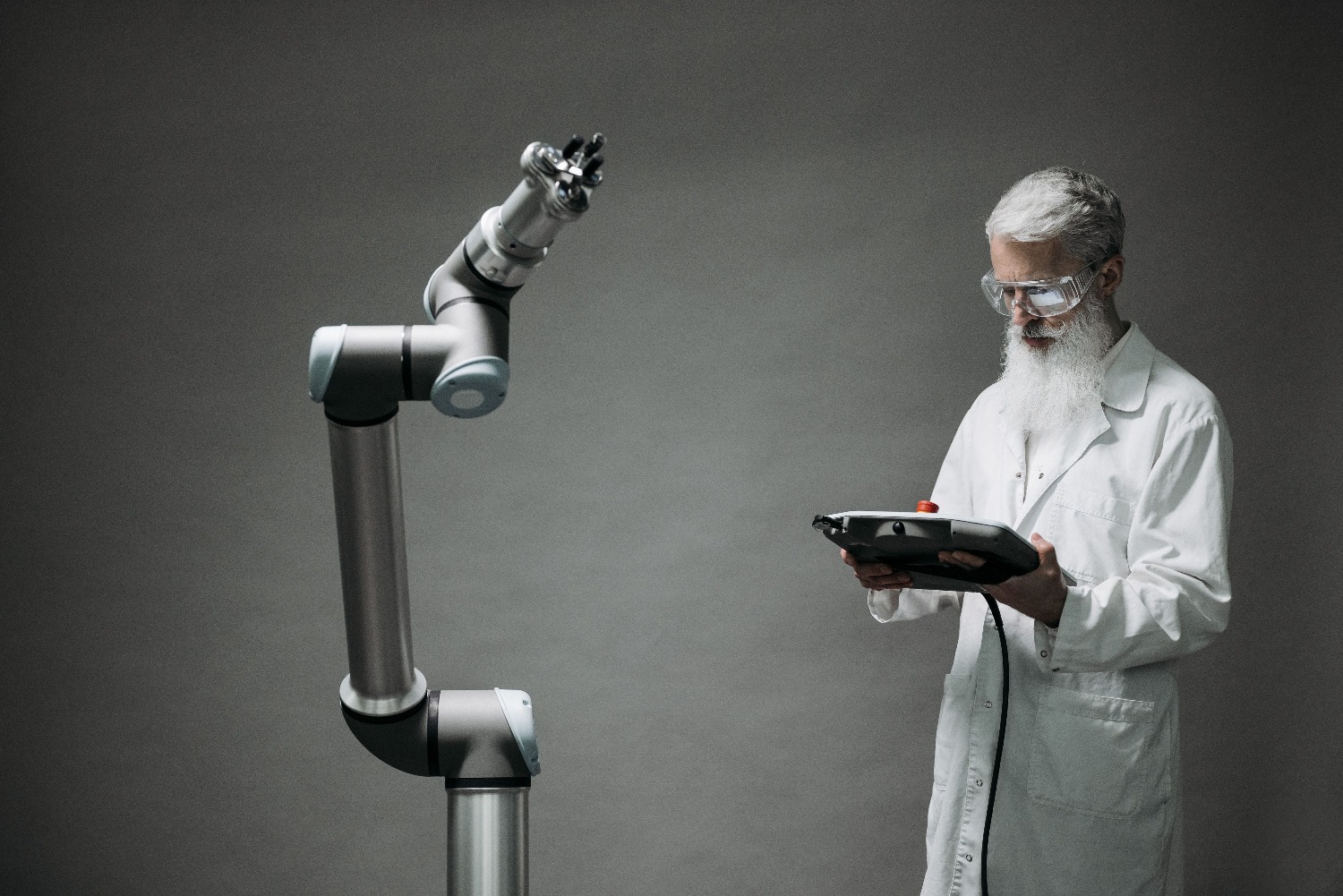
If you're into robotics, you know that the biggest challenge is getting a robot to learn to move like us without it taking forever. That's where Isaac Capture comes in . It's a tool that basically lets you "guide" the robot, either in a simulator or in real life, and record those movements so the machine can learn them on its own. It's like giving the robot a practical example so it doesn't have to guess how to do a task.
The most powerful aspect of this system is that it doesn't just move a robotic arm; it combines advanced teleoperation with data capture from a human perspective, known as egocentric flow. Ultimately, the goal is to feed deep learning algorithms with high-quality data, bridging the frustrating gap between what happens on the computer and what actually occurs when the robot touches the factory floor.
The heart of Isaac Capture and how it works
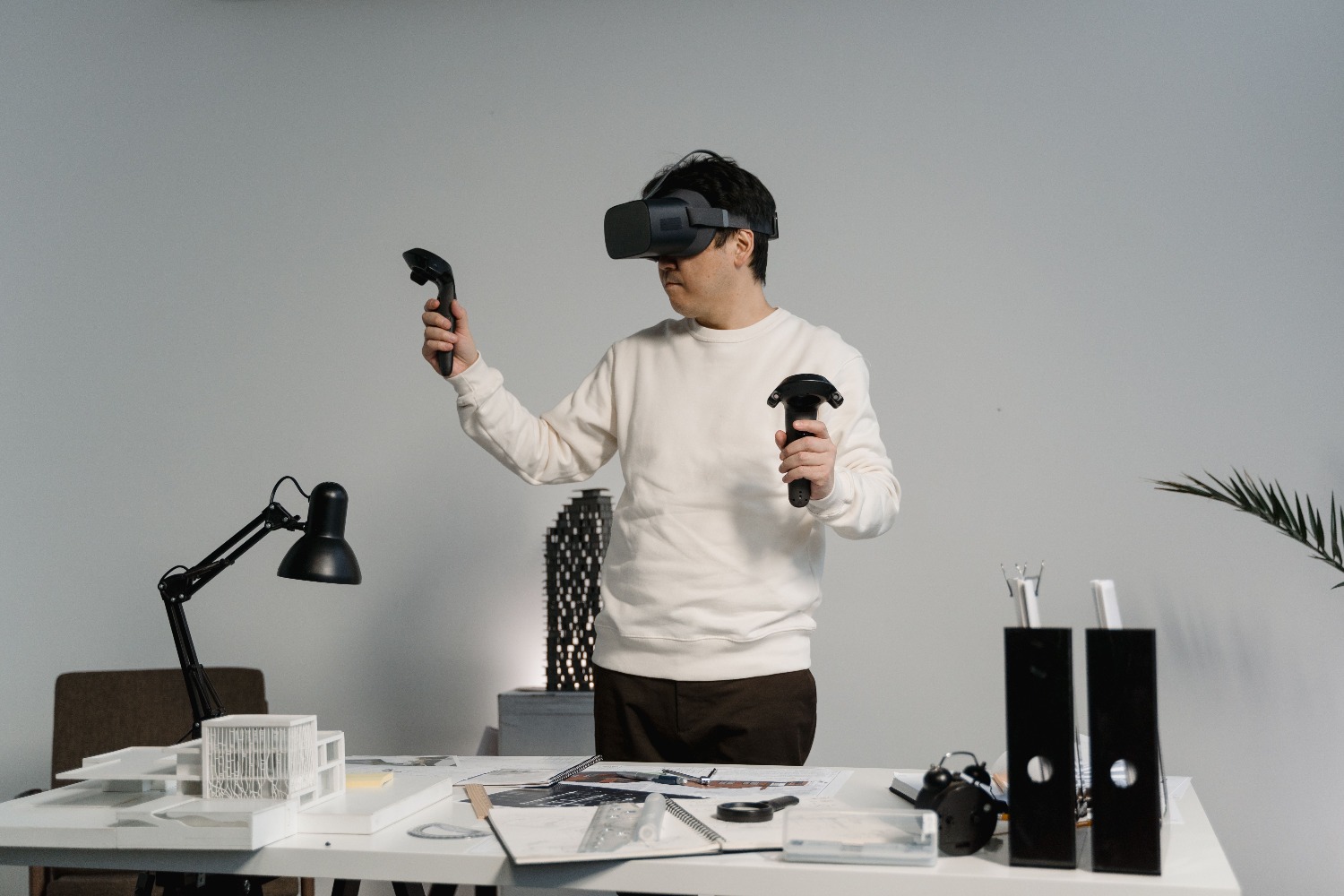
To understand how this works, we need to look at its two pillars. On one hand, we have Isaac Teleop , which is the bridge between our controllers or headsets and the robot. This module is responsible for capturing the tracking data and passing it through "translators" called retargeters , which adjust the human anatomy to that of the robot. On the other hand, the ego pipeline (with tools like EgoHand and EgoPost) is responsible for processing videos from the operator's viewpoint to reconstruct hand movements.
This entire setup relies on a shared core of device plugins and data utilities. This is fantastic because it allows you to expand your hardware configuration without having to program each integration from scratch. Essentially, the system reads the device input, processes it using the retargeting graph, and outputs a tensor of actions that the bot can execute instantly.
Compatible hardware and control modes
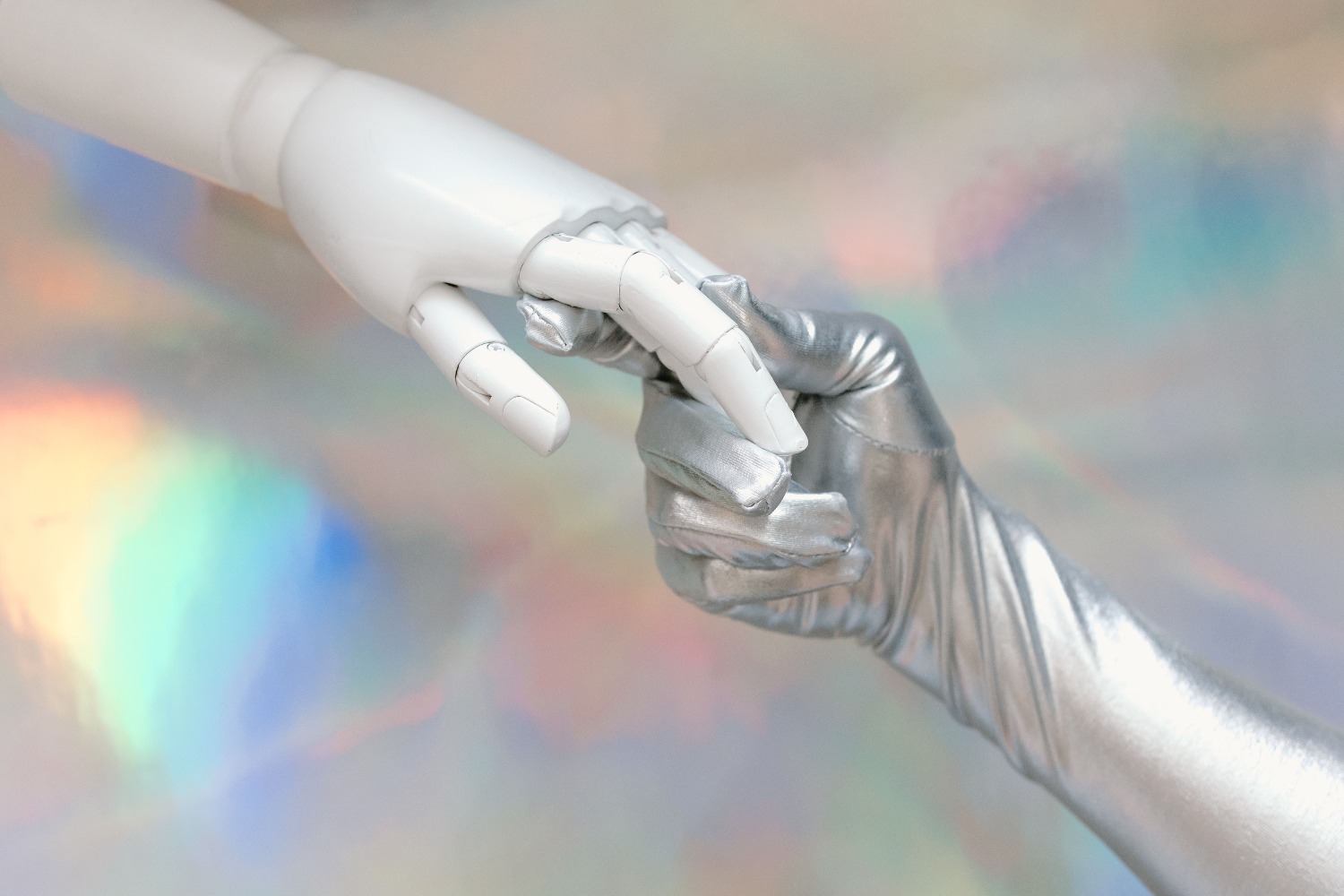
The versatility is complete. You can use extended reality (XR) headsets like the Apple Vision Pro, which offers 26-joint tracking per hand, or opt for more classic choices like the Meta Quest 3 and the PICO 4 Ultra. But it's not all about headsets; you can also integrate MANUS gloves or Haptikos exoskeletons for surgical precision in the fingers, vital if you're working with robotic hands requiring dexterity.
If you don't have a headset handy, no problem, because the system supports standalone devices . You can control the robot with a keyboard, a game controller, or even a SpaceMouse for 6 degrees of freedom control. There's even support for physical lead arms (like the SO-101), where you move a real arm and the simulated robot mimics the joint angles in real time, without the need for complex inverse kinematics calculations.
Integration with Isaac Lab and the training flow
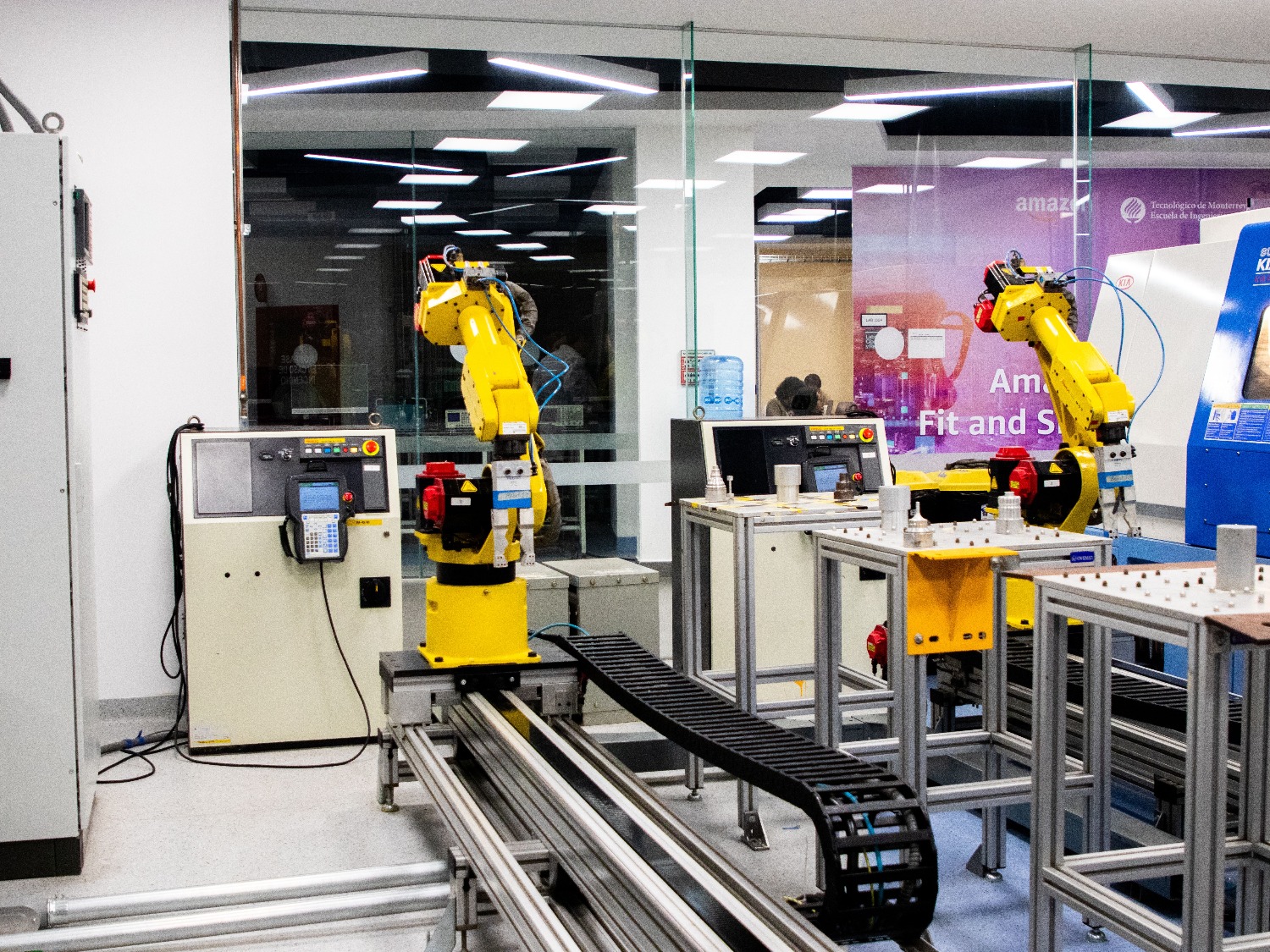
Isaac Capture doesn't exist in isolation; it's a key component of Isaac Lab . This environment allows for training robotic policies using reinforcement learning or imitation. The workflow is simple: you teleoperate the robot, record the demonstration in HDF5 files, and then use tools like Isaac Lab Mimic to teach the model from those examples. Furthermore, the system allows for domain randomization , varying textures and physics so the robot doesn't get lost when lighting changes in the real world.
A key technical detail is the system's ability to run in standalone mode . This means you can capture data without having to render the entire scene on an XR helmet, saving significant computational resources. For those seeking maximum realism, the integration with the Newton physics engine allows for the simulation of deformable objects, fabrics, and cables—something that has been a major challenge in traditional rigid simulations.
The importance of retargeting and feedback
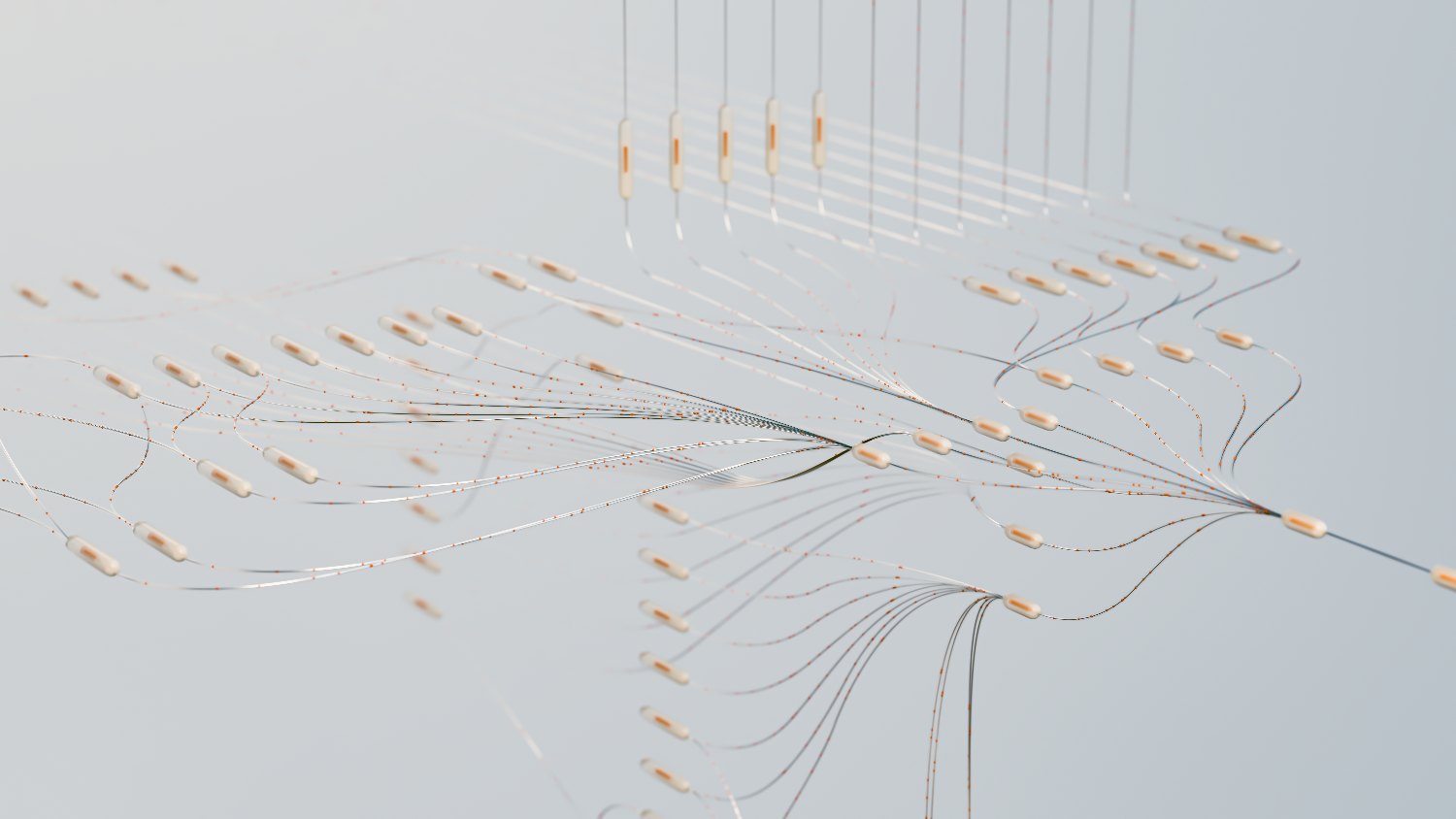
Graph-based retargeting is what makes the magic work. It's not simply copying a position, but mapping human intent. For example, a finger squeeze on a glove translates into a close signal for the robot's gripper. This process is fully configurable; you can switch from motion controller-based control to hand-tracking simply by changing the constructor function in the environment settings.
To prevent the operator from being "blind," Isaac Capture implements haptic feedback . If the robot touches an object in the simulator, the operator's controller can vibrate proportionally to the force of the impact. In the case of haptic gloves, each finger can receive a distinct signal, allowing the operator to feel how tightly they are gripping an object, which dramatically improves the quality of recorded demonstrations.
Optimization and deployment in the real world
To ensure everything runs smoothly, NVIDIA has optimized rendering with RTX and implemented Deadline Pacing , which organizes retargeting tasks to prevent them from blocking the simulation loop. This is crucial to avoid any perceived lag for the operator, which would be disastrous when attempting precision tasks. Additionally, the debug visualization can be configured to display red spheres representing tracked joints, confirming that everything is aligned.
Ultimately, this entire ecosystem aims to feed foundational models like GR00T. These models are pre-trained using massive amounts of human video footage and then fine-tuned with precise data obtained through Isaac Capture. In this way, we move from having a robot that only knows how to perform one task in a laboratory to having generalist machines capable of adapting to domestic or industrial environments with astonishing ease.
Isaac Capture's current architecture and its union with Isaac Lab allow any physical space to be transformed into a digital twin through LiDAR scans and Gaussian Splatting, creating a closed cycle where human data capture , massive simulation, and deployment on real hardware are constantly fed back to achieve real spatial intelligence.

FAQ
What exactly is Isaac Capture in the context of robotics?
It is a platform that unifies teleoperation and the capture of human data to train robots, allowing the translation of people's movements into robotic actions through retargeting.
Can Isaac Capture be used without a virtual reality headset?
Yes, the system supports standalone mode which allows the use of keyboards, game controllers, SpaceMouse or physical leading arms to control the robot.
How does Isaac Capture help reduce the sim-to-real gap?
It allows generating high-quality datasets based on real human demonstrations and using domain randomization to make the robot robust to changes in the physical environment.
Which devices are compatible for hand tracking?
The system is compatible with the Apple Vision Pro, Meta Quest 3, PICO 4 Ultra and specialized gloves such as those from the MANUS brand.
What role does retargeting play in this system?
Retargeting acts as a translator that adapts the anatomy and movements of the human operator to the structure and physical limits of the robot.
Is it possible to feel physical contact through Isaac Capture?
Yes, the system supports haptic feedback that sends vibrations to the controllers or gloves according to the contact force detected in the simulation.
How is the captured data integrated into the robot's training?
The demonstrations are recorded in HDF5 files which are then processed by imitation learning frameworks such as Isaac Lab Mimic.