- Autonomous vehicle that operates as a driverless taxi, using AI, cameras, radar and LIDAR to navigate and pick up passengers.
- They reduce costs and emissions; they increase road safety by eliminating human error; they optimize traffic through planning and communication between vehicles.
- Limited deployment due to regulations, high costs, public acceptance, and complex situations that technology still surpasses.
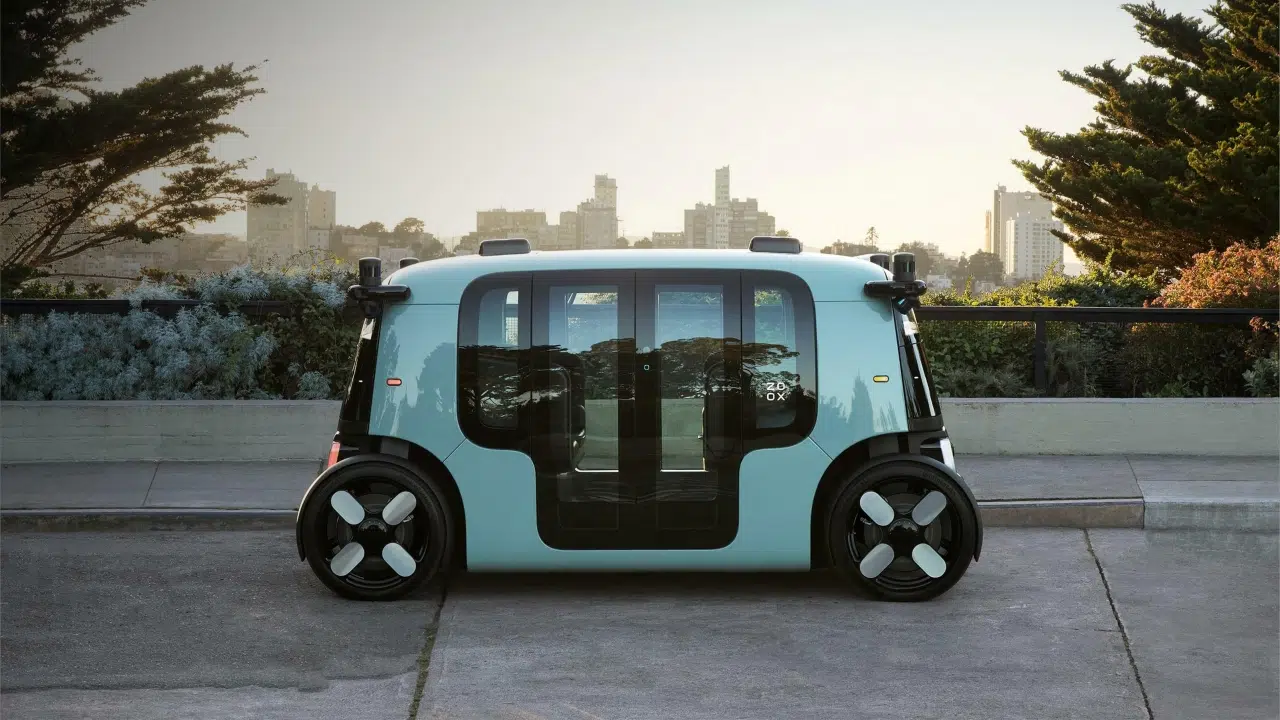
Technological advancements in the field of mobility have given rise to a new category of vehicles that are revolutionizing the concept of urban transport: robotaxis . You've probably heard of them, but what exactly are they, and how could they transform the way we get around in the future?
Designed to operate without human intervention, robotaxis combine the latest in artificial intelligence, advanced sensors, and navigation systems to offer an autonomous and efficient transportation service. While we are still in the early stages of this technology, its potential to transform urban mobility and public transportation is undeniable.
What is a robotaxi?
A robotaxi is an autonomous vehicle designed to perform the functions of a taxi, but without the need for a human driver. These vehicles are designed to pick up passengers and take them to their destinations safely using advanced automation technologies.
Thanks to a suite of artificial intelligence- based systems , cameras, radar, and sensors like LiDAR, robotaxis can "see" and analyze their surroundings in real time, allowing them to make decisions and navigate city streets efficiently. They also use high-definition maps and GPS to adjust their routes and adapt to different traffic conditions.

Main features of robotaxis
These innovative vehicles have a number of features that make them unique:
- Levels of autonomous driving: According to the Society of Automotive Engineers, there are five levels of autonomy. Current robotaxis typically operate at Level 4, meaning they are highly automated and can operate without human intervention in most cases.
- Safety: Advanced safety systems built into robotaxis include sensor redundancies and decision-making algorithms to ensure a safe ride, even in unforeseen situations.
- Sustainable mobility: Most robotaxis are electric, which helps reduce the emission of polluting gases and makes this mode of transport more environmentally friendly.
Advantages of using robotaxis
Robotaxis offer multiple benefits, both for users and cities:
Economic accessibility: The cost of transport services could be significantly reduced by eliminating the human factor. This would democratize private transport, making it more affordable for the general public.
Improved road safety: By eliminating human error, which is responsible for most traffic accidents, robotaxis promise a safer environment for passengers, pedestrians, and other drivers.
Traffic optimization: Thanks to their ability to plan routes and communicate with other vehicles, robotaxis can contribute to smoother and more efficient traffic flow, reducing congestion in cities.

The challenges and barriers of robotaxis
Despite their advantages, robotaxis face significant challenges that hinder their mass deployment:
Regulations: Regulations vary greatly between countries and even between regions. This complicates the deployment of robotaxis, as they must comply with strict safety and certification standards.
Technology in development: Although autonomous driving has advanced a lot, there are still complex situations, such as adverse weather conditions or chaotic traffic, that cannot be handled perfectly.
Public acceptance: Many people still distrust autonomous technology, which could be an obstacle to the mass adoption of robotaxis.
Investment: The initial cost to develop and implement this technology is high, limiting its access to a small number of companies with large resources.
Leading companies in the development of robotaxis
Several companies are leading the way in developing robotaxis:
- Waymo: Alphabet subsidiary that already operates robotaxis in cities such as San Francisco and Phoenix.
- Tesla: With its Cybercab model, it promises to revolutionize the market with autonomous vehicles without a steering wheel or pedals that will use inductive charging.
- Baidu: The Chinese company has developed the RT6, a robotaxi with an advanced level of autonomy.
Robotaxis represent one of the most exciting innovations in the field of urban mobility. Although many challenges remain, their development is progressing rapidly, and in the coming years we could see them radically transform how we move around cities and beyond. The combination of sustainability, efficiency, and advances in artificial intelligence bodes well for the future of this technology.
