- Implementation of KDE Plasma 6.4.3 for a smoother desktop mode and VRR technology support.
- Drastic reduction of control latency and optimization of HDR performance on OLED screens.
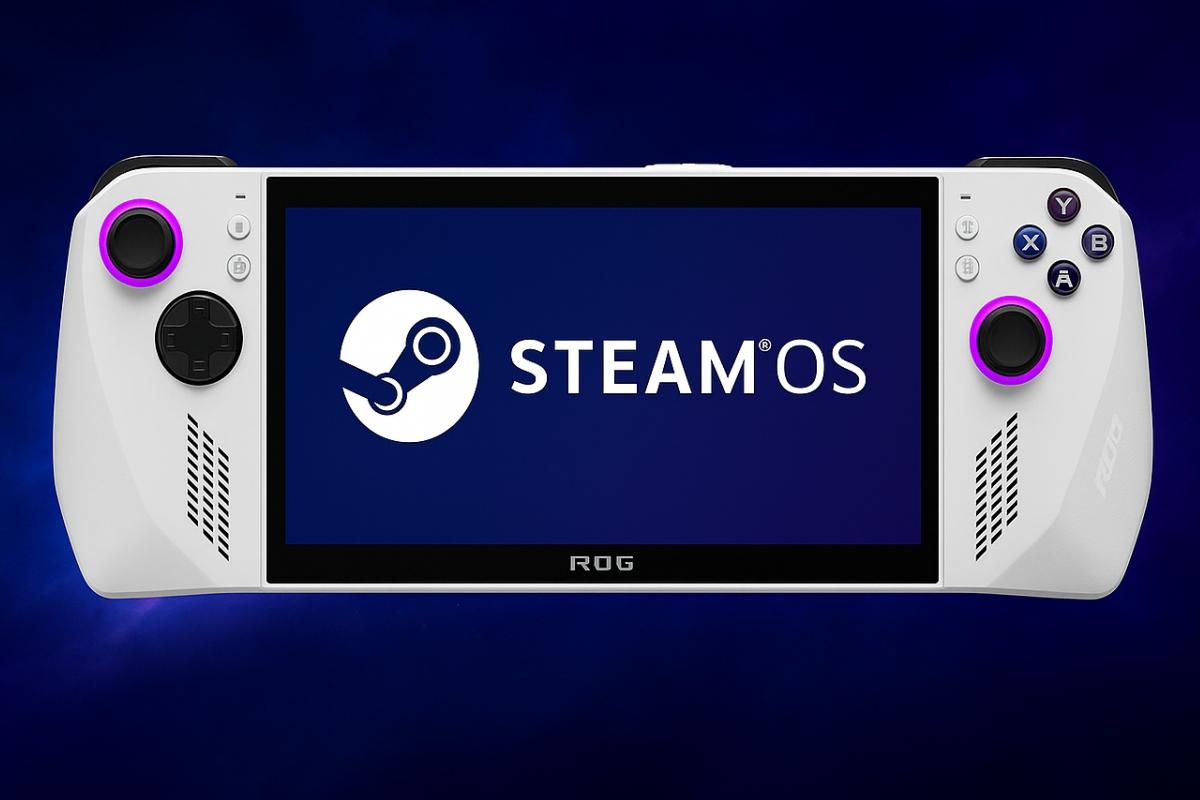
- Expanded compatibility with third-party laptops such as ROG Ally and Lenovo Legion Go.
- Critical fixes to battery management, Bluetooth audio, and stability in AAA games.
If you own a Steam Deck, you know Valve never rests. The operating system that powers the console, SteamOS , evolves at a breakneck pace, transforming from software exclusive to the handheld console into a solid foundation that aspires to dominate any compact gaming PC. It's not just about adding flashy features, but about refining the user experience until everything runs smoothly, whether playing a demanding AAA title or using desktop mode to manage files.
The most interesting thing is that many of these improvements first arrive through the Preview channel, which is essentially where Valve releases new features for the community to test before they reach everyone. From deep performance tweaks to power management and audio fixes, the journey has been long but rewarding. For those looking to squeeze every last drop of power out of their devices, there are even external tweaks and scripts like CryoUtilities that, combined with official updates, promise to push the hardware to its limits.

System evolution and version jumps
One of the most disruptive updates has been version 3.8.0, which brought with it the jump to KDE Plasma 6.4.3 in desktop mode. This change isn't just cosmetic; it makes the interface feel much lighter and smoother, eliminating the sluggishness some users experienced. Furthermore, it has been key to improving compatibility with external HDR monitors and implementing VRR technology, which prevents annoying image stuttering by synchronizing the frame rate with the screen's refresh rate.
On the other hand, versions like 3.7.15 have focused on what we might call "fine-tuning the system." Special emphasis has been placed on ensuring that TDP profiles and clock limits remain intact after restarting the console, preventing the user from having to reconfigure their settings every time they turn off the device. Likewise, battery estimation has been optimized , which is vital to avoid being left in the dark in the middle of a trip.

Improvements in hardware and peripherals
In terms of connectivity, critical issues have been resolved. For example, it's now possible to wake the console from sleep mode via Bluetooth, a feature that was a real headache on LCD models. Regarding audio, the problem of the volume suddenly jumping to 100% when disconnecting headphones has been eliminated, and Bluetooth headphone microphones , previously limited to listening only, can now be configured.
- Graphic performance: Ray tracing has been optimized in titles such as Persona 3 Reload, and HDR gamma mapping has been improved on OLED models.
- Control latency: In recent versions, the button response time has dropped from about 5-8 milliseconds to just about 100-500 microsecondsmaking control instantaneous.
- Third-party support: SteamOS is no longer just for the Deck; it now offers advanced support for the Lenovo Legion Go and the ROG Allyincluding RGB LED control and power management.
Error correction and quality of life
Valve has also addressed annoying bugs that were impacting daily use. They've fixed the visual glitch with the FSR indicator in the performance panel, which sometimes displayed "disabled" even when it was running. Additionally, they've eliminated unexpected session crashes when exiting demanding games like Starfield or Star Wars Jedi: Survivor , resulting in much more robust system stability.
Regarding the interface, improvements have been made to the on-screen keyboard to facilitate typing with the trackpads, and the network settings for desktop mode have been synchronized with game mode. Temperature alerts have also been added to warn the user if the console is operating outside safe ranges, thus preventing potential damage from overheating.

Security and application ecosystem
Performance isn't everything; security is paramount. Various CVE patches have been applied to the kernel, audio stack, and graphics system to close vulnerabilities. Based on Arch Linux, SteamOS uses an atomic update model , ensuring system stability despite frequent updates. Furthermore, Firefox's integration as a Flatpak package via the Discover Software Center simplifies the installation of third-party software.
Finally, the user experience has been enhanced with a redesigned Steam Store , optimized for smaller screens, and a beta client that supports secure boot and TPM, facilitating compatibility with modern anti-cheat systems. From improved pop-up menus to gyroscope calibration now accessible in quick settings, every little detail adds up to make the machine feel like a polished, professional console.
The constant release of patches has transformed the Steam Deck into an extremely versatile platform where system stability and immediate controller response are paramount. The transition to an open system that supports third-party hardware, along with optimized power management and visuals, demonstrates Valve's commitment to setting a new standard for portable gaming, ensuring that both novice users and Linux enthusiasts find a reliable and powerful environment.
