- AI demands a transition to modular and scalable infrastructures that optimize computing power and energy efficiency.
- Digital sovereignty and autonomy are critical pillars to avoid technological dependence on foreign powers and to guarantee control of data.
- Environmental sustainability, through liquid cooling and the use of green energy, is essential to mitigate the ecological footprint of data centers.

Today, discussing artificial intelligence without mentioning the underlying physics is like trying to analyze a car without looking at the engine. The ability to process massive amounts of information no longer depends solely on a brilliant algorithm, but on a massive and ultra-efficient hardware architecture capable of handling workloads that until recently seemed like science fiction.
To avoid getting stuck, a company needs to stop viewing IT infrastructure as a mere technical expense and start treating it as a fundamental strategic asset . Simply renting cloud space isn't enough; meticulous planning is required, combining power, security, and intelligent resource management to ensure innovation doesn't run up against latency or exorbitant energy costs.
The new paradigm of data centers
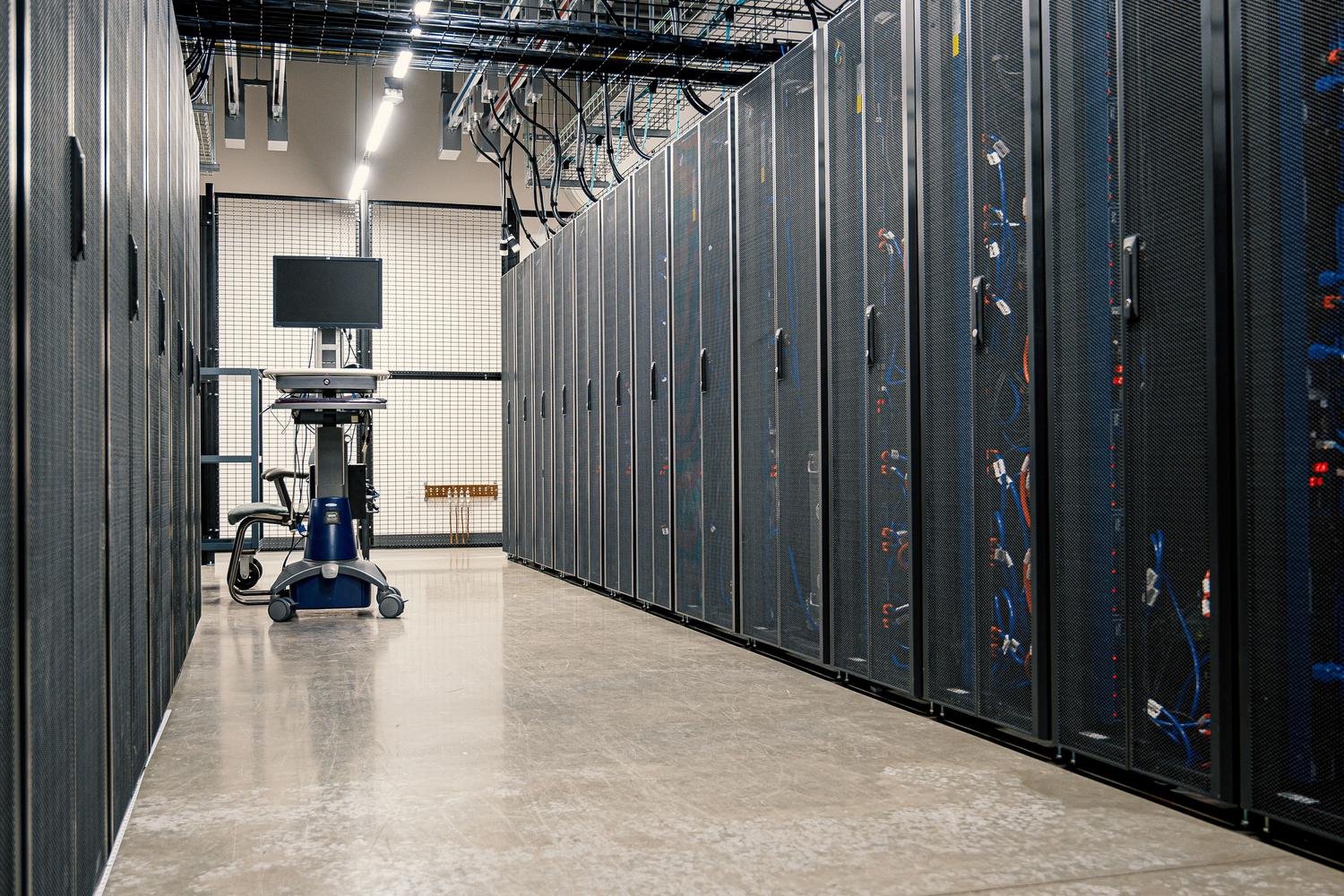
Traditional data centers fall short of meeting the demands of generative AI and deep learning. We now need environments specifically designed to handle extreme computing densities , where GPUs and TPUs are the absolute stars, enabling billions of parallel operations to train complex models.
The key here is modularity. Instead of building a monolithic block that will be obsolete in two years, the design is based on a system of systems . This means that individual components—like the cooling of a specific rack or the electrical system of a suite—can be upgraded without having to tear down the entire building, saving a significant amount of money and reducing deployment times.
The critical challenge of energy and cooling

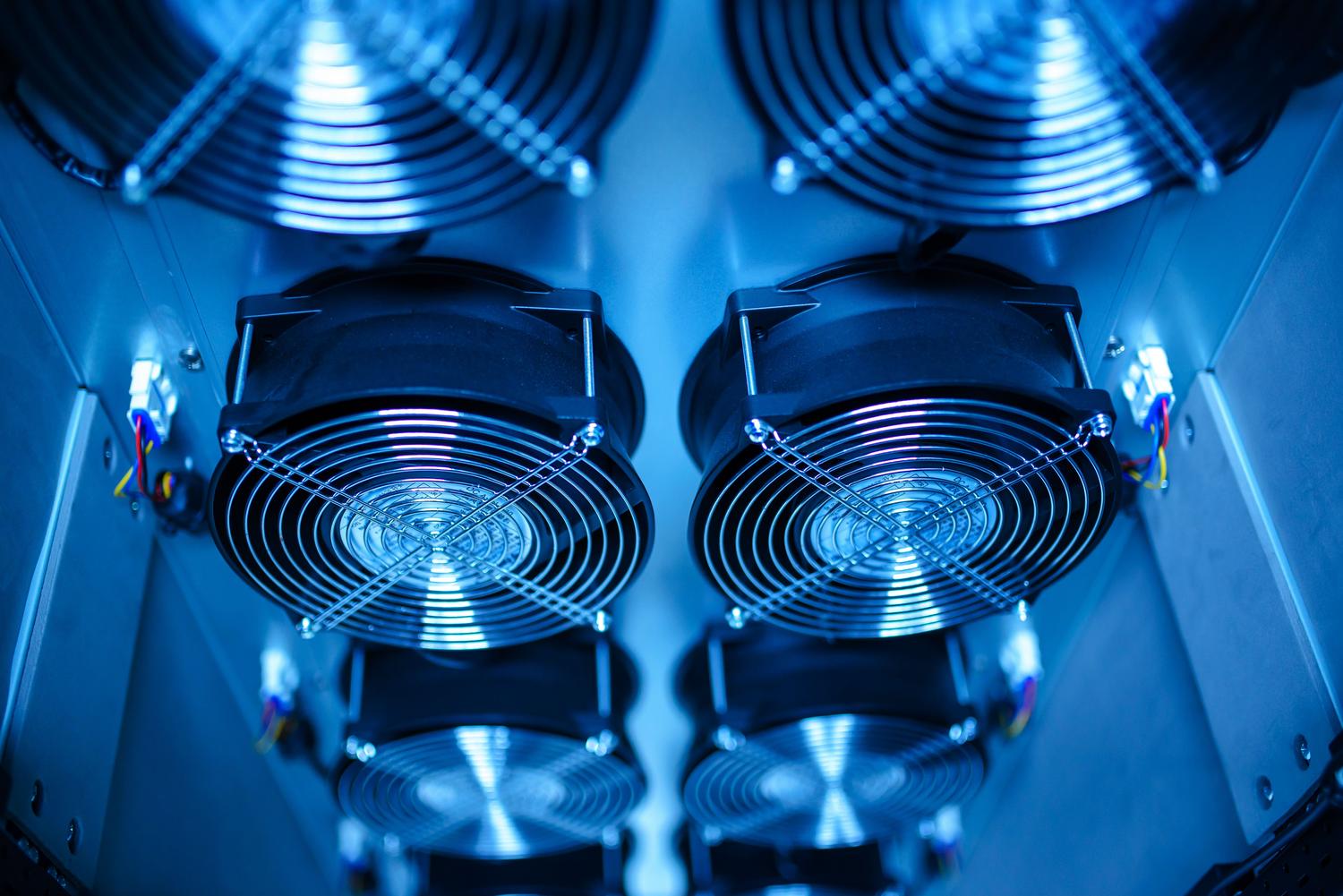
AI is, essentially, a heat-generating machine. High-density racks can consume up to ten times more energy than the industry average, forcing a shift from air cooling to liquid or immersion cooling systems . Liquid is far more efficient at dissipating heat, allowing for more power to be packed into less space and reducing overall electricity consumption.
Furthermore, the ecological footprint can no longer be ignored. Heat recovery strategies are being implemented to heat urban networks, and closed-loop water systems are being used to avoid depleting local aquifers. Sustainability is no longer just about looking good in the annual report; it is an operational necessity for projects to be viable in the long term.
Sovereignty, autonomy and the geopolitical chessboard
One often overlooked but vital point is data sovereignty. This isn't just about knowing which country the server is located in, but also who holds the encryption keys and under what laws the infrastructure operates. Over-reliance on a single foreign provider can leave an organization vulnerable to political or regulatory changes.
Globally, there is constant tension between powers like the United States and China over control of semiconductors and design software. To combat this, the idea of digital autonomy has emerged , seeking interoperability and open standards to avoid technological gridlock. The goal is for regions to be able to scale their capabilities without becoming trapped in dependence on a single, closed ecosystem.
Strategies for a robust database

For generative AI to avoid being a flash in the pan, the data infrastructure must be ready. This means breaking down information silos and creating unified business value where storage and processing flow seamlessly. Techniques like Recall Augmented Generation (RAG) allow language models to understand an organization's specific context without requiring the entire model to be retrained from scratch.
- Implementation of multimodal databases to manage various types of workload.
- Creation of AI centers of excellence to coordinate governance and security.
- Use of Hybrid architectures that combine the flexibility of the public cloud with the security of the private cloud.
Resilience and regulatory compliance
In a world where availability is paramount, resilience becomes mandatory. Simply having a backup is insufficient; a high-availability and redundant architecture is essential to guarantee uninterrupted service even in the event of a serious technical incident. Recovery capabilities must be tested regularly to prevent operational disasters.
All of this is happening within an increasingly strict legal framework. Regulations such as the AI Act and GDPR require companies to demonstrate full data traceability and rigorous risk management. Therefore, the infrastructure must be built from the ground up in accordance with these rules to avoid hefty fines and ensure ethical and transparent operations.
The success of deploying artificial intelligence depends entirely on the ability to harmonize immense computing power with sustainable environmental management and sovereign control of information. Only those organizations that manage to build a modular, resilient technological foundation aligned with current regulations will be able to transform data into a real and lasting competitive advantage.
