- Visual Programming uses graphical interfaces to build software through visual components and connections, simplifying creation without writing traditional code.
- It facilitates access to programming, accelerates development, and reduces errors through visual debugging; ideal for prototypes and rapid applications.
- It is applicable to mobile, automation, and web; however, it faces customization limitations and a learning curve for complex projects.
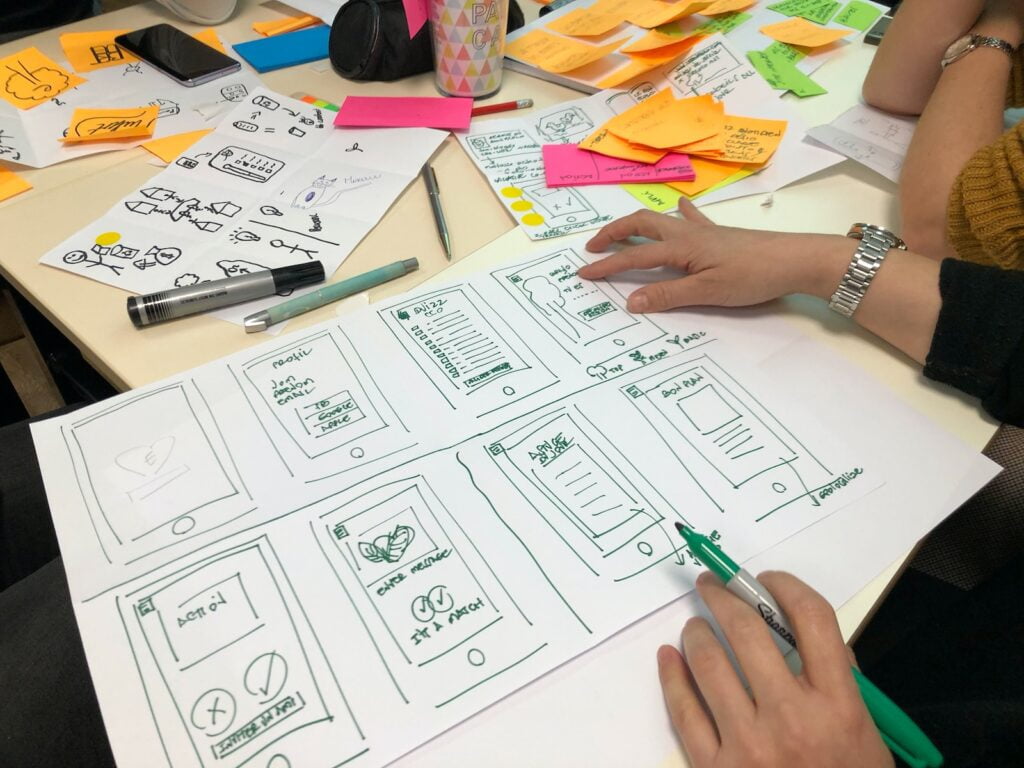
Visual Programming has arrived to revolutionize the way we think about and practice coding. In an increasingly digital world, where the demand for high-quality applications and software is skyrocketing, Visual Programming is emerging as a powerful tool that simplifies the development process and opens up new possibilities. This article will take us deep into the exciting field of Visual Programming, from its foundations to its most sophisticated applications. We'll explore how it's shaping the future of programming and how you can take advantage of this innovative trend. Join us on this journey into the future of coding!
Visual Programming: An Introduction
Visual Programming, as the name suggests, is a way of writing programming code visually, using graphical elements instead of traditional lines of code. This involves using graphical user interfaces (GUIs) to design and build applications. Instead of writing endless lines of code, programmers can drag and drop components, connect them, and configure their properties in a much more intuitive way.
Why Visual Programming?
It offers numerous advantages over conventional programming. The main advantage lies in its accessibility. With Visual Programming, you don't need to be an expert in programming languages to create functional applications. This democratizes software development, allowing more people to participate in creating technological solutions.
Fundamentals of Visual Programming
Development Environments
One of the fundamental aspects of Visual Programming is the use of visual development environments. These environments provide graphical tools that allow developers to create user interfaces and define application logic visually . Examples of visual development environments include Visual Studio, App Inventor, and Scratch.
Visual Components
In Visual Programming, visual components are key building blocks. These graphical elements represent buttons, text boxes, images, and other user interface elements. Programmers can drag these components onto the design screen and then configure their behavior using properties and events.
Visual Connections
An essential part of Visual Programming is the ability to establish visual connections between components. For example, buttons can be connected so that they trigger certain actions when pressed. This is done by simply drawing a line between the components in the visual development environment.
Visual Programming in Action
Mobile application development
One of the areas where Visual Programming truly shines is in mobile application development. Platforms like Android Studio allow developers to create Android apps visually. This has paved the way for novice developers and entrepreneurs to transform their ideas into successful mobile applications without needing to learn complex programming languages .
Process automation
Visual programming isn't limited to application development. It's also used in business process automation. Tools like Zapier and Microsoft Power Automate allow companies to create automated workflows using an intuitive graphical interface. This streamlines business operations and reduces reliance on costly custom solutions.
Creating Dynamic Web Pages
Visual programming has also found its place in web development. Platforms like WordPress and Wix allow users to create dynamic and engaging websites without requiring in-depth knowledge of HTML, CSS, or JavaScript. This makes it easier for individuals and businesses to create online presences.
The Future of Coding
Greater Accessibility
One of the most exciting aspects of Visual Programming is its ability to make coding more accessible. This means that more people can participate in creating technological solutions, which in turn drives innovation and diversity in the world of programming.
Faster Development Speed
Visual programming also accelerates the software development process. By eliminating much of the tedious and error-prone work associated with manual coding, developers can create applications more quickly and bring them to market faster.
Less Errors
Visual programming also tends to result in fewer coding errors. By eliminating the need to write complicated lines of code, human error is reduced. Additionally, visual development environments often include debugging tools that make it easier to identify and correct problems.
Visual Programming Today
Popular Tools
There are many popular Visual Programming tools out there today that are constantly evolving. Some of the most notable ones include:
- MIT App Inventor: Ideal for developing Android mobile applications, this environment is widely used in education and prototyping.
- Microsoft Power Apps: Allows companies to create custom applications for their internal needs without the need for a development team. development complete.
- Wordpress: While it is known for blogging, WordPress also allows you to build entire websites with its drag-and-drop interface.
Education and Visual Programming
Visual programming has also found an important place in education. Schools and universities are adopting this methodology to teach students fundamental programming concepts in a more accessible and engaging way. This prepares the next generation of programmers with strong skills from a young age.
Challenges of Visual Programming
Personalization Limitations
While Visual Programming is excellent for simple projects or rapid prototyping, it can have limitations when dealing with highly customized or complex applications. In such cases, programmers may encounter restrictions in customization and fine-grained control over the code.
Learning curve
Although Visual Programming is promoted as accessible, it still involves a learning curve. Beginners may feel overwhelmed by the number of options and concepts to learn at first.
A promising future
Visual Programming is set to play an increasingly important role in the tech industry. As tools become more sophisticated and barriers to entry are lowered, we will see even greater adoption across all areas of coding.
Should You Learn Visual Programming?
The answer to this question depends on your goals and your current level of experience. If you are new to the world of programming, Visual Programming can be a great starting point. It allows you to build tangible projects quickly and familiarizes you with essential coding concepts.
Opportunities Abound
For those who are already experienced programmers, Visual Programming opens up new opportunities. You can incorporate these skills into your repertoire and increase your efficiency in software development. You can also explore opportunities in the educational field , sharing your knowledge with other aspiring programmers.
Conclusion
Visual Programming is transforming the way we think about and practice coding. With its accessibility, speed, and ability to reduce errors, it is paving the way to an exciting future in software development. Whether you are an enthusiastic beginner or an experienced programmer, Visual Programming has something to offer. Don't be left behind and join this exciting revolution in the world of technology!
Share this article to spread awareness about Visual Programming and its amazing possibilities!