- Reviewing URLs, legal information, prices, and payment methods helps identify fraudulent online stores.
- Impossible offers, urgency, and suspicious social media profiles are clear signs of fraud.
- Comparing opinions, choosing secure payment methods, and adopting good digital habits greatly reduces the risk of fraud.
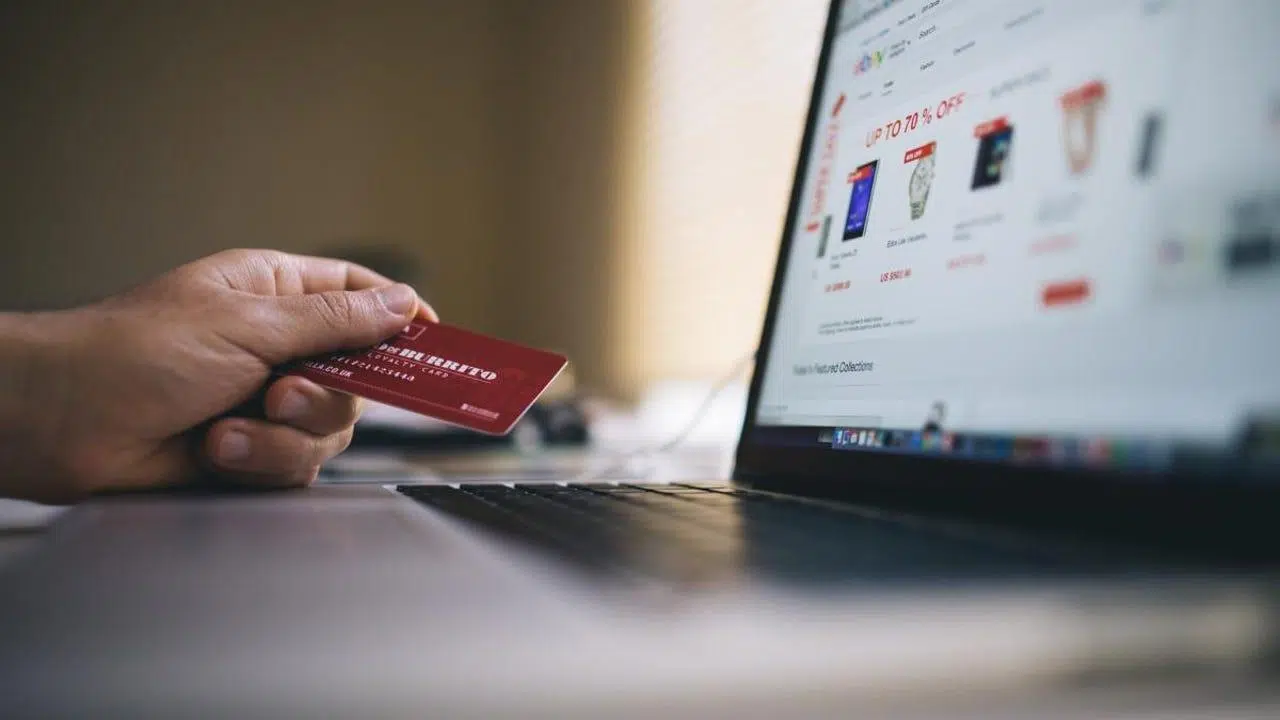
Online shopping has become as normal as going down to the corner store for bread, but Alongside the advantages of e-commerce, fake offers, impossible bargains, and ghost online stores have appeared. They're just trying to empty your account or steal your data. Scammers have perfected their techniques, and it's no longer enough to just look at whether a website seems "shady."
To move around with peace of mind, you need to know how to read the signs: Detect unrealistic prices, analyze URLs, review opinions, payment methods, and legal information. From any store, be it a traditional website, a social media ad, or an offer you receive by email or SMS. It's not about becoming paranoid, but about being cautious and using a little common sense before taking out your card.
Key signs to detect a fake online store
A fraudulent store usually leaves clues everywhere, even if it seems legitimate at first glance. A single clue is not enough to condemn a website as a scam, but several suspicious elements together are a clear red flag. and they should make you stop the purchase.
One of the first things to check is the contact information and company detailsIf the website doesn't display a physical address, corporate email, company name, or a verifiable tax identification number (CIF/NIF), it's time to be suspicious. Generic legal texts, copied from other websites, or texts that are inconsistent with the business activity are also a red flag.
Another obvious clue is the Prices too good to be trueDiscounts of 70% or 80% on top brands, limited-edition releases at rock-bottom prices, or products practically given away often conceal counterfeit, stolen, or simply nonexistent items. No one sells a high-end mobile phone at a 90% discount without a catch.
It is also important to look at the General appearance of the website: design, texts, translations and imagesWebsites riddled with spelling errors, poorly translated phrases, very basic templates, pixelated or repeated photographs across different products usually indicate that it is a cloned page or one hastily assembled to deceive.
Also check if there are broken sections or menus that always redirect to the homepageIn many fraudulent stores, the sections "about us", "shipping" or "terms and conditions" appear in the menu but do not lead to any real content, or they display texts that have nothing to do with the company.
Check the URL, domain, and technical security
An essential part of quickly analyzing any online store is to take a good look at the browser bar. The address must begin with https:// and display the padlock icon.This indicates that the connection is encrypted. If you only see http://, especially on the payment page, it's best to leave without entering any information.
In addition to the security of the protocol, it is necessary to analyze the domain name and its extensionScammers use addresses that mimic well-known brands by changing a letter, adding words like "outlet" or "official," or using unusual domains: examples such as nike-outlet-shop.net o zarashop-official.com They should put you on alert.
Place the cursor over the links in emails, ads, or messages you receive And check where they actually lead. Many phishing campaigns about supposed offers or problems with your account hide long URLs, with strange characters, or subdomains that have nothing to do with the brand they claim to represent.
Also keep in mind that a valid padlock or digital certificate They do not, on their own, guarantee that the store is legitimateThey only indicate that the communication is encrypted. Therefore, it's advisable to combine this technical verification with all other indicators: legal information, reviews, prices, and payment methods.
Legal information and data that every reliable store should display
Any online business that operates in a serious manner is required to display certain minimum information. If a store is transparent with its data, it will be much easier for you to verify its reliability. before making a purchase.
In Spain, for example, the regulations on information society services require that the website include Company name, tax identification number (NIF/CIF), address, email address and details of registration in the commercial register or in the relevant professional registry. If you can't find any of this or the information is unclear, be careful.
The following should also appear clearly: general terms and conditions, privacy policy and returns policyThis section explains how shipments are handled, delivery times, withdrawal rights, warranties, and after-sales service. Websites that hide this information or present it in convoluted language usually want to avoid complaints.
Some stores show online trust seals or certificationsThey can be a good sign, but they're not foolproof, as they can be counterfeited. To check if a seal is authentic, visit the website of the issuing organization and look up the business in their list of members.
If it involves regulated activities or sensitive sectors, such as financial services, online casinos, or professional advice, it becomes even more important to verify Titles, licenses and references in official bodiesIn the specific case of online gambling, it is advisable to compare bonuses and promotions on legitimate websites and not trust clandestine casinos that promise exorbitant prizes.
Impossible offers, urgency, and manipulation techniques
Cybercriminals know that what attracts us most when buying online is the price. That's why they abuse outrageous discounts, "today only" promotions, and messages that insist there are only a few units left.Everything is designed so you can buy without thinking.
If you see excessive discounts, free prizes, or gifts without any conditions, activate suspicion mode. No company gives away high-value products en masse without seeking a profit behind it.Whether it's money or personal data, that "bargain" could simply be bait to get you to insert your card or share sensitive information.
Another common trick is the use of Eye-catching headlines and misleading descriptions, typical clickbait They promise you something spectacular, but when you read the fine print, it has little to do with reality. This is seen in social media ads as well as emails from supposed brands or platforms.
During campaigns like Black Friday, Christmas or summer sales, things skyrocket. Fake emails and SMS messages claiming to be from banks, payment platforms, or well-known stores are on the rise.They warn you about problems with your account or promote exclusive deals. The goal is for you to click a link, download a file, or scan a QR code without questioning it.
When you notice that the message is pressuring you, making you feel like you're going to miss an opportunity, or scaring you with an account block, take a breather. Staying calm is your best defense: check the offer on the official website, enter the URL manually, or contact the entity directly. before doing anything.
We are increasingly buying through social media, and scammers know this well. On Instagram and Facebook, it's very easy to create a shop profile, upload nice photos, and start receiving money without sending anything.Therefore, extreme precautions must be taken.
Look first at the account name, profile age, and activityA newly created user with few followers, almost no posts, or a generic and strange name is highly likely to be unreliable. A legitimate store usually shows some history, varied content, and a reasonable flow of reviews.
It also analyzes the opinions and reactions in the postsIf the comments are all emojis, overly generic phrases, or suspiciously similar ones, they could be from bots or fake accounts created solely to inflate the store's reputation. A quick Google search adding words like "scam" or "fraud" to the store's name can provide very clear clues.
Another key point is the way they manage communication. Be wary of stores that only accept direct messages (DMs), don't provide a phone number, address, or website, and avoid giving details in writing. Regarding returns, shipping, or warranties, it's preferable to deal with retailers that redirect you to a secure shopping cart or well-known payment gateways.
Regarding product images, ask for real proof. If all the photos look like they were taken from a generic catalog, without any original images or short videosYou might be looking at a fake storefront. Requesting a current photo of the item or a short video often exposes many deceptive profiles.
Opinions, reviews and how to interpret online reputation
Reviews from other buyers can be very helpful, but they should be taken with a grain of salt. A store with no online presence, no reviews on Google, forums, or social media, is just as suspicious as one with only perfect ratings. and comments that are too similar to each other.
Before you rush to buy from an unknown website, ask your closest circle. Family members, friends, or colleagues may have already shopped there and can tell you about their experience.which provides a much more reliable view than any anonymous comment.
On review platforms, look at the variety of ratings and in the details that people provideIf all the reviews are five stars with very short, generic phrases, they could be bought or automatically generated. On the other hand, a flood of similar complaints about shipments that never arrive or defective products is a clear red flag.
Scammers also use fake reviews to sell products on marketplaces or to boost phantom stores. There are organized networks that create accounts solely to leave positive comments. and make it appear that the business has an activity that does not actually exist.
When in doubt, combine different sources: Look for the business name, domain, phone number, and company name.If you find warnings from official bodies, media outlets, specialized forums, or even the police, it's best to remove that store from your list.
Payment methods: which ones inspire confidence and which ones to avoid
The payment method offered by a store is one of the best indicators of its reliability. Legitimate websites usually offer several secure options, while fraudulent ones use methods that are difficult to trace. or without buyer protection.
As a general rule, be wary if they only allow you bank transfers, instant payments between individuals, or cryptocurrenciesIn case of fraud, recovering the money is very complicated, as they leave little room for claims or refunds.
Among the safest methods are the Cash on delivery, payment platforms (such as PayPal), and prepaid cards or electronic walletsCash on delivery allows you to inspect the package before paying for it; payment platforms act as intermediaries and offer dispute resolution mechanisms; and reloadable cards limit the exposure of your main account.
Credit or debit cards are very common and, when used properly, can be reasonably safe. It's advisable to activate them only for online purchases on trusted websites, frequently monitor transactions, and set up alerts. to detect suspicious charges as soon as possible.
If a seller insists that they only accept transfers to personal accounts, payments through strange links, or money transfers that are difficult to trace, it's best not to proceed. A store that refuses to offer recognized payment alternatives is putting all the cards in its favor and none in yours..
Related scams: messages, reservations, and surprise packages
Fake offers in online stores coexist with other scams that work in a similar way: they promise you something attractive or create a sense of urgency so that you act without verifying. Understanding these variations also helps you to be suspicious when a shopping website is behaving strangely..
Among the most widespread scams is the one about “son in distress” or another relative who has supposedly lost their mobile phone And they write from a new number requesting a quick transfer. The tone is always urgent, designed to prevent you from thinking. The solution is simple: call the usual number or another family member to confirm the situation.
Another fertile ground for fraud is the fake bookings for accommodations or holiday rentalsPerfect photos, ideal locations, and owners who claim to be abroad, but demand upfront payments outside the official platform. They often pressure you by claiming there are many interested parties and that if you don't pay immediately, you'll lose the opportunity.
There is also the phenomenon of the “surprise packages” or brushingThis is where you receive a cheap product at home that you didn't order. The goal isn't to give you anything for free, but to inflate fake reviews using your address or to create the appearance of activity on a fictitious website. This indicates that your data may be in leaked databases or for sale on the dark web.
When faced with these unexpected packages, the most prudent thing to do is not to interact with the QR codes, phone numbers, or links that appear on the label. Do not confirm the order on any website or "value" the purchasebecause you could further fuel the profile that criminals are creating about you.
Particularly vulnerable groups and protective habits
Although anyone can fall for a scam, some groups are more vulnerable. Older people, small businesses, and those less familiar with technology are often priority targets. of this type of fraud.
In the case of the elderly, criminals take advantage of their trust. They offer "help" at ATMs, call pretending to be from the bank or a technical service to request passwords and remote accessTelling them about these techniques, accompanying them when they need it, and reminding them that they should never give their passwords to anyone creates a very effective barrier.
The self-employed and SMEs, for their part, are exposed to Emails that mimic invoices, tax notices, digital certificate renewals, or supplier communicationsThe sheer volume of daily messages makes it easy for a fake one to go unnoticed. It's advisable to always check the sender, manually type the website address into your browser, and only use bank accounts and contacts saved in your address book.
Beyond specific cases, there are a number of general habits that significantly reduce the risk: Keep devices and applications updated, use strong and different passwords, and enable two-step authentication. and avoid connecting to online banking from public Wi-Fi networks.
Just as important is Be wary of links that ask for personal data, avoid installing apps from outside official stores, and use reliable security solutions. that detect phishing websites or clones of well-known stores. Technology, when used properly, can be an ally against these scams.
What to do if you've already fallen for an online scam
If, despite all precautions, you have fallen for a fake offer or entered data on a fraudulent website, all is not lost. Acting quickly can limit the damage and help you recover some of your money or prevent your data from being used further..
The first is Immediately change the passwords of the affected accountsStart by securing your email and bank accounts, and activate two-step verification if you haven't already. This makes it harder for criminals to access your accounts even if they've obtained your passwords.
Next, examine the transactions on your cards and bank accountsActivate alerts for any new charges and, if you see any suspicious transactions, contact your bank to block the cards and file a claim. In many cases, especially with payment platforms, there is some buyer protection available.
It is also important to gather all the evidence of what happened. It saves screenshots of websites, emails, SMS messages, social media ads, phone numbers, and addresses used.Note the dates and times you received the messages or made the purchase, as this information will be useful when filing a complaint.
Finally, consider filing a complaint with the police or through official websites specializing in internet fraud. Reporting the case not only helps in trying to recover your money, but also alerts others. if similar campaigns are detected using the same store or domain.
The reality of today's online commerce demands staying one step ahead of scams: Analyze prices and urgency, read the fine print, check the URL, compare reviews, and pay attention to payment methods. Turn an impulse purchase into an informed decision. With a few good verification habits, a healthy dose of skepticism towards unbelievable bargains, and the support of good security tools, it's perfectly possible to enjoy online deals without falling into the traps of fake stores.
Table of Contents
- Key signs to detect a fake online store
- Check the URL, domain, and technical security
- Legal information and data that every reliable store should display
- Impossible offers, urgency, and manipulation techniques
- Social networks, fake profiles, and shops on Instagram or Facebook
- Opinions, reviews and how to interpret online reputation
- Payment methods: which ones inspire confidence and which ones to avoid
- Related scams: messages, reservations, and surprise packages
- Particularly vulnerable groups and protective habits
- What to do if you've already fallen for an online scam