- Transition from code assistants to autonomous agents capable of planning and executing complex workflows.
- Critical importance of behavioral testing and human supervision to avoid the generation of inefficient or insecure code.
- The need to break down complex tasks into micro-goals to maximize AI effectiveness and avoid architectural errors.
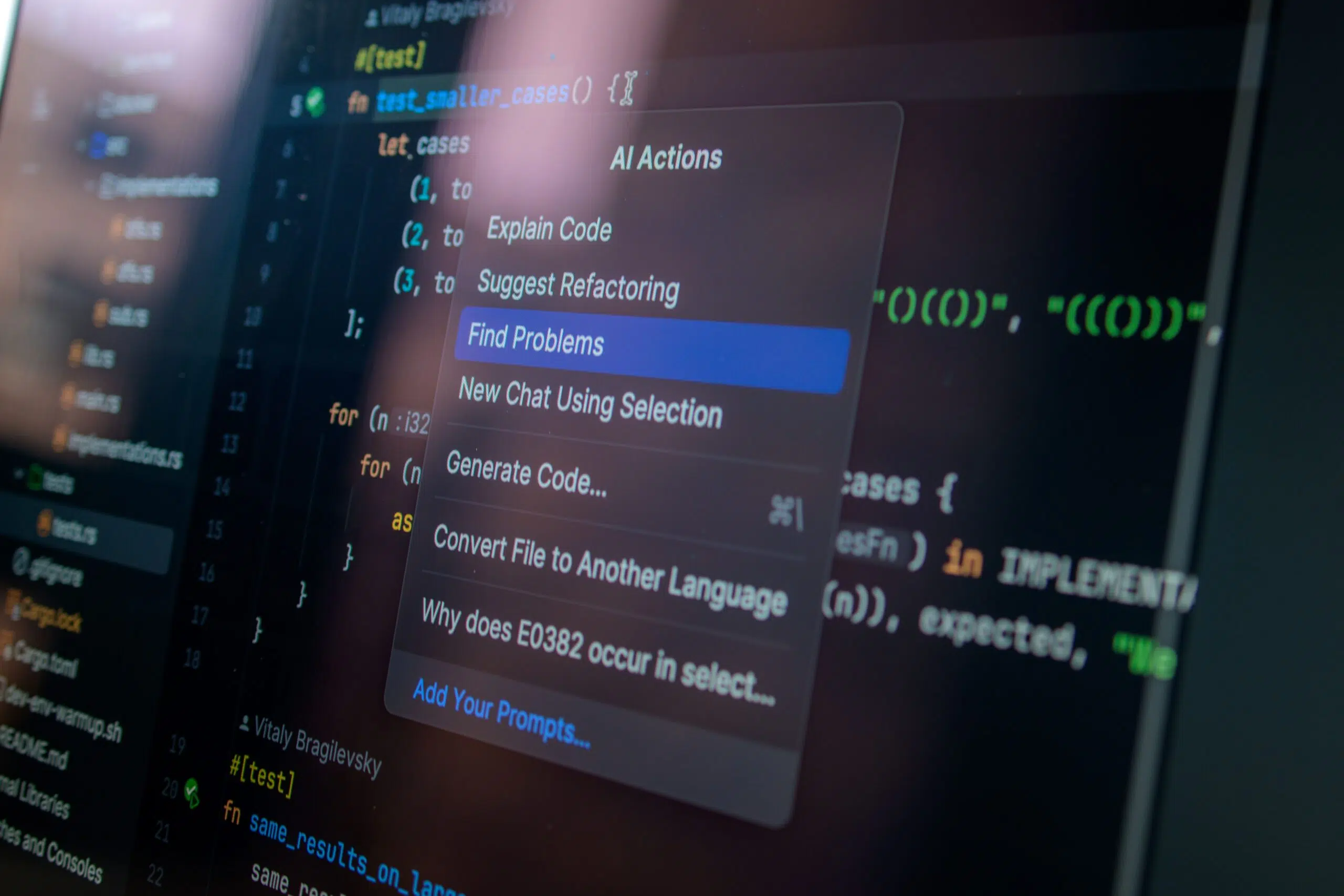
You've probably noticed that the world of software development is undergoing a radical transformation. We're no longer just talking about autocomplete suggestions that save us from typing a line, but a true revolution called agentic programming . Essentially, we're moving from having an assistant whisper the answer to us to having a digital contractor capable of autonomously planning, writing, and debugging code, managing files, and executing commands in the terminal while we oversee the architecture.
Although social media often claims that anyone can now set up a SaaS in an afternoon without knowing how to program, the reality is that technical expertise remains the determining factor. Agents are a powerful tool for boosting productivity, but without an engineer who knows where the pitfalls lie, the result can be a chaotic mess of inefficient code or, worse, riddled with security vulnerabilities . It's a shift in mindset: now the programmer acts more like an orchestra conductor than a musician playing each note.

What does agentic flow actually consist of?

Unlike conventional chatbots, coding agents operate at deeper levels of the development stack. They can navigate the file system , manage dependencies, and reason about entire repositories. If the agent writes a function that throws an error, it doesn't wait for the user to tell it what happened; it can read the error message , analyze the problem, and automatically apply a patch.
To leverage these capabilities, concepts like the Model Context Protocol (MCP) have emerged , allowing AI to connect with external tools (such as Notion or databases), along with the use of configuration files like AGENTS.md or CLAUDE.md. These documents act as a persistent instruction manual, instructing the agent on project rules, how to run tests, and what style conventions to follow to prevent it from improvising.

Lessons learned on the battlefield

When the cost of generating code falls to virtually zero, the development strategy must change. One of the keys is to implement to learn ; it no longer makes sense to spend weeks polishing a theoretical specification if you can release a rapid prototype that reveals problems you hadn't even imagined. In this environment, rebuilding is often a competitive advantage: you can try crazy experiments and discard them without remorse.
However, this speed comes at a price. Because the code is "cheap," the risk is generating what some call junk code or slop . To avoid this, it's vital to invest time in end-to-end testing . We don't need to test how the AI performs the task, but rather that the final product behaves as expected. The tests become the behavioral contract that gives us the freedom to regenerate the code without fear of breaking everything.
The limits of autonomy: where AI falters
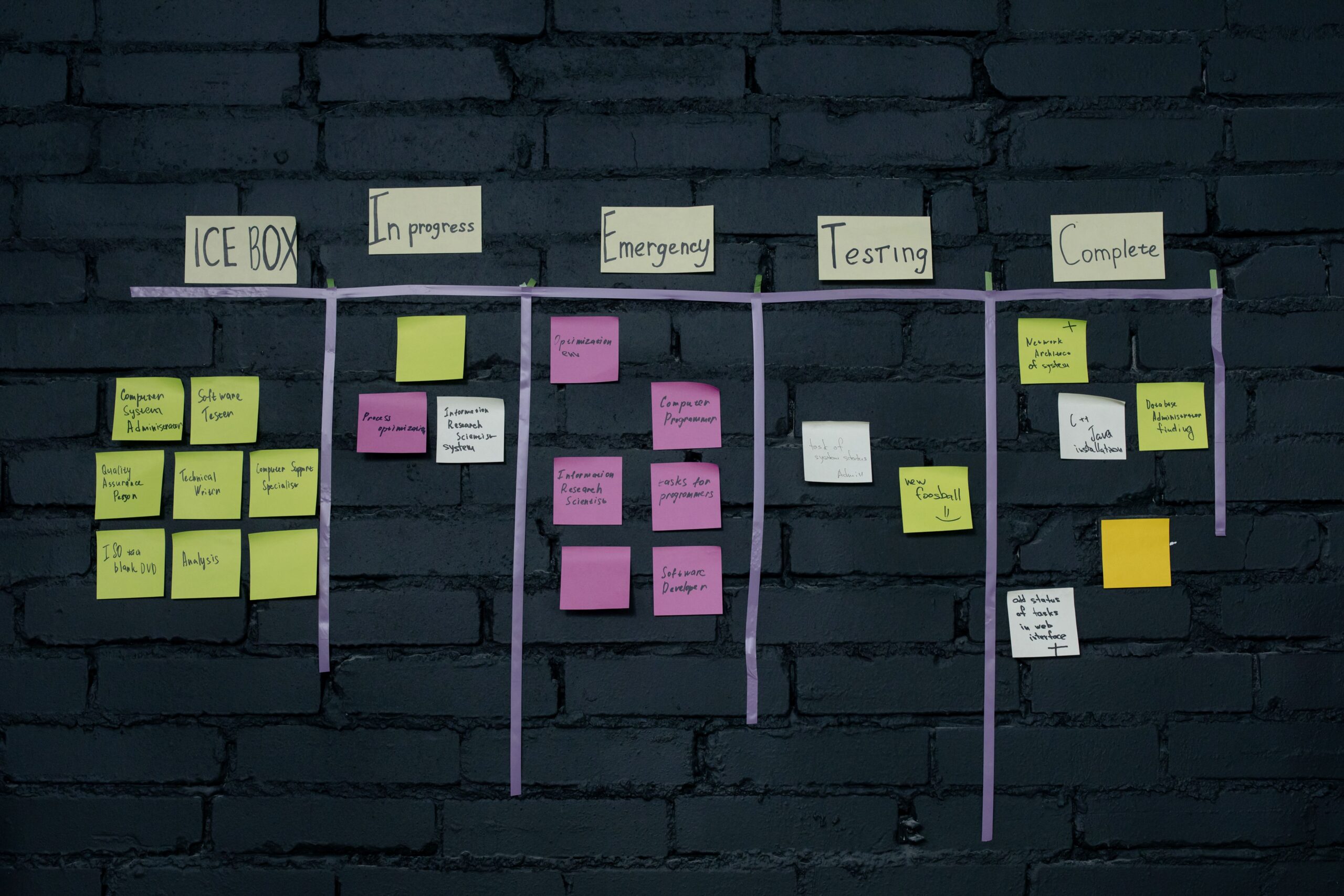
It's not all sunshine and rainbows. Real-world experience shows that product prompts (vague instructions like "make me a profile page") often fail spectacularly in complex projects. Agents tend to optimize the response to satisfy the latest prompt, losing sight of the overall architecture or ignoring critical requirements, such as the uniqueness of a field in the database, simply because the test failed and they decided to skip it.

Another weakness is handling highly specific infrastructure scenarios . For example, when deploying storage clients with complex protocols like SSE-C on Google Cloud Storage, agents can get stuck in error loops or attempt to downgrade a library version without permission. This is where domain knowledge makes all the difference: an expert can guide the agent to a solution in minutes, while someone without experience could spend days watching the AI get stuck in a vicious cycle.
Advanced strategies for engineers
To avoid burnout, the ideal approach is to break down tasks into small, manageable chunks. Overly large assignments generate unusable results, while those that are too small cause the overhead to outweigh the benefits. One effective technique is the use of specialized sub-agents : one dedicated solely to web research and another to type checking, thus preventing the main context from becoming overloaded with irrelevant information.
Furthermore, developing technical judgment or a good eye is crucial . In a world where AI churns out code at lightning speed, the only source of immediate feedback is the developer themselves. Knowing how to detect code odors and anticipate security vulnerabilities (such as XSS attacks when rendering URLs) is what separates a user of tools from a true software engineer.
Context and tool optimization
Context management is the real game. Because LLMs have a limited window, it's advisable to use context compression (summarizing the conversation) or restarting the chat for unrelated tasks. The llms.txt standard is also very useful , providing dense and efficient documentation so the AI doesn't have to read noisy HTML pages.
As for tools, options like Cursor or Claude Code are leading the way, allowing for seamless integration with the IDE. The ability to run code in isolated environments like Docker containers enables YOLO mode (running without manual commitment), accelerating delivery as long as a strict code review discipline is maintained afterward.
Agentic programming doesn't eliminate the programmer; rather, it elevates their role toward orchestration and system design. While implementation speed has grown exponentially, the responsibility for maintenance, security, and architecture rests more heavily on humans than ever before. Ultimately, the combination of strong technical intuition with the ability to delegate mechanical implementation to autonomous agents creates an unbeatable competitive advantage in modern development.