- Detailed study of the OSI and TCP/IP models along with IPv4 and IPv6 addressing management.
- Configuration and deployment of critical hardware such as routers, switches, and various transmission media.
- Implementation of essential network services, monitoring using SNMP and security protocols.
- Methodologies for network lifecycle management and effective incident resolution.
If you've ever wondered how a message arrives on your phone in milliseconds or how the offices of a large company stay connected, it's because behind the scenes there's a whole world of invisible infrastructure. Delving into the world of computer networks is essentially about learning the language machines speak so that the internet and intranets don't crash and run smoothly.
Whether you're looking for a career boost to enhance your resume or you're simply passionate about the tech world, mastering connectivity and communication protocols is a sure bet. It's not just about connecting cables, but about understanding the architecture that underpins the global flow of data, from configuring a simple router to managing complex and secure networks.
The pillars of communication: Models and Protocols
To avoid getting lost in this labyrinth of data, the first step is to understand the reference frameworks. The OSI model and the TCP/IP stack are the essential roadmaps; while the former is more theoretical and divides communication into seven layers, the latter is what actually makes the internet work. This is where concepts like the IP datagram and the TCP segment come into play, allowing information to travel in packets and reach its destination without errors.
In this regard, it's crucial to differentiate between IPv4 and IPv6 addressing . While IPv4 has become insufficient due to the explosion of connected devices, IPv6 arrives to save us with a virtually infinite address space. Furthermore, to optimize traffic, subnetting is used , which allows networks to be divided into smaller, more manageable subnets, preventing traffic from becoming chaotic.
Hardware and interconnection components
It's not all about software; the hardware is what does the dirty work. To set up a network, you need to know how to choose between different devices depending on your needs. Hubs and repeaters are almost obsolete, while switches and routers are the real stars. The former manage communication within a local area network (LAN), and the latter are responsible for routing traffic between different networks, acting as a bridge to the outside world.
There are different types of network architectures depending on geographic coverage. We have LANs for small areas, MANs for metropolitan areas, and WANs to connect cities or continents. As for the physical medium, the choice varies between coaxial cable, twisted pair, or fiber optic cable , with the latter being the undisputed leader in speed and stability, although Wi-Fi and wireless access points give us the freedom we need today.
Critical services and application-level management
For a network to be useful, it needs services that make life easier for the user. The Domain Name System (DNS) is the translator that converts names like google.com into IP addresses, while DHCP automatically assigns addresses to devices so we don't have to do it manually. Proxy servers also play a key role, acting as intermediaries to improve security and performance.
At the management level, it's not enough for the network to simply function; it must be monitored. Protocols like SNMP allow you to monitor the status of equipment and receive alerts (traps) when something goes wrong. Advanced monitoring tools and performance metric analysis help administrators anticipate problems and perform preventative maintenance, preventing the system from crashing at the worst possible moment.
Security and incident resolution
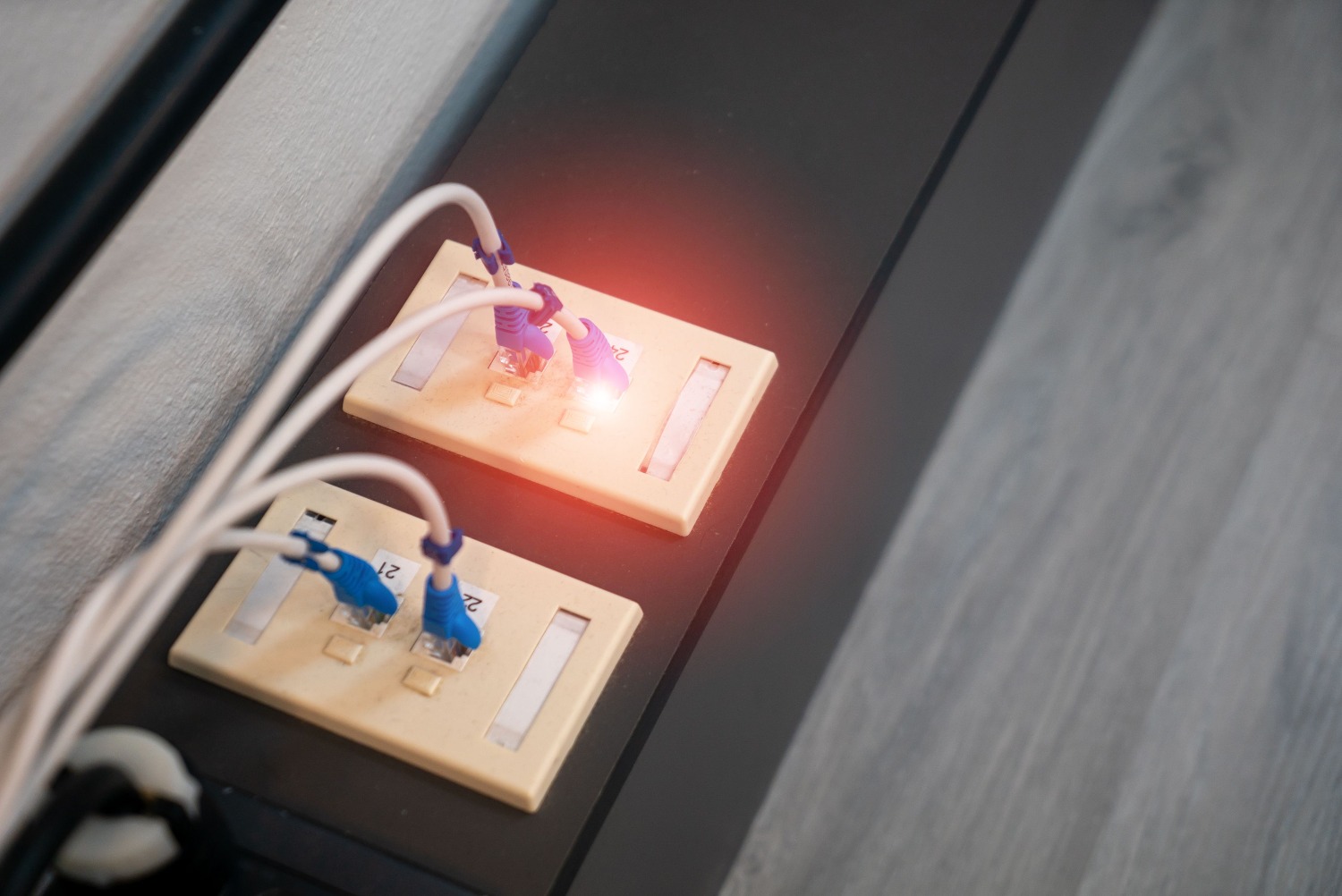
In a world rife with cyberattacks, protecting infrastructure is a top priority. Implementing firewalls and perimeter security measures is essential to blocking external threats. It's not just about setting a password, but about managing security at every layer of the network model and ensuring that only authorized traffic has access to critical company resources.
When things go wrong, incident management comes into play. This involves a structured workflow: from identifying and analyzing the fault to its final resolution using specialized diagnostic software. Knowing how to manage a network's lifecycle, from initial design to maintenance and troubleshooting, is what distinguishes an average technician from a telematics network expert.
Mastering everything from the most basic concepts of connectivity and cabling to complex service management and cybersecurity allows you to build a solid technical foundation. This comprehensive training not only enables you to configure routers and switches, but also prepares you to optimize the performance of any digital infrastructure and ensure that data flows efficiently and securely in any work environment.
FAQ
What exactly do you learn in a networking course?
The course covers connectivity principles, protocols such as TCP/IP, the OSI model, and the configuration of devices like routers and switches. It also includes IP address management and the application of security measures.
What is the difference between IPv4 and IPv6 in the context of networking?
IPv4 is the old standard with a limited number of addresses, while IPv6 is the evolution designed to offer a massive number of IP addresses for all current devices.
What is the purpose of the SNMP protocol in network management?
SNMP is used for network monitoring, allowing you to monitor the status of equipment, manage configuration, and receive automatic alerts about potential failures.
Which hardware devices are essential to learn how to configure?
It is essential to master the configuration of routers for traffic routing and switches for local network management, as well as to know about wireless access points and VLANs.
What do DNS and DHCP services consist of?
DNS translates domain names into machine-readable IP addresses, while DHCP automatically assigns these addresses to devices that connect to the network.
How are incidents managed in a professional network?
A process is followed that includes identifying the problem, analyzing it using diagnostic tools, and applying solutions based on good maintenance practices.
