- Selecting the right database model is key to the success of a digital project.
- The most common models include relational, object-oriented, hierarchical, network, and document models.
- Factors such as scalability, performance and security are crucial in choosing the model.
- The trend toward multi-model databases and the use of artificial intelligence is constantly growing.
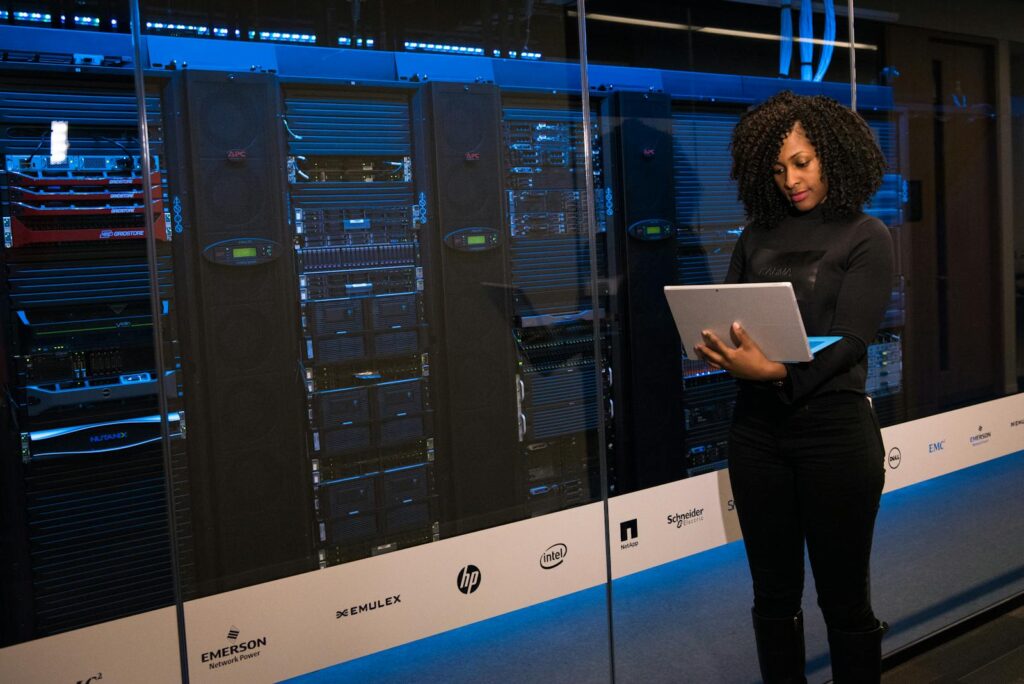
In today's digital world, efficient information management is crucial to the success of any project. The database model you choose can make the difference between an agile system and one that falls short. This article will guide you through the key aspects of selecting the ideal model, considering everything from SQL databases to options like Microsoft Access.
Database Model: How to choose the best one for your project
Database Model: Essential Fundamentals
The database model is the logical structure that determines how information is organized and accessed. It is the heart of any data management system, whether for a small business or a multinational corporation.
The most common models include:
- Relational: Organizes data into interrelated tables.
- Object-oriented: It represents information as objects, similar to object-oriented programming.
- Hierarchical: Structures the data in the form of a tree.
- From the network: Similar to hierarchical, but allows for more complex relationships.
- Documentary: Ideal for unstructured data, such as in MongoDB.
Each of these models has its strengths and weaknesses. For example, SQL databases, which use the relational model, are excellent for structured data and complex relationships. On the other hand, document databases are more flexible for changing or poorly structured data.
Key Factors for Choosing the Model
Nature of the Data
The nature of your data is paramount when choosing a database model. Is it highly structured or rather flexible and changing? For structured data with clear relationships, a relational model such as that used in SQL databases might be ideal. If you deal with documents or semi-structured data, a document database might be more appropriate.
Scalability and Performance
Will your project need to handle large volumes of data in the future? Scalability is crucial. Some databases, such as NoSQL databases, are known for their ability to scale horizontally, making them ideal for projects that expect rapid growth.
Consistency and Availability
The CAP (Consistency, Availability, Partition Tolerance) theorem is fundamental to the choice of model. Some databases prioritize consistency, ensuring that all nodes have the same data at all times, while others may sacrifice some consistency in favor of higher availability.
Query Complexity
If your project requires complex queries and frequent joins, relational databases such as those that use SQL would be more suitable. For simpler or document-based operations, a NoSQL database might offer better performance.
Budget and Resources
Cost and available resources also influence the choice. Some options, such as Microsoft Access , are inexpensive and easy to implement for small projects, while more robust systems like Oracle may require a significant investment.
Analysis of Popular Models
Relational Model and SQL
SQL databases, such as MySQL or PostgreSQL, are the backbone of many systems. They offer:
- data integrity: They ensure consistency through constraints and relationships.
- ACID Transactions: Ensure reliability in critical operations.
- Complex queries: They allow sophisticated joins and aggregations.
However, they may face scalability challenges in big data environments.
NoSQL and Documentary Models
Databases like MongoDB offer:
- Flexibility: Dynamic schemas for changing data.
- Horizontal scalability: Easy distribution across multiple servers.
- High performance: Especially in simple read/write operations.
However, they may sacrifice some consistency features compared to relational databases.
In-Memory Databases
Systems like Redis are great for:
- Extreme speed: Ultra-fast operations by keeping data in RAM.
- Cache: Ideal as a cache layer to improve application performance.
However, they have limitations in terms of persistence and the volume of data they can handle.
Specific Use Cases
E-commerce and Database Model
For an e-commerce site, a hybrid model might be ideal. Using SQL databases for transaction and customer data, supplemented by a document database for the product catalog, could offer the best of both worlds.
Mobile Apps and Synchronization
In mobile app development , databases that offer offline-online synchronization, such as Realm or Firebase, can be crucial for a smooth user experience.
Big data analytics
For projects involving big data analysis, systems like Hadoop or Cassandra, which can distribute processing and storage across clusters, are often the preferred choice.

Tools and Platforms
Microsoft Access: When to Use It?
Microsoft Access is a viable option for:
- Small businesses with limited database needs.
- Rapid prototyping of database applications.
- Projects that require a user interface integrated with the database.
However, for larger projects or those requiring concurrent access from multiple users, more robust options such as SQL Server would be more appropriate.
Cloud Databases
Platforms like Amazon RDS or Google Cloud SQL offer:
- Scalability: Ability to grow according to demand.
- Reduced maintenance: The platform takes care of updates and maintenance.
- High availability: Automatic replication and backups.
These solutions can be ideal for startups or companies looking to reduce operational burden.
Security Considerations
Security is a critical aspect when choosing a database model. Consider:
- Encryption: Both at rest and in transit.
- Authentication and authorization: Granular access controls.
- Audit: Ability to track and record access and changes.
SQL databases generally offer more mature security features, but NoSQL solutions are quickly closing this gap.
Migration and Compatibility
When choosing a database model, consider the possibility of future migration:
- How easy will it be to export your data if you need to change systems?
- Is the chosen model compatible with other tools and platforms you might need in the future?
For example, SQL databases offer great interoperability, while some NoSQL systems may have more proprietary formats.
Future Trends in Database Models
The database landscape is constantly evolving. Some trends to consider include:
- Multi-model databases: They combine different paradigms in a single system.
- Graph databases: Ideal for highly interconnected data.
- Integrated artificial intelligence and machine learning: For predictive analytics and natural language processing.
Staying on top of these trends can help you choose a model that not only meets your current needs, but is also future-proof.
FAQ: Database Models: How to choose the best one for your project
What is the main difference between SQL and NoSQL databases? SQL databases use a predefined schema and are based on related tables, while NoSQL databases are more flexible in their structure and can handle unstructured data more easily.
Is Microsoft Access suitable for large enterprise projects? Microsoft Access is best suited for small to medium-sized projects. For large enterprise projects, more robust systems like SQL Server or Oracle are recommended.
Which database model is best for scalable web applications? For highly scalable web applications, NoSQL models like MongoDB or Cassandra are often preferred due to their ability to scale horizontally.
How does the database model affect application performance? The database model can significantly impact performance. For example, relational databases excel at complex queries, while NoSQL databases can offer better performance for simple, large-scale read/write operations.
Can I combine different database models in a single project? Yes, many modern applications use a polyglot database architecture, combining different models to leverage the strengths of each in different aspects of the project.
What security considerations should I have when choosing a database model? Consider data encryption, access controls, strong authentication, and auditing capabilities. Also, evaluate the specific security features offered by each database management system.
Conclusion: Database Model: How to choose the best one for your project
Choosing the right database model is critical to the success of your project. From traditional SQL databases to more modern solutions such as document or in-memory databases, each model has its own strengths and ideal use cases.
By considering factors such as the nature of your data, scalability requirements, budget, and security needs, you can make an informed decision that supports your project’s long-term goals. Remember that flexibility and adaptability are key in an ever-evolving technology landscape.
Whether you opt for a traditional solution like Microsoft Access for a small project, or lean toward a distributed database to manage big data, the important thing is to align your choice with the specific needs of your project and your vision for the future.