- DeepSeek R1 is a Chinese open-source AI model that offers competitive performance against leaders like OpenAI and NVIDIA.
- Developed with $5,6 million and trained in two months, it uses 'Expert Mix' to optimize for limited hardware.
- Its launch caused stock market declines in technology companies and calls into question the need for multi-million dollar investments in hardware.
- MIT licensing and openness foster global collaboration, democratize access, and raise geopolitical implications regarding sanctions and technological leadership.
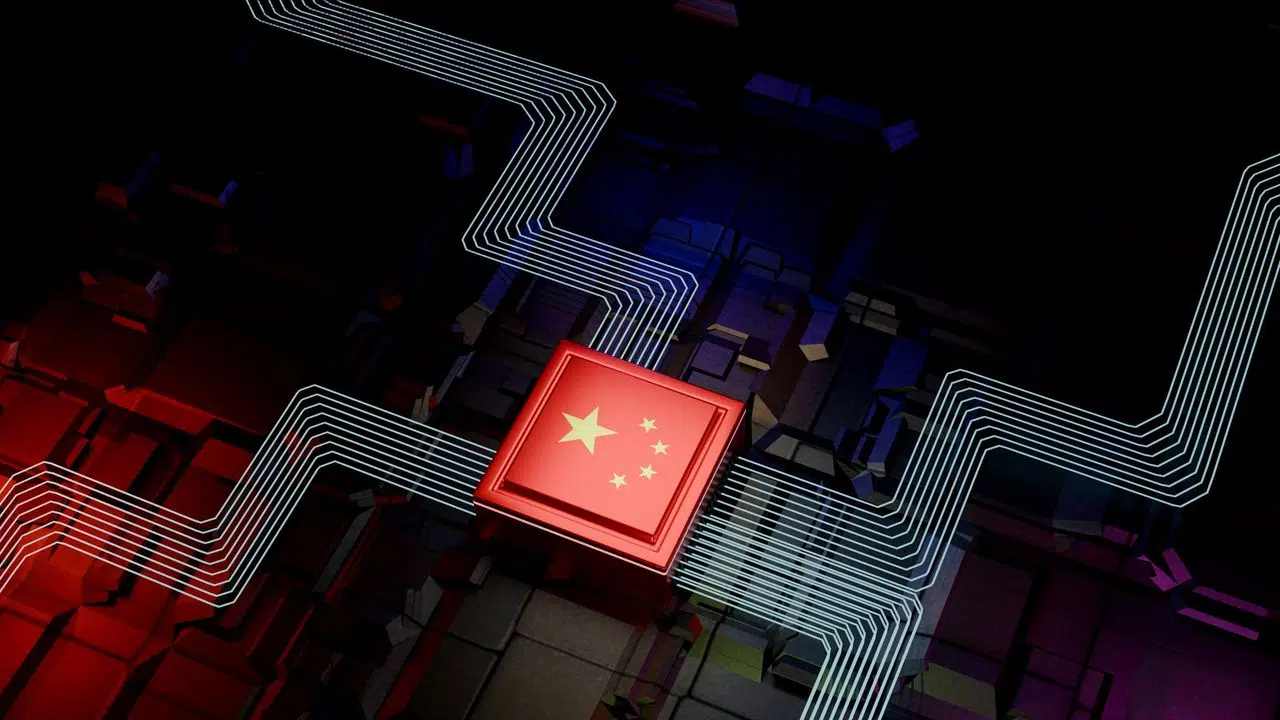
DeepSeek R1 has burst onto the international scene as an artificial intelligence model that is revolutionizing both the technology sector and financial markets. This development, driven by the Chinese startup DeepSeek , combines innovation with accessibility, positioning itself as a viable alternative to giants like OpenAI and NVIDIA. What stands out about this model is not only its technical efficiency, but also its open-source approach and its ability to deliver performance comparable to market leaders at a fraction of the usual cost.
With a budget of just $5,6 million and trained in only two months, DeepSeek R1 has demonstrated that technological advancements don't always require astronomical investments. This model employs techniques like "Expert Mixing" to optimize hardware usage , achieving high performance even with limited resources. In an environment marked by trade restrictions and sanctions that limit access to advanced chips, the success of DeepSeek R1 underscores the importance of efficiency and strategy over resource scale.
The impact of DeepSeek R1 on financial markets

The launch of DeepSeek R1 has not only captured the attention of the tech community but has also sent shockwaves through financial markets. Companies like NVIDIA have experienced drops of over 10% in their stock value, dragging down other Western companies in the AI industry. The Nasdaq index, a leading technology benchmark, has also seen a significant decline, impacting key sectors in both Asia and Europe.
The model calls into question the sustainability of the multi-billion dollar investments in hardware made by giants like OpenAI and Microsoft . While OpenAI invested over $5 billion in 2024, DeepSeek achieved comparable results with a significantly smaller budget. This has led investors to question the necessity of such high expenditures, which could mark a turning point in how artificial intelligence is developed and funded in the future.
An open source revolution

DeepSeek R1 clearly distinguishes itself from its Western competitors thanks to its open-source approach . Licensed under the MIT license, this model allows researchers and developers worldwide to access, modify, and reuse its structure, fostering unprecedented global collaboration in the AI sector.
This approach not only democratizes access to advanced technologies but also lowers barriers for small businesses and individual developers, and brings the risks and threats of AI to the forefront . Furthermore, it highlights a growing trend toward transparency in a field historically dominated by closed and highly patented models. Experts like Yann LeCun have emphasized how this openness could represent the future of artificial intelligence, moving away from proprietary models in favor of more inclusive and sustainable development.
DeepSeek R1 Technical Features
The DeepSeek R1 model employs techniques such as reinforcement learning and hardware optimization using limited GPUs, such as the NVIDIA H800, specifically designed for the Chinese market. These practices allow it to achieve results comparable to American models like OpenAI, but at a fraction of the cost. Its main features include:
- Scalability and efficiency: It can be trained with less data and resources, reducing costs dramatically.
- Accessible model: Its open source structure makes it available to any interested user or company.
- Competitive price: Roughly 10 cents per million tokens, compared to OpenAI's $15.
Geopolitical and future implications
The DeepSeek R1 breakthrough also has significant geopolitical implications . China's ability to develop such a competitive model using limited hardware demonstrates that US sanctions have not been as effective as anticipated. In fact, these restrictions appear to have acted as a catalyst for Chinese innovation, forcing startups to seek more efficient and cost-effective approaches.
On the other hand, DeepSeek's growing influence poses challenges to Western technological dominance in the field of artificial intelligence. More efficient models like R1 could be game-changers, forcing Western companies to rethink their strategies and technological sovereignty in order to remain competitive.
DeepSeek R1 is not just a model of AI; it is a symbol of how innovation can thrive even in adverse conditions. Its accessible and efficient approach is redefining the future of artificial intelligence, ushering in a new era in which technology becomes more inclusive and democratic.
