- DJI drones offer exceptional image quality thanks to their advanced sensors and stabilization systems.
- Ease of use and intuitive controls, ideal for beginners and professional photographers.
- Versatility in a variety of applications, from landscapes to special events.
- Software innovations that simplify editing and improve the user experience.
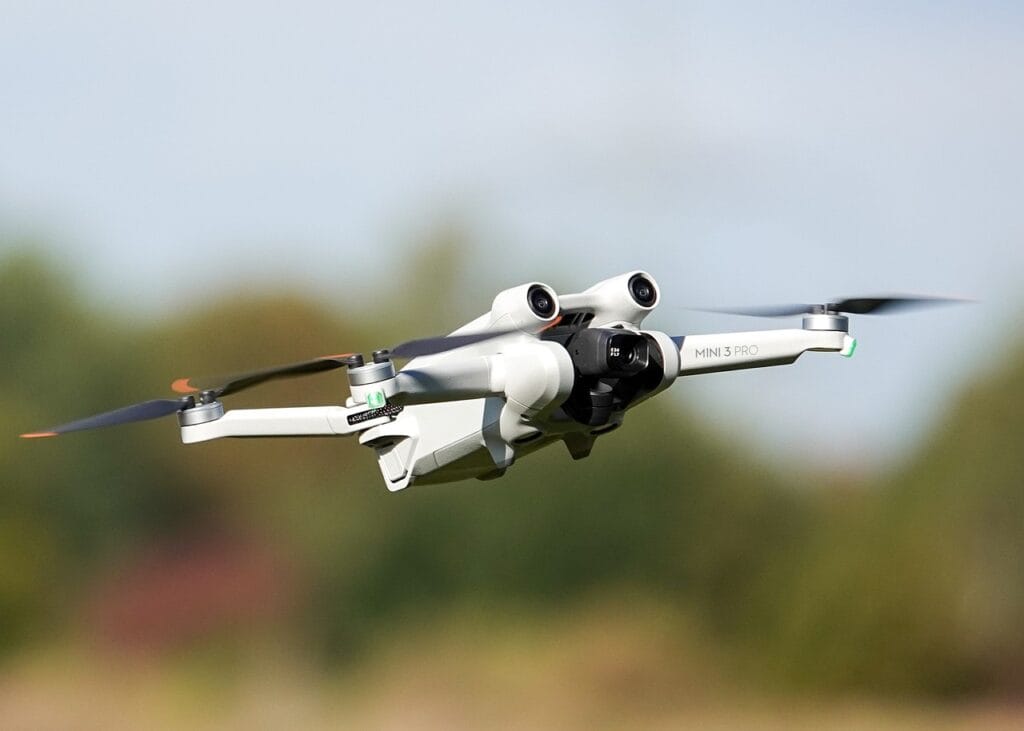
5 reasons why DJI drones are changing photography thanks to their advantages in aerial capture
Introduction
Photography has undergone a radical transformation in recent years, and much of this change is due to the arrival of camera drones . Among the brands leading this revolution, DJI stands out as a true pioneer. This article precisely dissects the five fundamental reasons why DJI drones are redefining the landscape of modern photography. From image quality to accessibility, these innovations are opening up new creative possibilities for professional and amateur photographers alike.
DJI Drones: Revolutionizing Aerial Photography
DJI drones have transformed the way we capture the world from the air. But what exactly are drones , and why have they caused such a stir in the world of photography? Essentially, they are unmanned aerial vehicles equipped with high-quality cameras, capable of capturing images and videos from previously inaccessible perspectives.
DJI, a Chinese company founded in 2006, has become the undisputed market leader in consumer and professional drones. Its success lies in the combination of cutting-edge technology, intuitive design, and a constant focus on innovation. Let’s now look at the specific reasons why these devices are changing the rules of the game in photography.
Reason 1: Unprecedented image quality
The first and perhaps most striking reason why DJI drones are revolutionizing photography is the image quality they offer. This quality is due to two main factors: state-of-the-art sensors and advanced stabilization systems.
state-of-the-art sensors
DJI's camera drones incorporate high-end image sensors that rival those of professional DSLR cameras. For example, the DJI Mavic 3 Pro features a 4/3-inch Hasselblad sensor capable of capturing 20-megapixel images and 5.1K video. This image quality was unthinkable in drones just a few years ago.
What does this mean for photographers? Crisp images, with exceptional dynamic range and superior low-light performance. Photographers can now capture intricate details of landscapes, architecture and events from previously impossible angles – all with a quality that satisfies even the most demanding clients.
Advanced stabilization
Stabilization is crucial in aerial photography, and this is where DJI drones truly shine. They use a combination of mechanical (gimbals) and electronic stabilization to ensure smooth, sharp images and videos, even in challenging flight conditions.
The 3-axis stabilization system found in most DJI models compensates for drone movement in real time, allowing for longer exposures and cinematic, shake-free video. This has opened up a whole new world of creative possibilities, from aerial night photography to smooth video footage that previously required much more expensive and complex equipment.

Reason 2: Accessibility and ease of use
The second reason DJI drones are changing the game is their accessibility and ease of use. DJI has succeeded in making aerial photography accessible to a much wider audience, from enthusiasts to seasoned professionals.
Intuitive controls
DJI drone controls are surprisingly intuitive, even for beginners. Remote controllers are ergonomically designed and connect to smartphones or tablets to provide a real-time view of what the drone’s camera sees. This user-friendly interface significantly reduces the learning curve, allowing photographers to focus on composition and creativity rather than struggling with complicated controls.
Additionally, features like automatic return-to-home and obstacle sensors make flying these drones safer and less stressful, especially for new pilots. This means that photographers can venture out to capture aerial shots with confidence, even if they have little experience in drone flying.
Automatic flight modes
One of DJI’s most impressive innovations is its automatic flight modes. These modes allow photographers to capture complex shots with just a few taps on the screen. For example:
- ActiveTrack mode allows the drone to automatically follow a moving subject, maintaining the perfect frame.
- Hyperlapse mode creates stunning aerial time-lapse videos with smooth drone movement.
- Panorama mode automatically captures and stitches multiple images to create 360-degree panoramas.
These automatic modes not only simplify the capture of complex images, but also inspire photographers to experiment with new techniques and perspectives that were previously difficult or impossible to achieve.
Reason 3: Versatility in various scenarios
The third reason DJI drones are revolutionizing photography is their incredible versatility. These devices have proven to be invaluable tools in a wide range of photographic scenarios, from capturing majestic natural landscapes to documenting special events.
Landscape photography
In the realm of landscape photography, DJI camera drones have opened up a whole new world of possibilities. Now, photographers can capture spectacular aerial views that previously required helicopters or airplanes, at a fraction of the cost and with far greater flexibility.
Imagine being able to soar over an autumn forest to capture the mosaic of colours from above, or fly over a coastal cliff to get a unique perspective of waves crashing against the rocks. DJI drones allow photographers to explore and capture the beauty of nature from angles that the human eye rarely has the privilege of witnessing.
Plus, the portability of models like the DJI Mavic Air 2 means that landscape photographers can easily bring a drone on expeditions, adding a new dimension to their toolkit without excessive weight.
Events and special occasions
In the field of event photography, DJI drones have revolutionized the way we capture special moments. Weddings, concerts, sporting events, and even film productions have benefited enormously from this technology.
For example, at a wedding, a drone can capture a stunning aerial view of the ceremony or reception, adding a dramatic and memorable element to event photographs. At sporting events, drones can follow the action from above, offering unique perspectives that complement ground-level shots.
The versatility of these drones also extends to more specialized applications. Architects and real estate agents use DJI drones to capture aerial images of properties and construction projects. Conservationists employ them to monitor wildlife and changes in ecosystems. Even in journalism, DJI drones have become an essential tool for news coverage and documentaries.
Reason 4: Innovations in software and editing
The fourth reason why DJI drones are changing the landscape of photography lies in the realm of software and editing. DJI has not only revolutionized drone hardware, but has also developed a software ecosystem that significantly expands photographers' creative capabilities.
Integrated mobile apps
DJI has created a suite of mobile apps that integrate seamlessly with its drones, offering a seamless workflow from capturing to editing and sharing content. The DJI Fly app, for example, not only allows you to control the drone and adjust camera settings, but also offers basic editing tools right on your mobile device.
These apps allow photographers to:
- Adjust flight and camera parameters in real time
- Watch a high-quality live stream from the drone camera
- Access integrated flight guides and tutorials
- Edit and share photos and videos directly from the field
The integration of these apps means that photographers can capture, edit and share high-quality content without needing to transfer files to a computer, greatly streamlining the creative process.
Reason 5: Improved durability and performance
The fifth and final reason why DJI drones are revolutionizing photography relates to their improved durability and superior performance. These advancements have significantly expanded the boundaries of what's possible in aerial photography.
Resistance to adverse conditions
DJI's latest drone models are designed to operate in a variety of challenging weather conditions. Many models feature water and dust resistance ratings, allowing photographers to capture images in environments that were previously prohibitive for drones.
For example, the DJI Mavic 3 can operate in temperatures ranging from -10°C to 40°C, and can withstand winds of up to 12 m/s. This means photographers can get stunning aerial shots in a wide range of conditions, from dusty deserts to windy coastlines.
Additionally, the rugged construction of these drones makes them more resistant to minor bumps and drops, reducing the risk of damage during transport or use in the field. This is particularly important for photographers working in remote locations or in harsh conditions.
Greater flight autonomy
One of the most significant advancements in DJI drones has been the increase in battery life and, consequently, flight time. The latest models can stay airborne for 30 minutes or more on a single charge, giving photographers more time to compose and capture the perfect shots.
This increased flight range, combined with the ability to fly at higher altitudes and distances, allows photographers to explore and capture previously inaccessible locations. Whether soaring over a remote canyon or capturing the sunrise over a mountain range, DJI drones offer the freedom to explore and create without the time constraints that previously restricted aerial photography.
Additionally, many DJI models now include intelligent batteries that provide accurate information on remaining flight time and optimize their performance based on environmental conditions. This helps photographers plan their shoots more efficiently and reduces the risk of the drone running out of power mid-flight.