- Acetone is the ideal solvent for ABS and ASA, but it is ineffective and potentially harmful to PLA.
- There are mechanical and chemical alternatives such as progressive sanding, ethyl acetate vapor, or epoxy coatings.
- Proper post-processing not only improves aesthetics by removing layer lines, but can also optimize structural strength.
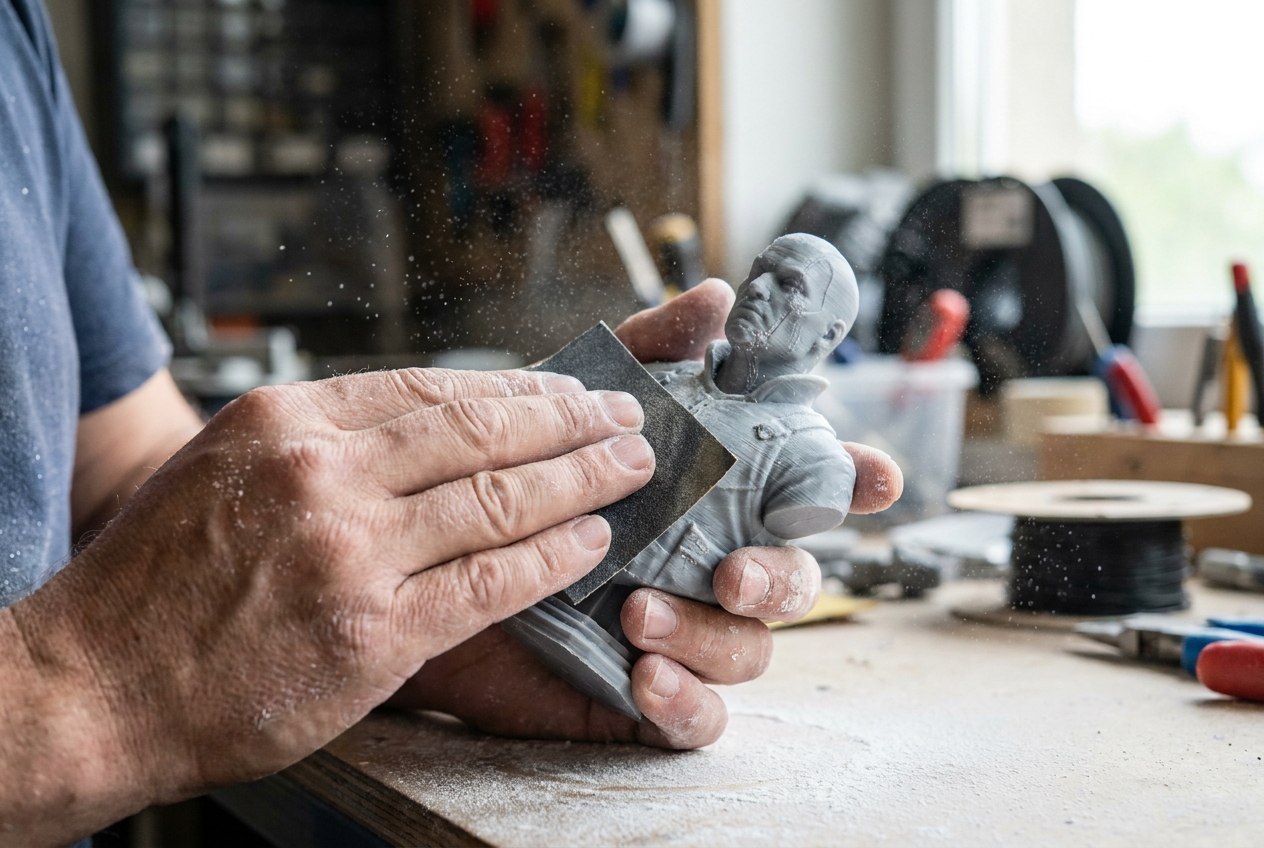
I'm sure it's happened to you: you finish a print that looks great geometrically, but upon closer inspection, those typical horizontal lines from the layering process drive you crazy. Achieving that "mirror-like" or professional finish, similar to that of injection-molded parts, is the holy grail for any maker who wants their projects to be more than just prototypes.
The first thing that usually comes to mind is pouring acetone on everything, but be careful, this is where many people go wrong. Not all plastics react the same way, and if you're not careful, you can turn your piece into a puddle of melted plastic or leave it with an unsightly, whitish appearance. To avoid going in blind, let's break down what actually works depending on the material you're using and how to do it without putting your health or your workshop at risk.
The world of chemical hair straightening: Acetone, ABS and ASA
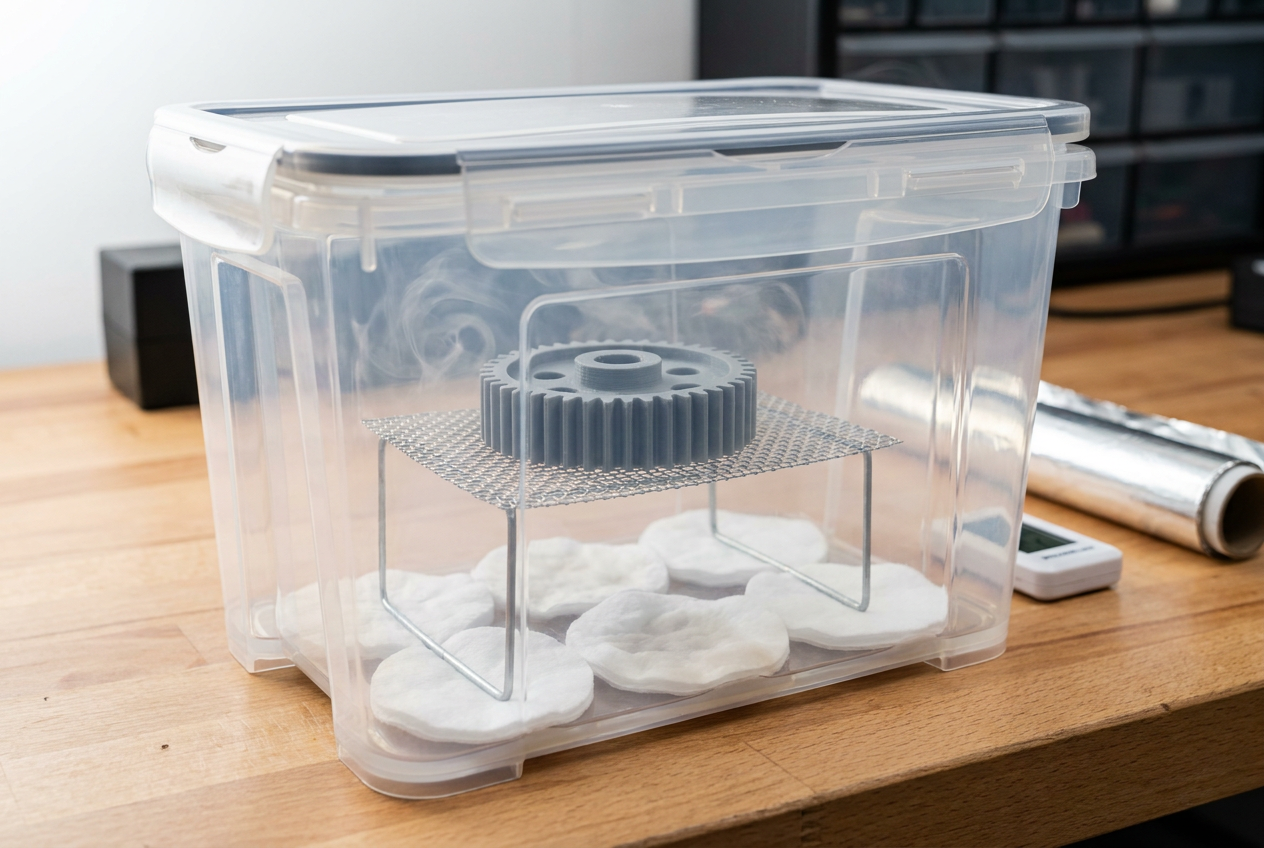
If you're working with ABS or ASA , you're in luck, because these materials are acetone's best friends. This organic solvent can melt the plastic's surface layer, making lines disappear and leaving a spectacular shine . The process involves exposing the piece to the vapors, as immersing it directly is usually a bad idea that deforms the model and creates bubbles.
To do this properly, it's best to set up a smoothing box . You can use a polypropylene container (which won't dissolve in acetone) and place the piece on a raised platform, such as a sheet of steel, so it doesn't touch the liquid. The simplest method is to soak paper towels in acetone and place them around the edges, but if you want to go a step further, you can use a small fan to circulate the fumes or very gently heat the base (always with extreme caution) to speed up the process.
It's crucial not to seal the box airtight to prevent pressure buildup and the risk of explosion. Also, once you've removed the piece, don't touch it immediately; the plastic will remain soft and sticky for quite some time. Let it sit for a few hours so the solvent evaporates completely and fingerprints aren't left on the surface.
The PLA dilemma: Does acetone work?
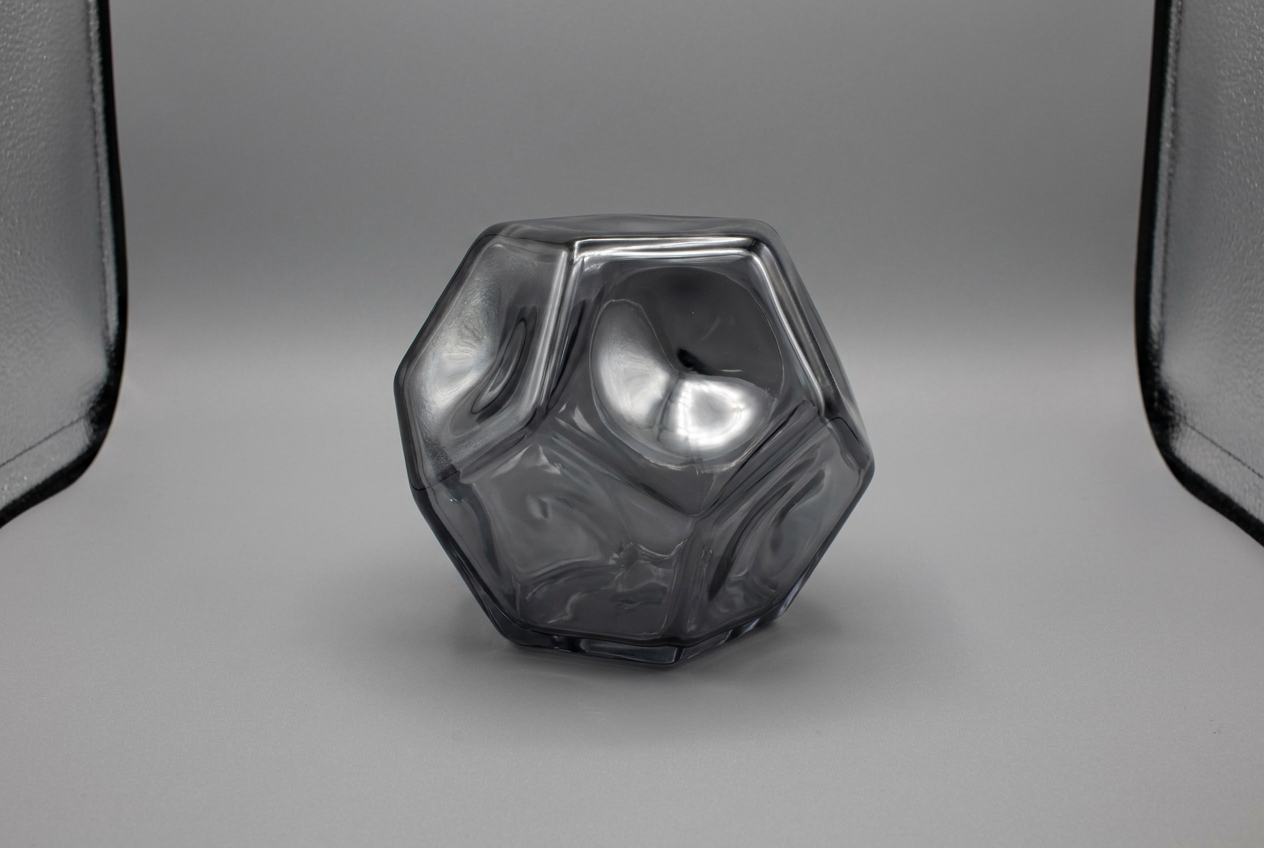
This is where the doubts arise. Many users ask if they can do the same with PLA, and the short answer is a resounding no . Acetone doesn't melt PLA the same way it melts ABS; instead of smoothing, the piece will most likely become opaque, develop whitish spots , or, in the worst-case scenario, the material will crack due to chemical stress.
If you're looking for a chemical finish for PLA, there are more exotic options like ethyl acetate , which can drastically reduce roughness, or chloroform, although the latter is dangerously toxic and difficult to obtain legally. Another alternative is isopropyl alcohol , but be careful: this is only suitable for cleaning grease and dust before painting; it has no smoothing effect on PLA.
Mechanical methods and coatings for all materials
When chemical sanding fails or is too dangerous, progressive sanding is the old reliable. The key here is patience and not skipping steps. Start with a coarse grit (like 120 or 180) to remove the larger bumps and work your way up to very fine grits (1000, 2000, or finer). Wet sanding is the master trick to prevent the plastic from overheating due to friction and to achieve a much smoother finish.
If you don't want to spend hours sanding, you can use a filler primer . Apply a coat, sand it, and repeat the process. This fills the grooves between layers without having to remove as much of the original plastic. For those seeking an ultra-glossy, professional finish, epoxy resin coatings are a superb option, as they create a continuous film that hides any imperfections, although it's worth noting that they add a bit of thickness to the piece.
Safety and essential precautions
Working with solvents is not a game. Acetone is extremely flammable , and its fumes can make you dizzy or irritate your respiratory system if you're not careful. It's mandatory to work in a well-ventilated area , preferably outdoors or with a powerful exhaust fan, and always wear nitrile gloves and safety glasses.
Don't forget to keep a fire extinguisher handy and keep any ignition sources, such as cigarettes or electrical sparks, away from your work area. Wearing masks with organic vapor filters is highly recommended, as prolonged inhalation of these chemicals can be harmful to your health.
Tips for not ruining the piece
A common mistake is overdoing it with the tool. If you're using a Dremel, use low speed and quick movements; if you stay in one spot, the heat will melt the plastic and leave a groove that's impossible to remove. As for steam smoothing, check the piece every few minutes. If you leave it on for too long, the fine details and edges will become rounded, and your model will lose dimensional accuracy.
To join pieces seamlessly, the best option is to use cyanoacrylate or epoxy, followed by filler applied over the joint. Once dry, sand and prime the piece, making it appear as a single, solid, and seamless unit.
Mastering surface finish requires understanding the chemistry of each filament and a dexterity with tools. While ABS and ASA are easily tamed with acetone vapor, PLA demands a more artisanal approach based on meticulous sanding and the use of primers or epoxy resins. Regardless of the method, safety must be the absolute priority to avoid accidents with flammable substances, always ensuring that the post-processing enhances the aesthetics and strength of the part without compromising its original geometry.