- Spanish legislation, through the LOPDGDD, grants family members the right to access, rectify or delete the digital content of the deceased.
- Major technology platforms such as Google, Apple, and Meta offer native tools for designating legacy contacts or managing inactivity.
- It is essential to differentiate between digital assets with economic value, which form part of the estate, and highly personal privacy rights.

Today, virtually all of us lead lives divided between the tangible world and the virtual environment. We spend hours browsing, storing memories in the cloud, and managing our money through screens, but we rarely stop to think that, when we're gone, we'll leave behind a persistent digital footprint that someone will have to manage. We're not just talking about social media profiles, but a true invisible legacy that can be either a gift or a headache for those who remain.
Managing your online legacy isn't just about sentimentality or deleting old photos; it's about security and inheritance rights . A poorly organized legacy can expose loved ones to scams, identity theft, or simply the irretrievable loss of priceless family memories. That's why it's vital to plan ahead and pave the way for a smooth transition during this already complex time.
The Legal Framework in Spain and the Right to Digital Death
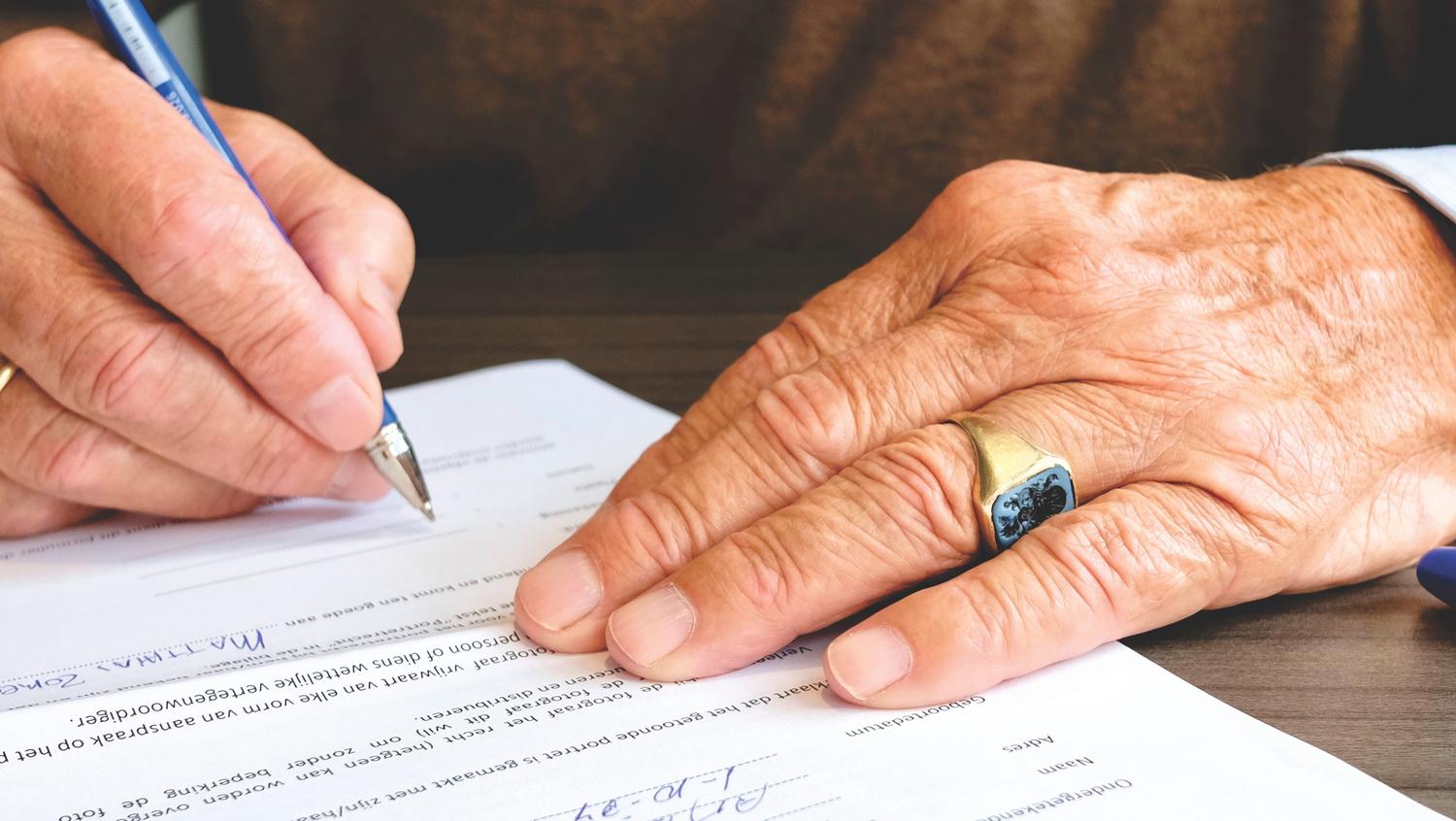
In our country, we are not in a state of uncertainty regarding legislation. Organic Law 3/2018 (LOPDGDD) is the key piece of legislation here. Specifically, Articles 3 and 96 stipulate that family members or heirs can request access to the deceased's personal data, as well as its rectification or deletion. In other words, Spanish law is quite advanced and recognizes that digital privacy must also be protected, although it allows heirs to manage the content if there is no express prohibition from the data subject.
It's important to clarify that there are two types of digital footprints: active, which is everything we consciously publish, and passive, such as browsing history or cookies. While personal rights (like the confidentiality of communications) tend to expire, property rights (money in PayPal, cryptocurrencies, or web domains) pass directly into inheritance and are legally recoverable.
Native Tools of Major Platforms

To avoid leaving everything to bureaucracy, tech companies have created features that allow us to decide the fate of our accounts while we're still here. Setting them up usually takes just a few minutes, but saves weeks of paperwork.
- Google: Your tool Inactive Account Manager It's probably the most powerful. You can decide that, after a period of silence (from 3 to 18 months), Google will notify selected people and allow them to download data from Gmail, Drive, or Photos.
- Apple: Through the Legacy ContactYou can generate an access key that, along with the death certificate, allows your family members to access your iCloud to retrieve photos and notes.
- Meta (Facebook and Instagram): Facebook allows you to name a legacy contact to manage a commemorative profilewhere you can post a final message or change your cover photo. Instagram is more restrictive and usually requires technical support to handle memorialization or manual deletion.
- X (Twitter) and LinkedIn: These are the most basic options. In X, you can only request account deletion. LinkedIn offers the option to close the profile or convert it to a professional memory profile.
Digital Wealth: Assets, Subscriptions, and Money
It's not all about nostalgia; there's a financial aspect that can lead to constant drain on the funds. Digital subscriptions (Netflix, Spotify, Amazon Prime) continue to be automatically charged until the bank blocks the account or someone cancels them. This can result in losses of tens of euros per month, which, when added up, represent an unnecessary expense for the inheritance.
On the other hand, there are assets with real-world value . This includes cryptocurrencies, digital wallets, and monetized web domains. Since these keys are usually secret, without clear instructions, it's very likely that the money will be locked forever on the blockchain. It's recommended to keep a list of these accounts in a private document or a public deed with restricted access.
Online Bank Account Management
When someone dies, bank accounts are automatically frozen. It's crucial to understand the difference between being an authorized user and a joint account holder . An authorized user loses all access upon death, while a joint account holder can access their proportional share of the money, but not the entire amount, as the remainder belongs to the estate. Withdrawing money without being a legal heir can constitute embezzlement under the Penal Code.
To unlock the funds, the heirs must present the supporting documentation (death certificate and notarized statement of heirs) to the bank. The bank is obligated to provide the information, such as the certificate of assets , and cannot charge fees for providing the balance or transaction history for the last year.
How to Plan Your Own Digital Legacy

If you want to spare your family a nightmare, the ideal solution is to combine technology with traditional law. While a "digital will" as a standalone document doesn't exist in Spain, you can include clauses in your notarized will appointing a digital executor.
A foolproof method is to create a digital password inventory . You can use a password manager (like Bitwarden or KeePass) and leave your master password in a sealed envelope, either in the presence of a notary or with a trusted individual. Dividing this inventory into categories (communications, finances, social media, leisure) makes it much easier for your heir to know where to start without having to guess your passwords.
Steps for Family Members Without Advance Directives
If you find yourself managing the online life of a loved one who left no written instructions, the first step is to map their accounts . Reviewing their email and mobile apps is the best way to discover which services they used. Always prioritize canceling payments to stop bank charges.
Next, decide whether you prefer to memorialize or delete your social media accounts. Once you've retrieved your important photos and documents from the cloud, you can proceed with the final closure. Remember that for almost any procedure, you'll need the death certificate and a document proving your family relationship.
Having a plan for our online presence is just as important as organizing the distribution of a house or car. Between configuring native Google or Apple tools, creating a password manager, and having a legally sound will, we can ensure our privacy remains intact and that financial assets reach their rightful owners. The key lies in anticipation, transforming a potential administrative burden into an organized process that protects the memories and assets of those we love most.