- It uses sensor arrays and neural networks to digitize the chemical composition of complex liquids.
- It is used in industrial quality control, detection of food fraud, and accurate clinical diagnoses.
- It differs from the electronic nose in that it analyzes dissolved compounds and not volatile gaseous particles.
- It allows the remote transmission of basic flavors through biointegrated interfaces such as the e-Taste system.
Have you ever stopped to think if a machine could taste a good wine or detect if honey is pure without human intervention? Well, that's precisely what the electronic tongue does , a technological advance that has come to break the mold by attempting to replicate the complexity of our sense of taste through chemistry and computer science.
Unlike sight or hearing, digitizing taste is a considerably more complex challenge. However, thanks to the combination of electrochemical sensors and artificial intelligence algorithms , we now have tools capable of analyzing complex liquids and generating a kind of digital fingerprint that tells us exactly what's in the sample, thus avoiding the biases and errors that we humans sometimes make.
What exactly is an electronic language and how does it work?
Basically, we're talking about an analytical system that mimics the response of human taste buds. Instead of biological cells, it uses an array of advanced sensors (such as gold, platinum, or graphene microelectrodes) that interact with the chemical compounds in a liquid. The interesting thing is that this device doesn't look for a single isolated ingredient, but rather records an overall response from the sample.
The process is a fascinating journey from the chemical to the digital. First, electrodes detect chemical variations and transform them into specific electrical signals . Then, the software comes into play, using tools like Principal Component Analysis (PCA) or artificial neural networks to compare this data with already validated databases. It is here that the machine "learns" to differentiate substances , mimicking our brain's learning process to classify liquid mixtures with astonishing accuracy.
Practical applications: from quality control to medicine
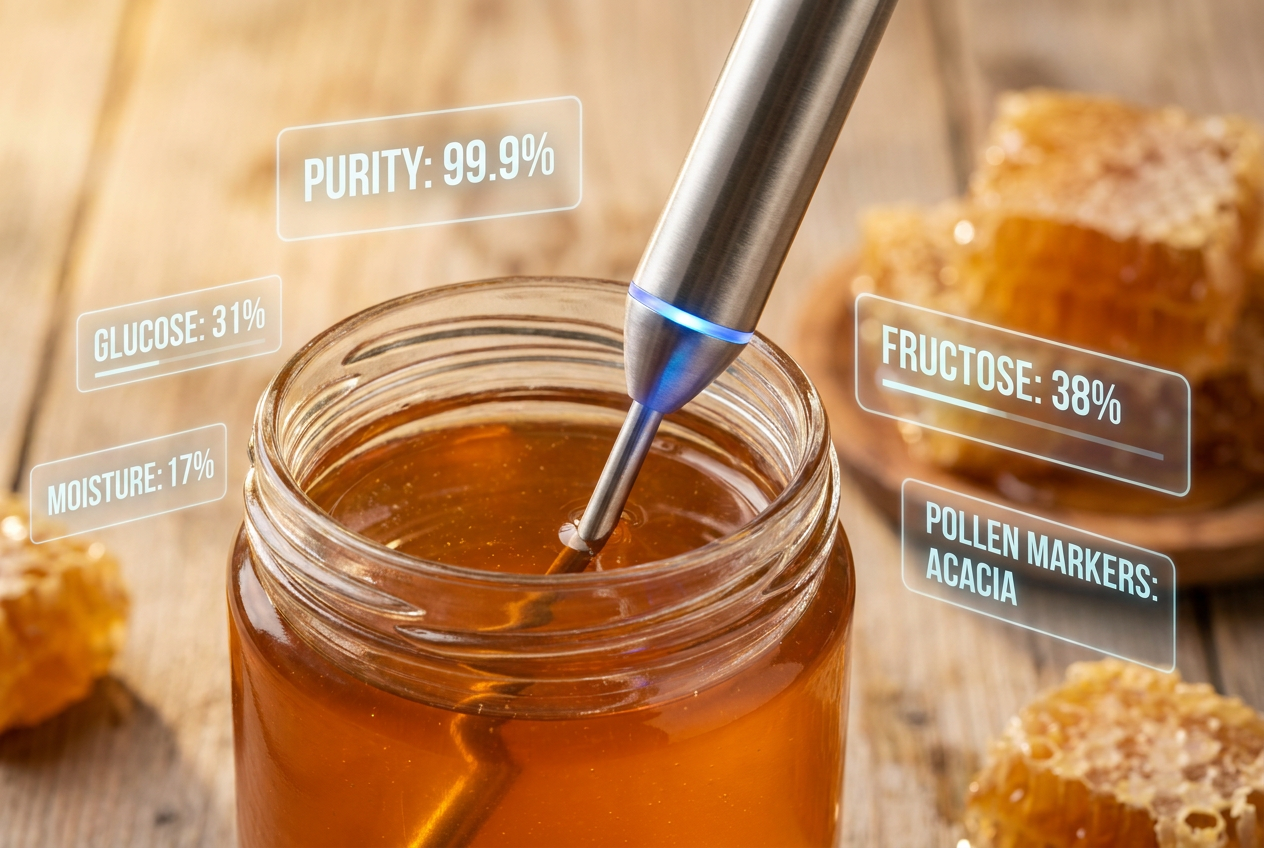
This technology is not just a laboratory experiment; it has applications that affect our daily lives and the finances of large corporations. In the food industry, it is the key tool for quality control and fraud detection . For example, it is used to ensure that a batch of beer or sparkling wine always maintains the same sensory profile, or to catch those who adulterate honey, achieving results in record time.
- Health and clinical diagnosis: It has been shown to be able to quantify substances in biological fluids with great accuracy, such as uric acid, paracetamol, and ascorbic acid, facilitating faster medical diagnoses.
- Food safety: It allows you to assess the freshness of products and detect contamination before they reach the end consumer.
- Industrial robotics: Integrating these sensors into manufacturing lines allows for a continuous and objective sensory evaluationeliminating human fatigue.
The cutting edge: e-Taste and virtual reality
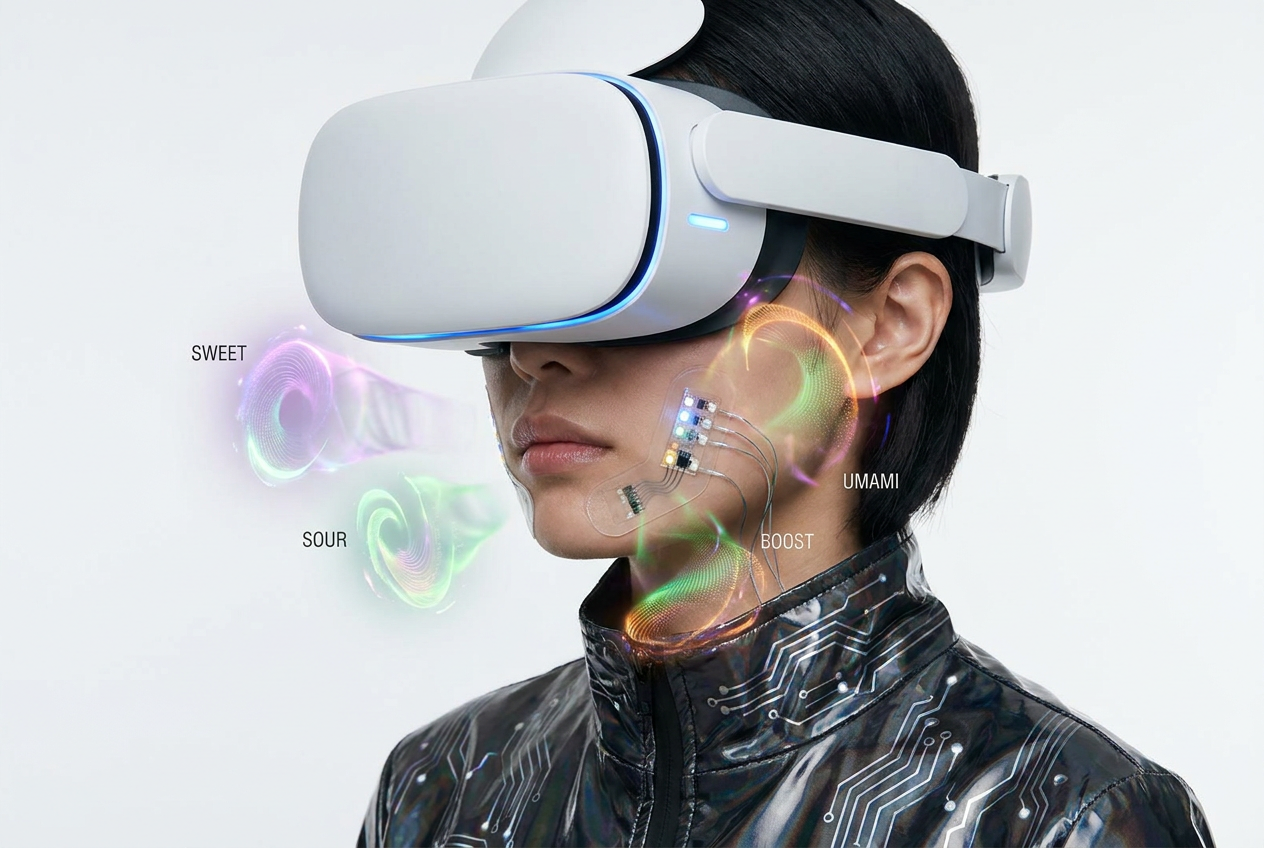
If you thought this was only useful for analyzing samples in a jar, think again. Researchers at Ohio State University have taken this a step further with the e-Taste system . It's not just about analysis, but about transmitting flavors remotely. This system uses sensors to detect the five basic tastes (sweet, salty, sour, bitter, and umami) and, via wireless communication, sends the information to an actuator in the user's mouth.
By releasing flavored hydrogels through ultrathin tubes, e-Taste allows someone to taste food while in a virtual environment. This biointegrated interface is a quantum leap that could revolutionize entertainment and social interactions in the metaverse , finally integrating the chemical dimension of taste into virtual reality.
Key differences with the electronic nose
It's very common to confuse these two concepts, but the difference is simple and clear. While an electronic tongue analyzes compounds dissolved in liquids , an electronic nose specializes in detecting volatile particles floating in the air (gases). However, the most powerful results occur when companies combine both; by merging artificial smell and taste, they obtain a comprehensive analytical profile that is virtually unbeatable in terms of accuracy.
Despite its advantages, such as speed and the ability to test hazardous substances without risk to personnel, the system has its weaknesses. The initial cost is high, and it requires extensive prior training to create robust databases. Even so, the path toward extreme portability and full internet connectivity promises to make these tools increasingly accessible and efficient.
The convergence of analytical chemistry, artificial intelligence, and bioengineering has enabled the creation of systems that not only analyze the composition of liquids with complete objectivity, but are already beginning to transmit taste sensations in digital environments, transforming sectors ranging from food safety and the fight against fraud to advanced medical diagnosis and sensory immersion in virtual reality.