- Outdoor security cameras have transformed home surveillance by offering advanced technology like 4K resolution and night vision.
- Strategic installation is crucial to maximize coverage and minimize blind spots on the property.
- Integrating cameras with security systems allows for more efficient monitoring and a coordinated response to incidents.
- Cybersecurity is essential; protecting cameras from cyber threats is key to maintaining privacy and security.
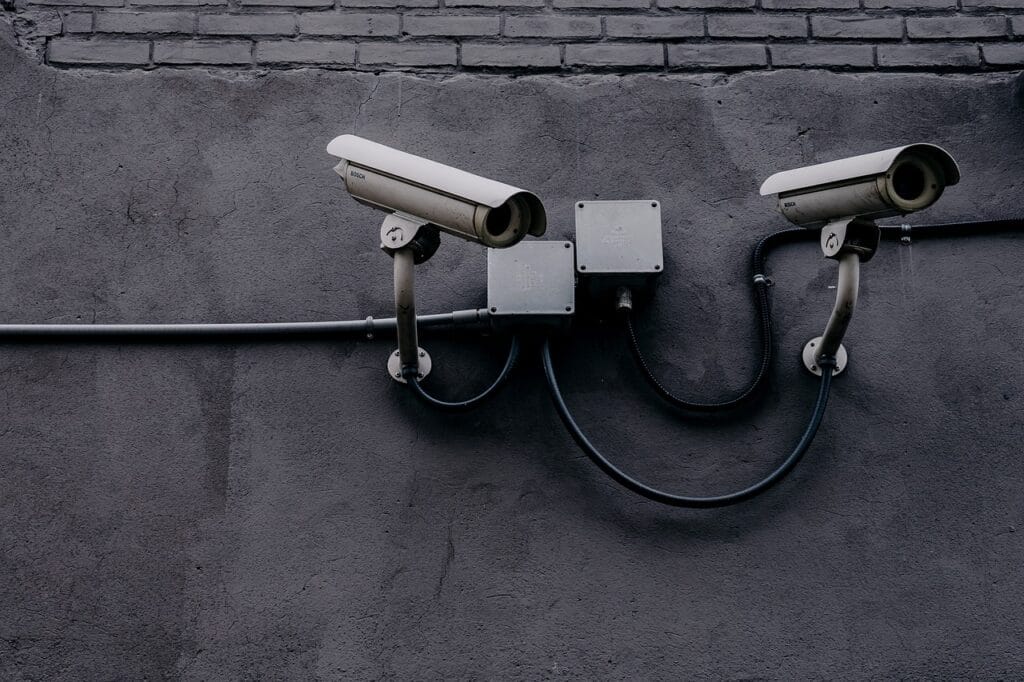
Outdoor Security Cameras: The Technology That's Changing the Game for Home Surveillance
Introduction: The home security revolution
In the digital age, home security has taken a quantum leap. Outdoor security cameras have become central to this transformation, offering unprecedented protection for our homes. It's no longer just about deterring potential intruders; these smart cameras are redefining what it means to keep a home safe in the 21st century.
Technology has advanced by leaps and bounds, and with it, our options for protecting what we value most. From 4K resolution to infrared night vision, and even artificial intelligence that distinguishes between a playful pet and a real intruder, outdoor security cameras are now more sophisticated than ever. This article will guide you through the latest innovations, key considerations when choosing a system, and how this technology is fundamentally changing our relationship with home security.
Evolution of security cameras
The transformation of outdoor security cameras has been nothing short of revolutionary. What were once bulky and unreliable devices have become ultra-efficient digital sentinels. This evolution has not only improved the quality of surveillance but has also democratized access to high-end home security.
In the early days, analog cameras offered grainy images and required cumbersome physical storage. The jump to digital was a game-changer. Suddenly, image clarity improved exponentially, and storage became more efficient and accessible. But the real turning point came with the integration of these cameras with our smartphones.
Imagine being on vacation and receiving a notification that someone is approaching your door. With a tap on your phone, you can see in real time who it is and even talk to them. This remote monitoring capability has transformed the way we interact with our homes, even when we are away.
Artificial intelligence and facial recognition have taken this revolution even further. Modern home security systems don't just capture images; they interpret them. They can distinguish between a mail carrier delivering a package and a potential intruder, drastically reducing false alarms and increasing the effectiveness of surveillance.
This technological evolution has made the question of how to install security cameras increasingly relevant for homeowners. Installation, which previously required advanced technical knowledge, is now accessible to many home users, thanks to plug-and-play systems and detailed tutorials provided by manufacturers.
Advanced features
The latest generation of outdoor security cameras is equipped with a range of features that seemed like science fiction just a decade ago. Night vision, for example, has evolved from barely discernible black and white images to clear color renderings, even in complete darkness. HDR (High Dynamic Range) technology allows these cameras to capture detail in both bright areas and deep shadows, providing a balanced image in all lighting conditions.
Two-way audio is another feature that is changing the game. It's no longer just about seeing; now you can interact. Imagine being able to warn an intruder that the police are on the way or give a delivery person instructions on where to leave a package, all from your smartphone, wherever you are.
Cloud storage has solved one of the biggest headaches of home surveillance: managing large amounts of footage. With cloud storage, you can access weeks or even months of recordings without the need for a physical hard drive in your home. Not only does this save space, but it also provides an extra layer of security, as the recordings are safe even if the camera is stolen or damaged.
Outdoor Wi-Fi security cameras have taken connectivity to a whole new level. Integration with voice assistants like Alexa or Google Home lets you control your cameras with simple voice commands. “Alexa, show me the backyard camera” is all you need to say to get an instant view of your property.
Plus, AI-based motion detection has improved significantly. Instead of being triggered by every moving leaf, these cameras can distinguish between the movement of people, animals, and vehicles, sending you notifications only when it really matters.

Installing and configuring outdoor security cameras
One of the most critical aspects of installing outdoor security cameras is their proper installation and configuration. Strategic placement is essential to maximize coverage and minimize blind spots. Experts recommend placing cameras at all main entrances, including ground-floor doors and windows, as well as in high-traffic areas around the property.
When it comes to installing security cameras , connectivity is key. Outdoor Wi-Fi security cameras offer unparalleled flexibility in terms of placement, but it's crucial to ensure the Wi-Fi signal is strong enough at all camera locations. In some cases, Wi-Fi repeaters may be necessary to guarantee a stable connection.
Power is another factor to consider. While some cameras run on rechargeable batteries, others require a constant power connection. Cameras with integrated solar panels are gaining popularity, offering an eco-friendly and low-maintenance solution.
Compatibility with existing home automation systems is an aspect that shouldn't be overlooked. Modern home security systems often integrate with other smart devices, such as locks, thermostats, and lighting systems. Ensuring your new cameras are compatible with your existing home automation ecosystem can significantly enhance the effectiveness and convenience of your security system.
A pro tip is to conduct a “security walk” around your property before installation. This will help you identify the most vulnerable areas and plan the optimal placement of your cameras. Remember, one well-placed camera is worth more than several poorly positioned ones.

Legal and ethical aspects
The installation of outdoor security cameras brings with it a number of legal and ethical considerations that cannot be ignored. Privacy is a primary concern in the digital age, and it is crucial to strike a balance between personal safety and respect for the rights of others.
In many jurisdictions, it is legal to install cameras that monitor your property, but problems can arise if they capture public areas or neighboring properties. It is essential to know your local laws and make sure your cameras are set up to respect legal and ethical boundaries.
Consent is another critical aspect. In some places, visitors and workers need to be informed that they are being recorded. This is usually achieved by posting visible signs indicating the presence of surveillance cameras.
Regulations on the storage and use of recordings also vary. In the European Union, for example, the General Data Protection Regulation (GDPR) imposes strict restrictions on how personal data, including video images, can be stored and used.
The responsible use of technology involves not only complying with the law, but also considering the impact on the community. Outdoor security cameras can contribute to neighborhood safety, but they can also create tension if they are perceived as intrusive.
An ethical approach includes being transparent about the presence of cameras, limiting surveillance to necessary areas, and using technology in ways that benefit not only oneself, but also the broader community.
Comparison of popular outdoor security camera models
In today's market, the variety of outdoor security cameras can be overwhelming. From tech giants to innovative startups, there are countless options to suit every need and budget. Here, we'll take a look at some of the most popular brands and models, evaluating their distinctive features and value for money.
Arlo Pro 4: Stands out for its 2K resolution, two-way audio, and compatibility with voice assistants. Its completely wireless system and battery life of up to 6 months make it an attractive option for those looking for flexibility.
Ring Spotlight Cam Battery : Offers a unique combination of security camera and motion-activated light. Its integration with the Amazon ecosystem and solar power option make it versatile.
Nest Cam (battery) : Google enters the competition with this camera that offers facial recognition and object detection thanks to its advanced AI. Its elegant design and integration with Google Home are definite pluses.
Eufy SoloCam E40 : This option stands out for its encrypted local storage, eliminating the need for cloud subscriptions. Its long battery life and 2K resolution offer a good balance between performance and price.
When comparing these models, it's crucial to consider factors such as image quality, battery life, storage options, and ease of use of the mobile app. It's also important to evaluate the long-term cost, including any subscriptions required to access advanced features or cloud storage.
The final choice will depend on your specific needs. If integration with an existing home automation system is a priority, models like Ring or Nest might be more suitable. If privacy and local storage are your main concern, options like Eufy might be more appealing.
Remember, the best camera is not necessarily the most expensive or the one with the most features, but the one that best fits your security needs and lifestyle.
Integration with security systems
The true power of outdoor security cameras is revealed when they are integrated into a broader security system. This synergy creates a robust protection network that goes beyond simple visual surveillance.
Integration with alarms and motion sensors is perhaps the clearest example of how cameras can be part of a larger security ecosystem. When a sensor detects motion, it can automatically trigger nearby cameras, start recording, and send an alert to your smartphone. This coordinated approach not only provides an extra layer of security, but also helps reduce false alarms.
Modern home security systems often include access control, such as smart locks and video doorbells. Integrating cameras with these devices allows for complete monitoring of who enters and leaves your property. Imagine receiving a notification when someone rings the doorbell, being able to see and speak to them through your smartphone, and then remotely unlocking the door if you decide to grant them access.
Professional monitoring is another area where integration shines. Many security companies offer services where trained personnel can access your cameras in the event of an alarm, check the situation, and, if necessary, alert the authorities. This extra layer of human oversight can be invaluable in critical situations.
Home automation also plays a key role in this integration. Outdoor Wi-Fi security cameras can work in conjunction with other devices.
to create custom security scenarios. For example, if cameras detect motion after dark, they can automatically turn on outdoor lights, giving the impression that someone is home and potentially deterring intruders.
It's important to note that integration isn't limited to just security devices. Cameras can be part of a broader home automation ecosystem, interacting with thermostats, lighting systems, and even appliances. This interconnection not only improves security, but can also contribute to energy efficiency and overall home comfort.

However, when integrating multiple devices and systems, it is crucial to consider network compatibility and security. Make sure that all components of your security system use secure communication protocols and are protected against potential cyber vulnerabilities.
Maintenance and updates
Proper maintenance of your outdoor security cameras is essential to ensure their optimal performance and longevity. Although these devices are designed to withstand harsh weather, they require regular attention to maintain their performance.
Regular cleaning is essential, especially for cameras exposed to elements such as dust, rain or snow. Use a soft, slightly damp cloth to clean lenses and housings, avoiding harsh chemicals that can damage components. Pay particular attention to the areas around motion sensors and lenses, as dirt buildup can significantly affect their performance.
Impact on crime prevention
Outdoor security cameras have proven to be a powerful tool in crime prevention. Recent studies have revealed a significant decrease in theft and vandalism rates in areas where visible surveillance systems have been installed.
According to a report by the Institute of Criminology at the University of Leicester, the presence of security cameras can reduce property crime by up to 16%. This deterrent effect is particularly noticeable when the cameras are clearly visible and accompanied by signage warning of their presence.
Collaboration with law enforcement has become more efficient thanks to these technologies. Many police departments now have programs that allow homeowners to record their security cameras. In the event of an incident in the neighborhood, police can quickly request access to relevant recordings, speeding up investigations and increasing the chances of solving crimes.
The deterrent effect of outdoor security cameras goes beyond mere physical presence. Modern systems, with their motion detection capabilities and real-time alerts, create an environment where potential criminals know they will be instantly detected and recorded. This not only protects your property but also contributes to the overall safety of the neighborhood.
It's important to note that the effectiveness of cameras in crime prevention depends largely on their visibility and the public's perception of their effectiveness. Therefore, many security experts recommend combining outdoor Wi-Fi security cameras with clear signage and other visible security measures, such as motion-activated lighting.
However, it is crucial to maintain a balance between security and privacy. The ethical and legal use of these systems is essential to maintaining community trust and avoiding conflicts with neighbors.
Future of home surveillance
The home security landscape is brimming with exciting innovations that promise to take outdoor security cameras to new levels of efficiency and sophistication. Emerging trends point toward smarter, more integrated, and more autonomous systems.
Advanced artificial intelligence is at the heart of this evolution. Future systems will not only detect motion, but will also be able to interpret complex behaviors. Imagine a camera that can distinguish between a child playing in the yard and an intruder trying to break in, adjusting its response accordingly.
Integration with smart cities is another fascinating frontier. As our cities become more connected, home security systems could interact with municipal infrastructure. For example, in the event of an incident, your system could automatically communicate with streetlights to better illuminate the area, or alert nearby emergency vehicles.
Augmented reality (AR) could transform the way we interact with our security systems. Using AR glasses or smartphones, homeowners could see real-time information overlays as they look around their property, such as recent access routes or areas of unusual activity.
Autonomous security drones are already on the horizon. These devices could automatically patrol your property, providing aerial surveillance that complements fixed outdoor Wi-Fi security cameras.
Advanced biometrics, including facial and voice recognition, will become more deeply integrated into home security systems. This could enable more sophisticated and personalized access control, eliminating the need for traditional keys or codes.
However, with these innovations will come new challenges, particularly in terms of data privacy and security. Regulation and ethical considerations will play a crucial role in shaping how these technologies are deployed and used in our homes.
The future of home surveillance isn't just about more advanced technology, but about smarter, more integrated systems that are better tailored to the individual needs of each home.
Table of Contents
- 1 Outdoor Security Cameras: The Technology That's Changing the Game for Home Surveillance
- 2 Evolution of security cameras
- 3 Advanced features
- 4 Installing and configuring outdoor security cameras
- 5 Legal and ethical aspects
- 6 Comparison of popular outdoor security camera models
- 7 Integration with security systems
- 8 Maintenance and updates
- 9 Impact on crime prevention
- 10 Future of home surveillance