- Prehistoric technology encompasses tools and techniques used before writing.
- The invention of agriculture allowed for the settlement and formation of stable communities.
- The development of pottery improved daily life and facilitated trade.
- Prehistoric innovations laid the foundation for the modern technology we use today.

In a world filled with cutting-edge technology, it's easy to take the technology around us for granted. But have you ever wondered how it all began? How did our prehistoric ancestors manage to innovate and create surprisingly advanced tools without manuals or Google? In this article, we'll delve into the world of prehistoric technology and the astonishing origins of human innovation. Get ready for a journey through time that will leave you amazed!
Prehistoric Technology: An Initial Look
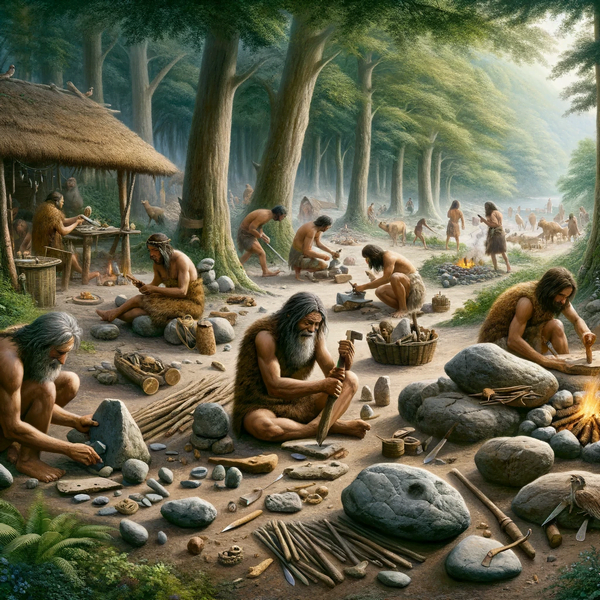
Prehistoric technology refers to all the tools, techniques, and knowledge that humans used before the emergence of writing and civilization as we know it today. This period spans from approximately 2.5 million years ago to about 5,000 years ago. Although this covers a long period, it is essential to understand how our ancestors developed creative solutions to survive and thrive.
The Invention of the Wheel: Who Would Have Thought?
While it's common to think of the wheel as a modern invention, the reality is that our Stone Age ancestors were already using primitive versions of this ingenious device. How do we know? Thanks to archaeology. Through excavations in different parts of the world, we've discovered wooden wheels that date back more than 5,000 years. While these wheels were simple compared to today's, they demonstrate the creativity and ingenuity of our ancestors.
Stone Tools: More Than Just Hitting Rocks
Cave Painting: The Art of Communication
Technology wasn't limited to physical tools. Prehistoric technology also encompassed forms of communication and artistic expression. Cave paintings are a prime example of this. Our ancestors left traces of their creativity on cave walls, depicting hunting scenes and everyday life. These paintings are not only evidence of the technology of the time, but also of the human need to communicate and express themselves.

Innovation in Agriculture: The Step Towards Stability
As we move forward in time, prehistoric technology began to take more advanced forms, especially in agriculture. Innovation in agriculture not only changed how we lived but also influenced the structure of human societies.
The Neolithic Revolution: From Hunter-Gatherers to Farmers
Around 10,000 years ago, during what is known as the Neolithic Revolution, our ancestors made a major transition from relying on hunting and gathering to farming. This marked the beginning of the domestication of plants and animals, allowing for a constant source of food and settlement in permanent communities.
The Invention of Pottery: Creating Durable Utensils
Early Metallurgy: Forging a Bright Future
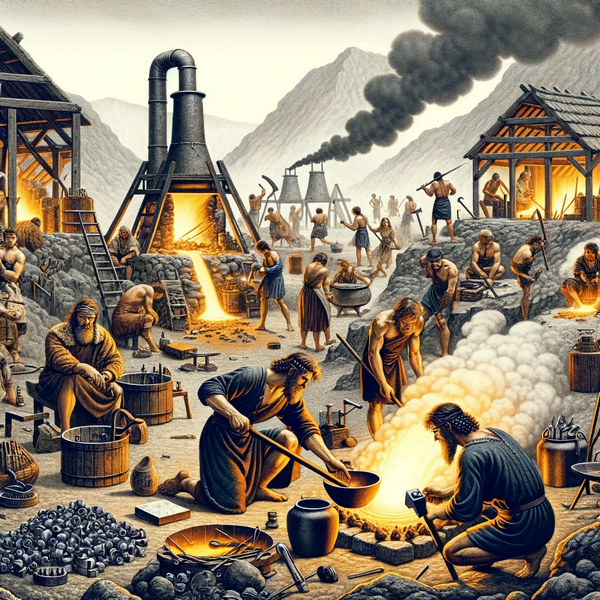
One of the most exciting technological advancements in prehistory was the advent of metallurgy. Our ancestors began working with metals like copper and bronze, which allowed them to create more durable tools and more effective weapons. This breakthrough changed the course of human history.

Human Innovation Through Time
As we continue to explore the origins of prehistoric technology , it is essential to understand how these innovations laid the foundation for the future development of humanity.
The Emergence of Writing: From Painting to Words
While cave paintings were a primitive form of communication, the invention of writing completely changed how humans recorded information. Known as cuneiform writing , this ancient form of writing developed in Mesopotamia and allowed knowledge to be preserved from generation to generation.
The Industrial Revolution: A Quantum Leap
Prehistoric technology paved the way for the Industrial Revolution, a period in which humanity experienced a dramatic shift in technology and production. The transition from agriculture to manufacturing transformed our lives in unimaginable ways.
Prehistoric Technology in the 21st Century: A Lasting Legacy
Nowadays, when we use our smartphones and browse the web, we rarely think about the technology of prehistory. Yet, this ancient technology laid the groundwork for everything we enjoy today. Our prehistoric ancestors, with their ingenuity and creativity, paved the way for the modern world.
Conclusion
Prehistoric technology may seem distant in time, but its influence endures in our daily lives. From the invention of the wheel to the advent of metallurgy, our prehistoric ancestors demonstrated an innate capacity for innovation and adaptation. Today, when we use high-tech devices , we must remember that we are following the legacy of those who, thousands of years ago, paved the way for human innovation. Prehistoric technology is more than just ancient history; it is the foundation of our ongoing evolution.
So the next time you turn on your computer or use a modern tool, think about those who came before and started it all. Share this article with your friends and family so they too can appreciate the importance of prehistoric technology in our lives today.
The prehistoric past is the foundation of our technological future!