- Qwen-VLo is Alibaba's new multimodal artificial intelligence model capable of generating and modifying images from text.
- It allows you to view the image creation process in real time using a progressive generation technique.
- The model supports multiple languages and can apply various styles, modify backgrounds or details, and adapt to user requests.
- Qwen-VLo competes with international and domestic models, standing out in terms of efficiency and availability for different devices.
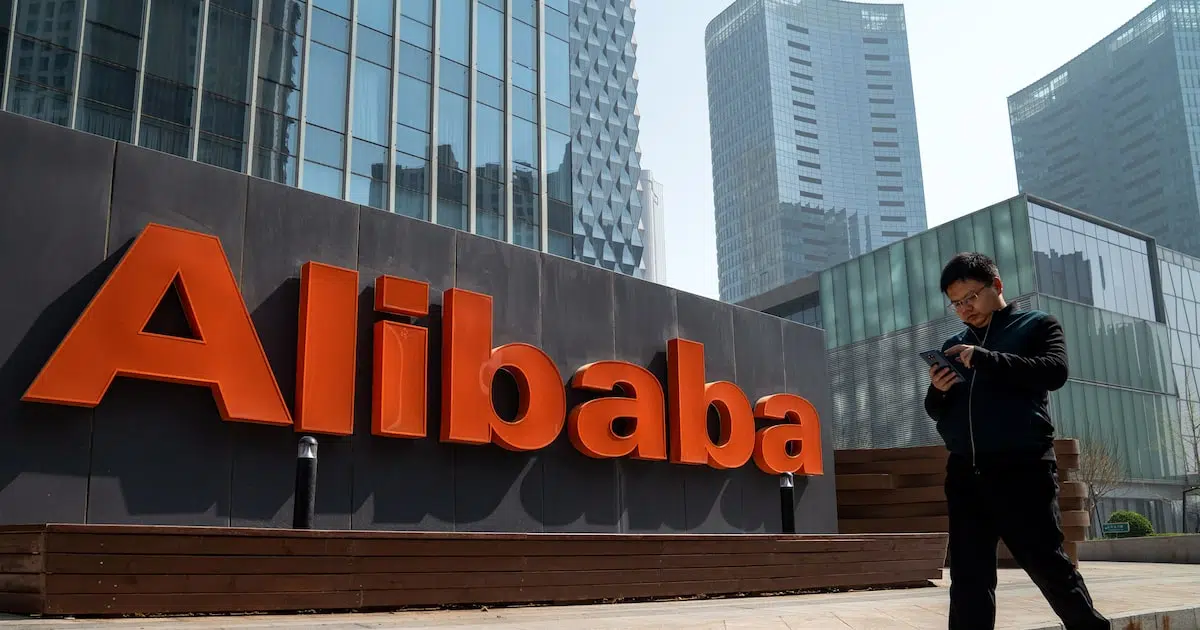
The arrival of Qwen-VLo marks a new step in Alibaba's commitment to artificial intelligence. The Chinese tech giant has announced an AI model capable of producing and modifying images from written descriptions or visual files , providing more creative options for both individual users and businesses.
This new solution integrates advanced capabilities for multimodal understanding and generation , encompassing not only text and images, but also audio and video. With its launch, Alibaba aims to position itself against industry giants, offering an alternative that stands out for its progressive generation technique . This innovation allows users to observe, in real time, how an image takes shape: first, the basic lines are drawn, then colors are added, and finally, details and textures are incorporated.
How Qwen-VLo works and what sets it apart from other AIs

Qwen-VLo's unique feature lies in its approach to creating images from scratch or editing existing photos . Users can request, for example, that the AI generate an illustration of an animal or transform an existing image with specific instructions, such as adding new elements or changing its visual style to resemble Pixar or Ghibli. Thanks to progressive generation, this process can be observed step by step, providing greater control and clarity over the final result.
Compared to other tools on the market like DALL-E or Stable Diffusion, which use random noise-based diffusion techniques, Qwen-VLo transparently displays how the image is being built . From left to right and top to bottom, the image evolves, allowing for adjustments to details during creation without having to restart the entire process. This flexibility increases the possibilities for customization and creative editing.
Another key advantage is the model's broad language compatibility . Qwen-VLo allows interaction in several languages, including Spanish, English, and Chinese, thus facilitating access for users from different regions and eliminating language barriers. Alibaba states that its AI is capable of understanding complex instructions and delivering images that meet expectations, adapting to each user's preferences.
Beyond simply generating images, AI allows you to change backgrounds, alter visual styles, add or remove elements, and transfer artistic styles . All of this is done through natural language commands, simplifying its use for both design enthusiasts and professionals.
Qwen-VLo on the rise of multimodal artificial intelligence
Alibaba has recently doubled down on its AI strategy. The update to its Qwen series aims to keep pace with fierce competition, both inside and outside China. Firms like OpenAI, with its renowned AI systems, and local competitors like DeepSeek, have driven the development of increasingly powerful and affordable models.
Qwen-VLo is part of a broader strategy to bring high-performance, low-cost AI to a variety of devices , from mobile phones to laptops. Integrating these capabilities into proprietary applications, such as Quark, strengthens Alibaba's position in the sector and expands its range of intelligent services for users and businesses.
In the global context, Alibaba seeks to differentiate itself by offering a creative engine that, in addition to generating images, can understand and process complex visual information , such as the identification and manipulation of objects within a scene or the combination of multiple input sources.
Qwen-VLo is currently in preview. This means the model may still have limitations , especially with hyperrealistic images, which can sometimes show blurred details. However, the company assures that it will continue to refine its performance based on user feedback and its own machine learning, with the goal of improving the system's accuracy and versatility.
This breakthrough represents another important milestone in the development of artificial intelligence applied to visual creativity, with new capabilities for interactively creating and modifying images, using a progressive approach and supporting multiple languages, consolidating its position as one of the most innovative proposals in this field.
