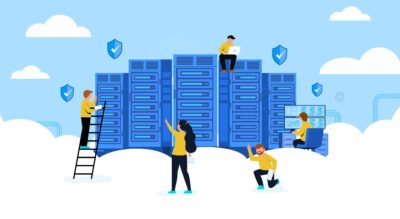
- Modernizing legacy systems is a strategic necessity to eliminate technological debt and enable the adoption of artificial intelligence.
- The hybrid cloud model allows balancing the agility of the cloud with the sovereignty and security of on-premises in regulated sectors.
- Cyber resilience and compliance with regulations such as NIS2 act as key drivers for the renewal of vital infrastructures.
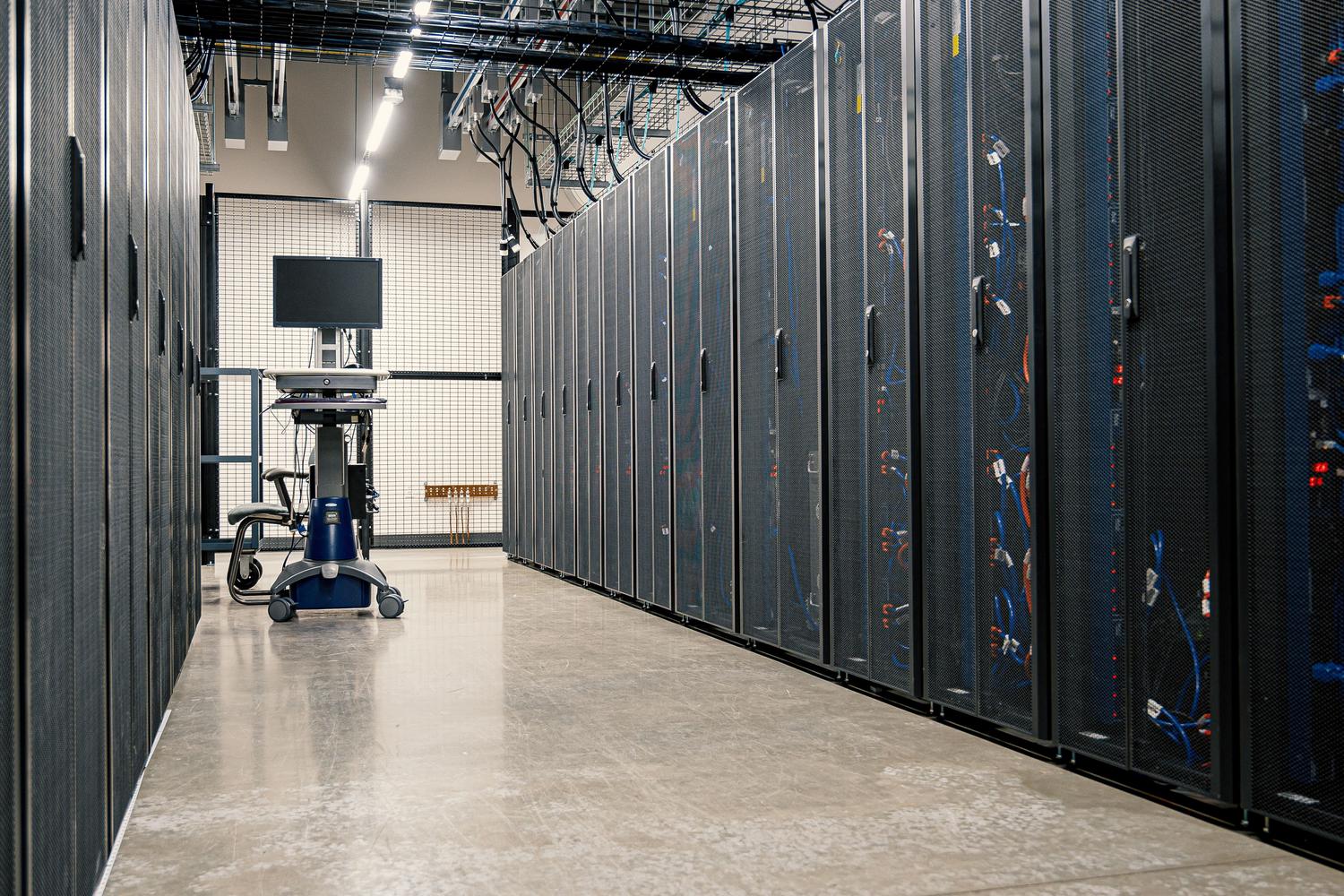
Today, digital transformation has taken a significant turn. It's no longer just about implementing new technology for the sake of it, but about facing a much more complex challenge: how to update legacy systems that have been running for decades without the company stagnating. While AI and the cloud are advancing by leaps and bounds, many organizations remain tied to outdated, critical applications that cost an arm and a leg to maintain and can no longer keep up with market demands.
To understand where we stand, experts from various sectors have agreed that modernizing legacy systems is no longer something that can be postponed. Accumulated technological debt has become a burden that hinders innovation and jeopardizes operational resilience. It's not just a matter of bits and bytes; it directly impacts business strategy and the image projected to investors and regulators.
The danger of getting carried away by the inertia of the Legacy
Maintaining outdated infrastructure generates a brutal opportunity cost. Often, IT teams spend most of their time patching and troubleshooting old systems, instead of driving projects that truly drive business growth. When critical processes depend on platforms with uncertain uptime, the risk of service disruption skyrockets, making upgrades a strategic imperative.
In the public sector, the problem isn't just the budget, but also the organizational complexity of changing systems used by thousands of citizens. Therefore, the key lies in designing gradual strategies. Everything can't be changed overnight; we must learn to live with the old system while building the new one, preventing the inherited system from becoming the organization's bottleneck.

Artificial Intelligence as an accelerator of change
The massive arrival of AI has turned things upside down. For artificial intelligence models to function, they need data, and that data is often locked away in legacy systems. To solve this, it's crucial to bring information closer to the cloud through APIs , allowing AI to consume that data efficiently. Trying to implement AI solely in local environments is simply not economically viable today.
Interestingly, AI not only forces modernization, but also facilitates it. New AI-powered development tools allow code creation and application validation in hours instead of weeks. Furthermore, through agent architectures , it's possible to encapsulate legacy applications and enable users to interact with them using natural language, extending the lifespan of certain systems without having to discard them.

The balance between Cloud and On-Premise
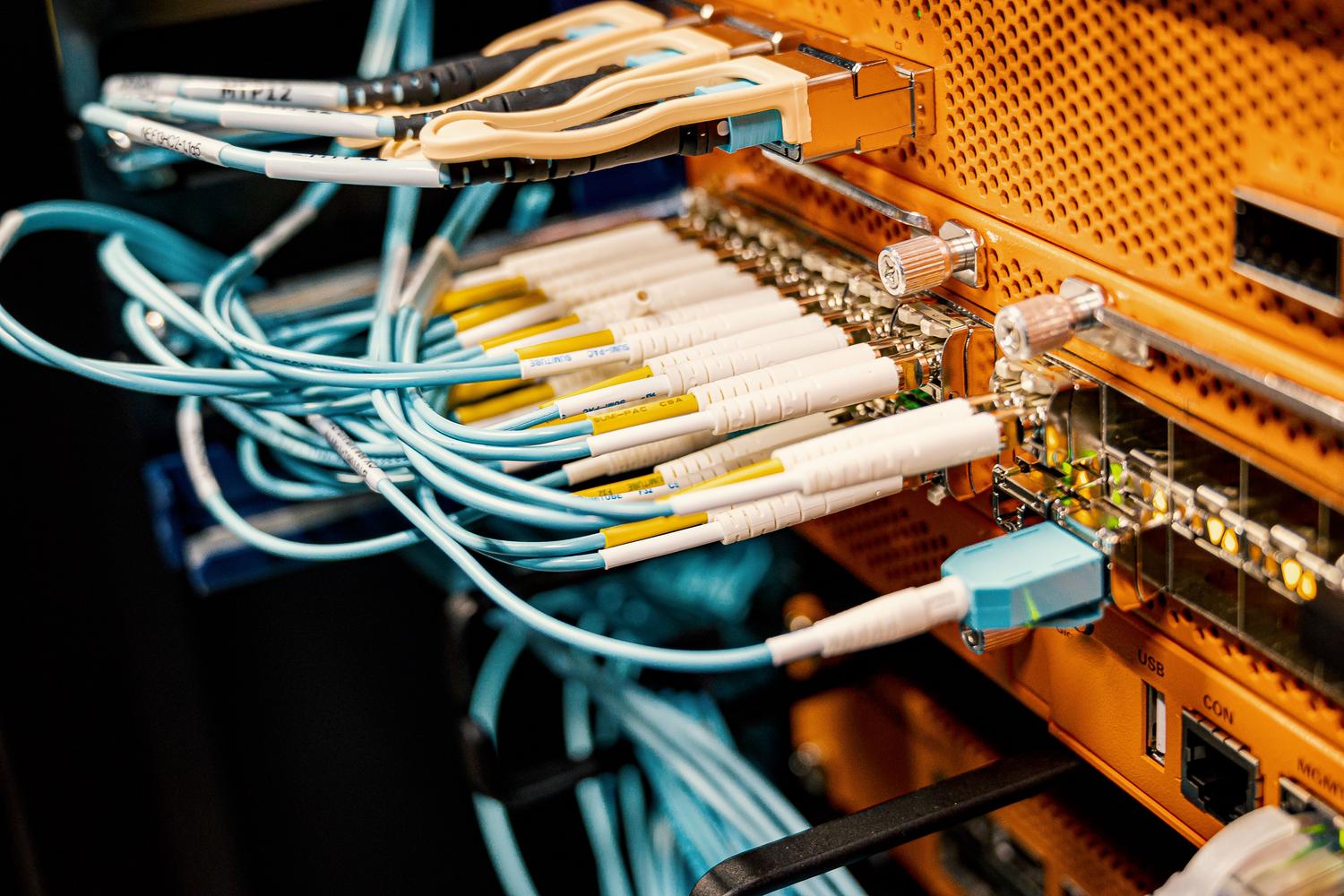
There's a common misconception that migrating to the cloud means emptying the data center. In sectors like banking, healthcare, and manufacturing, not everything needs to go to the cloud . Workloads such as industrial ERPs or real-time transactional systems require minimal latency and security that only an on-premises environment can fully guarantee. This is where hybrid cloud comes in.
The hybrid model allows you to leverage the scalability of the cloud for data analytics or AI, while maintaining direct control over the critical core. This cloud-adjacent architecture approach places local resources very close to cloud providers to achieve the best of both worlds. Furthermore, this is vital for complying with laws such as GDPR or the ENS Law, which require very strict data sovereignty to prevent sensitive information from leaving defined geographical boundaries.

Cyber resilience, security, and the weight of regulations

Security is no longer an add-on, but the foundation of everything. The DevSecOps model integrates security from the very first minute of development, using Zero Trust policies and automated vulnerability scans. In national critical infrastructure (NCI) environments, such as power plants, isolated networks are still used to prevent remote attacks, although it is acknowledged that the risk persists through infected physical devices.
In this respect, regulations such as the EU's NIS2 Directive have become an excellent tool for technology leaders to convince management to invest. It's no longer just a matter of saying the system is outdated, but of demonstrating that regulatory non-compliance carries serious legal and financial risks. Translating technical risk into financial terms is the only way to get senior management to approve modernization budgets.

A path to a transformation without scares

If a company wants to evolve its critical systems without breaking anything, it must follow a logical path. First, conduct a comprehensive audit to determine what is truly critical and where the bottlenecks are. Then, design a hybrid strategy that is not a collection of patches, but a plan aligned with the business objectives.
- Modernize in layers: Start by exposing APIs or automating internal flows before touching the core of the system.
- Promoting hybrid talent: Train employees to navigate both legacy and modern environments cloud-native environments.
- Optimize TCO: The goal is for the evolution to reduce the total cost of ownership and improve energy efficiency.
Adopting technologies like hyperconverged infrastructure (HCI) also greatly simplifies things by integrating compute, storage, and networking into a single virtualized layer. This, combined with automation through Infrastructure as Code (IaC), allows for rapid deployments and, above all, ensures they are reversible in case of failure, minimizing downtime.
An organization's technological maturity is now an indicator of its value to investment funds. An up-to-date system is not only more secure, but also conveys confidence and growth potential. The key to success lies not in being the first to buy the latest trendy tool, but in aligning innovation with security and corporate strategy to build an architecture capable of constantly evolving without disrupting business operations.