- AI optimizes every phase of the SDLC, from predictive planning to automated deployment, reducing costs and delivery times.
- Implementing AI models requires an iterative approach that encompasses data preparation, training, and continuous management through MLOps.
- The use of generative AI and predictive analytics improves code quality, system security, and the accuracy of project estimates.
- Managing risks such as algorithmic bias, technical dependence, and lack of transparency is essential for responsible integration.
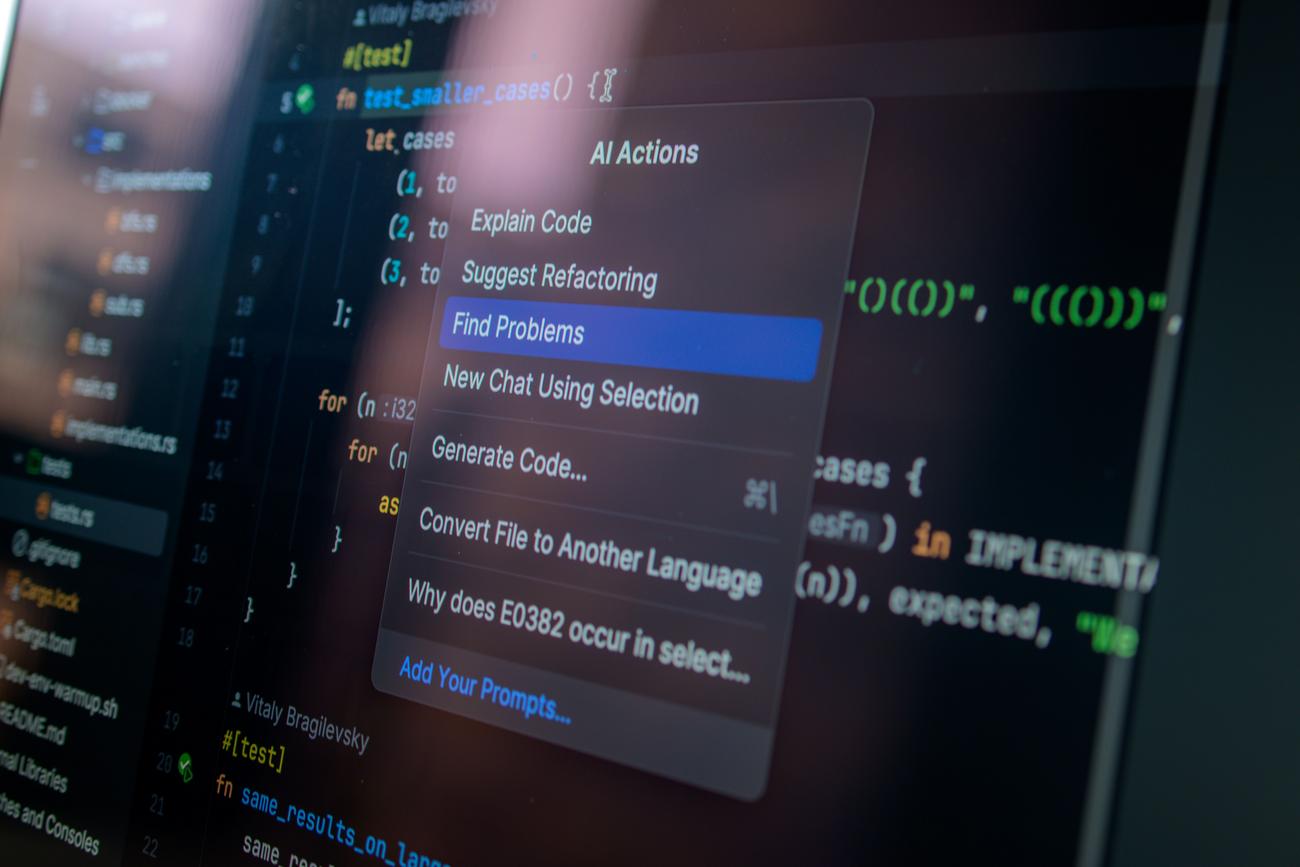
When we talk about creating computer programs, we often think of a straight path, but the reality is that software development is more of a complex ecosystem. The traditional software development life cycle (SDLC ) has served us for decades as a roadmap to avoid getting lost among lines of code and requirements, allowing us to structure the creation, deployment, and maintenance of any application so that it doesn't descend into complete chaos.
However, the introduction of artificial intelligence into this game has completely transformed the entire process. It's not just about a machine writing code for us, but a paradigm shift that boosts productivity and allows teams to forget about the most tedious tasks and focus on what really matters: innovating and solving real user problems.

The life cycle of AI itself: From baby to mature system
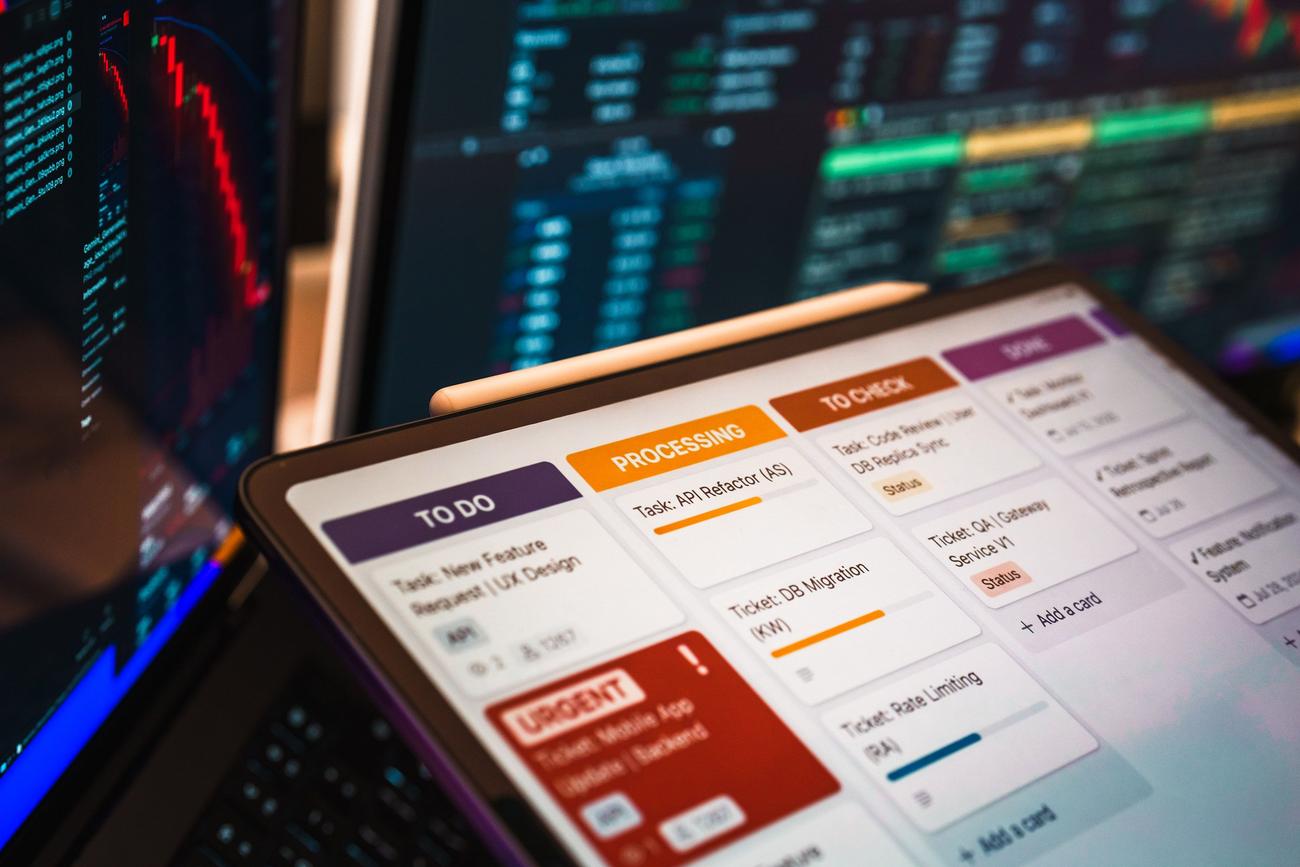
Interestingly, AI doesn't appear out of thin air; it has its own life cycle, much like that of any living being. Initially, there's a project scope stage , where objectives are defined and use cases are selected. This is where the project's viability and return on investment are determined, preventing the waste of resources on ideas that lead nowhere.
Then we reach the construction phase, which is like the adolescence of the technology. It's an iterative process where data is acquired, cleaned, and the models are trained. At this point, it's vital that everyone involved has access to the tools and information so that the model doesn't grow with errors. Finally, the model is deployed in production; if it stays in a drawer, it's useless. But be aware that the story doesn't end there, as MLOps comes into play to monitor and update the system, preventing the model from becoming obsolete or starting to fail over time.

Impact of AI on the SDLC phases
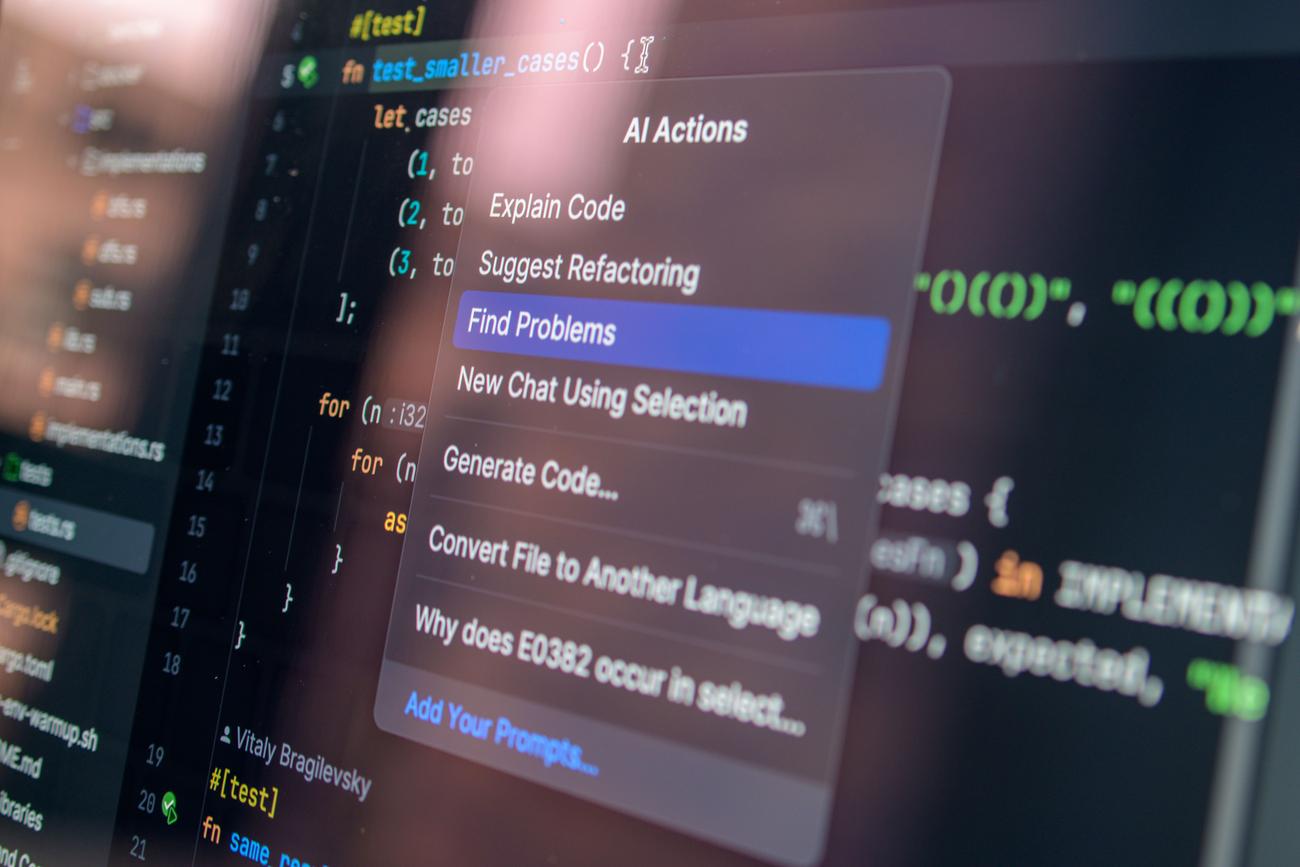
Integrating AI into the traditional workflow brings advantages that seem like something out of a science fiction movie, but are already a reality in leading companies.
- Planning and Requirements: Forget about estimates based on guesswork. AI analyzes historical data from past projects to predict timelines and budgets with accuracy amazing, identifying potential bottlenecks before they appear.
- Design and Coding: Thanks to generative AI and natural language processing, we can now turn simple descriptions into working code. This not only speeds up work but also allows modernize old code or translate languages programming without having to start from scratch.
- Testing and Quality: The testing phase is no longer a headache. There are tools that automatically generate test cases and perform regressions, detecting mistakes that a human could miss easily elevated, improving the software quality and its metrics.
- Documentation and Onboarding: Creating manuals is often the most tedious part. AI automates the generation of technical documentation and creates Interactive tutorials for new developers adapt to the project in record time.

Risks and challenges in the era of automated development

It's not all sunshine and roses; integrating AI into code also brings its own set of complications. One of the clearest dangers is bias in training models , which can cause software to make unfair or discriminatory decisions if the initial data was "contaminated." To avoid this, it's essential to conduct constant audits and use diverse databases.
Another sensitive issue is over-reliance on AI. If programmers stop thinking and simply accept AI's suggestions, we could see a decline in fundamental technical skills . Therefore, AI should be viewed as a co-pilot, not the captain. Furthermore, we cannot overlook security; automatically generated code can contain hidden vulnerabilities that require thorough human review and software security updates to prevent leaving the door open to cyberattacks.
Towards a new standard of efficiency
The future points to a development model where security and reliability are inherent to the process, not a final patch. We are moving toward implementing trustworthiness and resilience features across the entire value chain, integrating AI not only for programming but also for making tactical decisions that maximize return on investment and reduce technical debt. Combining DevOps practices with AI agents is creating an environment where software quality improves while costs decrease , transforming how we think about software engineering.
The symbiosis between human talent and artificial intelligence capabilities is redefining software development, transforming a traditionally rigid process into a dynamic, predictive, and far more secure workflow. By automating routine tasks and optimizing data-driven decision-making, organizations not only accelerate their deliveries but also enhance the robustness of their products, provided they maintain critical oversight and ongoing software maintenance to mitigate bias and security vulnerabilities.

