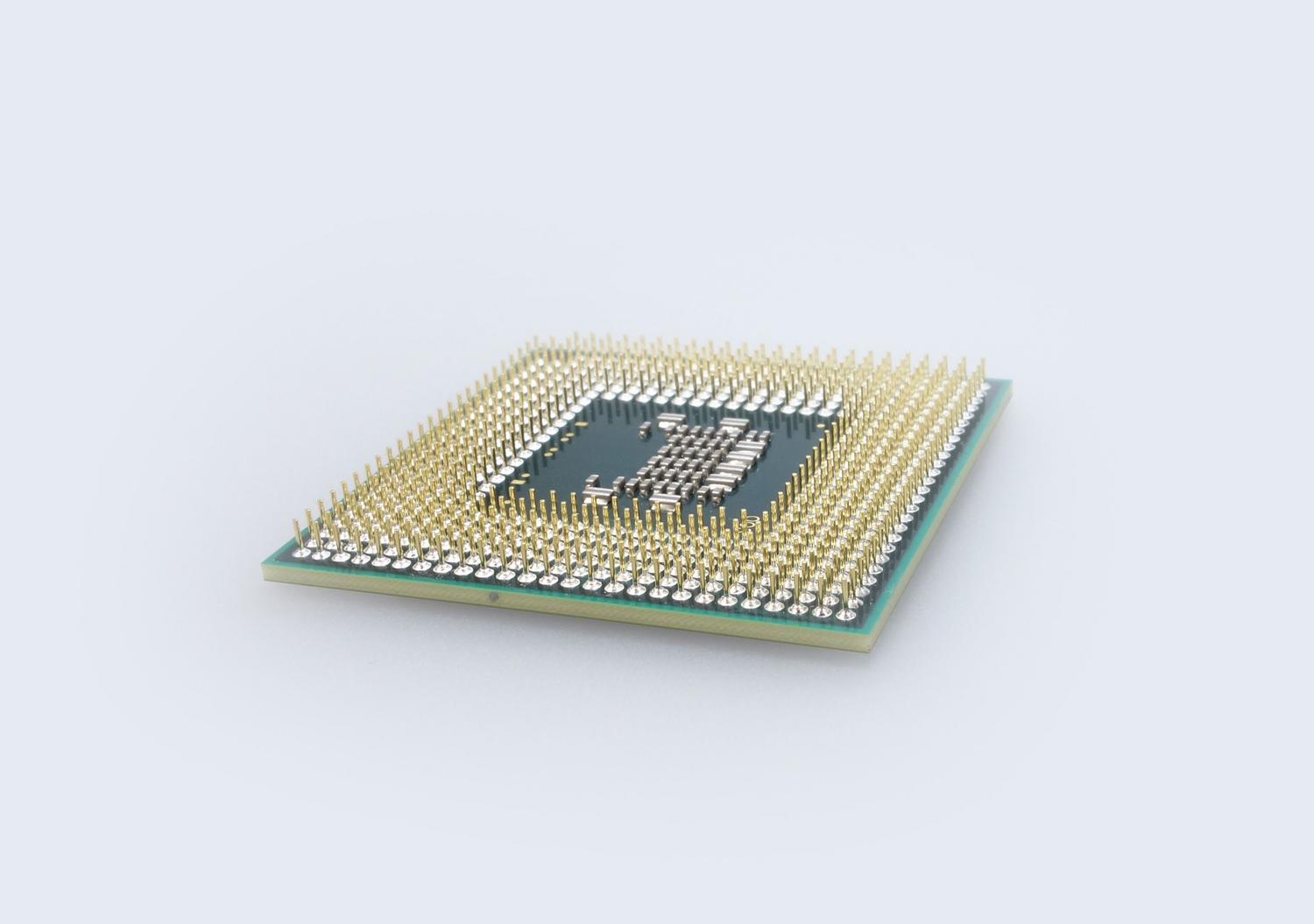
It seems Sony is already pulling strings behind the scenes to leave us speechless with its next big release. Although there's still no official announcement with a date and label, leaks and analysis of development tools suggest we're witnessing a paradigm shift, where the brute power is no longer the only priorityInstead, artificial intelligence will take over.
Expectations are sky-high because we're not just talking about a desktop machine that wants to take over the world, but about the possibility of the ecosystem fragmenting to offer us... experiences adapted to different formatsFrom the use of chiplets to heterogeneous architectures, the PlayStation 6 promises to be a technical leap that leaves the PS5 era behind.

The brain of the beast: CPU and Zen 6 architecture
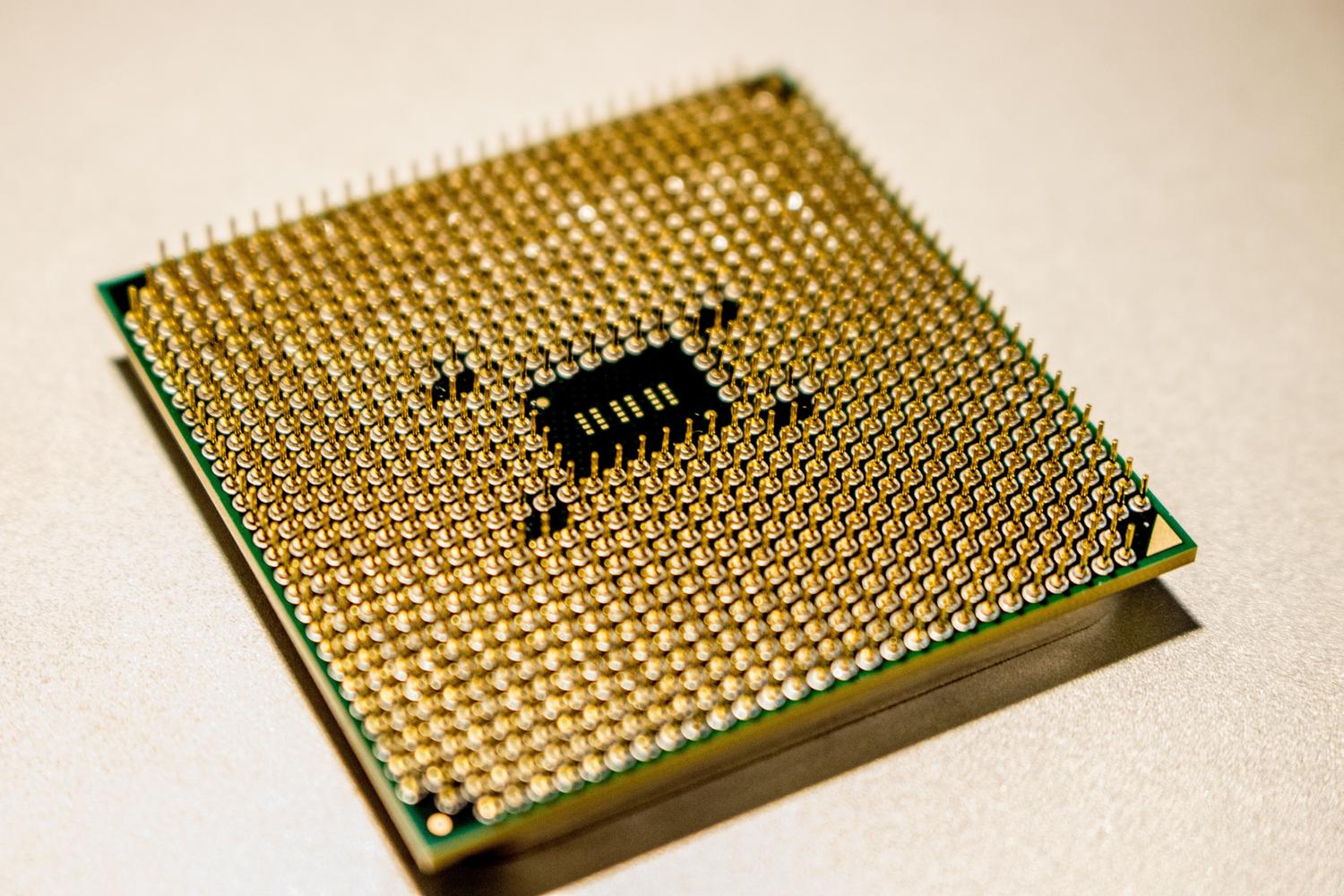
Looking under the hood, everything points to Sony remaining closely tied to AMD. There's speculation about a processor based on the [missing information - likely a specific architecture or architecture]. Zen 6 and Zen 6cIt would be manufactured on TSMC's state-of-the-art 3nm node. The most curious thing is that it wouldn't be a uniform processor, but rather a heterogeneous one, similar to what Intel or ARM currently do.
There's talk of a configuration with around 10 cores in total. Most would be Zen 6c cores optimized for gaming (between 7 and 8), while the rest would be ultra-low-power cores (Zen 6 LP) responsible for managing the operating system and background applications. This would allow the console to be much more energy efficient and for gaming performance to be more stable, with a CPI increase of up to 50% regarding the PS5.
As for speed, the clock is expected to reach maximum frequencies between 4,7 GHz and 5,0 GHz. To give you an idea, this would mean double the performance of the current CPUThis would result in much more complex physics, more vibrant worlds with more NPCs, and a much higher minimum frame rate, eliminating those annoying stutters.

Graphics power and the leap to RDNA 5 / UDNA

The visual aspect is where things are really going to get interesting. Rumors suggest the GPU will use the architecture RDNA 5 or the new UDNA (an AMD unified architecture). We would be talking about 52 to 72 Compute Units running at speeds between 2,6 GHz and 3 GHz.
This would place the theoretical power around the 40 TFLOPSHowever, the actual performance would be much higher thanks to improvements in ray tracing. Sony wants to make ray tracing truly viable, implementing cores specialized in ray-triangle intersections and Radiance Cores to free up heavily loaded shaders, allowing hyper-realistic lighting and reflections without overwhelming the console.
GDDR7 memory and the 8K challenge
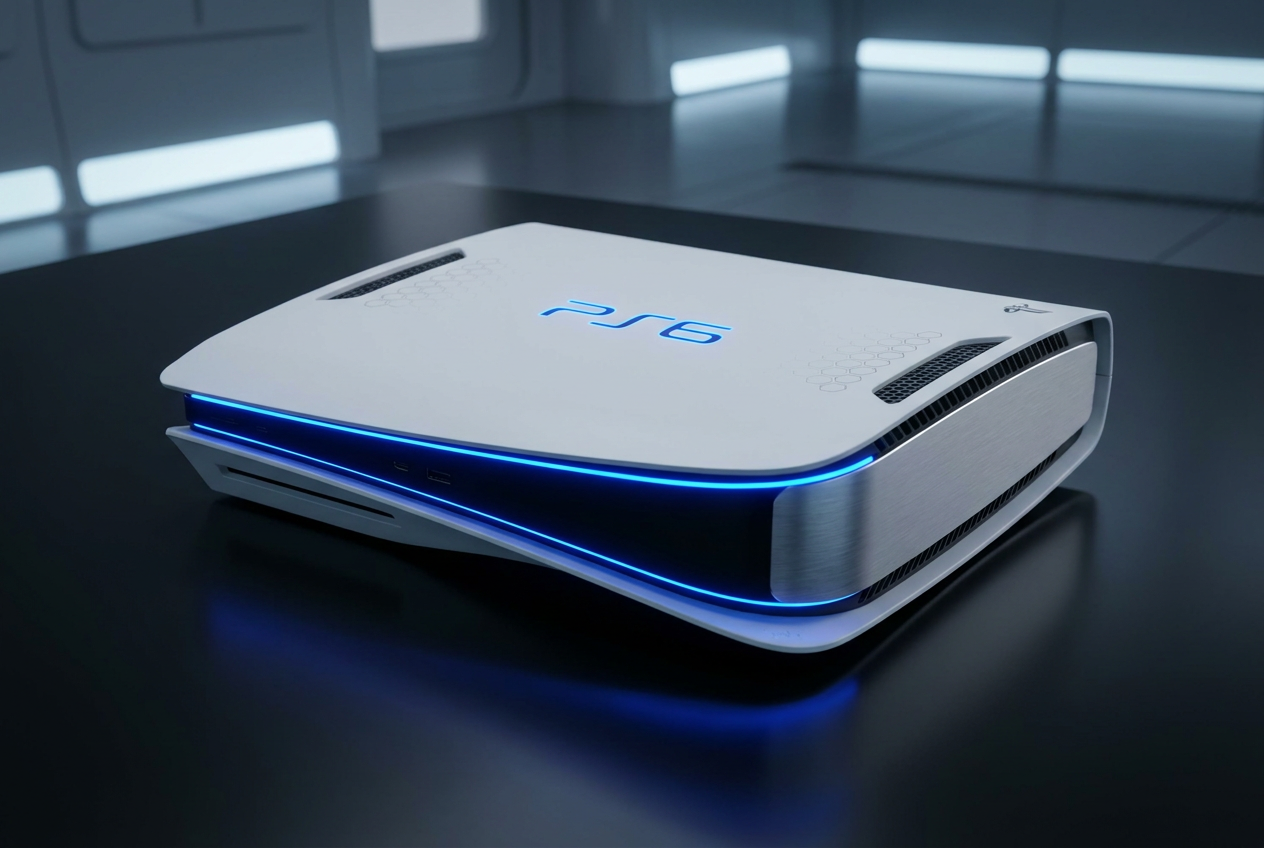
To power such a system, the PS6 can't rely on its current memory. A jump to... is planned. GDDR7 memorywhich offers massive bandwidth (up to 1152 GB/s in some speculative scenarios). The capacity could be around 24 GB or 32 GB of unified memory, essential for handling ultra-high-resolution textures.

Regarding resolution, the goal would be native 4K at 120 FPS, but the ultimate dream is... 8K standard at 60 FPSHowever, native 8K rendering is impractical due to the cost and hardware requirements, so Sony will resort to... PSSR (PlayStation Spectral Super Resolution) evolved. This AI will upscale the image to look like 8K without putting as much strain on the hardware, making the experience smooth and visually stunning.
A portable PS6? The hybrid ecosystem
This is where things get interesting. There are strong indications that Sony will release not one, but two consoles: a home console and a portable version in the style of Steam DeckTo achieve this, Sony is already adapting the development SDKs so that games run correctly with only 8 CPU threads.
The handheld would feature a low-power SoC (around 15W) with four Zen 6c cores and a cut-down RDNA 5 GPU. The idea is that it would be able to run the same games as the full-size console, but at a lower resolution (probably 1080p) and with an aggressive power-saving mode. It would be a direct response to the Nintendo Switch 2, allowing you to carry Sony's exclusives in your backpack.
Storage, Backward Compatibility, and Price
Storage will continue down the path of extreme speed with NVMe PCIe Gen5 SSDs, possibly starting with 2 TB capacity to avoid running out of space two days after buying the console. As for our old games, the decision to stick with AMD makes it much easier. backward compatibility with PS4 and PS5, even allowing older titles to receive automatic resolution upgrades thanks to AI.
But be prepared to spend a lot of money. Between the component shortage and the cost of GDDR7 memory, it's very likely that the PS6 will break the €100 barrier. 1.000 Euros The desktop version will cost [price missing], while the portable version is expected to be priced between $400 and $600. The launch is estimated to take place between [date missing]. 2027 and 2028, following Sony's usual cycles.
The PlayStation 6 is shaping up to be an entertainment hub based on artificial intelligence and flexibility, combining powerful hardware with the versatility of a portable console and an advanced upscaling system that will make 4K and 8K the norm, maintaining compatibility with our previous catalog and raising the bar for home gaming.