- The Internet of Things connects everyday devices and objects to the Internet to exchange data in real time.
- It offers benefits such as operational efficiency, improved quality of life, and new business opportunities.
- IoT applications span smart homes, sustainable cities, and healthcare, transforming our daily lives.
- Despite its advantages, it poses challenges in security, interoperability, and sustainability that must be addressed.

What is the Internet of Things?
Key components of IoT
- Devices and sensors: These are physical objects that collect data from the environment and transmit it over the Internet. They can range from temperature and humidity sensors to wearables and smart appliances.
- Connectivity and networks: IoT devices require a communication infrastructure to connect and transmit data. This can be achieved through various technologies such as WiFi, Bluetooth, RFID, cellular networks (4G/5G) and specialized protocols such as Zigbee or LoRaWAN.
- Platforms and applications: IoT platforms act as intermediaries between devices and applications, allowing management, analysis and visualization of the collected data. These platforms provide tools and services for application development. IoT that leverages data generated by connected devices.
Benefits of the Internet of Things
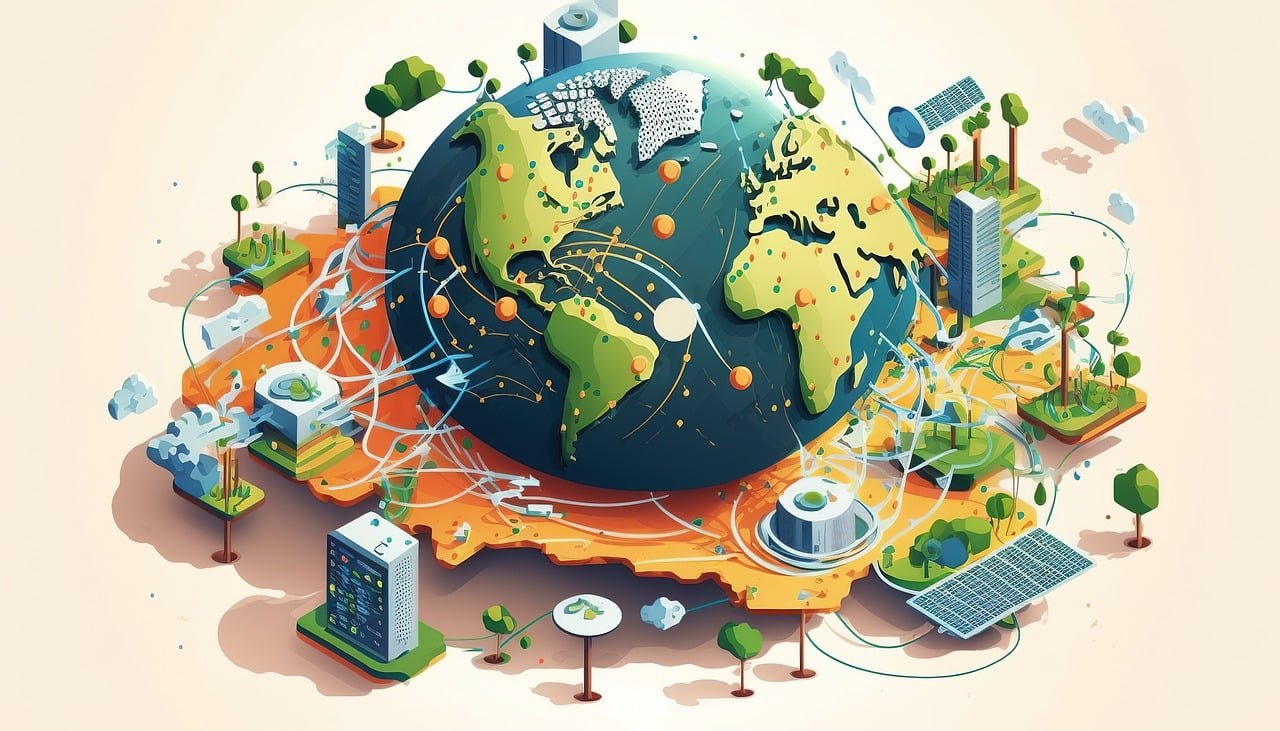
- Efficiency and optimization: IoT enables the collection and analysis of data in real time, facilitating informed decision-making and process optimization. This translates into greater operational efficiency, cost reduction and improved productivity in various sectors, from industry to resource management.
- Improved quality of lifeIoT devices can simplify and improve many aspects of our daily lives. For example, smart homes allow for greater control and convenience, while connected wearables and medical devices make it easier to track health and wellbeing.
- New business opportunities: IoT opens up a world of possibilities for the development of new products, services and business models. Companies can leverage the data generated by connected devices to deliver personalized experiences, improve customer service and create new revenue streams.
IoT applications in everyday life
- Smart homesIoT devices, such as connected thermostats, lights, locks and appliances, enable greater home control and automation. This provides convenience, security and energy efficiency, improving the quality of life for residents.
- smart cities: IoT plays a crucial role in the development of smart and sustainable cities. Connected sensors and devices enable efficient management of traffic, street lighting, waste collection and air quality, among other aspects. This improves mobility, safety and the quality of life of citizens.
- Health & WellnessIoT devices, such as wearables and medical sensors, enable continuous monitoring of people's health and well-being. This facilitates early detection of problems, tracking of chronic diseases and promoting healthy habits, improving healthcare and quality of life for patients.
IoT in industry
- Smart manufacturing: IoT enables the implementation of smart and connected factories, where sensors and devices monitor machine performance, product quality and process efficiency in real time. This facilitates early detection of problems, optimisation of production and reduction of downtime.
- Logistics and supply chainIoT and traceability in the supply chain, enabling real-time tracking of products from manufacturing to final delivery. This optimizes inventory management, reduces costs, and improves customer satisfaction.
- Energy and utilities: IoT enables the smart management of energy and resources such as water and gas. Connected sensors and devices facilitate consumption monitoring, leak detection and distribution optimization, promoting energy efficiency and sustainability.
IoT Challenges and Considerations
- Security and privacyThe growing number of connected devices and data sharing raise concerns about information security and privacy. It's critical to implement robust security measures, such as data encryption and secure authentication, to protect devices and data.
- Interoperability and standards: The diversity of devices, protocols and platforms in the IoT ecosystem can create interoperability challenges. Common standards and norms need to be established to ensure compatibility and seamless communication between different IoT components.
- Environmental impact and sustainability: The rapid growth of IoT raises concerns about its environmental impact, such as increased energy consumption and generation of electronic waste. It is crucial to promote sustainable practices, such as designing energy-efficient devices and implementing recycling and reuse strategies.
The future of the Internet of Things
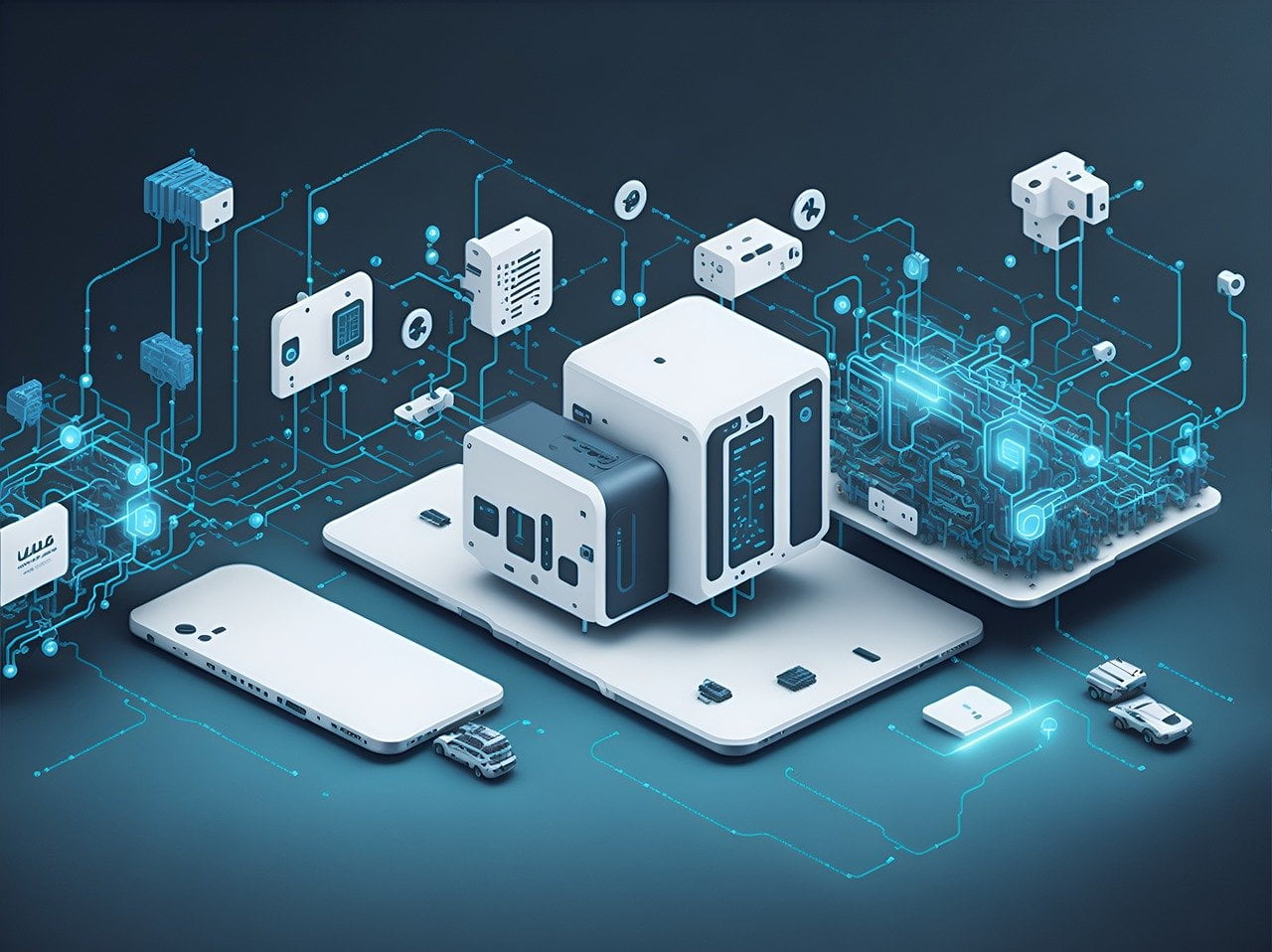
- Trends and projections: The number of connected devices is expected to grow exponentially, reaching tens of billions in the coming years. This will drive massive data generation and the creation of new IoT-based services and applications.
- Innovations and future developments: The advancement of technologies such as artificial intelligence, machine learning, and edge computing will further enhance the capabilities of IoT. This will enable smarter data analysis, advanced automation, and real-time decision making.
- Emerging opportunities and challenges: IoT will open up new opportunities in sectors such as healthcare, smart agriculture, autonomous mobility and smart cities. However, challenges related to ethics, data governance and the digital divide will also arise, which will need to be addressed proactively.

Frequently asked questions about what is the Internet of Things
- How does the IoT work? IoT works by connecting physical devices to the internet, allowing them to collect and share data. These devices are equipped with sensors, software, and connectivity, allowing them to communicate with each other and with cloud platforms for analysis and decision-making.
- What devices can connect to the IoT? Virtually any object can become an IoT device if you add the ability to connect to the Internet. This includes household appliances, vehicles, wearables, industrial sensors, medical devices, and many others.
- Is the Internet of Things secure? Security is a critical aspect of IoT. Although there are risks and challenges, such as the possibility of hackers and data breaches, robust security measures, such as encryption and authentication, are being implemented to protect devices and data.
- How can I start using IoT in my home or business? To get started with IoT, you can purchase IoT-enabled devices, such as smart thermostats or sensors, and connect them to your network. You can also explore IoT platforms and services that fit your specific needs.
- What is the economic impact of IoT? IoT is expected to have a significant economic impact, boosting efficiency, productivity and creating new business models. According to estimates, IoT could add trillions of dollars to the global economy in the coming decades, transforming industries and generating new growth opportunities.
- How is the Internet of Things regulated? IoT regulation is evolving as the technology expands. Governments and organizations are working on developing regulatory frameworks to address issues such as data privacy, security, and interoperability. However, much work remains to be done to establish comprehensive and harmonized regulations globally.