- Clear differentiation between industrial and service robotics, which is further divided into personal and professional applications.
- Detailed analysis of operational benefits, such as reduced labor costs and increased efficiency in hospitality and healthcare.
- Exploring sectors where automation is key, from logistics and security to specialized medicine.

You've probably heard that technology is advancing by leaps and bounds, but the truth is that service robotics is no longer just science fiction. We're talking about machines designed to lend us a hand in our daily lives, taking care of those tasks that are tedious, dangerous, or simply repetitive, allowing us to focus on what truly adds value.
Unlike the giant robotic arms we see in car factories, these robots are much more versatile and tend to be more compact. Their main purpose is to assist humans in non-industrial settings, integrating into our work or home routines to make everything run more smoothly, whether serving dinner in a restaurant or assisting in surgery.

What exactly is service robotics and how is it classified?
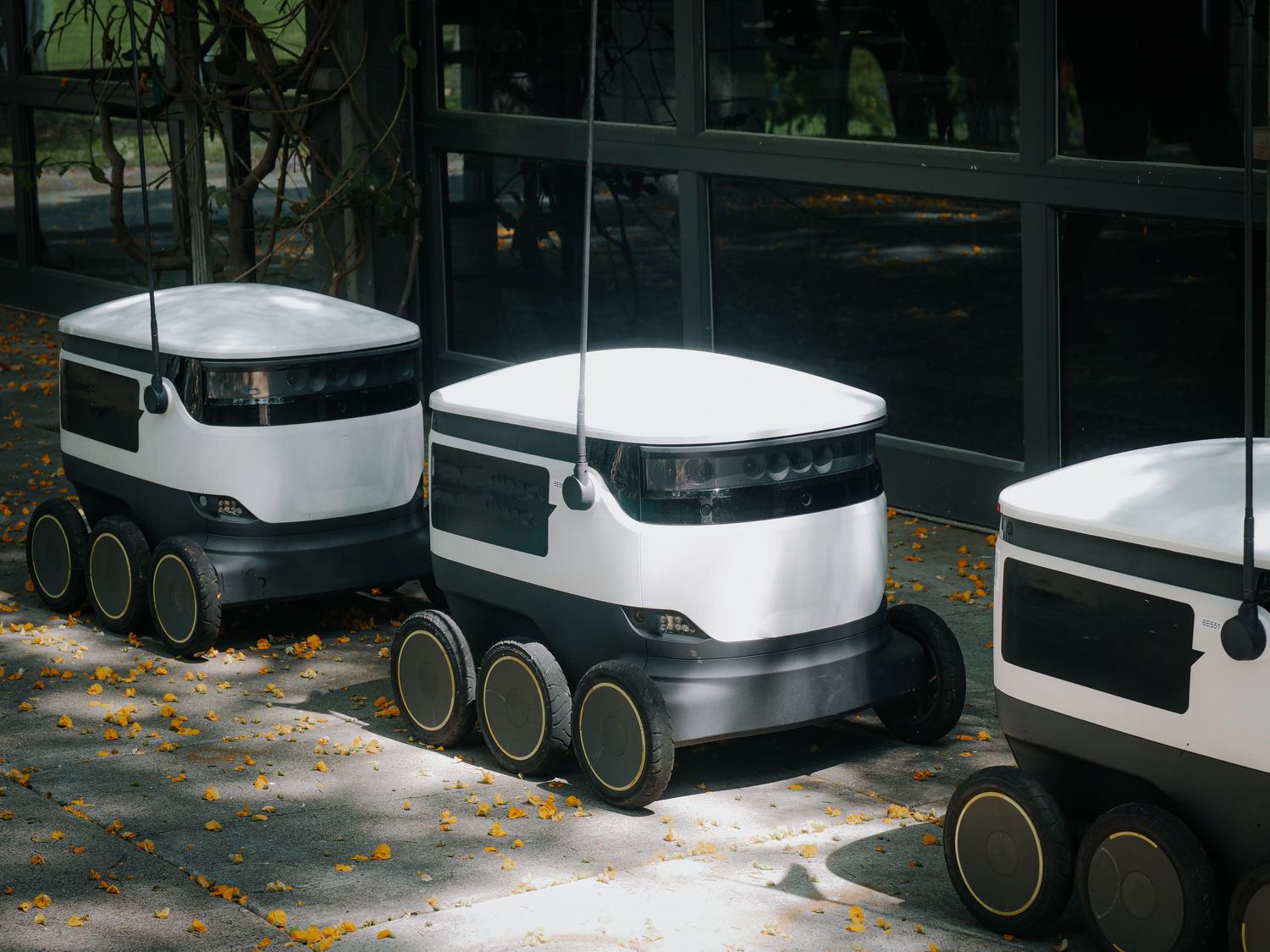
To begin making the distinction, the International Federation of Robotics (IFR) tells us that a service robot is any device that performs tasks useful to people outside of industrial automation. The key difference lies in the fact that, while industrial robotics focuses on mass production and brute force, service robotics emphasizes mobility and interaction.
Within this world, we can find two distinct categories:
- Personal service robots: These are the ones we use at home without any profit motive. This includes the popular robotic vacuum cleaners, food processors, and even motorized wheelchairs.
- Professional service robots: These are tools designed for commercial purposes and usually require a trained operator to manage them. Clear examples are disinfection robots in hospitals or... robots in logistics and warehouse automation.
This ecosystem is fascinating because it blends artificial intelligence , 5G connectivity , and state-of-the-art sensors so that the machine can navigate its environment without colliding with anything and make intelligent decisions in real time.

The revolutionary impact on the hospitality and retail sectors
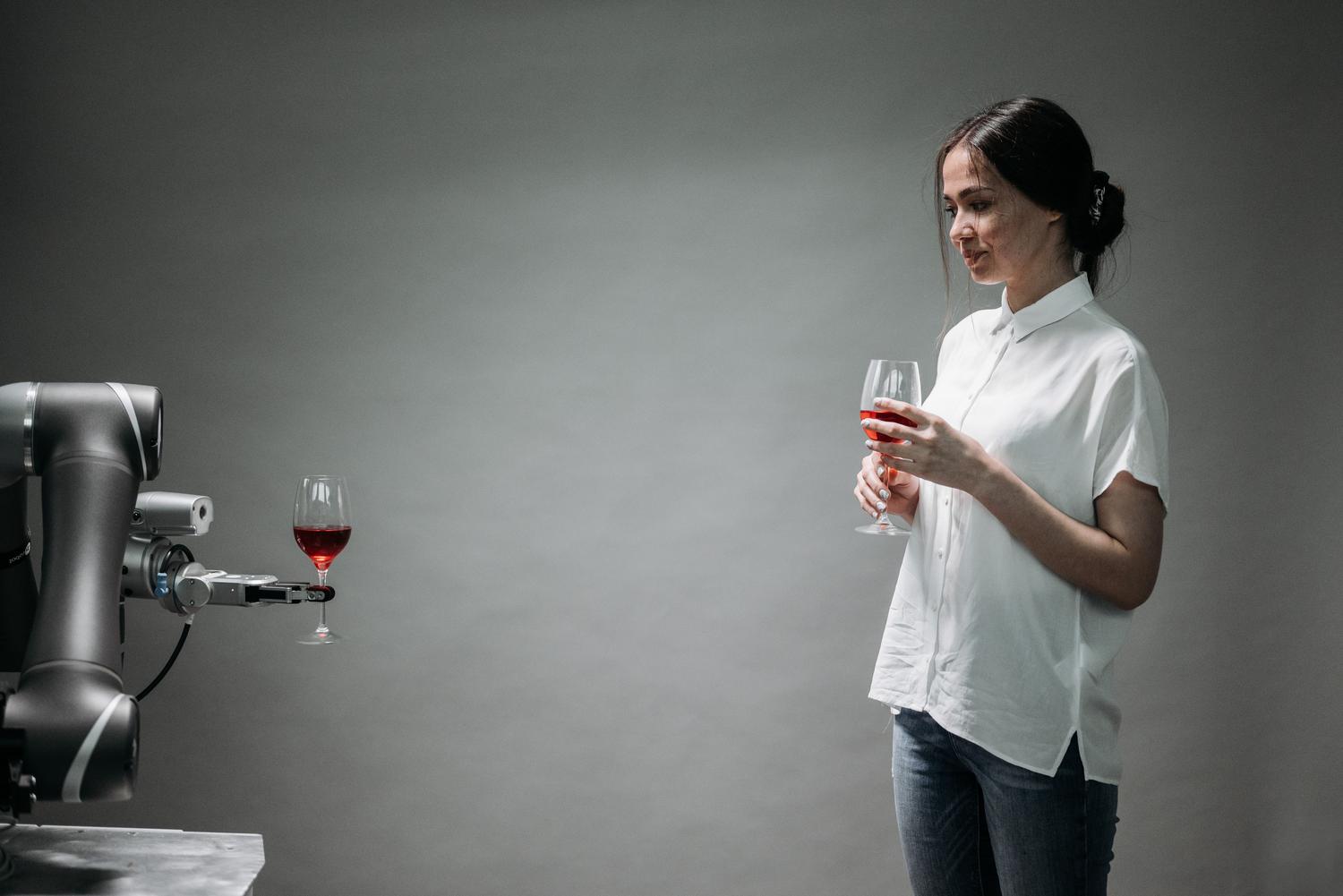
If we look at the restaurant industry, the implementation of these assistants is a true game-changer. Imagine a robot that takes care of bringing the dishes to the table or clearing away dirty plates. This isn't just a spectacle for the customer; it actually allows waiters to reduce their daily steps by up to half and carry much less weight, preventing injuries and physical exhaustion.
Furthermore, by freeing staff from the more mechanical tasks, the waiter has more time to chat with the diner and recommend the daily special or that special wine, which inevitably raises the average check. It's a masterstroke: you improve efficiency and earn more money.
Among the most notable advantages in business we find:
- Absolute precision: Order errors are a thing of the past; the robot delivers exactly what was requested.
- Total availability: They do not need breaks, vacations or tips, and can operate on night shifts or during peak demand without getting tired.
- Innovative image: Having a robot attracts attention and positions the business as a technological benchmark, functioning as a marketing tool brutal.
- Hygiene and health: Especially useful for maintaining social distance and minimizing physical contact in healthcare settings.

Professional applications in other key sectors
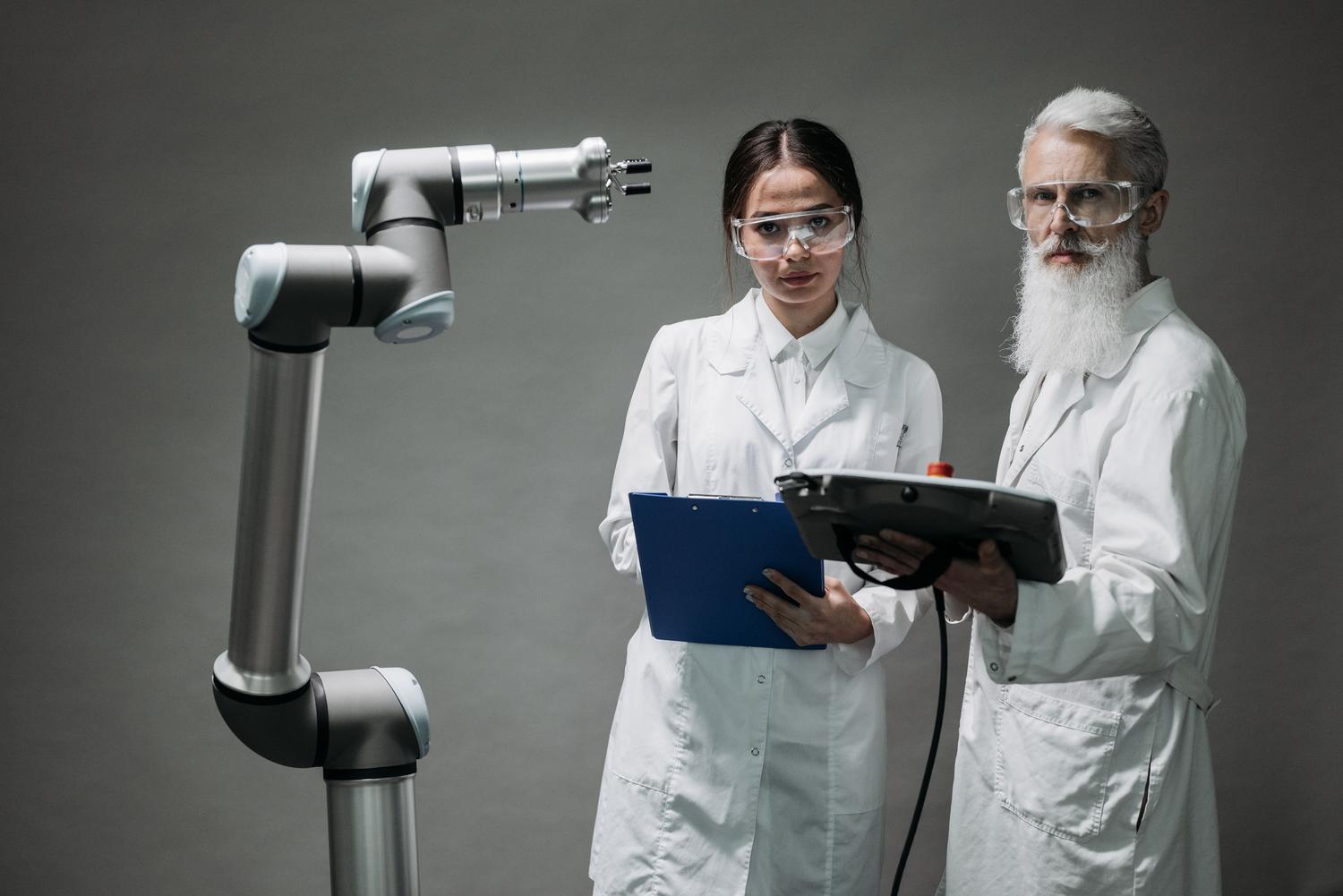
While the hospitality industry is highly visible, professional robotics extends far beyond this. In the field of medicine and healthcare , the advances are astonishing. We have artificial intelligence applications for healthcare that allow for minimally invasive surgeries with a precision that the human hand cannot achieve, reducing blood loss and accelerating patient recovery. There are also rehabilitation robots and assistants that transport medications within clinics.
In terms of logistics and security , these systems manage warehouses, locate products, and move heavy loads, drastically reducing workplace accidents. Meanwhile, surveillance robots use thermal cameras, GPS, and microphones to detect intruders or autonomously conduct security patrols both indoors and outdoors.
Even in sectors such as agriculture or the environment , these machines help optimize the use of natural resources, facilitating the recycling of hazardous materials and enabling more sustainable and fresher food production.

Keys to choosing the right robot and current challenges
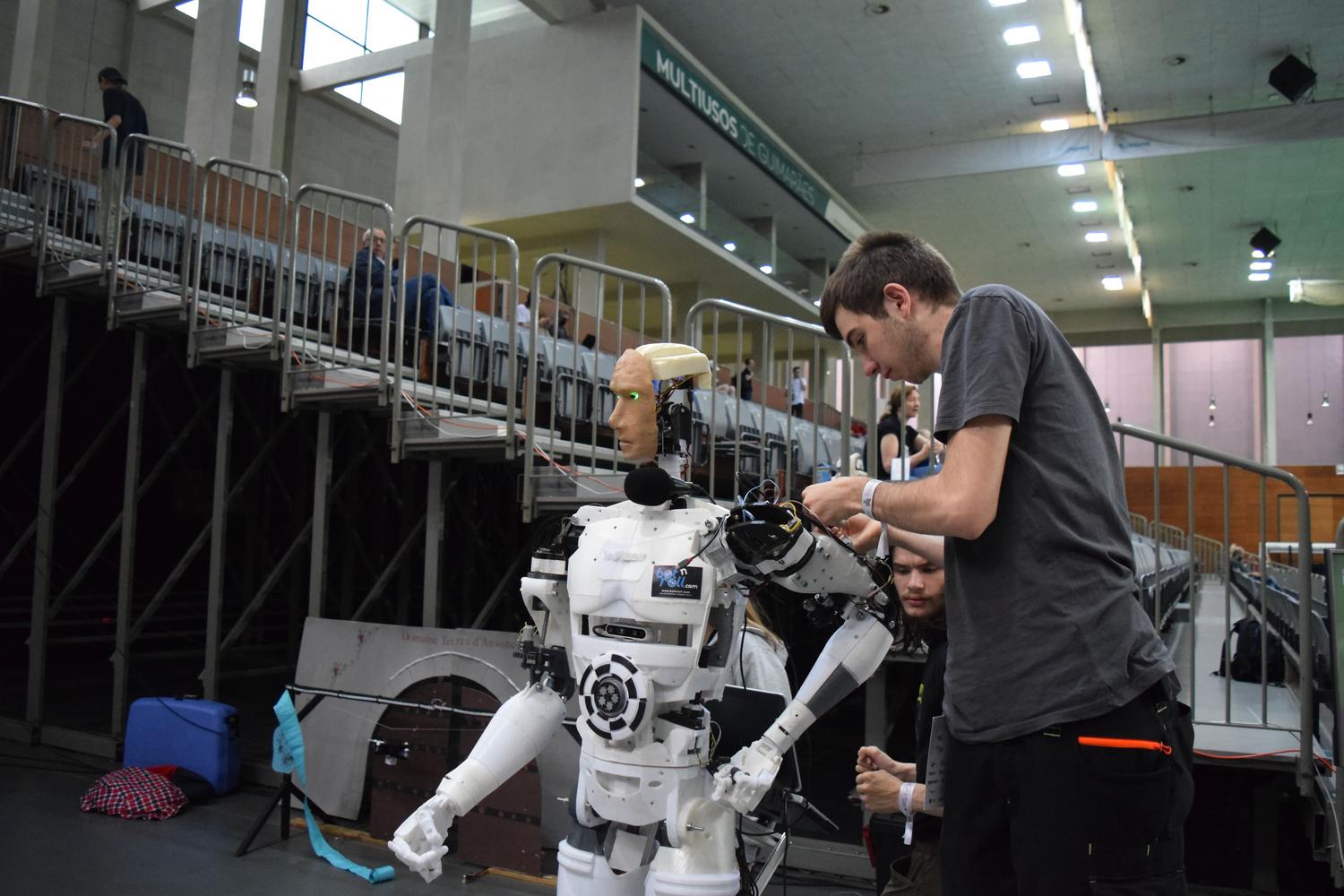
It's not about buying just any machine because it's trendy, but about analyzing which processes we want to optimize. It's essential to ask ourselves if we need autonomous navigation , facial recognition, or if the robot should learn from its environment or simply repeat an action. We also need to consider the physical space, since, although they are compact, most cannot climb stairs and require flat surfaces.
Training is also a fundamental pillar. Currently, there are pioneering centers offering degrees in Human-Centered Robotics , focusing on Industry 5.0. The goal is to create professionals who not only know how to program the hardware, but also understand the user experience and the human-machine interface so that coexistence between people and robots is natural and productive.
However, let's be realistic: the initial investment can be high, and maintenance is mandatory. True success lies in finding the balance between automation and the human touch, because in sectors like hospitality, human warmth remains the secret ingredient that customers value most.
The integration of these autonomous technologies eliminates the most tedious and dangerous workloads, optimizing team performance without increasing staff. From delivering supplies in a hospital to managing orders in a sushi restaurant, professional robotics is establishing itself as the driving force behind a new era of productivity and human well-being.