- Artificial intelligence has caused the collapse of the traditional time window between the discovery of a vulnerability and its exploitation.
- The defensive paradigm is shifting towards total automation and machine-speed responsiveness in order to survive.
- The value of the security expert no longer lies in manual technical execution, but in strategic judgment and the orchestration of AI tools.

For decades, companies felt reassured knowing that, after discovering a security flaw, there was a reasonable window to analyze the risk and apply the necessary patches. However, that calm is over. The rise of generative artificial intelligence has disrupted the traditional balance, allowing attackers to operate at a speed that makes traditional human processes look like child's play.
We're no longer just talking about hackers having better tools, but about a frenetic change of pace. We're entering an era where speed of reaction is the only real shield, since defense cycles that used to take weeks now have to be resolved in a matter of minutes to prevent the company from going under.

The collapse of the window of opportunity

Until recently, there was an accepted logic: a vulnerability would be published, and organizations would have a window of opportunity to react. Google Cloud has warned that this window of opportunity has practically collapsed. Now, AI not only helps find flaws but also automates the creation of working exploits, democratizing capabilities that were previously only available to state actors or elite hackers.
This phenomenon means that anyone with access to advanced models can launch complex attacks without being a technical expert. Offensive automation allows reconnaissance, phishing, and system evasion to be carried out massively and simultaneously, rendering the traditional patch management model completely obsolete.

Machine-speed attacks: Alarming data

The reality is stark when we look at the numbers. Recent reports, such as the one from Palo Alto Networks' Unit 42, reveal that some incidents achieve data exfiltration in just 72 minutes . This is four times faster than in previous years. AI is being used throughout the entire attack lifecycle, from initial access to data theft.
Furthermore, attacks are no longer linear. 87% are multichannel, moving between endpoints, the cloud, and SaaS platforms. Particularly concerning is that 65% of initial access attempts rely on identity theft techniques, such as credential theft or AI-powered social engineering, while the browser remains the primary battleground in nearly half of the cases.

The new role of defenders and the SOC
Given this scenario, traditional Security Operations Centers (SOCs), which rely on analysts manually reviewing alerts, are simply overwhelmed. To avoid falling behind, it is imperative to migrate to defensive automation and continuous validation. The goal is to respond to threats that evolve at breakneck speed with enterprise cybersecurity software strategies that operate at the same pace.
This completely changes the landscape for professionals. Security analysts no longer need to waste time on repetitive tasks, but rather focus on monitoring automated processes and coordinating strategic responses. The differentiating factor is no longer knowing how to execute technical commands, but contributing human judgment to interpret the context and prioritize real risks.

The human infrastructure of security
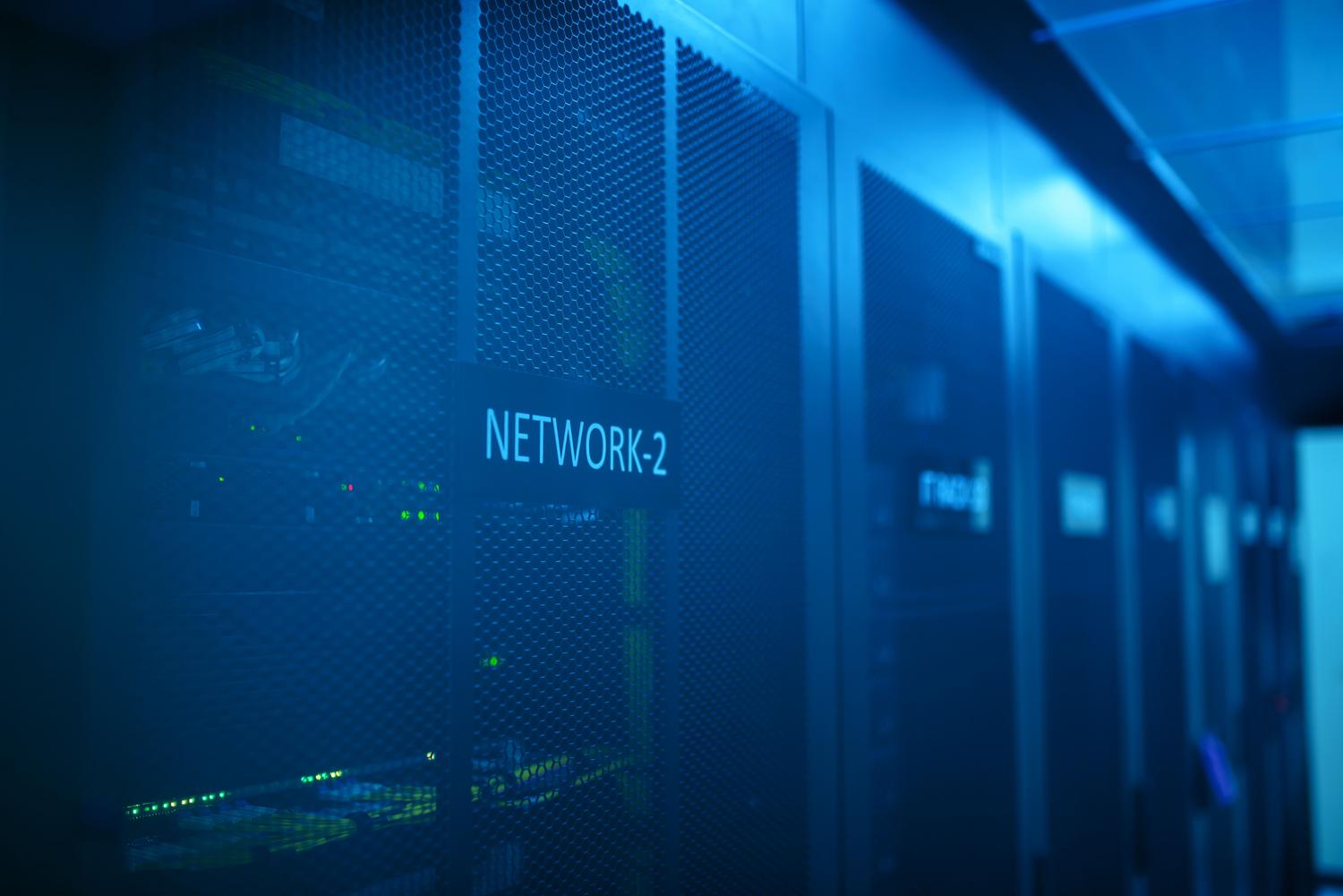
To manage this chaos, organizations need a well-defined structure, although today security is everyone's responsibility . The CISO leads the strategy, supported by a practical guide to leading cybersecurity and a diverse ecosystem.
- Security analysts: Proactive protectors that respond to gaps.
- Security architects: Designers who balance system robustness with usability.
- Penetration testers: Ethical hackers who look for the flaw before the enemy.
- System and network administrators: Those responsible for ensuring that the infrastructure is efficient and safe.
Privacy, RegTech, and balancing it with business
It's often thought that implementing security puts the brakes on business. Following the accelerated digitalization brought on by the pandemic, many companies made more common cybersecurity mistakes due to haste. This is where RegTech comes in , using software as a service to manage regulatory compliance without slowing down daily operations.
The key is to integrate privacy from the moment an employee is hired, using real-time monitoring and detection to prevent data breaches. Data privacy is no longer a bureaucratic burden, but a competitive advantage, as customers prefer brands that protect their information. The gap between security and speed is closing thanks to tools that integrate compliance directly into the enterprise architecture.

Towards an adaptive resilience

Cybersecurity can no longer be the final step before launching a product; it must be a guiding principle throughout the entire software lifecycle. As offensive capabilities, such as the impact of Claude Mythos on cybersecurity , escalate, companies must adopt a governance of speed.
Organizations that try to tackle this alone will be overwhelmed. Support from external experts and knowledge transfer are vital for gaining autonomy. True competitive advantage lies not in having the most expensive tool, but in the ability to learn and adapt faster than the competition.
In this new landscape, survival depends on replacing slow reaction with intelligent anticipation. The convergence of AI, automation, and human judgment is the only way to close the security gap, making operational agility the main pillar of business resilience in the face of a threat environment that shows no signs of slowing down.
