- Strong concentration of the mobile market: four operators (Movistar, Vodafone, MASORANGE and Digi) account for more than 97% of the lines and set the pace of competition.
- Portability at record highs and sustained growth of FTTH fiber, which is already approaching 18 million lines and definitively displacing ADSL and HFC.
- Price increases from major operators and the rise of second-tier brands and low-cost MVNOs are forcing users to review their consumption and tariffs to avoid overpaying.
- Deep transformation of telecoms, with workforce reductions, automation and a change in business model to adapt to a digital environment dominated by 5G, IoT and advanced services.
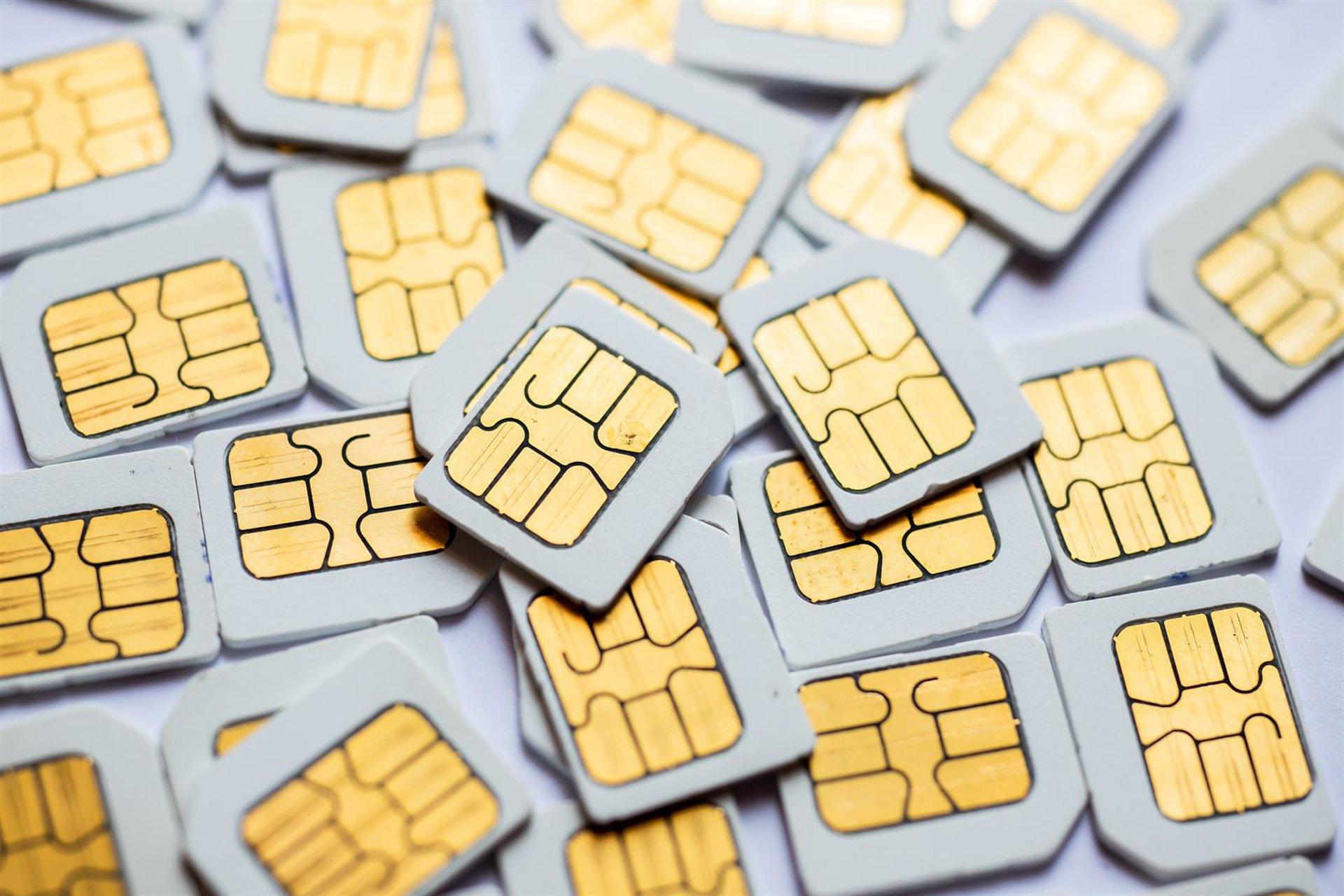
The mobile phone market in Spain is experiencing one of its most intense and dynamic periods. Portability rates are skyrocketing, fiber optics continues its relentless expansion, and major operators are being forced to redefine their strategies amidst price increases, mergers, and staff reductions. All of this is happening in a context where connectivity has become as essential a service as electricity or water.
At the same time, users navigate an increasingly polarized ecosystem: on one side are the large, traditional telecom companies with "premium" offerings packed with services ; on the other, a wave of low-cost operators and second-tier brands that compete almost exclusively on price. Understanding what's happening in the mobile and broadband market is key to knowing why bills are rising, who's winning the battle for customers, and what real alternatives exist for paying less without sacrificing a good connection.
Mobile portability at its peak and current market share

September 2025 has become a key month: mobile number portability reached almost 571.000 operator changes , specifically 570.939, representing an 11,8% increase compared to the same month of the previous year. This is the highest volume of the entire year and perfectly reflects the intense competition among companies to win over customers.
In that same month, the number of mobile lines in Spain reached 62,81 million active lines , representing a year-on-year growth of approximately 4,2%. Movistar, Vodafone, and MASORANGE (the result of the merger between Orange and the MASMOVIL Group) accounted for 86,3% of mobile lines, and if Digi is included, this figure jumps to 97,5% of the market.
Looking at market share by operator, MASORANGE remains the dominant player with 26,08 million mobile lines and a market share of approximately 41,5%. Movistar follows with 16,47 million lines and 26,23% of the market, Vodafone Spain with 11,63 million lines and 18,52%, while Digi reaches 7,06 million lines, representing around 11,25%. The independent mobile virtual network operators (MVNOs) collectively account for 1,54 million lines and a mere 2,47% market share.
Taking all this data together, it's clear that the Spanish mobile phone market is highly concentrated : Movistar, Vodafone, MASORANGE, and Digi account for over 97% of all mobile lines. The remaining players have very little room to maneuver, which explains why many price wars originate from the secondary brands of these groups and a handful of very aggressive MVNOs.
Who wins and who loses lines in the war for the customer

Behind those nearly 571.000 mobile carrier switches lies a dance of winners and losers. In terms of net mobile portability balance in September 2025 , Digi and Movistar are the big winners, while MASORANGE, Vodafone, and independent MVNOs are clearly disadvantaged.
MASORANGE recorded a net loss in number portability of approximately 43.131 lines that moved to other operators; Vodafone lost 17.184 lines, and the independent MVNOs as a whole lost another 31.974. On the other hand, Digi achieved a net gain of 63.660 lines, and Movistar added 28.629 numbers from other companies, showing that the competitive dynamic is favoring both the incumbent operator and the leading low-cost player at the moment.
Even so, if we analyze the total number of lines (not just ported lines), MASORANGE achieved a net increase of 149.107 mobile lines in September compared to the previous month, thanks mainly to new sign-ups. Digi added 117.586 lines and Movistar 50.545, while Vodafone Spain lost a net 15.171 lines and independent MVNOs declined by 38.919.
By June 2025, a similar trend was already visible, although less pronounced. That month saw 461.686 operator changes, 5% more than in June of the previous year. Movistar and Digi were again the only ones with positive portability balances, gaining 15.481 and 66.845 lines , respectively, while Vodafone, MASORANGE, and all MVNOs lost net customers. The pattern is clear: users are moving en masse towards the combination of a large operator with a quality image (Movistar) and a very aggressive low-cost player (Digi).
Evolution of mobile broadband and the role of M2M lines
The boom in the mobile market isn't measured solely by traditional voice lines. Mobile broadband , that is, lines with internet access, continues to grow rapidly. In September 2025, there were 56,23 million mobile broadband lines, representing a 5,7% increase compared to the same month in 2024. Within that total, lines dedicated exclusively to data reached 702.200, reflecting the intensive use of connected devices beyond the classic smartphone.
By June 2025, mobile voice lines with internet access totaled 55,4 million , a 5,1% increase year-over-year. The sustained growth of mobile broadband is driven by both the increased consumption of streaming video, social media, and online gaming, as well as the expansion of mobile connected devices such as 4G/5G modems, tablets, and portable routers.
The performance of machine-to-machine (M2M) lines deserves special mention, as they are the foundation for the development of the Internet of Things (IoT) . In June 2025, these lines reached 18,07 million, representing a year-on-year growth of 48,3% , a truly remarkable figure compared to the growth rate of other segments. These are the SIM cards that provide connectivity to all kinds of devices: smart meters, vehicle fleets, industrial sensors, alarms, telemetry solutions, and even connected street furniture.
This boom in M2M lines explains why telecoms are so insistent on the importance of 5G and advanced network services. While the average home user may only see faster mobile speeds, the reality is that the market's structural growth will come from the millions of devices that connect and transmit data without human intervention.
Fiber optics, fixed broadband, and the HFC rollback
The other major pillar of the telecommunications market is fixed broadband , where Spain has become one of the countries with the largest deployment of fiber to the home (FTTH) in Europe. In September 2025, fixed broadband added 103.482 new lines, reaching 19,39 million active connections.
Of that total, FTTH lines reached 17,6 million connections , after growing by 116.496 in just one month. Meanwhile, HFC lines (the old coaxial cable networks) decreased by 21.279 connections, demonstrating the replacement of older technologies with pure fiber. Movistar, Vodafone, and MASORANGE held 81,6% of the fixed broadband market, and if Digi is included, the percentage rises to 94,1%, mirroring the high concentration already seen in the mobile segment.
Going back a few months, in June 2025, fixed broadband was also showing an upward trend. At that time, 72.363 new lines were added , reaching 19,18 million connections. The rollout of FTTH was again the main driver, with 125.853 net new connections that month and a fiber optic network that already exceeded 17,3 million lines. The message is clear: fiber continues to progressively replace ADSL and HFC, and is consolidating its position as the benchmark technology for fixed connectivity.
In terms of market share, approximately 82,2% of fixed broadband lines were held by Movistar, Vodafone, and MASORANGE in June, reinforcing their position as dominant operators in the fixed-line market . The remaining companies, including MVNOs offering fiber and regional operators, were vying for a relatively small slice of the pie, although in many cases with very aggressive pricing strategies.
Fixed telephony and wholesale services: the less visible part of the business
Although it may seem that fixed-line telephony is declining, the figures still show a considerable volume. In September 2025, 17,62 million fixed lines were recorded , after adding 6.556 lines during the month. Furthermore, 100.258 fixed-line number portings were carried out, 4,1% more than a year earlier, demonstrating that switching operators is not exclusive to mobile.
In June 2025, the number of fixed telephone lines was very similar, at 17,59 million, but with a larger monthly increase of 21.700 new lines. Fixed telephone penetration then stood at 35,8 lines per 100 inhabitants, showing that many households and businesses still need this type of service, whether for traditional voice calls, IP PBXs, or related services.
Meanwhile, wholesale broadband services play a key role in enabling operators without their own network to offer fiber and xDSL. At the end of September, the wholesale market had 4.327.378 local NEBA lines and 1,002 million indirect access NEBA FTTH lines, all fiber optic. A few months earlier, in June, the number of local NEBA lines was slightly higher, at 4,39 million, and the number of NEBA FTTH lines was just over 1 million.
These wholesale products allow MVNOs and regional operators to reach areas where they don't have their own network deployment by leasing the network from the larger operators. It's a less visible business for the end user, but essential to guarantee a minimum level of effective competition in fixed broadband , especially in areas where there is only one dominant network operator.
While the number of mobile lines is growing, the three major traditional operators in Spain—Movistar, Orange, and Vodafone—are preparing another price increase for January 2026. This increase will affect both fiber optic services and mobile phone plans, and has become almost an annual occurrence that puts a strain on the budgets of many households if they don't make decisions in time.
The official reasons these companies give to justify the price increases are rising costs, continuous investment in 5G networks, high-speed fiber optics, fiber-to-the-room (FTTR) solutions, and the introduction of standards such as WiFi 7. They present themselves as "premium" providers that offer not only connectivity , but a combination of advanced services: pay television with sports and movie channels, home security systems, telemedicine services, financing for high-end devices, and a wide network of physical stores.
To these infrastructures must be added the entire cost of maintaining 5G and 5G+ networks, voice technologies such as VoLTE, VoWiFi, and VoNR, and fiber optic speeds that already reach 10 Gbps in some cases. From the operators' point of view, this constant investment must be reflected in the final bill, although for the user this simply means paying a little more each year for the same thing , or for features they may not even use.
There's a key legal element that many users overlook: operators are required to notify customers of any contract changes at least one month in advance . This includes price increases and, furthermore, allows you to terminate the contract without penalty for early termination, as it's considered a unilateral change of terms by the company. The notification usually arrives via the bill, email, or SMS, and it's worth reading carefully because, in practice, it's a way to switch operators without paying penalties (except for continuing to pay off any outstanding mobile phone financing, if applicable).
How to optimize your bill: consumption audit and switching providers
Given this scenario of widespread price increases, the least intelligent strategy is to do nothing. If the customer receives the notification and doesn't respond, the operator assumes they tacitly accept the new terms , and the price increase takes effect on the specified date. Therefore, it's advisable to conduct a brief review of your usage before the new rates arrive.
A simple way to start is to check your mobile data provider's app to see how many gigabytes of mobile data you consume on average and how you actually use your fiber connection. Many users pay for unlimited data or exorbitant fiber speeds "just in case," when in their daily use they barely reach a fraction of that amount. A very useful rule of thumb is to choose a plan that covers your average data consumption of the last few months plus an additional 20% buffer, instead of paying for excess capacity that you never use.
In today's market, it's usually easier to upgrade your plan than downgrade it: if you ever find it insufficient, the provider allows you to switch to a higher plan almost immediately; on the other hand, reducing features or price is usually slower and involves more negotiation. Therefore, for many households, it makes more sense to start with a more affordable plan and upgrade only if necessary.
If, after analyzing your usage, it becomes clear that the price increase isn't worthwhile, there are two main options: look for cheaper plans within the same operator (which sometimes still offers older, more economical plans) or look elsewhere. Secondary brands like O2 (Telefónica), Lowi (Vodafone), or Simyo (Orange), as well as low-cost operators like Digi, offer much more affordable prices in exchange for forgoing some extras like premium television or a network of physical stores, but they maintain the same main network coverage since they rely on the infrastructure of the same large groups.
Regional operators and unbundled contracts (fiber with one company and mobile with another) are also gaining ground. This combination may require managing two bills, but it allows customers to take advantage of the best offers in each segment and achieve significant savings in the medium term . With price increases expected in 2026, December 2025 becomes a critical month to review contracts and decide whether it makes sense to continue paying the current bill.
Main price ranges: mobile only, fiber only, and bundled plans
To get a clear picture of the emerging pricing landscape, it's helpful to look at some representative price ranges. In the mobile-only plan category with unlimited data , the price differences between operators are significant. Yoigo is at the lower end with options starting at around €8 per month (with some speed limitations or usage caps), while Vodafone starts at around €16 per month, Movistar has a minimum of around €18, and Orange is at the higher end with plans starting at around €30.
On the technical side, Movistar and Orange typically include 5G+ along with VoLTE and VoWiFi, while Vodafone and Yoigo stick to standard 5G with VoLTE and, in Vodafone's case, also VoWiFi. Details like SMS policies also make a difference: Movistar and Vodafone offer unlimited SMS, while Orange charges around €0,25 per message and Yoigo €0,30.
If we focus on fiber-only plans , the prices of the major operators are relatively similar, although every euro difference adds up at the end of the year. Orange is usually the most economical option among the "premium" providers at around €30 per month, closely followed by Vodafone at around €31,50, and Movistar, which starts at around €34 per month. In this segment, Movistar stands out because it doesn't require a minimum contract period, while Orange, Vodafone, and Yoigo typically impose 12-month commitments. In terms of equipment, Orange excels by offering routers with WiFi 6 , compared to other competitors who are still using WiFi 5.
Much of the battle is being fought in combined fiber and mobile packages , which are the most popular among Spanish households. Vodafone offers some of the most competitive deals starting at around €43 per month, while equivalent offers from Movistar start at over €50 and Orange's go up to around €64 per month. When two mobile lines are added to the fiber bundle, Vodafone remains strong with basic options starting at around €49, while Movistar and Orange typically offer more comprehensive but also considerably more expensive packages, with monthly fees around €83.
If you add premium television (fiber optic internet + mobile + TV with set-top box) to the mix, prices skyrocket. Vodafone maintains an aggressive pricing strategy, starting at around €48 per month for its entry-level packages, while Movistar typically charges around €64 and Orange starts at €71 per month. For those looking to watch all the football matches, the choice is limited to Movistar and Orange, with add-ons that easily push the bill above €100 per month.
Regulatory pressure, spectrum disputes, and structural changes
Beyond Spain, the European mobile phone market is also marked by regulatory decisions and conflicts surrounding the use of frequencies. An illustrative case is that of Germany, where, following a ruling by the Cologne Administrative Court regarding the 2019 frequency auction, the federal government faces potential losses in the millions. In that auction, the Federal Network Agency raised approximately €6.500 billion from the sale of spectrum to Deutsche Telekom, Vodafone, O2, and 1&1.
Smaller operators, such as Freenet and EWE Tel, felt disadvantaged by the imposed deployment requirements and took the case to court, winning a victory that now compels the regulatory authority to reconsider the network expansion obligations . Two options are on the table, both complex: repeating the auction (with all the uncertainty surrounding how much the telecoms would bid now) or maintaining the current licenses but financially compensating those affected or easing the deployment obligations.
In either scenario, the decision has a direct impact on the operators' business model and, ultimately, on the prices consumers pay. Fewer coverage obligations can translate into lower costs, but also into less competitive pressure if the number of large network operators decreases . The debate is very much alive throughout Europe and also affects Spain, where EU authorities are analyzing consolidation operations such as the merger that created MASORANGE.
Telefónica, workforce reduction plan and the clash between legacy and digital future
Within this context, Telefónica is facing its own internal earthquake. The latest workforce reduction plan (ERE) cannot be explained solely by the rise of artificial intelligence, although it is playing an increasingly important role. In reality, it reflects a structural transformation of the company that has been developing for years and is more closely related to technological change (from copper to fiber, from the physical network to cloud management) and the need to compete with digitally native rivals like Digi.
The transition from copper to fiber is key. Copper was an active technology, highly sensitive to humidity, inclement weather, and physical wear, requiring a legion of technicians for constant maintenance. Fiber, on the other hand, is a passive technology with fewer failures: it is estimated to generate approximately half the number of incidents as copper. The shutdown of copper exchanges, coinciding with the company's centenary, involves closing thousands of physical installations that are no longer relevant in the new network model.
Added to this is the deep digitization of internal processes and customer service. Many procedures that previously required a technician visit or a trip to an office are now managed through mobile applications, web portals, or automated remote systems. OSS/BSS systems, increasingly intelligent and driven by AI, reduce the need for staff in traditional administrative and support tasks, generating a surplus of professionals whose roles no longer fit within the current structure.
The problem isn't just one of quantity, but also a talent mismatch. Telefónica has a workforce with an aging average, trained in technologies like traditional switched-mode networks and copper loop maintenance, when it now primarily needs cybersecurity experts, cloud architects, Big Data specialists, and AI professionals. While retraining is possible, it's costly and not always effective, so the company has opted for successive workforce reduction plans (accumulating nearly 50.000 job cuts since the late 90s) to reduce fixed costs and make room for new digital profiles , generally younger and with lower salaries.
The result is a painful process, but from a business perspective, almost inevitable if the company wants to stop being seen merely as the "cable maker" and position itself as a true tech company capable of competing in advanced digital services. Time will tell if this profound restructuring allows it to gain agility or if the market continues to perceive it as a slow-moving giant in a sector dominated by leaner players.
The telecommunications and mobile phone market in Spain is a hyper-competitive sector, highly concentrated in the hands of a few players, with fiber optics and 5G as its technological cornerstones, and with users increasingly willing to switch operators to save money. Between record-breaking number portability, price hikes, low-cost price wars, regulatory disputes, and internal restructurings of the major companies, the coming years will be a time when being well-informed and regularly reviewing your bill will be almost as important as having good coverage at home.
