- AgeTech home automation transforms the home into a safe environment that prevents accidents and automatically detects falls.
- Voice control and automation of lights and climate control reduce physical dependence and daily effort.
- Remote monitoring allows family members to monitor the health and safety of elderly relatives without invading their privacy.
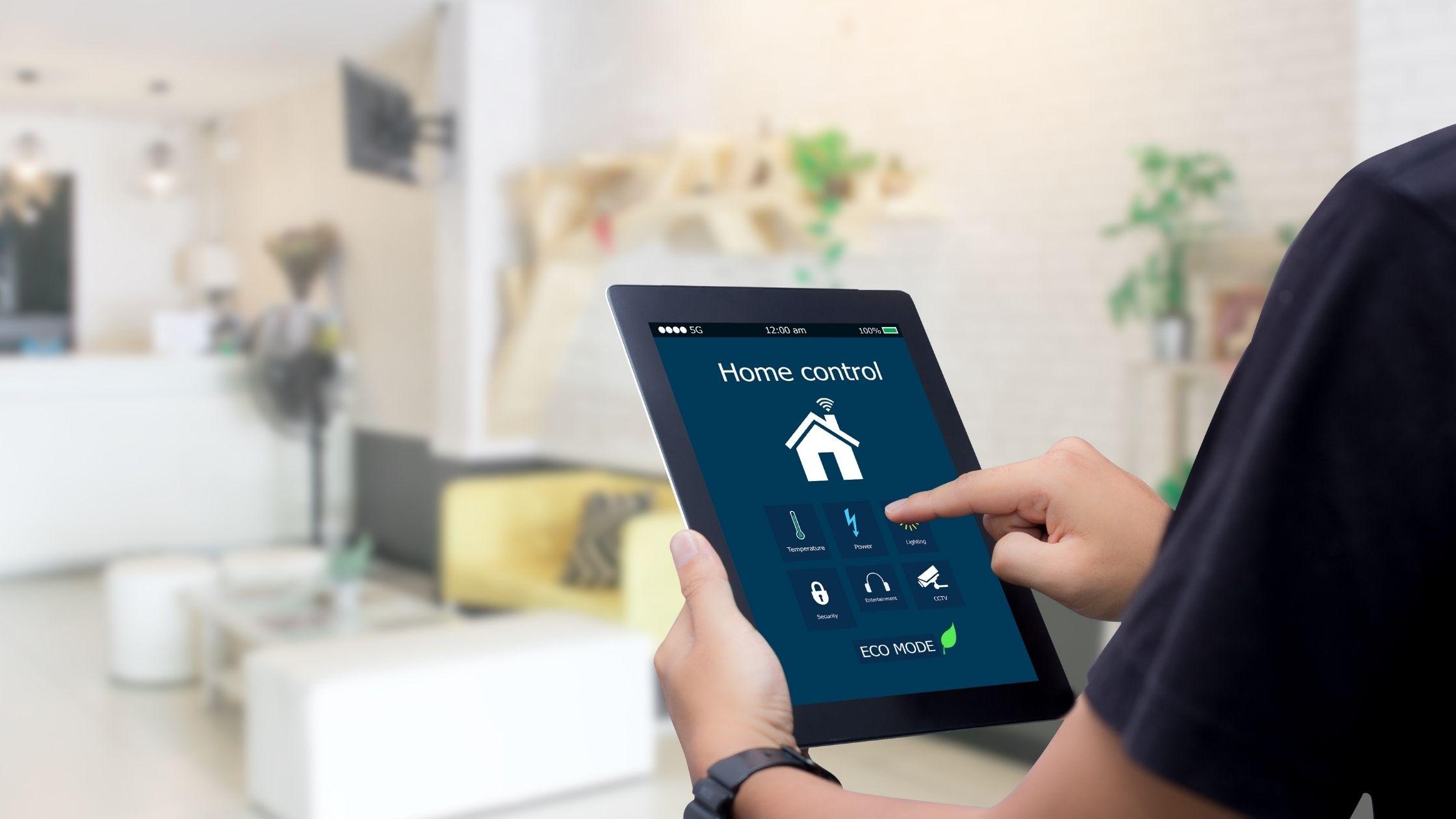
When we talk about growing old, most of us dream of continuing to live in our own little corner of the world, surrounded by our memories and without having to move to a care home. However, as the years go by, simple actions we once took for granted, like closing a blind or turning on the hallway light, can become complicated obstacles that limit our independence and make us feel more vulnerable at home.
This is where assistive technology comes in. Far from being complicated or reserved for computer experts, modern home automation focuses on being seamless and easy to use. It's not about the elderly person having to learn to program a computer, but rather about the home adapting to their routines so that daily life flows smoothly, allowing them to remain in control of their space for as long as possible.

Active Safety and Accident Prevention
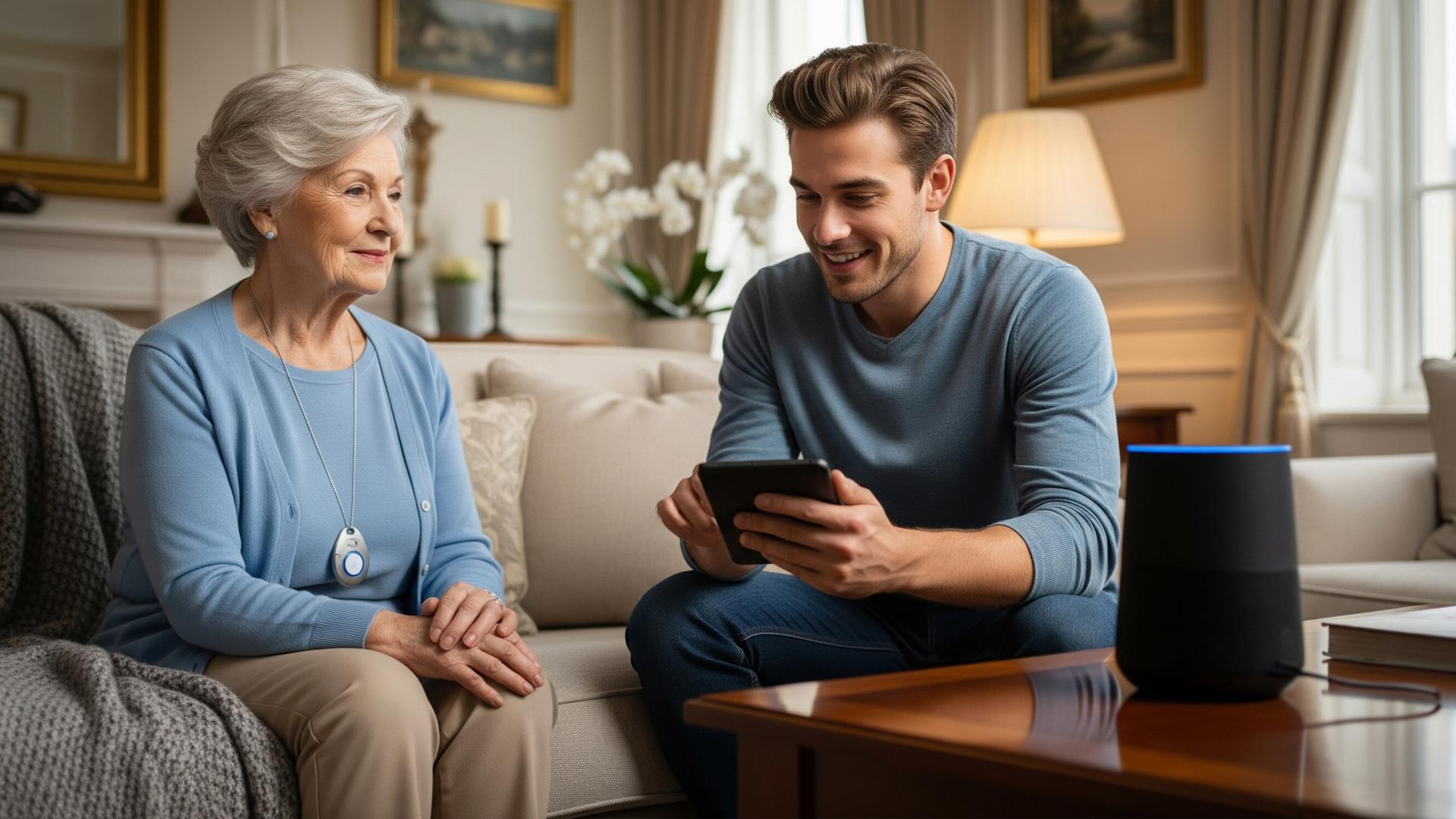
One of the biggest fears, for both the elderly and their children, is falling at home. Fortunately, motion sensors and computer vision systems can detect unusual patterns or falls in real time. Some advanced systems, such as smart lamps, can automatically alert emergency services or family members if they detect that someone has fallen, preventing a person from being left unattended for hours.
Besides falls, accidents involving cooking or electricity pose a constant risk. Smart smoke and gas detectors are key, as they not only sound an alarm in the house but also send an immediate alert to the caregiver's mobile phone. This is crucial for those with early-stage dementia or Alzheimer's, as the system can monitor whether a tap has been left running or a stove has been left on and allow for remote intervention to prevent tragedies.
Nor can we forget security against intruders. Unfortunately, the elderly are often targeted by thieves, so installing Wi-Fi cameras and connected alarms provides an extra layer of protection and peace of mind . These tools allow family members to monitor that everything is in order through home network and IoT security without needing to be physically present 24 hours a day.

Autonomy through Home Automation
The true magic of accessible home automation is that it eliminates digital architectural barriers. For example, smart lighting allows lights to turn on automatically when they detect movement, preventing the user from having to search for the switch in the dark and thus reducing the risk of tripping at night when going to the bathroom.
Regarding access to housing, disruptive solutions already exist, such as doors that open automatically using facial recognition or proximity sensors. These types of accessibility solutions for people with reduced mobility also extend to windows and blinds, which can be effortlessly managed by actuators in smart buildings , preventing the user from having to exert force or make awkward movements.
Climate control is another critical point. Older adults are more sensitive to temperature changes, so a smart thermostat can manage heating and air conditioning according to the time of day and the area of the house. This not only ensures optimal thermal comfort for their health but also helps to efficiently reduce energy costs .

The Power of Voice Assistants and Connectivity
Virtual assistants have become the perfect bridge between users and technology. Through voice commands, a person can turn on the TV, ask the temperature, or open the door without leaving their couch. This voice interface is extremely intuitive and eliminates the frustration of dealing with small screens or complicated buttons.
Beyond their technical utility, these tools combat loneliness. An assistant that reads the news, plays music, or allows calls without needing a physical phone helps seniors stay connected to the world. They are also ideal for creating medication reminder routines , providing audio alerts about exactly which pill to take and at what time, drastically reducing medication errors.
For those with sensory disabilities, home automation offers brilliant adaptations. For example, people with hearing loss can rely on visual alerts connected to the doorbell or fire alarm, transforming an audible signal into a visual flash that allows for an immediate response to any unexpected event.
Integrating these solutions sometimes requires overcoming barriers such as initial cost or privacy concerns. However, the current trend, known as AgeTech, is making devices cheaper and easier to install. Most importantly, each system should be customized to the user's actual routine, as no two needs are the same.
The combination of smart sensors, voice control, and remote monitoring transforms homes from obstacle-ridden environments into supportive spaces. Ultimately, the goal is for technology to act as a discreet support system that reinforces dignity and independence , allowing seniors to live safely and fulfillingly in their own homes.
