- Artificial intelligence is transforming biological research in fields such as genomics, protein structuring, and image analysis.
- Advanced models such as AlphaFold and AlphaGenome, along with bioinformatics and systems biology, allow us to predict complex structures, functions, and metabolic pathways.
- Open and collaborative initiatives (MOC-A, AI4LIFE, BioImage Model Zoo) democratize access to data, models, and computational resources.
- Key challenges remain: the need for more quality data, interpretability of models, regulation, ethics, and equitable access to AI infrastructures.
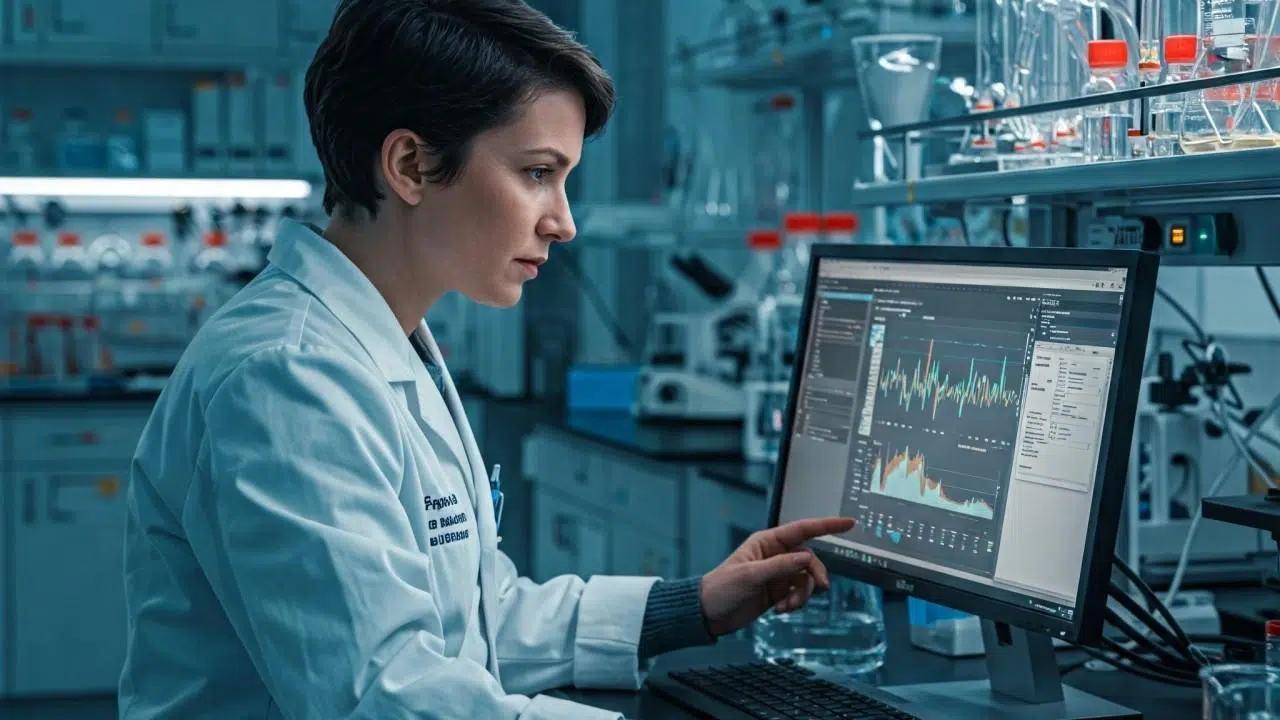
Biological research and artificial intelligence have been eyeing each other warily for decades, but in recent years they have become indispensable partners. What was once done solely with microscopes, pipettes, and notebooks now relies on algorithms capable of analyzing millions of data points, predicting molecular structures impossible to solve by hand, and suggesting new experiments.
This new stage of science combines computational biology, data science, deep learning models, and open platforms to address problems as diverse as the origin of life, the diagnosis of complex diseases, precision medicine, and drug design. The result is a paradigm shift: biology is being written, literally, in code.
From classical bioinformatics to deep learning in biology
For a long time, biology and AI have advanced at very different paces: biology is complex, full of exceptions and context , while traditional algorithms need clean, homogeneous, and well-structured data to function robustly. This tension has been one of the major obstacles to the widespread adoption of AI in the lab.
In computational biology, however, AI is not new: machine learning methods were already being applied in the 80s to classify protein and DNA sequences , and neural networks soon began to be used to predict protein secondary structures. Since then, these techniques have become part of the standard repertoire of bioinformatics.
When discussing AI in biology, it's important to distinguish between "classical" machine learning techniques and deep learning approaches . Supervised and unsupervised machine learning have been successfully used to build classifiers (for example, distinguishing "cancer" / "non-cancer" samples) or to group genes and samples according to expression patterns, helping to generate hypotheses and prioritize experimental targets.
Deep learning methodologies , especially deep neural networks , have revolutionized specific fields where the amount of data is massive and the signal is highly structured, such as the analysis of microscopy or histopathology images. Here, AI far surpasses human capabilities in detecting subtle and repetitive patterns.
Not all areas of biology benefit equally: fields with millions of well-stored sequences, such as protein databases like UniProtKB , offer an ideal environment for training powerful models. In contrast, repositories of specific interactions, which are much smaller and more heterogeneous, do not yet allow deep learning to take full advantage of its potential.
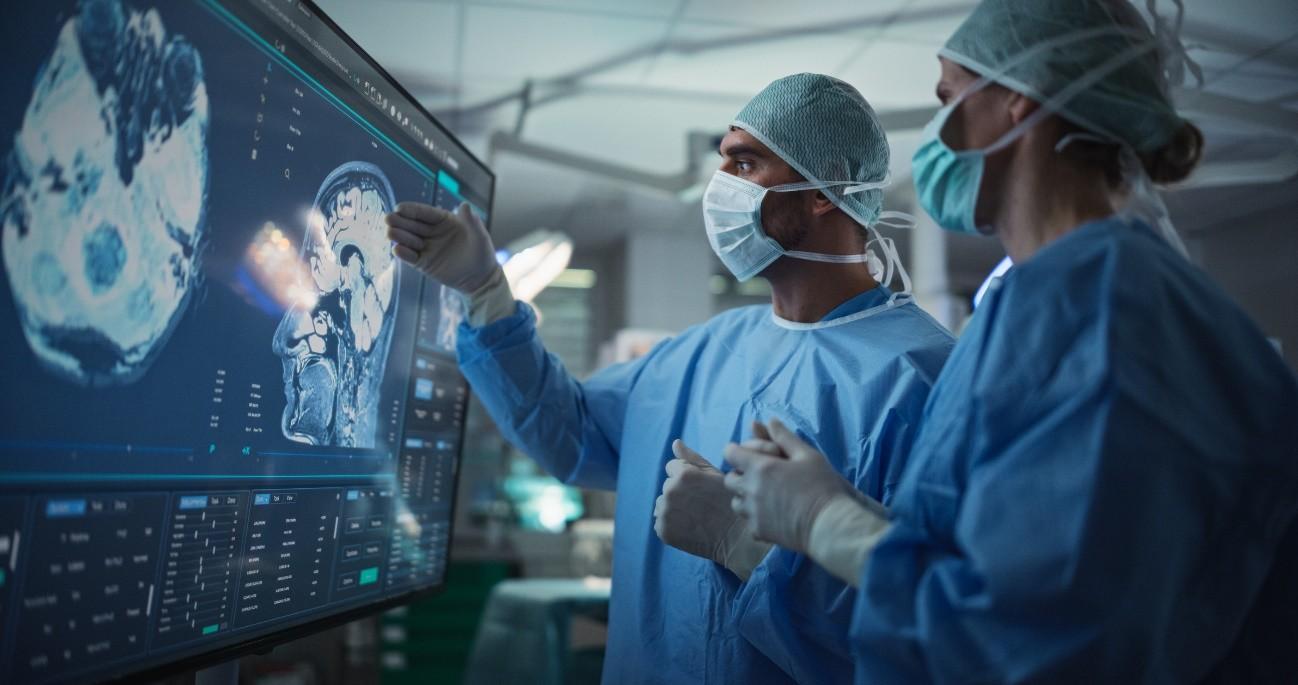
Language models for proteins and the impetus for structural biology
One of the most surprising developments has been the adoption of language models, inspired by natural language processing , to work with protein sequences. Just as a text model learns grammatical and semantic patterns, a model trained on millions of amino acid sequences can capture regularities that reflect structure, function, and evolution.
In recent international evaluations of protein function prediction methods, such as the CAFA5 exercise, the vast majority of the best models are based on this type of deep representation . They are trained on databases like UniProtKB, which are packed with sequences, and are able to generalize to poorly characterized proteins to suggest likely functions.
This advance adds to the impact of models like AlphaFold, which brought the prediction of protein tertiary structures using AI to the forefront. So much so that the Nobel Prize in Chemistry recently recognized the development of functional artificial proteins and structural prediction algorithms as a major scientific milestone.
However, these models also present challenges: they are veritable "black boxes" that are difficult to interpret . This has led to the emergence of an entire subfield, explainable artificial intelligence (XAI), which seeks to unravel the specific patterns the model is using and why it makes certain decisions—something critical when working with biomedical data.
Beyond structures, the application of protein language models to annotate unknown gene functions is becoming an essential tool to take advantage of the millions of sequences that currently lack experimental characterization.
AI to reconstruct the origin of life and primitive metabolism
The union of computational biology and AI not only serves to look to the future, but also to rewind the evolutionary clock and explore the distant past of life . A striking example is the work of the Institute for Integrative Systems Biology (I2SysBio), where the so-called " generative metabolism " strategy has been used to trace back from the last universal common ancestor (LUCA) to the earliest stages of life.
Comparative genetics allows us to estimate how old common ancestors are between species : the more similar the genomes, the more recent their last common ancestor; the more different they are, the further back in time we go. With the massive accumulation of sequenced genomes, the concept of LUCA—that ancestral organism from which all living things today descend—has been refined and is now placed at around 4.200 billion years ago.
The major challenge, until now, has been connecting the prebiotic chemistry of early Earth with the already organized metabolisms of LUCA . Neither bottom-up (from simple chemistry to biology) nor top-down (from present-day organisms backward) approaches had managed to bridge that gap.
The generative metabolism approach employs algorithms that generate metabolic networks from sets of reaction rules . Working backward, it infers which ancestral genes and enzymes LUCA might have possessed and which reactions were plausible in a specific primitive environment, extending the metabolic space beyond the pathways known today.
In this way, AI functions as a kind of “molecular detective” capable of reconstructing hypothetical metabolic pathways , connecting current reactions with plausible sets of prebiotic reactions. This approach, widely used in synthetic biology and metabolic engineering, is repurposed here to address one of the great enigmas: how complex metabolism emerged from simple, disorganized chemistry.
Data science applied to biology: from the wet lab to the keyboard
Modern biological research has become intensely digital. Today, a biologist who wants to be at the forefront needs to manage entire genomes, high-resolution images, and clinical and environmental data , all integrated into increasingly complex analytical pipelines.
In this context, data science applied to biology has become a critical profile. A researcher capable of combining biology, programming, and statistics can go far beyond interpreting results: they design data-driven experiments, build predictive models, and collaborate closely with engineers and computer scientists.
In genomics, next-generation sequencing (NGS) technologies generate billions of reads per experiment, impossible to manage without robust machine learning, statistical, and distributed computing techniques . These tools allow for the assembly of genomes, the identification of disease-associated variants, and the analysis of gene expression profiles (RNA-seq) to discover which genes are activated or silenced under different conditions.
Systems biology, for its part, relies on data science to reconstruct gene regulation networks, protein-protein interactions, and metabolic pathways . The goal is no longer to study an isolated gene, but to understand the cell as a complex network, locate key “nodes,” and simulate how the system would change if these nodes were manipulated.
Another emerging area is the study of the microbiome and metagenomics . Here, AI helps classify thousands of microbial species in a single sample, relate microbial compositions to diet, diseases, or treatments, and model ecological interactions between microbes and their environment. Without these tools, the microbiome would be just an endless list of names; with AI, it becomes a goldmine of biomarkers and new therapeutic targets.
Deep learning for biological imaging and uterine health
Modern microscopy produces increasingly complex three-dimensional and temporal images . Analyzing all these captures by hand would be impractical, which is why computer vision and deep learning have become essential tools in cell biology and medicine.
Current algorithms can count and classify cells, segment structures, detect tumors in digital biopsies, and track cell movement in real time. This not only saves laboratory staff time but also brings objectivity and reproducibility to the analyses.
In the field of uterine health, the combination of systems biology and artificial intelligence is changing how we understand pathologies such as endometriosis, Asherman's syndrome, and certain types of infertility. Instead of looking at just one marker or an isolated image, genomic, proteomic, histological, and clinical data are integrated to build models that describe the uterus as a dynamic system.
Thanks to these models, personalized medicine tools can be developed to optimize fertility treatments , adjust hormonal protocols based on each patient's expected response, and detect early biomarkers of uterine dysfunction. Institutions like the Carlos Simón Foundation work precisely on these types of integrative approaches.
Open projects and collaborative AI ecosystems in the life sciences
The effective deployment of AI in biology depends not only on having good models, but also on building open ecosystems where data, tools, and computational resources are accessible . Here, free software, academic cloud computing, and public-private partnerships play a central role.
One example is the collaboration between Red Hat Research and the Mass Open Cloud Alliance (MOC-A) , which promotes an open cloud in which universities, public centers and companies share infrastructure: CPU, GPU, storage, large databases, tools and AI models hosted in a carbon-neutral data center.
Based on this, for example, a platform with Red Hat OpenShift AI has been deployed for drug discovery experimentation , used in forums where researchers can train and test open source models, scale resources according to their needs and continue to access their work after the events.
Accessibility is key: many academic groups and regional hospitals lack sufficient local infrastructure for large-scale AI workloads . Shared platforms like MOC-A democratize access to resources that would otherwise be reserved for large pharmaceutical companies or leading research centers.
Along with accessibility, transparency and the ability to audit and adapt models are critical in biomedicine. Open source allows for code review, adjustment of models to local contexts, and the creation of solutions tailored to specific workflows—something difficult to achieve with closed, proprietary tools.
AI4LIFE, FAIR data and AI-ready image models
In Europe, projects like AI4LIFE focus on making AI accessible to biologists without advanced programming experience . Their goal is to bridge the gap between the power of deep learning techniques and the day-to-day realities of life sciences laboratories.
AI4LIFE develops easy-to-use platforms for biological image analysis using AI : cell segmentation, structure detection, feature extraction… All framed within the FAIR principle for data (locatable, accessible, interoperable and reusable), adapted to image sets and models “ready for AI”.
The project promotes standards for annotating and documenting image datasets so they can be easily reused to train new models or improve existing ones. This reduces the need to reprocess data repeatedly, saves computational time, and fosters collaboration between groups.
A cornerstone of AI4LIFE is the BioImage Model Zoo, a community repository of models for biological image analysis . There, scientists can download trained models, apply them with popular analysis tools, and contribute their own models, creating a living, constantly improving ecosystem.
In addition, the project organizes initiatives such as Open Calls to support specific use cases and "Denoising Challenge" competitions, where methods for improving the quality of microscopy images are developed and compared. This collaborative approach accelerates innovation, increases the visibility of new tools, and facilitates their adoption.
Discovery of new antibiotics and rational drug design
The same logic of combining sequences, language models, and wet experimentation applies to a critical problem: antibiotic resistance. Laboratories like the Machine Biology Group, led by César de la Fuente, are exploring the use of AI to locate and design new antimicrobial molecules.
Their strategy involves using deep learning to analyze millions of proteins and peptides , from both current organisms and extinct species, in an approach called "molecular de-extinction": rescuing molecules from the past with antimicrobial potential and optimizing them through synthetic biology.
Part of this work is inspired by natural sources such as antimicrobial peptides from amphibian skin , which are modified and improved using AI to maximize their effectiveness against resistant bacteria and minimize toxicity and unwanted effects on the human microbiota.
Machine learning models not only predict which sequences might behave as antibiotics, but also help fine-tune stability, solubility, selectivity, and other key parameters before moving to laboratory experimentation. This dramatically shortens the time from initial idea to preclinical candidates.
Looking ahead to research careers, profiles that master biology, programming, and AI techniques are at the forefront of this new paradigm of algorithm-assisted drug discovery.
AI and stem cells: reprogramming, therapies and challenges
Another rapidly evolving field is the intersection of artificial intelligence and stem cell biology . Here, the focus is not only on analyzing data, but also on designing more efficient and safer cellular processes for clinical applications.
One of the most talked-about advances is the collaboration between OpenAI and Retro Biosciences , which has led to improvements in the renowned Yamanaka factors, responsible for converting adult cells into induced pluripotent stem cells (iPSCs). Using AI models specialized in biology, variants with a significantly greater reprogramming capacity have been identified.
The results point to cell reprogramming that is up to 50 times more efficient , with improved DNA repair and more robust cell rejuvenation. This paves the way for more potent and safer regenerative therapies, reducing the risk of mutations or undesirable behavior in the reprogrammed cells.
Meanwhile, groups in Japan, in collaboration with companies like Google, are working to automate iPS cell production using AI . The goal is to standardize and optimize each step of the process, reducing costs and variability so that cell therapies can be viable on a large scale.
AI is also used to analyze complex data from biological systems (SysBioAI-type approaches) , detect risks at early stages, personalize therapies based on each patient's molecular profile, and adjust treatments in real time according to the observed response.
Potential applications range from accelerating clinical trials and reducing costs to personalized regenerative medicine, cellular rejuvenation, and integrating AI into all phases of the biomedical pipeline. Of course, this comes with serious challenges: cellular heterogeneity, safety risks , regulation, ethics, and the constant need for high-quality data.
Meanwhile, regulations such as the European Union's Artificial Intelligence Act seek to ensure that these advances are deployed under frameworks of transparency, human oversight and security guarantees, especially in high-risk medical applications.
AlphaGenome and the "dark matter" of the human genome
If AlphaFold changed the way we understand protein folding, AlphaGenome now aims to translate the DNA code into functional information , with special interest in that 98% of the genome that does not code for proteins but concentrates most of the variants related to complex diseases.
Developed by the Google DeepMind team, AlphaGenome is a deep learning-based AI model trained on human and mouse genomes , capable of analyzing long stretches of DNA and predicting thousands of genetic signals related to the regulation of genes and proteins.
In standardized assessments, its predictions match or surpass other leading models in virtually all tests, leading many experts to consider it a watershed moment in computational genomics . Its ability to interpret non-coding regions makes it a key tool for deciphering the "dark matter" of the genome.
The practical implications are enormous: AlphaGenome could improve the interpretation of genetic tests, identify rare variants involved in pathologies , guide the development of new treatments, and simulate how mutations in regulatory regions alter gene expression.
Researchers from centers such as the CNB-CSIC, the Francis Crick Institute or the Wellcome Sanger emphasize that, although it is not a magic wand that solves all problems , it is an outstanding piece of engineering that integrates many previous ideas and takes them to a much higher level of performance.
However, they also emphasize a key point: these models depend critically on the quality, diversity, and standardization of the training data . The major challenge for the future is to generate and share robust, open, and well-documented biological data to feed the next generation of genomic AI.
Given this scenario, biological research supported by artificial intelligence is emerging as a constantly expanding field, where the combination of massive datasets, advanced models, open infrastructures, and interdisciplinary collaboration is redefining how scientific questions are formulated and how answers are sought, from the origin of life to the most personalized therapies in current medicine.
