- Detailed analysis of the various types of gears and their technical application in additive manufacturing.
- Comparison between specialized industrial materials such as iglidur® and FDM and SLS printing processes.
- Competitive advantages of 3D printing over injection molding in the creation of prototypes and spare parts.
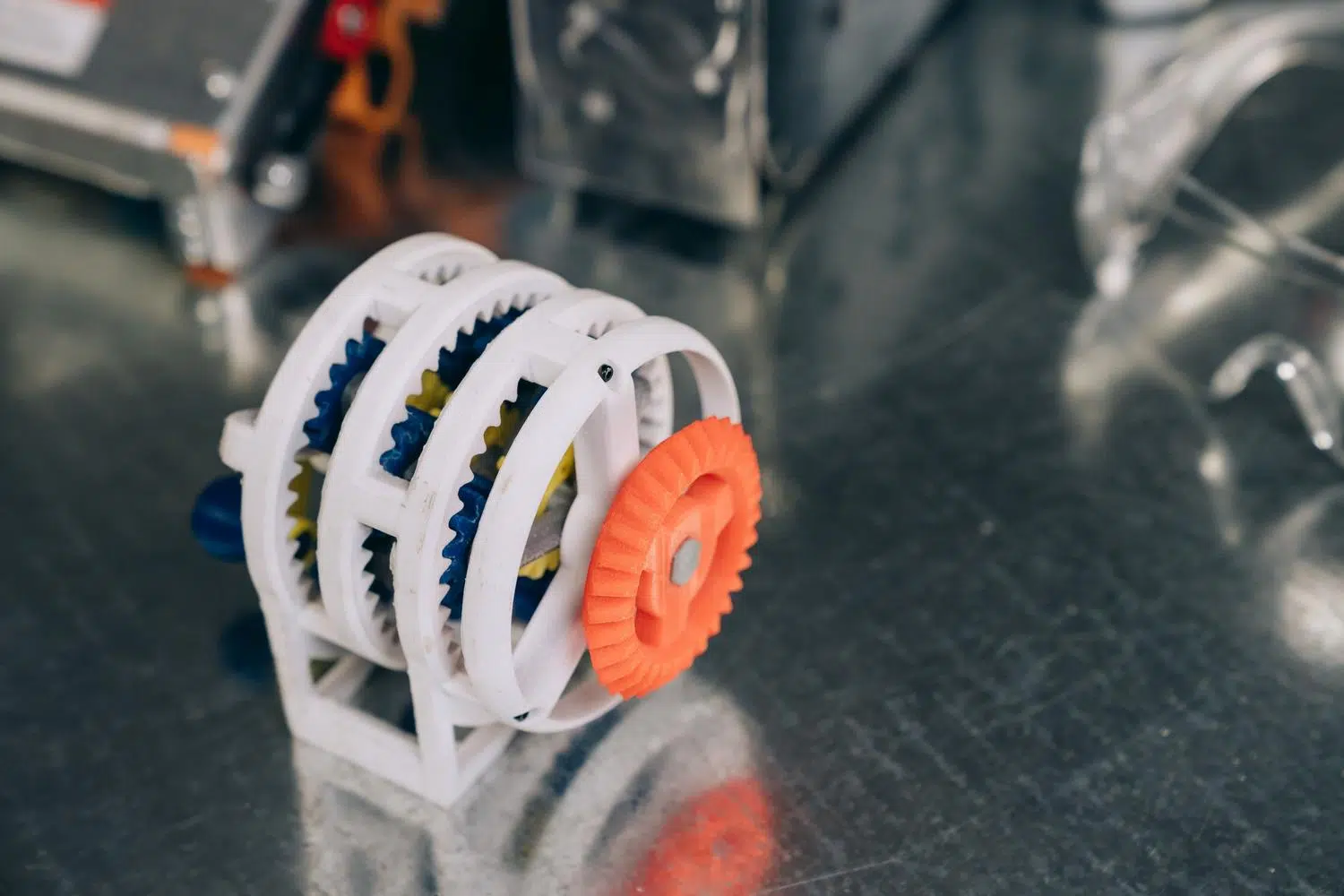
If you've ever considered giving an old machine a second life, or noticed a plastic part on your car has broken down, you know that finding the exact replacement can be a real headache. This is where additive manufacturing comes in , allowing us to 3D print replacement parts for appliances and machinery , creating custom mechanical components without having to throw away the entire device just because a tiny gear has broken.
Although at first glance it might seem like you just need to hit "print," the reality is that designing gears that actually work is quite complex. It's not just about drawing teeth, but about understanding concepts like module and clearances so that the parts don't jam and can withstand the rigors of daily use. Let's take an in-depth look at how to go from an idea on the computer to a physical part that moves the world.

Basic concepts and anatomy of a gear
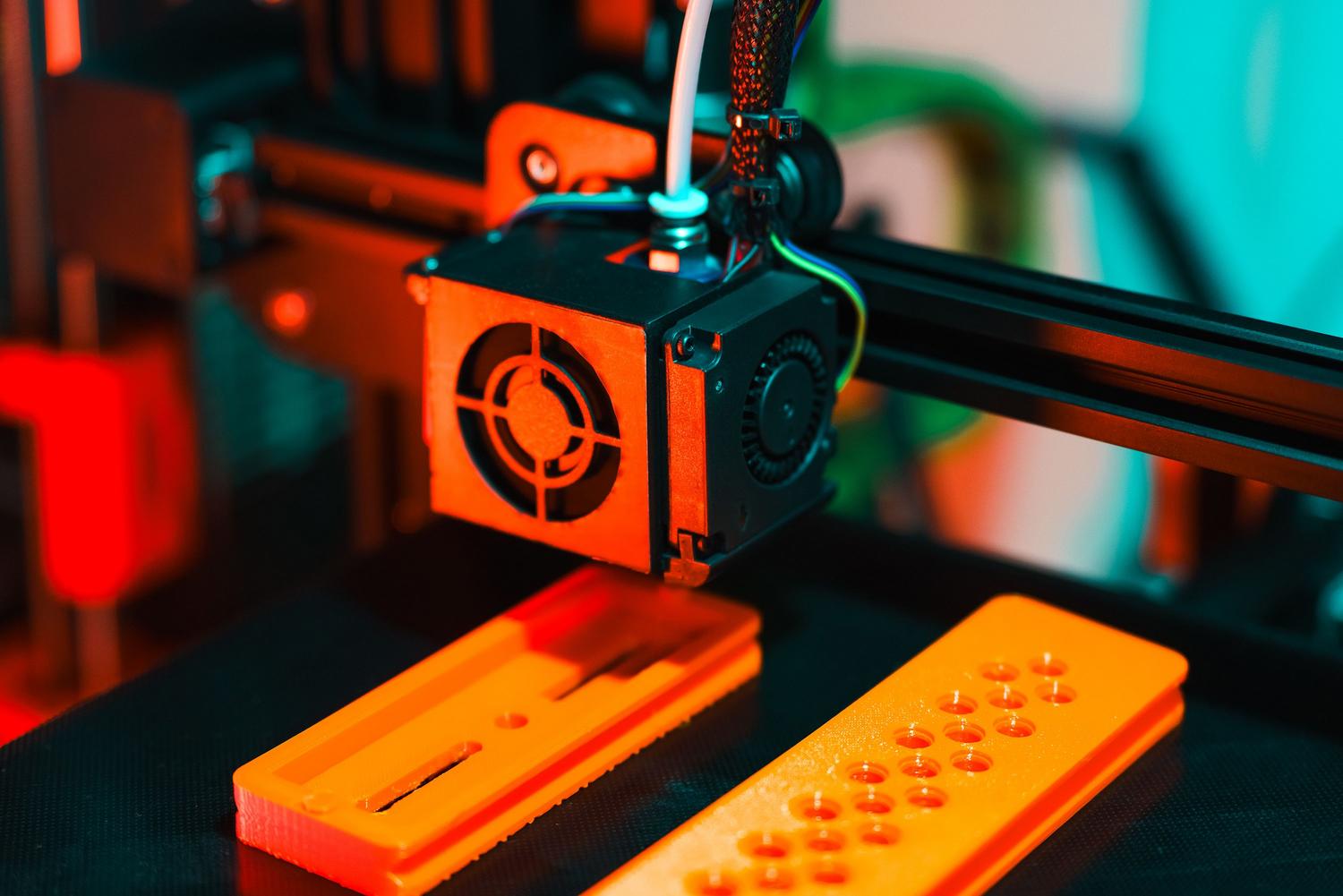
For two gears to transmit force and motion correctly, they must share certain parameters. The fundamental part is the gear's ring , where the teeth are located. To understand how they mesh, we must look at the pitch circle , which is the exact point where contact occurs between the two parts. In addition, there are the outer and inner circles, which define the crest and valley of each tooth.
Another key piece of information is the circular pitch , which is essentially the distance measured from a point on one tooth to the same point on the next. When designing, we must also optimize the gear body, using arms or partitions to reduce inertia and lighten the overall weight of the part without compromising its structural stability.
Gear varieties according to their application
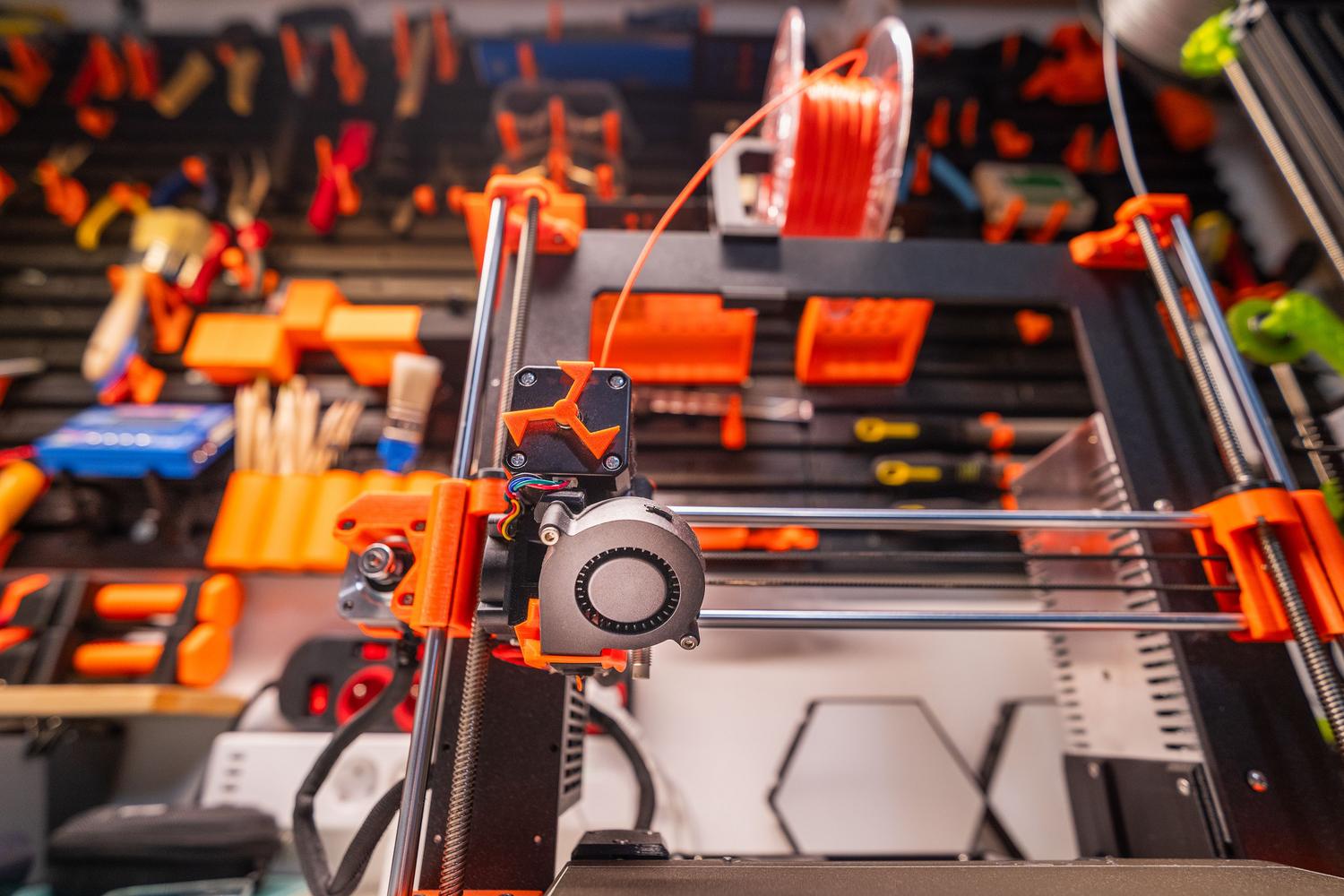
Depending on what we want to move and in what direction, we'll choose a different type of mechanism. The most common are straight cylindrical gears , ideal for parallel axles and significant speed reductions at moderate speeds. If we're looking for something smoother and quieter, helical gears are the best option, as their angled teeth allow them to handle higher power with a much smoother ride.
- Bevel Gears: They are used when the shafts are perpendicular (at 90 degrees). They can have straight or helical teeth depending on the speed and load they must withstand.
- Planetary or Epicyclic Systems: They consist of a central gear called the "Sun" surrounded by "planets". Depending on whether the outer ring is fixed or moving, we can vary the output speed or even reverse the direction of rotation.
- Worm Gears and Racks: The first is perfect for preventing vibrations and maintaining a constant speed, while the rack is the star tool for convert rotation into linear motion.
Industrial materials and printing technologies
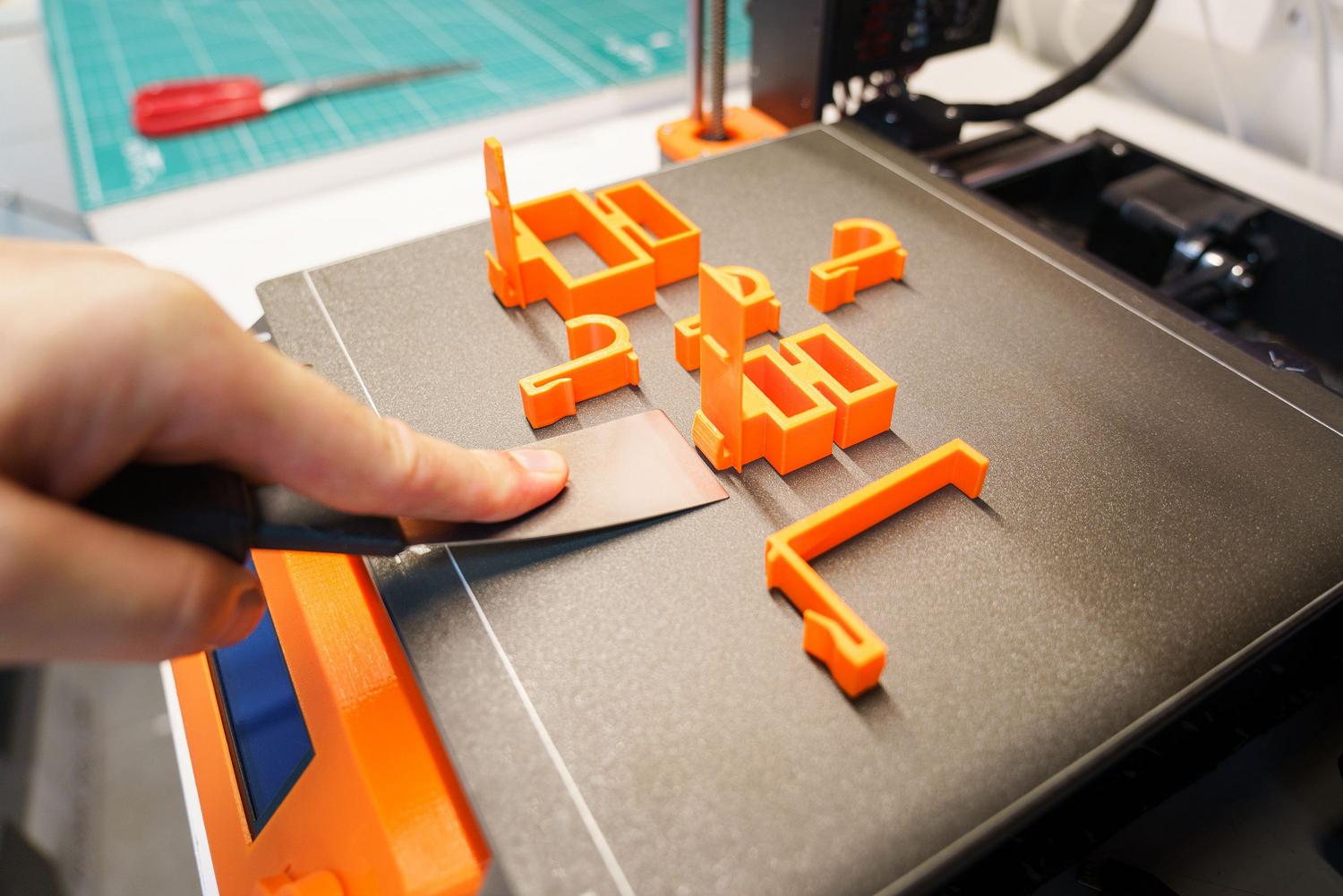
Not all plastics are suitable for power transmission. While FDM is great for rapid prototyping, SLS (Selective Laser Sintering) technology offers superior design freedom and significantly higher mechanical strength. In professional applications, the iglidur® family of materials stands out , specifically designed to reduce wear thanks to their tribological properties.
For example, iglidur I3 is the logical choice for spur and bevel gears due to its high strength, while I6 is the ideal material for helical gears because of its sliding capabilities. For environments where static electricity is a concern, iglidur I8-ESD is the perfect solution. A major advantage of these polymers is that they require no external lubrication , as they contain solid lubricants integrated into their structure.
3D Printing vs. Injection Molding
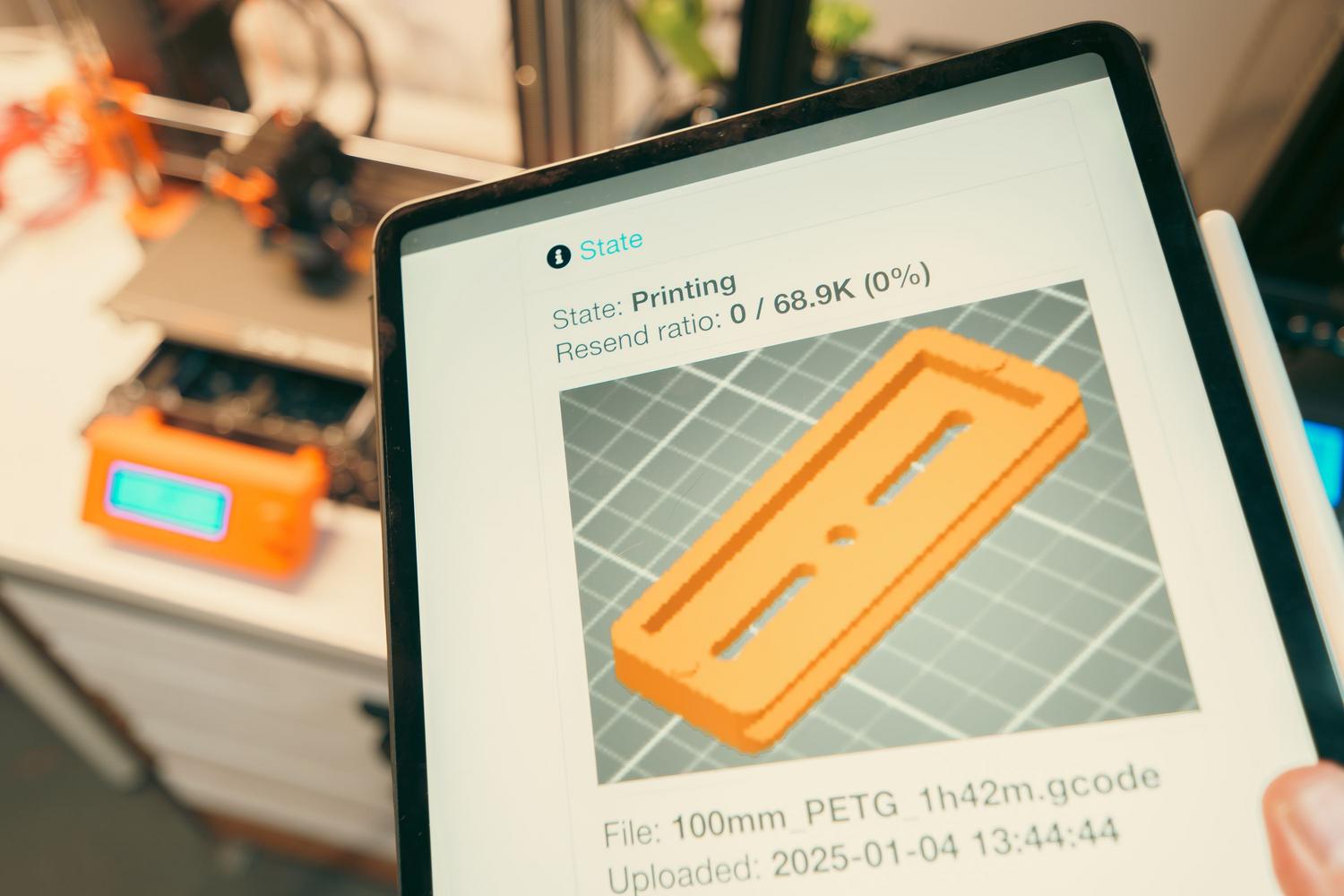
There's an ongoing debate about which method is best. The golden rule is quantity: if you need 10.000 identical parts, injection molding is unbeatable in terms of cost. However, 3D printing is the clear winner for short runs, prototypes, or one-off pieces . It allows you to adjust the CAD model on the fly and obtain the final component in a matter of hours, avoiding the long lead times of traditional manufacturing.
We've seen real-world examples where this technology has saved the day, from Formula Student teams creating pinions for racing transmissions in under 72 hours, to restoring speedometers in classic 20s cars where spare parts are no longer available. Even in critical services, such as fire trucks , expensive servomotor gears have been replaced with 3D-printed versions that efficiently handle high loads.
Practical tips for design and manufacturing
If you decide to design your own gears, be careful with tolerances. In 3D printing, especially FDM, parts tend to expand slightly. Therefore, it's vital to allow for technical clearance ; that is, the space between teeth should be slightly wider than the tooth itself to prevent the part from binding.
For those unfamiliar with design from scratch, there are downloadable 3D tools and models that can serve as a starting point, although ideally you should learn to use software like Solidworks to precisely adjust the modules. Remember that the key to success lies in balancing the chosen material with the friction and load requirements of your project.
The ability to manufacture custom mechanical components using advanced polymers and laser sintering has democratized industrial maintenance and restoration. From selecting the right material to prevent wear to managing design clearances, 3D printing optimizes costs and time, offering robust solutions that successfully replace metal or injection-molded components in a wide variety of applications.