- Energy monitoring allows for detailed, real-time recording of electricity consumption to optimize costs and reduce environmental impact.
- The integration of IoT hardware and advanced software facilitates compliance with international standards such as ISO 50001 and the performance of mandatory audits.
- This system is fundamental in both industrial environments and photovoltaic installations to detect faults and maximize operational performance.

If you've ever felt like your electricity bill is an unfathomable mystery and wondered where all the money is going, you're not alone. Energy monitoring is essentially putting a name and description to every kilowatt you consume, allowing you to see with a fine-tooth comb where, when, and exactly how energy is being used in any facility, whether it's an industrial warehouse or an office building.
Far from being a mere technological whim, it has become a key component of Smart Grids . By obtaining accurate data on production and distribution in real time, companies can stop guessing and start making decisions based on measurable realities, driving a transition to a much greener and more sustainable energy model.
What exactly does an energy measurement system consist of?
We can define this system as the coordinated set of hardware and software designed to record consumption at specific points in an installation at very short intervals. Unlike the main meter installed by the distributor, which only gives you the final figure for the month, monitoring offers a complete picture of demand , allowing you to attribute consumption to a specific machine, circuit, or time period.
For all of this to work, the system is typically divided into three fundamental blocks. First, there are the measuring equipment , which includes everything from digital meters and submeters to network analyzers located in electrical panels. Next comes the communications layer , which is the network responsible for transporting this data to a server. Finally, the management software processes the time series data, creates graphs, and triggers alarms when any value falls outside the established limits.
Key technologies and magnitudes that are controlled
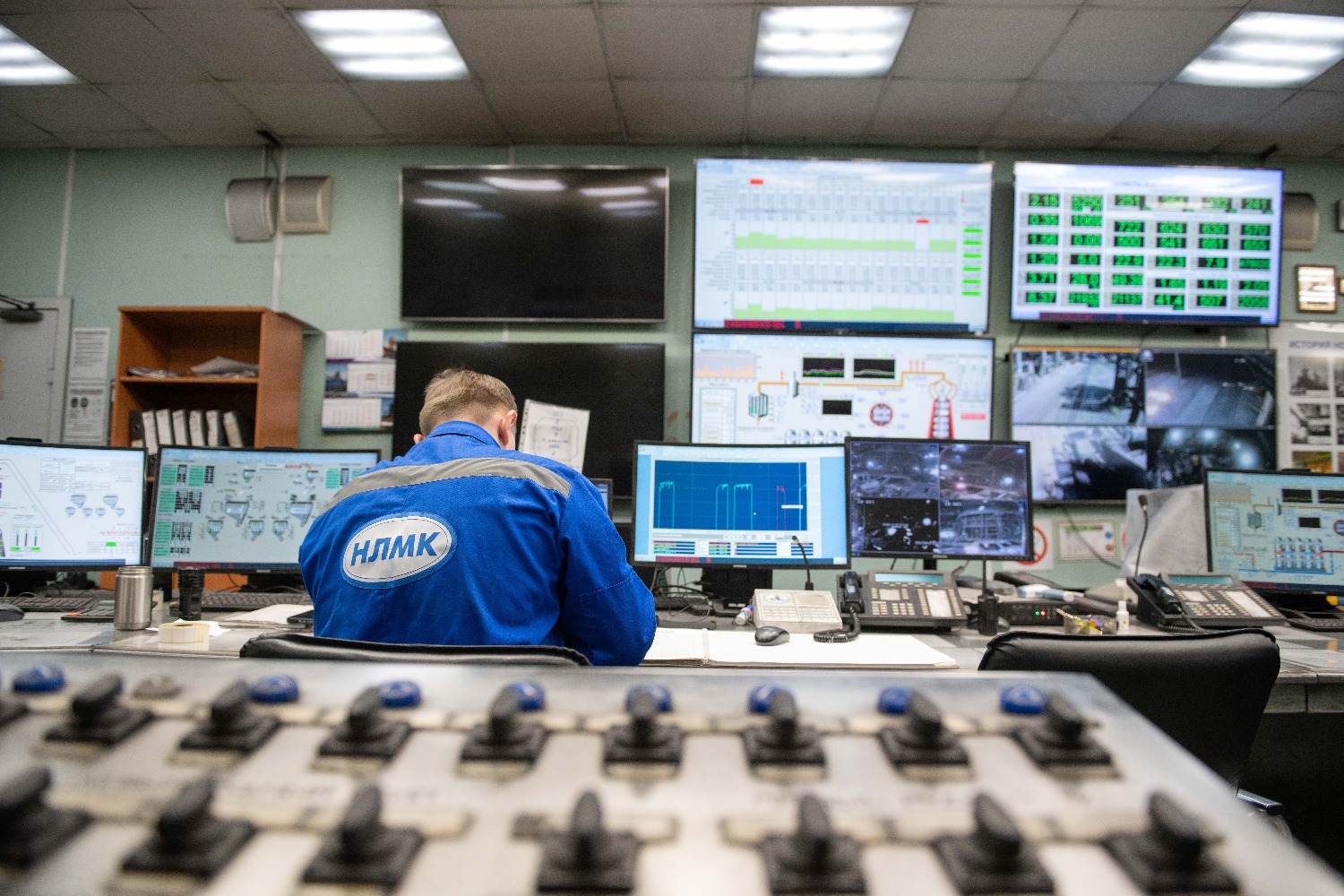
To transform data from mere numbers into real-world solutions, various tools are employed. IoT sensors and clamp meters act as the system's eyes, enabling current measurements without interrupting power. Meanwhile, three-phase network analyzers are more sophisticated devices that record critical parameters such as harmonics, voltage, and power quality.
As for what is measured, the basics are active energy (kWh), reactive energy (kVArh), and power demand (kW). However, an advanced system also tracks power factor and current , and can even integrate the consumption of other resources such as water, gas, or compressed air to provide a comprehensive view of operational efficiency.
Monitoring levels: from the distributor to internal detail
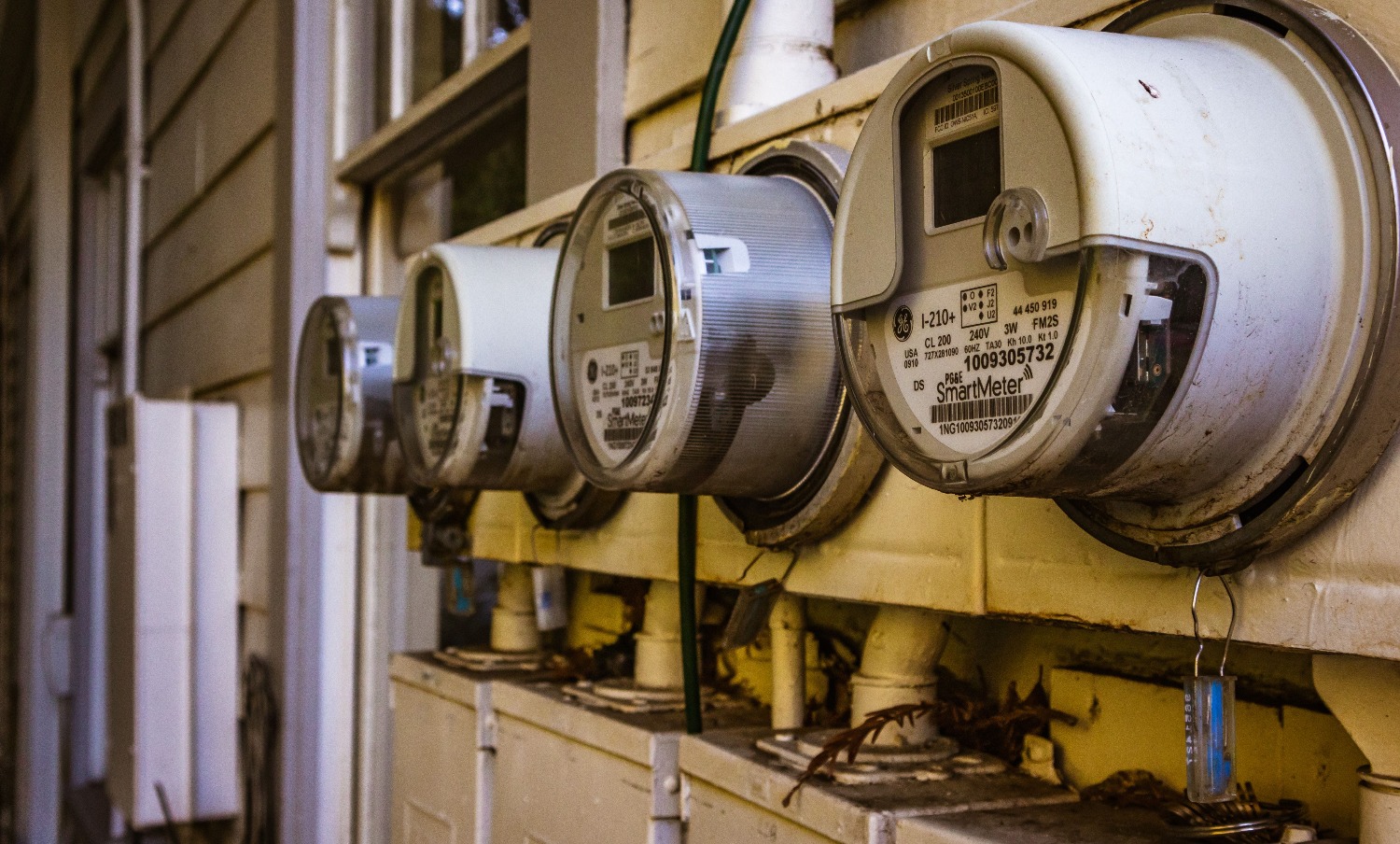
Not all measurements are the same and they are usually divided into levels. The most basic level is the data from the distribution company , which can be consulted on platforms like Datadis. Here we see the overall load curve and peak power consumption, which is useful for comparing the bill, but falls short if we want to know which appliance caused a spike in consumption.
To address this, the second level comes into play: submetering within the installation . By placing equipment on each panel or machine, we can detect if the simultaneous start-up of two compressors or an oven is causing a power surge. This ability to pinpoint specific consumption allows for targeted corrective measures and avoids costly penalties on the electricity bill.
The impact on billing and regulatory compliance
One of the strongest advantages of monitoring is avoiding surcharges for excess power and reactive energy . When demand exceeds the contracted amount by even fifteen minutes, the bill skyrockets. A monitoring system alerts you in real time when you're approaching the limit, allowing you to take action before the surcharge hits your wallet.
Furthermore, it forms the basis for compliance with ISO 50001 , the standard that governs Energy Management Systems (EMS). While monitoring collects the data, the EMS establishes the policy and objectives. Likewise, for large companies subject to Royal Decree 56/2016 , having measured load profiles greatly facilitates mandatory energy audits, as the auditor does not have to rely on temporary measurement campaigns.
Optimization of photovoltaic installations
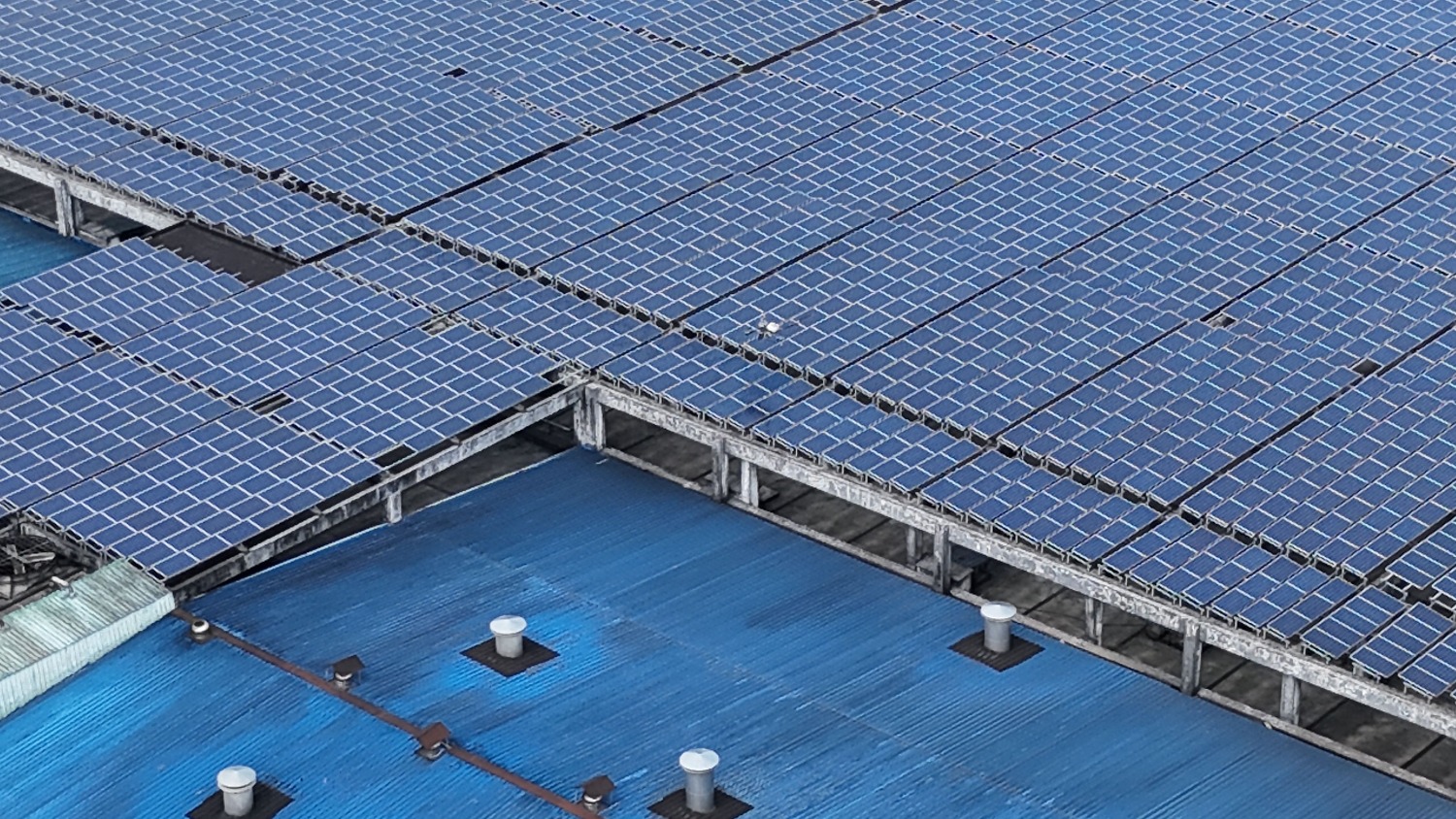
In the world of solar energy, just because a plant produces electricity doesn't mean it's doing so optimally. This is where the Performance Ratio (PR) becomes vital, as it compares the actual energy generated with the energy that should have been produced based on the solar radiation received. If the PR starts to drop, it's a clear sign that something is wrong.
Monitoring allows for the detection of subtle production drops that would otherwise go unnoticed, such as dirt on the panels, new shadows, or inverter failures. By analyzing the data daily and monthly, it's possible to move from reactive to predictive maintenance , intervening just before a small deviation becomes a serious breakdown.
From simple data to intelligent management (EMOS)
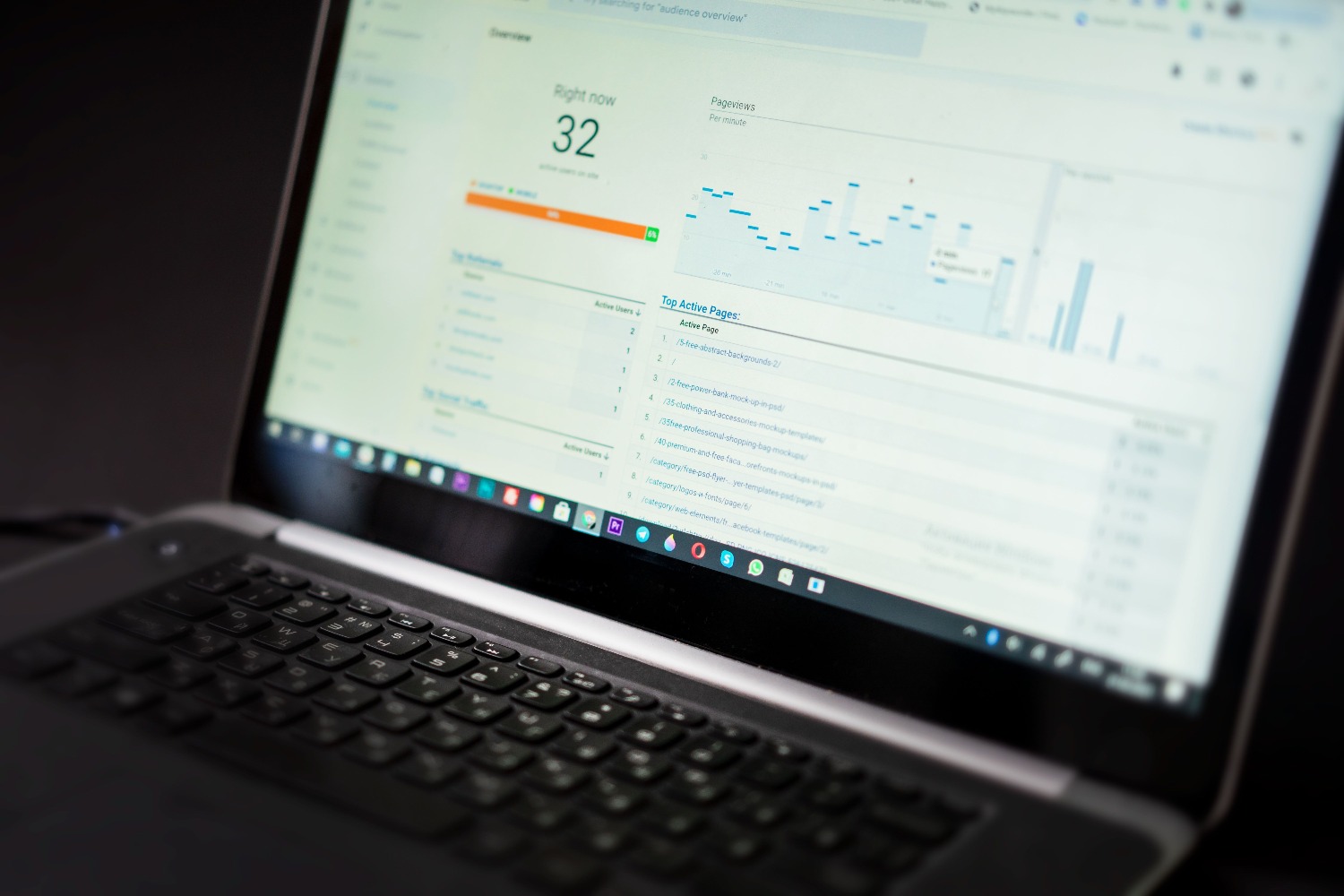
It's crucial not to confuse monitoring with management. Monitoring is the first step: measuring and visualizing. Energy management is the next step: analyzing that data to implement improvements and verify savings. The most modern platforms, known as EMOS (Energy Management and Optimization Systems) , integrate AI to predict consumption and automate installations.
Thanks to these tools, companies can obtain Energy Saving Certificates (EACs) , monetizing the improvements made. By combining IoT with automation, buildings can adjust themselves according to actual demand, transforming technical measurements into tangible cost savings and a real reduction in their carbon footprint.
Having comprehensive energy control allows any business to transform its operations, shifting from a passive approach to the bill to proactive management. The combination of precise hardware, analytical software, and an organizational framework like ISO 50001 ensures that efficiency is not a one-off goal, but a continuous improvement process that optimizes both financial profitability and environmental sustainability.
FAQ
What is the difference between energy monitoring and energy management?
Monitoring is solely responsible for measuring, collecting, and visualizing consumption data. Energy management uses this information to define objectives, implement improvements, and continuously evaluate efficiency.
What is the Performance Ratio used for in solar panels?
It is an indicator that measures the actual efficiency of a photovoltaic plant by comparing the energy produced with the available solar radiation. It helps detect if the installation is underperforming due to technical faults or dirt buildup.
How does monitoring help avoid billing penalties?
It allows you to detect power spikes that exceed your contracted capacity and control reactive power in real time. This way, you can correct your equipment's behavior before the distributor applies any surcharges.
What hardware is needed to set up a monitoring system?
Smart meters or submeters are required for data capture, network analyzers for advanced parameters, and gateways or dataloggers that transmit the information to a cloud platform.
How does monitoring benefit an energy audit?
It provides up-to-date and verifiable operational data, such as load profiles per line. This eliminates the need for auditors to take measurements on a temporary basis and allows them to verify with real data whether the proposed savings measures are effective.
What is submetering and how does it differ from a general meter?
Submetering involves installing meters on specific circuits or machines within the facility. Unlike the main meter, which only measures the total energy input, submetering allows you to know exactly which equipment consumes the most energy.
What is the relationship between monitoring and the ISO 50001 standard?
Monitoring provides the necessary technical data required by ISO 50001 for planning energy harvesting. This data feeds into the management system to create performance indicators and consumption baselines.
Table of Contents
- 1 What exactly does an energy measurement system consist of?
- 2 Key technologies and magnitudes that are controlled
- 3 Monitoring levels: from the distributor to internal detail
- 4 The impact on billing and regulatory compliance
- 5 Optimization of photovoltaic installations
- 6 From simple data to intelligent management (EMOS)
- 7 FAQ
