- TPU stands out as the most balanced flexible material between mechanical resistance and ease of printing.
- Flexible PLA is an easier alternative to handle, although less elastic and durable than TPU.
- More complex elastomers such as TPE, TPA, and TPC are ideal for industrial and wearable applications.
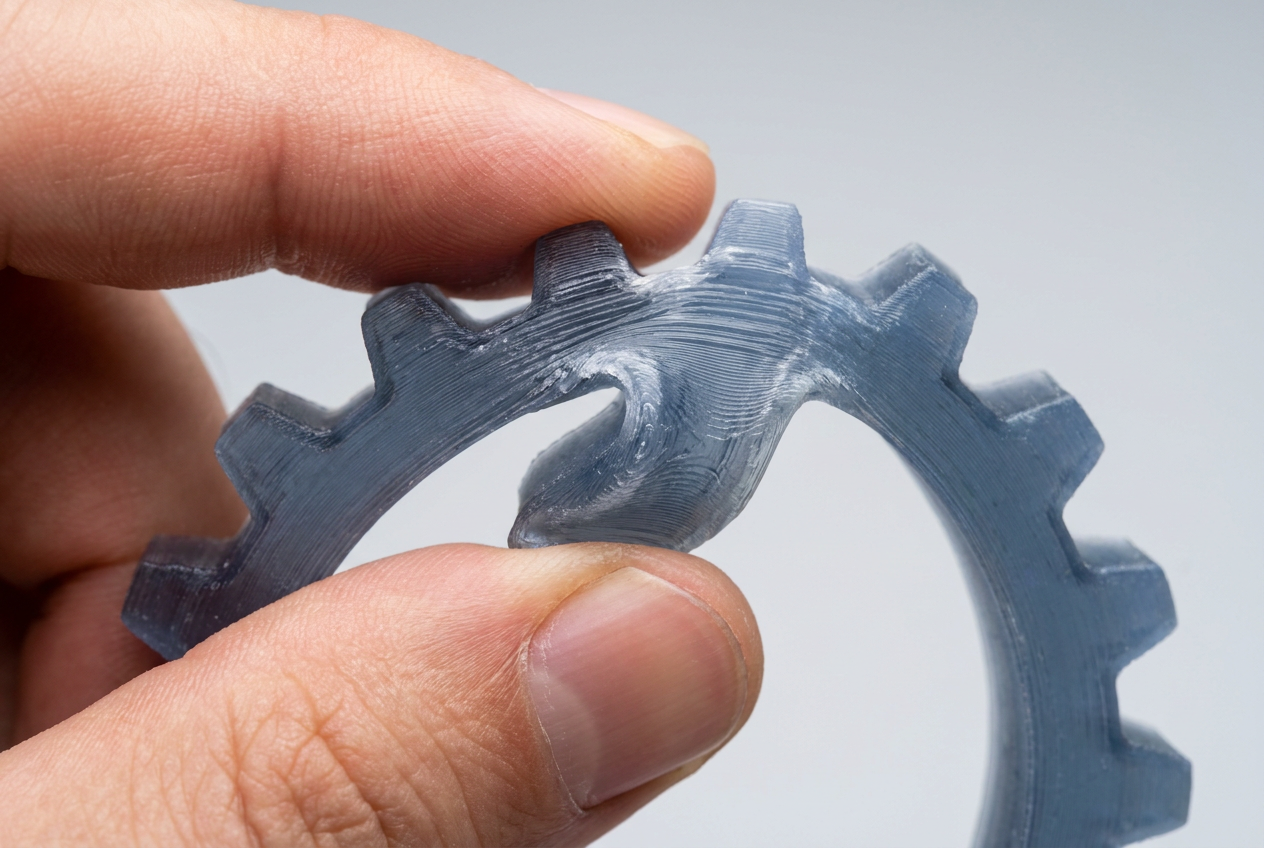
If you've ventured into the world of 3D printing, you've surely realized that not everything is rigid plastic. Sometimes you need a part to bend, absorb an impact, or simply have a rubbery feel, and that's where flexible materials come in. The truth is, at first, distinguishing between so many acronyms and variations can be a real headache , but choosing the right material is key to preventing your piece from ending up as a meaningless mess of plastic threads.
In this article, we'll delve into what happens when we compare TPU with flexible PLA and other close relatives like TPE. We won't just scratch the surface; we'll analyze everything from basic chemistry to extrusion tricks to prevent printer jams, whether you have a standard machine or a more professional setup. We'll see which one is best suited to your needs, depending on whether you're looking for something for a quick prototype or a part that can withstand daily use.
PLA Filament and its Flexible variant
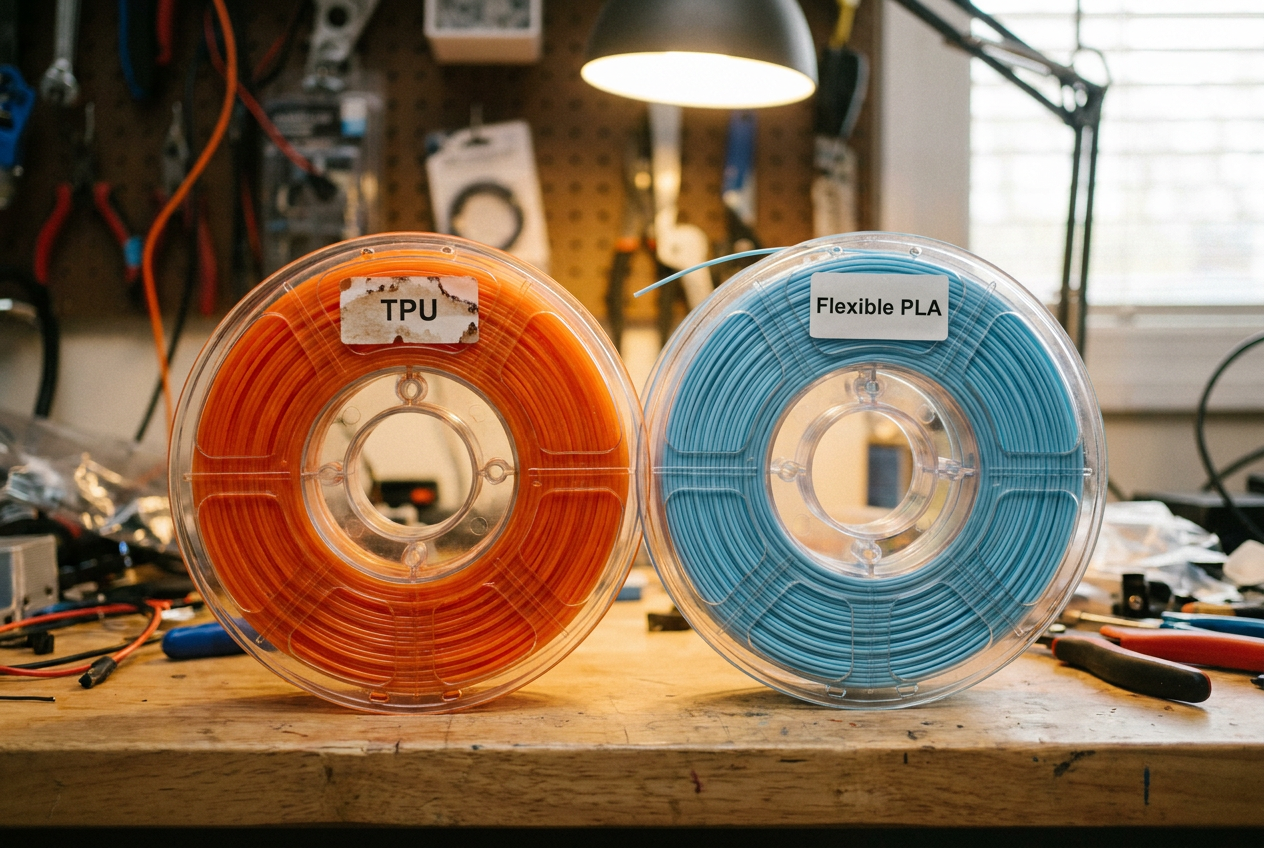
PLA (polylactic acid) is the undisputed king for beginners. It's a biodegradable material made from corn starch or sugarcane, meaning it doesn't release toxic fumes and smells quite pleasant when printed. The downside is that standard PLA is brittle and becomes soft if exposed to sunlight or temperatures above 60 degrees Celsius.
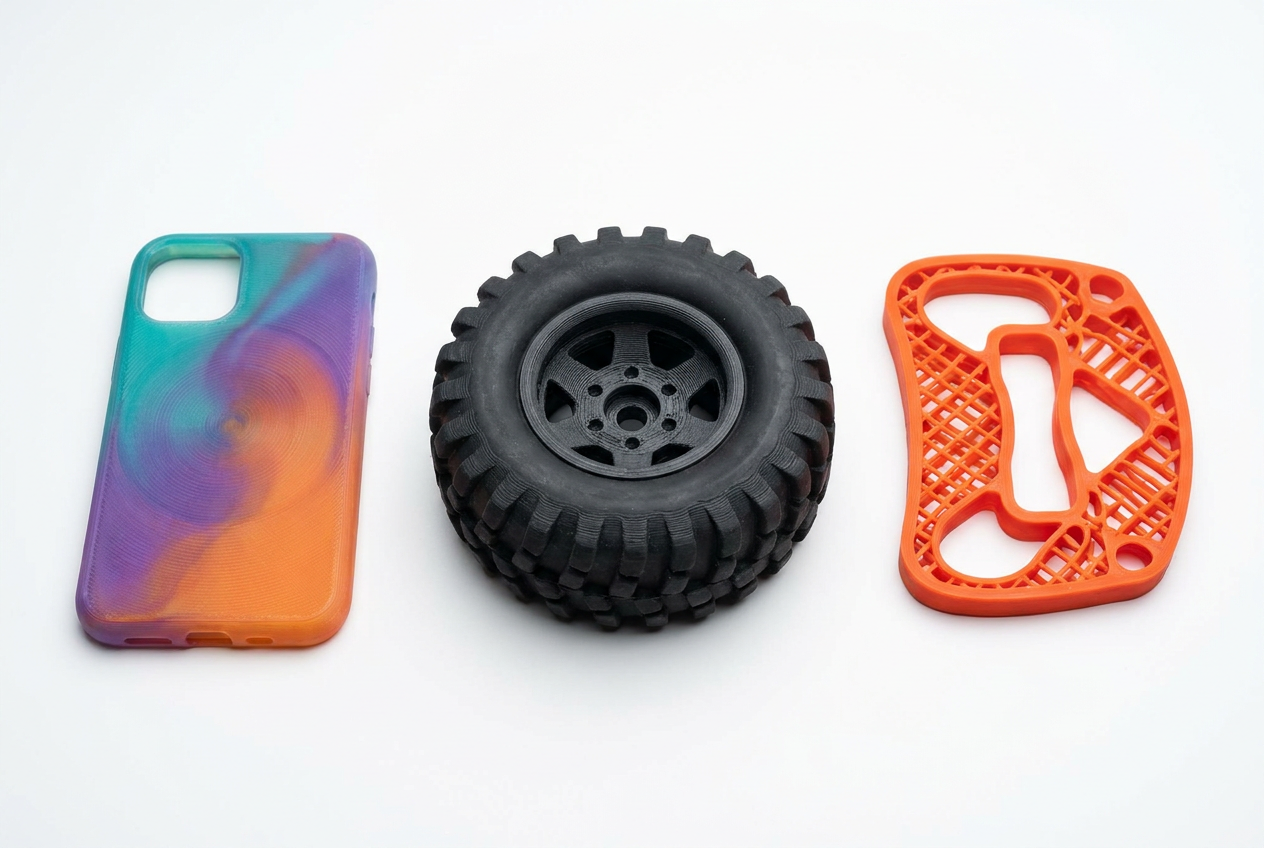
This is where soft or flexible PLA comes in. This material uses chemically treated organic fibers to gain some elasticity. The best part is that it's much easier to print than pure elastomers, as it maintains a more rigid structure that prevents it from tangling in the extruder. It's often used for parts that need a tough rubber but won't be stretched for miles, such as tire prototypes or bumpers that need to return to their shape after moderate pressure.
TPU: The all-rounder of flexibility
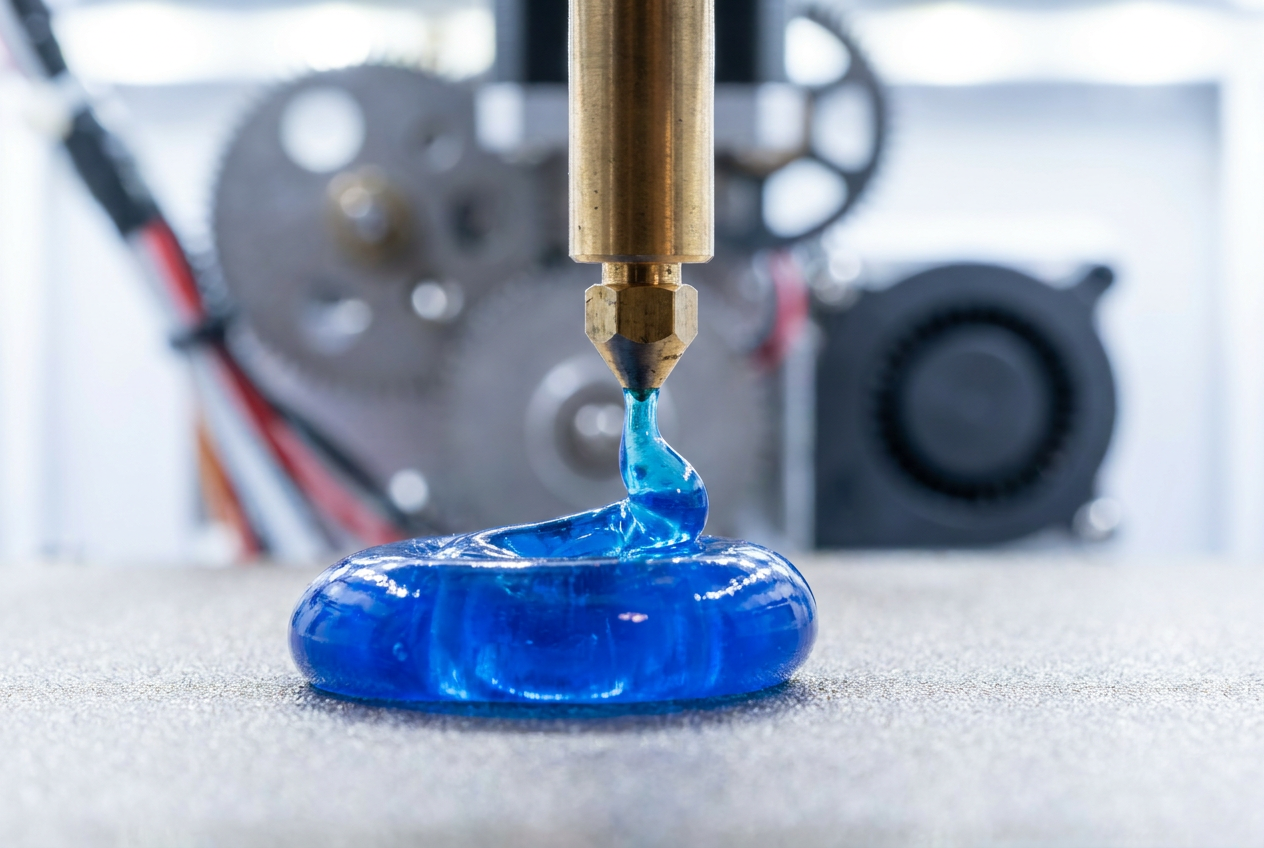
TPU, or thermoplastic polyurethane, is probably the most popular flexible material because it combines the strength of plastic with the elasticity of rubber . Unlike flexible PLA, TPU is much more resistant to abrasion and wear, making it perfect for manufacturing phone cases, robot wheels, or watertight seals.
Printing with TPU has its tricks. Being a soft material, it can fold inside the extruder and cause the dreaded jam. However, there are now optimized versions of TPU that are less soft and easier to extrude , compatible even with printers that don't have a direct drive extruder. For optimal results, it's recommended to reduce the printing speed and ensure the temperature is correct to avoid excessive stringing.
TPE and other Elastomers: The next level
When we talk about TPE (thermoplastic elastomer), we're actually talking about an entire family of materials. TPU is a derivative of TPE, but pure TPE is considerably softer and smoother to the touch . It's the ideal material for wristbands or medical devices, although printing it is more challenging as it requires very precise thermal control and, almost necessarily, a direct drive extruder to prevent the filament from behaving like overcooked spaghetti.
- TPC (Thermoplastic Copolyester): It's the heat- and chemical-resistant version. It's used in bumpers or air ducts because It is very thermally stablealthough it is less flexible than TPU.
- TPA (Thermoplastic Polyamide): It's a blend of nylon and TPE. The result is a smooth, highly durable material capable of withstand repeated stretching cycles unbreakable, ideal for wearable technology.
Technical comparison and printing tips
If we compare TPU to TPE, TPU wins in ease of use and durability, while TPE wins in feel and price. On the other hand, if we compare flexible PLA with TPU, the former is ideal for those who don't want to complicate things with machine setup, but TPU is the one that truly offers real elastic properties for functional parts.
To print with any of these materials, ideally your printer should be able to reach at least 220°C and have a heated bed. A key tip is to keep the filament dry , as these materials are hygroscopic (they absorb moisture from the air), which causes bubbles and a poor surface finish. If you notice the filament bending before entering the nozzle, try lowering the speed and setting the retraction to the minimum to prevent the material from backing up and jamming.
Ultimately, the choice depends on what you're looking for: flexible PLA is great for quick and easy testing, TPU is the balanced option for durable parts, and TPE or its derivatives (TPA, TPC) are for those who need specific industrial properties. The most important thing is to know the limitations of your hardware and not be afraid to experiment with speeds and temperatures until you find the perfect setting for each material.