- Fundamental differences between traditional chatbots and AI agents capable of performing real actions through Tool Calling and RAG.
- Essential principles of conversational design to create human, fluid, and user-centered experiences.
- Analysis of leading tools for agent deployment and automated visual content creation.
Today, it's no longer enough for a machine to respond with predefined text; we seek systems that truly understand our intent and are capable of solving complex problems from start to finish. The leap from basic chatbots to AI agents has been a game-changer, enabling companies to implement solutions that not only communicate but also operate tools and query data in real time.
To ensure these interactions don't feel robotic or frustrating, conversational design comes into play. It's not just about writing pretty phrases, but about mapping the user experience so the flow is natural, efficient, and, above all, useful, while also integrating visual capabilities that enhance brand communication across any channel.

AI Agents vs. Chatbots: The Leap into Action
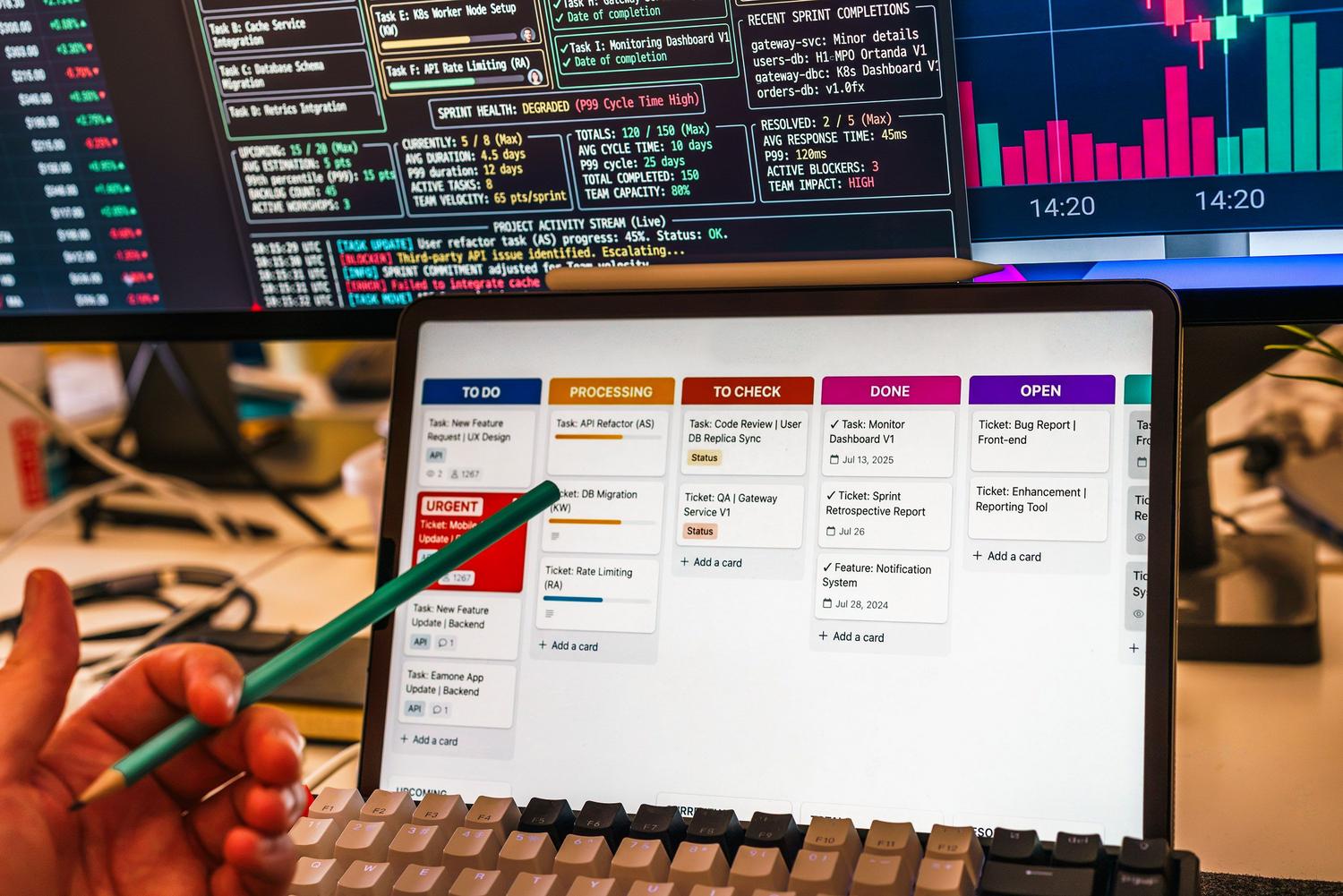
It's very common to confuse them, but the difference is vast. While a chatbot typically follows a rigid script or answers frequently asked questions, an AI agent has execution capabilities . This is achieved through tool calling and API connectivity, allowing the agent to perform web searches or manage internal tasks following patterns like React.
One of the key elements that makes these agents truly valuable is Retrieval-Augmented Generation (RAG). This technique allows AI to connect with a company's specific knowledge base , indexing documents so that responses are not generic but have the exact corporate context.
When tasks are too complex for a single bot, multi-agent orchestration emerges . Here, multiple agents collaborate, coordinating automation processes and agentic AI trends to complete workflows, ensuring the solution is scalable and secure before deployment and measuring its ROI.
The Art of Conversational Design

Conversational design is essentially about creating fluid, natural language dialogues. The goal is to put the user at the center, not the tool. To achieve this, it's vital to understand the user's intentions , anticipating that the same request can be expressed in countless ways, especially if the customer is stressed or uses regionalisms.
To prevent a conversation from breaking down, several key principles must be applied:
- Guided interactions: Instead of leaving open questions that confuse, it is better to offer clear options or quick answers that point the way forward.
- Voice consistency: The bot must maintain the same tone, whether formal or friendly, to avoid generating distrust.
- Elegant error management: When AI doesn't understand something, it shouldn't blame the user, but rather offer alternatives or escalate the query to a human.
- Rhythm and fluency: Avoid giant blocks of text; it is preferable to divide the information into short, digestible messages.
The workflow for creating these systems begins with a thorough understanding of the client's needs, analyzing real support tickets, and mapping the user journey before writing a single line of dialogue. Testing prototypes with real people is the only way to detect those points of friction that go unnoticed on paper.

Tools for the design and deployment of agents

There are platforms on the market that greatly facilitate this process. Voiceflow stands out as a collaborative canvas where designers and engineers can visually map the flow and connect APIs without AI becoming a black box. For more in-depth information, you can consult this comprehensive guide on Voiceflow and agent design . It's ideal for CX teams seeking complete control over observability and omnichannel deployment.
On the other hand, Botpress positions itself as a comprehensive solution that allows the creation of intelligent agents with a powerful NLU engine, facilitating the transition from the initial idea to production with a very practical approach to flow design.
For those in earlier stages, tools like Lucidchart are great for outlining logic, while PlaybookUX helps validate whether the bot's tone and clarity resonate with the actual audience before launch.

Generative AI for visual content creation

AI has revolutionized not only the written word, but also images and video. In digital marketing, automating visual production streamlines workflows that previously took days. Canva, with its Magic Layout feature, allows you to generate graphics from text, maintaining brand consistency almost automatically.
For those seeking superior artistic impact, Midjourney is the benchmark for hyperrealistic visuals, though it requires a more advanced command of prompts. If the goal is video, Synthesia allows the creation of human avatars that speak dozens of languages, drastically reducing audiovisual production costs.
Other tools complement this ecosystem: Beautiful.ai for self-adjusting presentations, Descript for editing video as if it were a text document, and Adobe's Firefly AI assistant for transforming existing images. The key here is not to rely on a single tool, but to combine several in a strategic workflow : use one AI for the concept, another for the image, and a third for the video.
To integrate all of this into a company, it's essential to first define the objective and then adjust the final result to align with the brand's unique style . AI is an incredible copilot, but the human touch is what prevents the content from feeling generic and impersonal.
The convergence between the action capabilities of AI agents, the psychology of conversational design, and the power of visual generation is enabling brands to create digital ecosystems where the user feels understood and cared for with unprecedented efficiency, transforming technical operation into a human and coherent experience.
