- Comprehensive strategies for transforming Oracle schemas, data, and procedural logic into PostgreSQL environments.
- Analysis of automated and manual tools to reduce downtime and operational risks.
- Optimization of the target architecture through the use of specialized cloud extensions and services.

Making the switch from Oracle to PostgreSQL is no small feat, but it's one of the smartest decisions a company can make today. The primary motivation is usually to get rid of expensive licenses and gain complete technological freedom, allowing applications to be vendor-independent and scale seamlessly in any cloud or on-premises environment.
To prevent this process from becoming a nightmare, it's crucial to understand that it's not simply a matter of copying and pasting. We're talking about a profound architectural transformation , where not only the data needs to be translated, but also the entire business logic, views, and triggers, ensuring optimal performance and uninterrupted business continuity.
The process of analysis and discovery
Before touching a single line of code, the most important thing is to take a thorough inventory. You need to analyze the schemas, objects, and all dependencies, such as ETL processes or reports that consume the database. This is the time to identify the objects that truly add value and discard temporary tables or outdated backups that would only add noise to the migration.
Once we have the complete map, a detailed mapping of the data types must be performed. Oracle and PostgreSQL don't speak exactly the same language, so it's vital to define the equivalence of each field to avoid loss of precision or truncation errors. This phase also involves deciding which tools to use, whether opting for solutions like ora2pg, AWS SCT, or managed cloud services.
Transformation of the scheme and structure
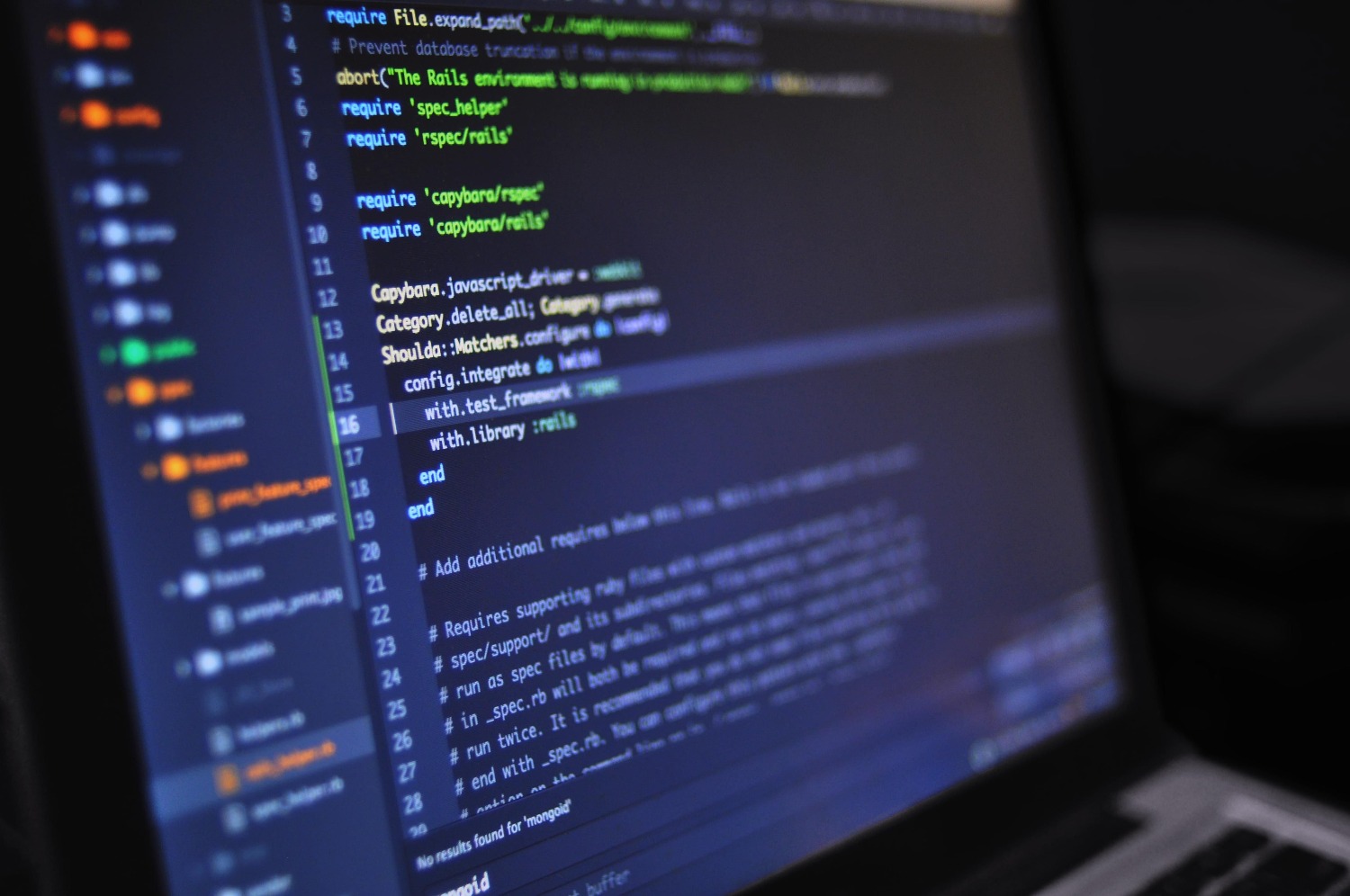
Schema conversion is the foundation of everything. This step involves generating the PostgreSQL-compatible data definition language (DDL). Modern tools, such as some Visual Studio Code extensions, allow you to read the Oracle data dictionary to automate the creation of tables , primary keys, and check constraints.
A critical point is the script execution order. We cannot create a table that depends on one that doesn't yet exist. Therefore, it's essential that the workflow follows a logical sequence: first the tables , then the indexes, and finally the foreign keys and access privileges. This prevents dependency errors that could block the initial deployment.
Migration of procedural logic and views

This is where things get serious. Translating PL/SQL to PL/pgSQL requires careful analysis. While some tools automate the conversion of triggers, complex packages and stored procedures often require extensive manual review to ensure identical runtime behavior.
Regarding views, the goal is to replace Oracle-specific joins with standard ANSI SQL syntax . This not only makes the database more compatible but also greatly simplifies future maintenance. For those migrating to AWS, extensions like orafce help emulate Oracle functions, although ideally, you should migrate to native PostgreSQL functions to maximize server performance.
Data transfer and synchronization
Moving data can be done in several ways depending on downtime tolerance. For small databases, a full dump and load is sufficient. However, in critical environments with terabytes of data, Change Data Capture (CDC) is used , which allows changes to be replicated in real time while the source database remains operational.
It is essential to validate data integrity using checksums and row counts. It is not enough for the migration to complete without errors; you must ensure that the information is semantically correct at the destination. Once the data has been transferred, it is recommended to perform regression testing to verify that the applications continue to function correctly.
Cloud deployment strategies
If the destination is a cloud environment such as Google Cloud SQL, Azure Database for PostgreSQL, or Amazon Aurora, there are specific services that simplify the task. These services offer conversion workspaces where schema issues can be resolved before running the final migration.
Connectivity is key to success in the cloud. It's essential to configure secure connection profiles, using SSL/TLS certificates to protect the data flow between the Oracle instance and the cloud destination. Once the migration is validated, the final cutover takes place, which is the precise moment when the application stops relying on Oracle and begins operating with PostgreSQL.
Carrying out a transition of this magnitude involves coordinating schema conversion, translating complex code, and validating data transfer, all supported by automation tools and a well-designed target architecture to eliminate dependence on expensive licenses and gain in scalability and performance.
FAQ
What is the difference between schema migration and application migration?
Schema migration is responsible for transforming database objects such as tables and indexes, while application migration updates the source code and scripts that make calls to that database.
Is it possible to migrate from Oracle to PostgreSQL without stopping the service?
Yes, this is achieved through continuous replication and Change Data Capture (CDC), which synchronize changes in real time until the final cut is made.
What tools are recommended for converting PL/SQL code?
Tools such as ora2pg, AWS SCT, or specialized IDE extensions can be used, although more complex logic usually requires manual translation to PL/pgSQL.
What are Orafce extensions and what are they used for?
These are PostgreSQL add-ons that add Oracle-compatible functions and operators, facilitating the initial migration by emulating known behaviors of the source system.
How are table dependencies managed during migration?
An organized deployment script must be generated where the independent tables are created first, and then the foreign keys and constraints are applied.
What steps should be followed before starting the data migration?
It is necessary to perform an inventory of objects, analyze the compatibility of data types, and configure secure network connectivity between the source and destination.
How do you verify that the migrated data is correct?
Quality controls are used that include comparing row counts, validating checksums, and running functional tests on the application.
