- The hardware sector is evolving towards industrial automation with strategic alliances in the loading of robots and chips.
- Quantum computing and AI optimization are dramatically reducing the deployment times of advanced hardware.
- The PC component ecosystem is diversifying from GPUs and CPUs to cooling solutions and NVMe storage.

If you're passionate about the world of hardware and want to know what's really driving the changes in today's computing landscape, you've come to the right place. The technological landscape is changing at a dizzying pace, where we no longer just talk about whether one graphics card is faster than another, but about how the artificial intelligence and quantum computing They are redefining what we understand by computing power.
It's not just about assembling a PC and that's it; it's about understanding that we're at a pivotal moment. From the arrival of platforms that aim to replace the traditional computer to the standardization of robotics In chip factories, there's plenty to choose from for any enthusiast who doesn't want to be stuck with outdated technology.
The leap towards AI and advanced computing
We've recently seen some very interesting developments in the industry. For example, giants like Samsung, Micron, and SK hynix have decided to put their differences aside to create a alliance in robot loadingThe goal is for chip factories to become fully autonomous. This is key because, by automating production, the cost and efficiency of the hardware we buy could improve significantly.
On the other hand, Intel is not far behind and is making a strong push to acquire Classiq. The goal is very clear: to transform the quantum computing in a viable business and commercial, ceasing to be a laboratory experiment and becoming something we can leverage in real-world environments. Added to this is the impact of AI; look at how Anthropic has managed to reduce the implementation time of AMD MI355X hardware from a year to to be resolved in just three days thanks to Claude Mythos Preview.
Analysis of essential PC components
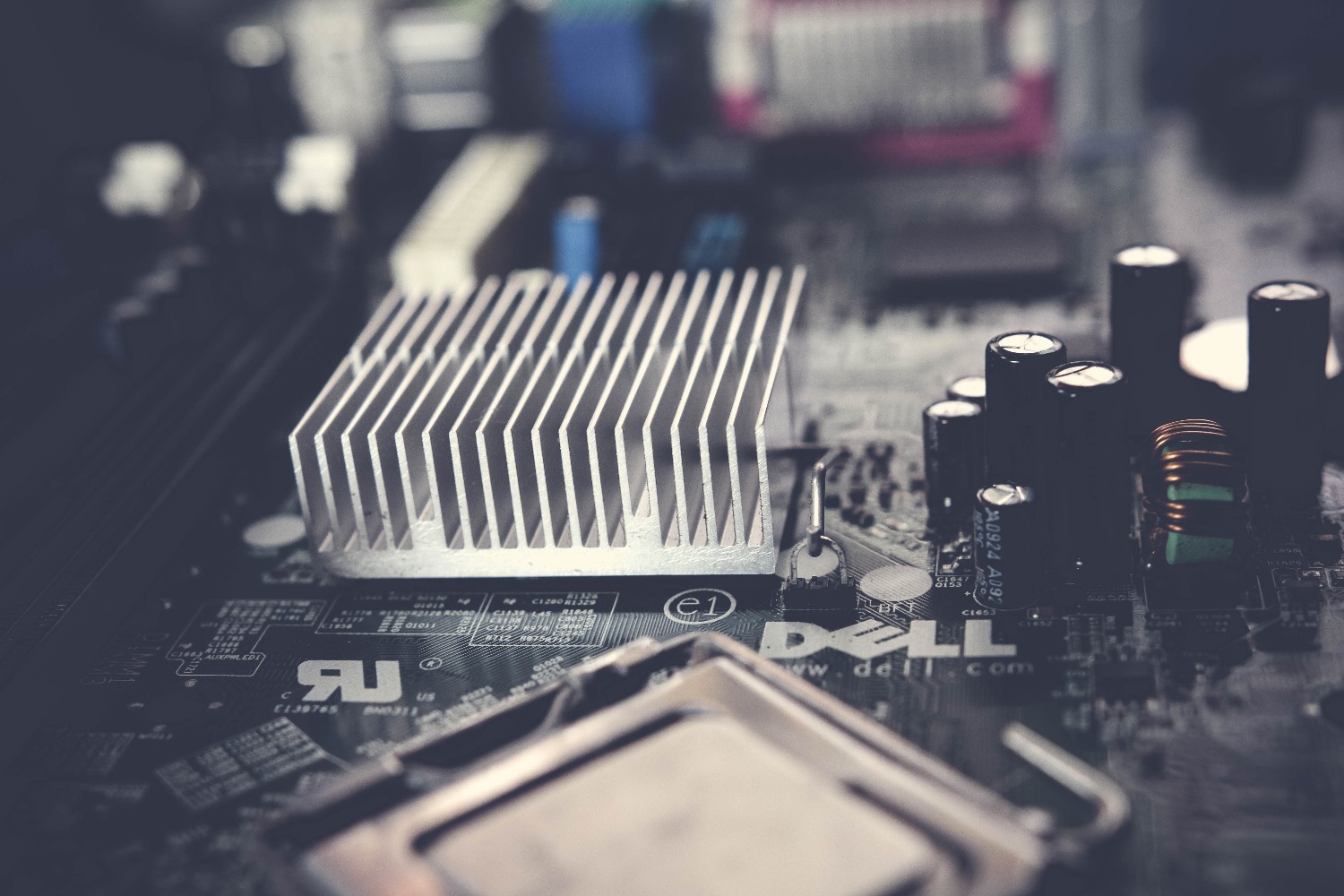
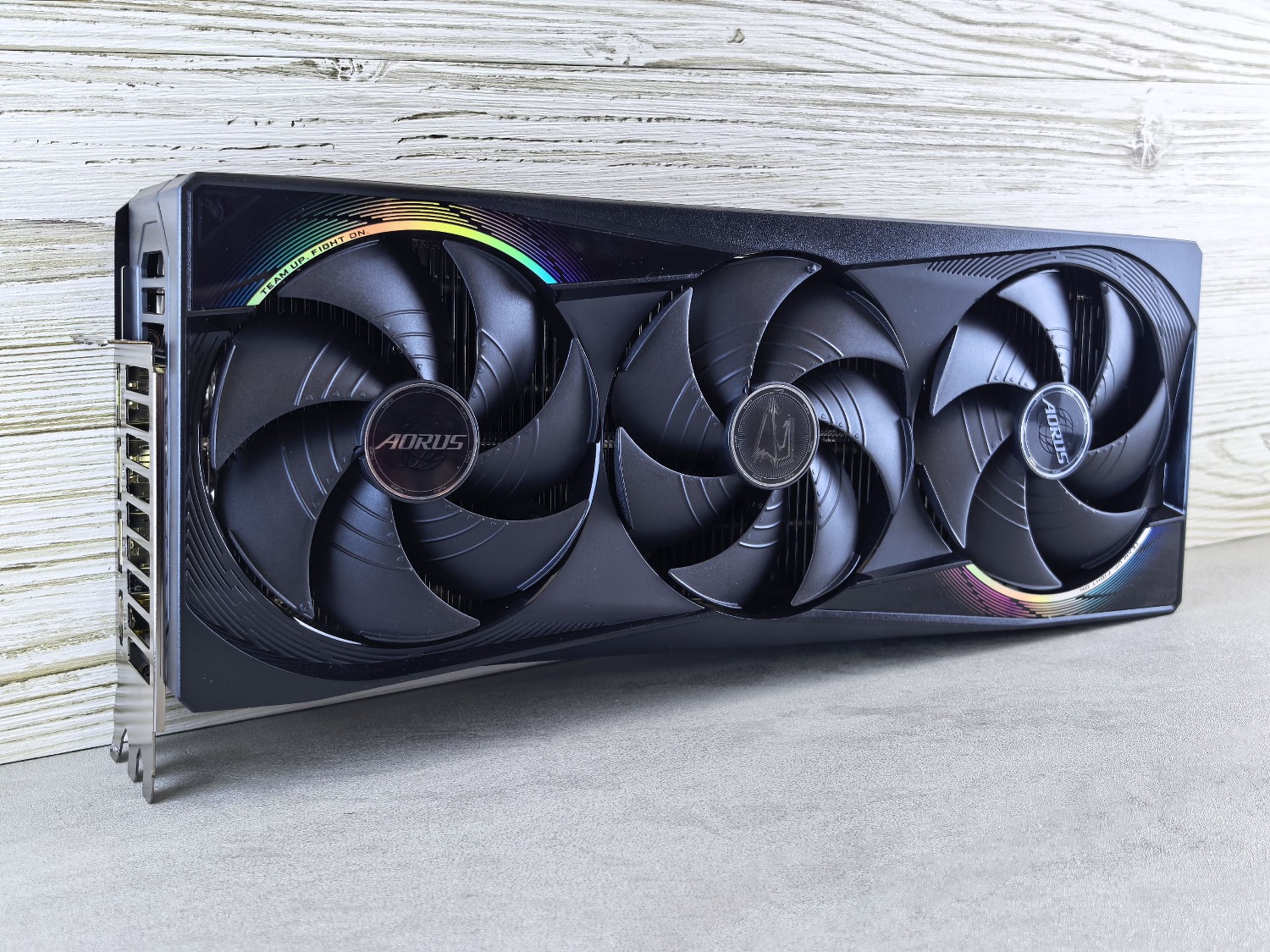
For those of us who prefer tangible hardware, the market continues to offer an overwhelming variety. graphics cards They remain the crown jewel, the most analyzed component due to their direct impact on gaming and rendering. But be warned, it's not all about raw power; energy efficiency is now the deciding factor.
- Processors and APUs: The brain of the team, where the fight for cores and frequencies remains red hot.
- Motherboards and Memory: From DDR5 support to NVMe slots, connectivity is what prevents your system from having bottlenecks.
- Storage: SSDs have won the battle, but the speed of NAND Flash continues to scale to handle massive amounts of data.
We cannot forget the importance of keeping everything fresh. CPU and GPU cooling This is vital to prevent thermal throttling, especially in high-end equipment. Likewise, a power supply A robust power supply, ranging from 200 to 1500 watts, is the lifeline of any powerful setup.
Peripherals and new forms of computing
The world of accessories has also evolved. We're no longer just talking about mice and keyboards, but about... specialized gaming devices and headphones with amazing sound fidelity. Even the PC chassis or case has gone from being a simple container to a design piece where the modding and airflow These are absolute priorities.
It's interesting to see how concepts like Nvidia's RTX Spark emerge, because even though some say the PC is dead, it's actually a optimized hardware platform And it's very efficient and still runs Windows. For those seeking mobility, mini-PCs and ultraportables continue to gain ground, offering a balance between power and space that was previously unthinkable.
The IT industry is now moving towards a model where AI optimizes hardware and automation accelerates production. From choosing a motherboard to implementing quantum systems, the goal is to achieve a energy and operational efficiency maximum, ensuring that each component, whether it's a simple fan or a state-of-the-art GPU, performs at its maximum capacity.
FAQ
¿Qué componentes son los más críticos al montar un PC actual?
Los elementos fundamentales son la tarjeta gráfica para el rendimiento visual, el procesador como núcleo de cálculo y una memoria NVMe para garantizar la velocidad de carga.
¿En qué consiste la tendencia de las fábricas de chips no tripuladas?
Es una iniciativa impulsada por Samsung, Micron y SK hynix para estandarizar la carga de robots y automatizar la producción de semiconductores.
¿Cómo está afectando la IA al despliegue de hardware de AMD?
Gracias a herramientas como Claude Mythos Preview, el tiempo de configuración y puesta en marcha del hardware AMD MI355X se ha reducido de meses a solo tres días.
¿Es el RTX Spark un sustituto real del ordenador de escritorio?
Se presenta como una plataforma de hardware potente y eficiente que utiliza Windows, aunque para los entusiastas del PC el montaje tradicional sigue siendo la opción preferida.
¿Qué importancia tiene la fuente de alimentación en un equipo de gama alta?
Es esencial contar con una unidad que soporte el consumo eléctrico del sistema, existiendo modelos que alcanzan hasta los 1500 vatios para evitar fallos de energía.
¿Cuál es la diferencia entre DDR4 y DDR5 en el hardware moderno?
La memoria DDR5 representa la evolución en velocidad y eficiencia frente a la DDR4, siendo compatible con las placas base más recientes para mejorar el flujo de datos.
