- Key differences between residential, data center, and mobile proxies based on IP reputation and success rate.
- Importance of automatic IP address rotation and sticky session management to circumvent anti-bot systems.
- Analysis of bandwidth (GB) based pricing models versus successful request models in scraping APIs.
Large-scale web scraping without an IP strategy is essentially a shot in the dark. If you try to extract thousands of pages from a single connection, the website's server will catch you in no time, leaving you stuck with a 403 error or an impossible-to-solve CAPTCHA. To avoid this headache, proxies come into play. They act as intermediaries, hiding your trail and distributing the load across multiple addresses.
In today's ecosystem, where artificial intelligence demands massive amounts of data, website owners have stepped up their game with very aggressive security measures. Therefore, it's not just about changing your IP address, but about choosing the right proxy and setting up intelligent server rotation that mimics the behavior of a real user, thus preventing detection systems from flagging you as a bot.

What exactly is a proxy and how does it save our skin?

In simple terms, a proxy server acts as a bridge between your scraping script and the target website. Instead of your computer connecting directly, the request first passes through the proxy, which forwards it to the server. This makes the website think the request is coming from the proxy's IP address and not yours, allowing you to maintain anonymity and prevent your local address from being blacklisted.
This is vital not only because of blocking, but also because of geo-targeting . Many websites change prices, stock levels, or search results depending on the country you're accessing them from. If you need real-time data from Japan or the United States, you need proxies located in those regions so the server can deliver content specific to that market.
Types of proxies: Which one to choose depending on your goal?
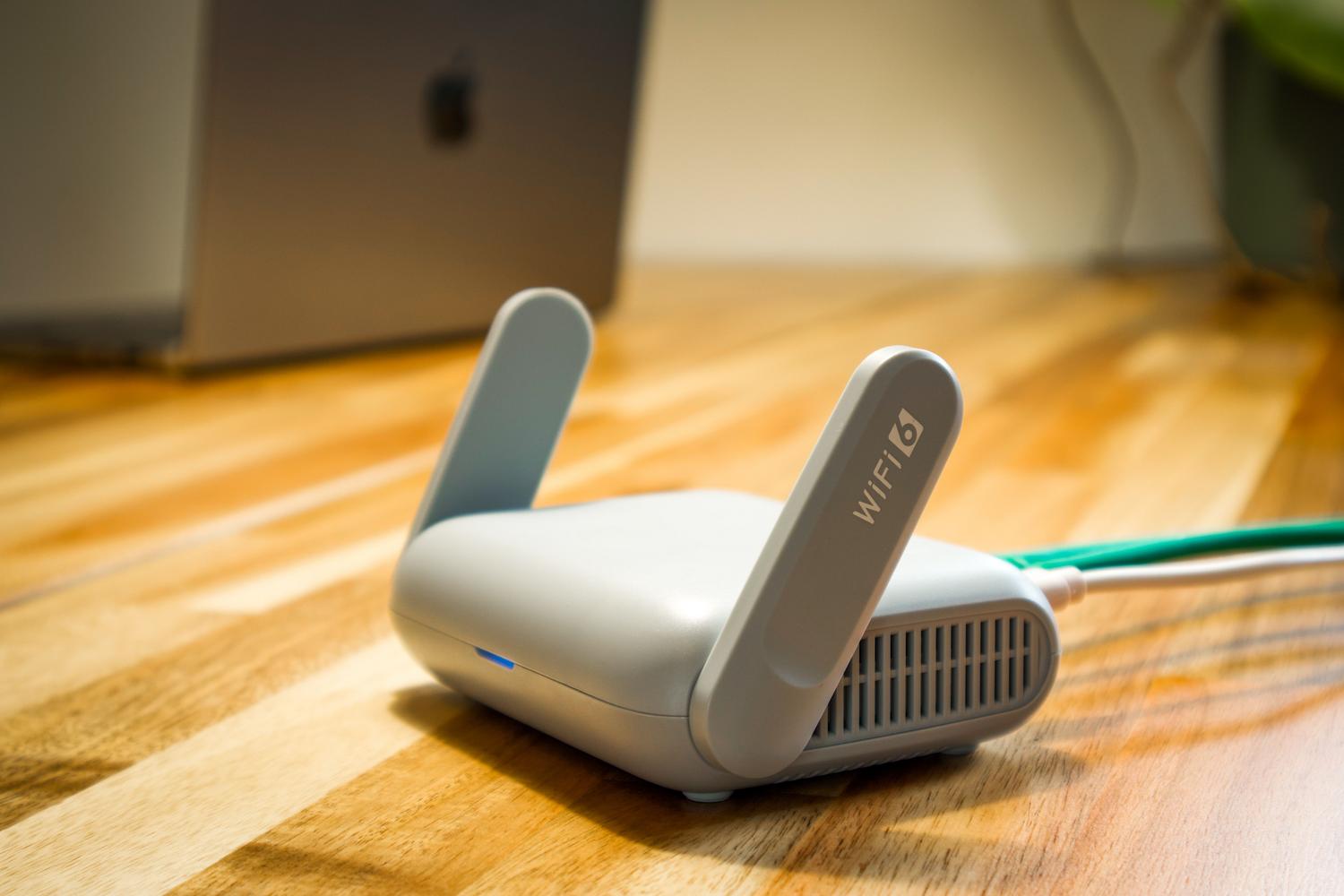
Not all proxies are created equal, and choosing the wrong one can be a waste of money. Depending on the hardness of the site you're scraping, you'll need to choose between these three main options:
- Data Center Proxies: They are the fastest and cheapest. They come from cloud servers, so they have massive bandwidth. The problem is that they are easy to detect because their IP ranges are labeled as "servers." They are ideal for permissive websites or quick extraction tasks.
- Residential Proxies: These IPs belong to real devices belonging to home users. For a website, it's almost impossible to distinguish them from a human visitor, drastically reducing the likelihood of being blocked. They are the best option for strict platforms like Amazon or social networks, although they tend to be more expensive and are billed per GB.
- Mobile Proxies: They use 4G/5G network IPs. They are the "holy grail" of scraping because websites cannot block entire mobile ranges without risking excluding thousands of real users. They are perfect for Exclusive mobile contentalthough its cost is the highest.
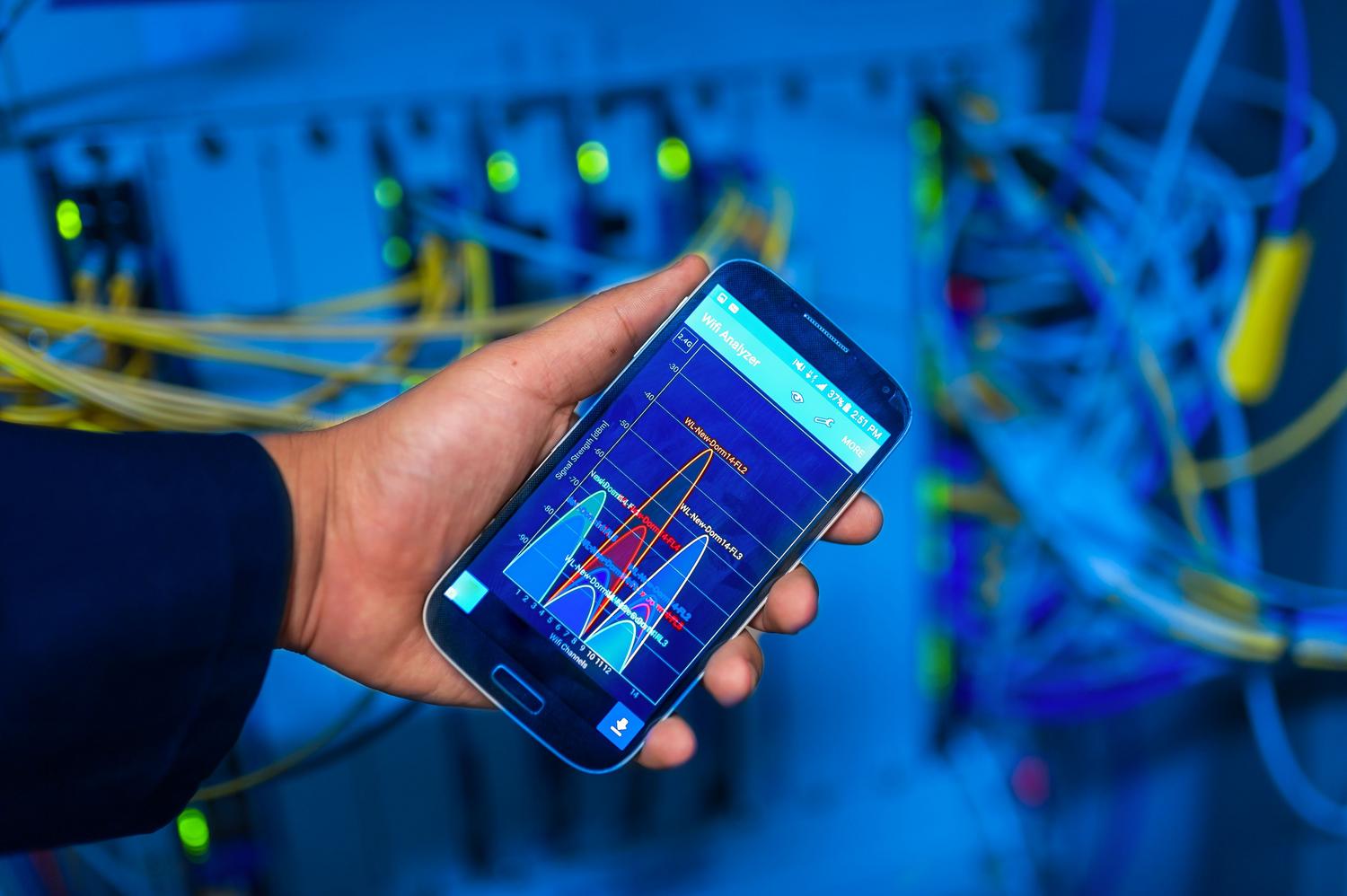

Advanced strategies to avoid detection
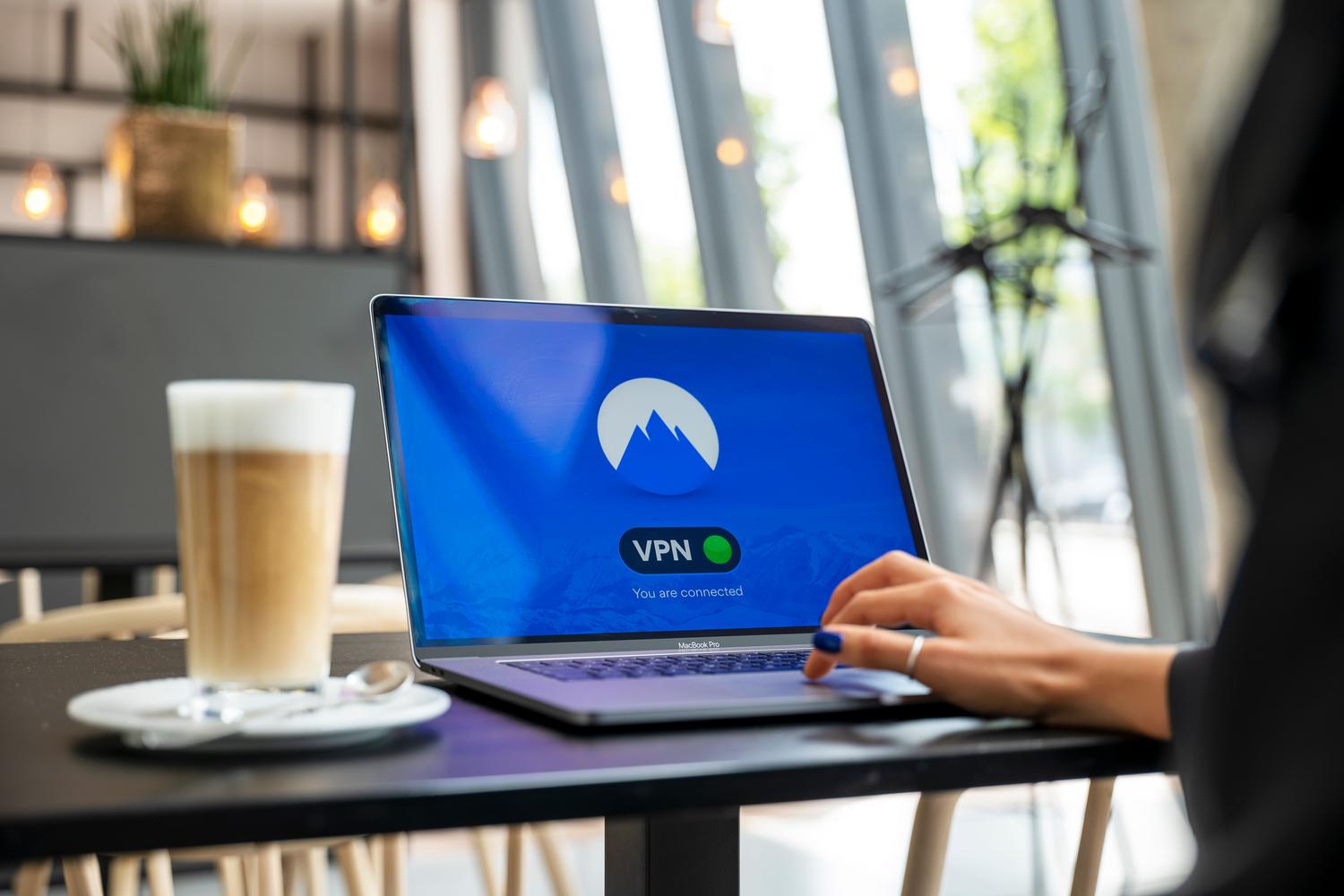
Having a thousand IPs is useless if you misuse them. The key is IP address rotation . Instead of using a single connection until it dies, the system changes the IP address with each request. This way, the server sees requests coming from hundreds of different users instead of just one bot making noise.
However, there are cases where rotating the IP address at every step would break the flow, such as when you need to log in or add products to a cart. This is where sticky sessions come in , allowing you to keep the same IP address for a set period (from a few minutes to 24 hours) to preserve the session state before switching to another IP address.
Comparison of solutions and cost models
If you're on a tight budget, the smartest approach is to look for providers with a pay-as-you-go model and non-expiring traffic. Options like DataImpulse stand out for offering residential service at $1/GB, which is very inexpensive if you're only extracting lightweight HTML. For those seeking simplicity, there are SERP APIs (like Decodo or ScraperAPI) that don't provide the raw IP address but instead return the parsed data in JSON, handling CAPTCHAs and traffic rotation themselves.
For enterprise-level projects, giants like Bright Data or Oxylabs offer massive infrastructure with granular segmentation by city or ASN, ensuring a very high success rate, although the price is considerably higher. On the other hand, no-code tools like Thunderbit integrate IP rotation and AI into a single extension, making life easier for those who don't want to wrestle with Python scripts.
Technical configuration and best practices
To implement this in code (for example, with Python and Requests), simply pass a proxy dictionary in the request. However, for the system to be robust, it's recommended to implement request rate control (throttling), adding random delays between requests to avoid overloading the server and to appear more human-like.
Another key trick is User-Agent rotation . Changing your IP address is useless if all your requests claim to be coming from the same version of Chrome on Windows. Alternating browser headers along with IP rotation makes your requests virtually indistinguishable from organic traffic.
Legal and ethical considerations
Although using proxies is legal, web scraping itself must be done responsibly. The golden rule is to respect the robots.txt file and avoid overloading the target's servers to the point of taking them offline. It's safest to always extract publicly available data and avoid indiscriminately storing personal data subject to regulations such as the GDPR.
Successful data extraction hinges on striking a balance between request volume, IP quality, and the ability to mimic human browsing behavior. Whether opting for the power of rotating residential proxies, the speed of data center proxies, or the convenience of a managed API, the key lies in diversifying the identity of our connections so that data flow doesn't stall at the first sign of trouble.
