Computer Architecture: Introduction to its Evolution and Design

Last update: July 28, 2025
  • Computer architecture is the internal design that defines the processing and storage of information in a digital device.
  • The evolution ranges from analog computers to quantum computers, revolutionizing the way we interact with technology.
  • Efficient computer design focuses on performance, energy efficiency, and scalability to meet growing demands.
  • The future promises advanced quantum computers, artificial intelligence, and biological computers that will transform science and industry.
computer architecture

Welcome to the exciting world of computer architecture! In this article, we will explore in depth the evolution and design of computers throughout history. From the early days of analog computers to cutting-edge quantum computers, we will discover how they have changed and how they work. Get ready for an exciting journey through the technology that has transformed our society.

Introduction to Computer Architecture

What is Computer Architecture?

Key Components of Computer Architecture
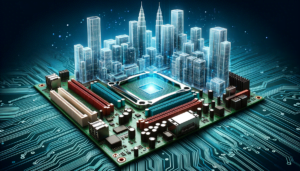
Computer Architecture

1. Central Processing Unit (CPU)

2. Memory

3. Input and Output Devices

4. Motherboard

Evolution of Computer Architecture

The First Steps: Analog Computers

The Digital Revolution: Von Neumann Computers

The Era of Minicomputers and Mainframes

The Personal Revolution: Personal Computers

The Rise of Laptops

The Age of Mobile Computing

Into the Unknown: Quantum Computers

Computer Design: An Art and a Science

Design Principles

1 performance

2. Energy Efficiency

3. Scalability

Current Challenges in Design

1. Parallelism

2. Security

3. Quantum Computing

The Future of Computer Architecture

What does the future hold for us?

1. Advanced Quantum Computing

2. Artificial Intelligence and Machine Learning

3. Biological Computers

Conclusion

parallel processing computer architecture
Related articles:
Parallel Processing: Computer Architecture