- Disruptive technologies are transforming the electricity system towards a more digital, distributed and decarbonized model.
- AI, IoT, blockchain, new materials, and advanced storage enable more efficient, flexible, and prosumer-oriented networks.
- Protecting critical infrastructure requires balancing efficiency and resilience against physical threats and cyberattacks.
- Models such as distributed generation and P2P energy trading open new markets and change the role of the consumer.
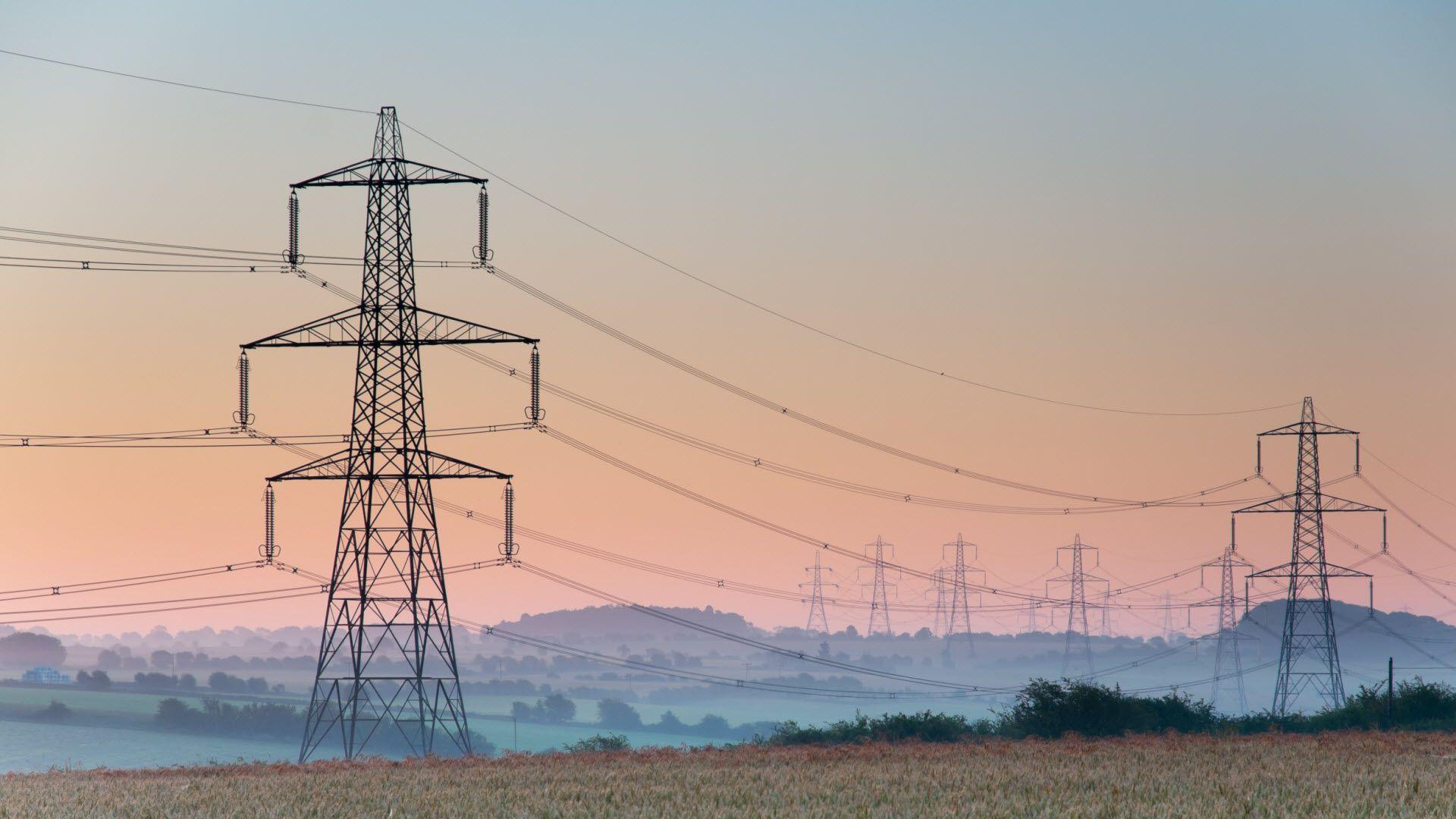
The electricity and energy sector is undergoing a silent revolution that is changing everything: how it is generated, how it is transported, and how we consume it at home, in businesses, and in cities. The green transition , decarbonization, and digitalization go hand in hand, forcing utilities, network operators, government agencies, and technology companies to get their act together if they don't want to be left behind.
At the same time, disruptive and emerging technologies are rewriting the rules of the game : artificial intelligence, IoT, blockchain, new materials , extended reality, advanced cybersecurity, smart grids, cutting-edge storage solutions, hydrogen, and even new market models such as peer-to-peer energy trading. All of this directly impacts the electricity sector, telecommunications, and a country's critical infrastructure.
What do we mean by disruptive technologies and innovation in the electricity sector?
When we talk about disruptive technologies in energy, we're not referring to simple incremental progress, but rather to disruptive innovation that breaks with the dominant model and creates new markets, processes, or ways of operating. This approach aligns with the concept of "disruptive innovation" coined by Clayton M. Christensen, which describes solutions that burst into an established market and end up transforming it completely.
These types of innovations often open up market niches that didn't previously exist or were underserved , offering products or services better suited to users' current needs. In the energy sector, this translates into new business models, new consumer-grid relationship schemes, and digital services based on data and advanced automation.
Furthermore, disruptive technologies tend to lower costs and democratize access to energy services. New players enter the market with more flexible and competitive offerings, putting pressure on traditional operators and forcing them to reinvent themselves. In many cases, what was once a premium product becomes commonplace.
It's not just about introducing gadgets or flashy devices: disruption also involves changing processes, operating models, and how decisions are made . Digitization, automation, and real-time data analysis make it possible to manage more complex and decentralized networks, with millions of distributed resources connected to the system.
Depending on their scope, we can talk about disruptive innovations that improve or reduce the cost of known models (low-level disruption) , and others that create completely new markets, such as P2P energy exchange or advanced smart grid management systems.
Ecological transition, digitalization and pressure on the electricity system
The electricity and telecommunications systems are under dual pressure: on the one hand, the need to integrate increasing volumes of renewable energy , and on the other, the dramatic increase in demand for connectivity, digital services, and automation. All of this is happening against a backdrop of ambitious decarbonization targets and heightened public awareness of security of supply.
According to recent data, more than a fifth of medium and large Spanish companies report using AI in their processes , compared to just over a tenth the previous year. Although the percentage is not yet a majority, the trend is very clear: companies are accelerating the adoption of advanced technologies to optimize their operations, reduce costs, and increase resilience. The growing use of AI is a central part of this transformation.
In the electricity and telecommunications sectors, these technologies have become essential tools for managing distributed assets, integrating variable renewables, improving the technical and economic efficiency of networks, and meeting climate goals. Those who fail to digitize their networks risk operating blindly.
This dynamic not only demands investments in hardware and software; it also forces a rethinking of organizational models, professional profiles, and collaboration between companies . Utilities no longer compete only among themselves, but also with new technology players that provide agile, data-driven solutions based on open innovation models.
Key technologies that are transforming the electricity system
The wave of technological disruption in energy and telecommunications is supported by a set of interconnected technology families. The most relevant of these are detailed below, along with how they are changing the landscape.
New equipment, advanced materials and power electronics
Modernizing the electrical system requires new equipment and materials with improved insulation, conduction, switching, and storage capabilities. State-of-the-art power electronics enable more precise energy flow management, reduced losses, and the safe integration of large renewable energy systems.
These advances enable, for example, more compact and efficient converters , smart transformers, FACTS systems (such as static compensators), and large-scale storage solutions that make the grid more flexible. In a system saturated with distributed generation, these elements are no longer optional.
Intelligent automation: AI, advanced analytics, and synthetic data
The digitization of networks, substations, and assets opens the door to data-driven operating models . Artificial intelligence, machine learning, and advanced analytics make it possible to anticipate failures, estimate component lifespan, and optimize maintenance.
Thanks to predictive models and techniques like synthetic data, a multitude of scenarios can be simulated without the need for on-site testing , reducing risks and accelerating the deployment of new solutions. This translates into more efficient operations, with fewer disruptions and improved quality of supply.
Intelligent automation also impacts network planning, congestion management, and the integration of distributed resources, coordinating generation, storage, and demand in real time . What previously required days of manual calculation can now be managed almost on the fly with advanced algorithms.
Advanced connectivity and critical communications networks
Modern power grid operations rely on robust, low-latency communications infrastructure . Fiber optic wired networks, mobile technologies like 5G, and communications specifically designed for the energy industry enable the transmission of data from millions of sensors and field devices in near real-time.
This connectivity is key to monitoring and controlling distributed assets , enabling smart grid services, integrating electric vehicles , and managing energy communities. Without reliable communication channels, distributed intelligence and advanced automation simply could not function.
Immersive technologies, robotics, and remote operation
Virtual reality, augmented reality, extended reality, and metaverse environments, along with robotics and the use of drones, are changing how energy infrastructure is designed, operated, and maintained . A technician can receive overlaid instructions on the equipment they are inspecting or tour a plant from a digital twin without physically setting foot on the site.
Robotics and drones enable inspections in hard-to-reach areas or areas with risks to people , such as high-voltage power lines, wind turbines, or remote substations. This reduces intervention times, improves safety, and facilitates decision-making with real-time visual and sensor data.
Digital platforms, Web3, Edge Computing, Big Data, Blockchain and quantum computing
The exponential increase in data generated by networks and connected assets demands digital platforms capable of processing large volumes of information . Big Data and cloud computing provide the necessary power to analyze massive flows of historical and real-time data.
Edge computing brings processing closer to the network edge, reducing latency and alleviating traffic to the cloud —essential for critical protection and control applications. Meanwhile, Web3 and blockchain open the door to decentralized energy markets, traceability of guarantees of origin, and peer-to-peer smart contracts.
Cybersecurity in IT and OT
The convergence of information technology (IT) and operational technology (OT) systems multiplies the attack surface. Therefore, advanced cybersecurity solutions are a critical pillar in the electricity and telecommunications sectors. It's not just about protecting data, but about ensuring service continuity in critical infrastructure.
Operators must implement security architectures specifically designed for industrial environments, continuously monitor systems, segment networks, and enforce zero-trust policies . An attack on a substation, control center, or telecommunications operator can have a direct impact on the daily lives of millions of people.
Monitoring, IoT and advanced digitization projects
The massive deployment of sensors, IoT devices, and industrial wearables is enabling real-time monitoring of the status of assets and infrastructure . From transformers and medium-voltage lines to wind farms and photovoltaic installations, virtually any element can be instrumented.
This data is integrated into monitoring and analysis platforms that facilitate remote management, early detection of anomalies, and optimized maintenance . Furthermore, information about the operating environment contributes to improving the safety of both facilities and personnel.
An illustrative example is the type of projects that combine IoT, artificial intelligence, and advanced analytics to monitor assets in real time and support the energy transition . These solutions optimize resource use, anticipate incidents, and improve service quality and continuity, fully integrating digitalization into network operations.
Critical infrastructures and exponential society
Electricity, water, transportation, telecommunications, healthcare, and the nuclear industry are all part of what are known as a country's critical infrastructures . These are physical or virtual systems without which society, the economy, and essential services could not function normally.
In Spain, there is a specific regulatory framework for the protection of critical infrastructure, which establishes strategic sectors and obligations for operators and government agencies . These include water, energy, information and communication technologies, transport, health, the nuclear industry, and the chemical industry.
Any major disruption, whether caused by natural events (such as a large earthquake damaging power grids) or by human actions (such as terrorist attacks or cyberattacks on power plants or airports), can trigger cascading effects with a significant impact on the population and the economy. Hence the importance of strengthening both the efficiency and resilience of these systems.
We also live in an “exponential society” marked by technological acceleration . Moore’s Law and other similar phenomena have allowed technologies such as AI, IoT, 5G, and autonomous mobility to evolve at breakneck speed, altering power balances and business models in a very short time.
Historical examples of accelerated obsolescence, such as military fortifications that became outdated before they were even inaugurated, or iconic companies overtaken by digital innovations (Kodak, Nokia, Blockbuster, BlackBerry), demonstrate the dangers of thinking only in linear terms in a world of abrupt change . In critical infrastructure, misinterpreting this phenomenon can be particularly problematic.
From efficiency to resilience: new network design strategies
In this accelerated context, it is not enough to create highly efficient networks; it is essential to find a balance between efficiency and resilience . Some types of highly optimized networks, such as so-called "scale-free" networks, can be extremely fragile when faced with disturbances directed at their most critical nodes.
For electrical systems, transportation networks, telecommunications, and healthcare, it is essential to incorporate more distributed and robust design approaches that can withstand partial failures without collapsing. Distributed, redundant architectures with multiple alternative paths significantly improve resilience.
This requires applying non-linear and systemic thinking , taking into account interdependencies, cascading effects, and complex dynamics. Instead of designing a single, closed solution, it increasingly makes sense to work on "solution spaces" that allow adaptation to different types of threats and future scenarios.
In engineering, this approach translates into moving from rigid products to infrastructures capable of operating in multiple modes , with the flexibility to respond to extreme events, both physical and digital. The goal is not to eliminate all uncertainty (which is impossible), but to increase the system's capacity to absorb shocks without collapsing.
Vulnerabilities and threats exacerbated by disruptive technologies
The same technologies that offer new capabilities can also amplify vulnerabilities if used for malicious purposes . Organized crime, the proliferation of weapons of mass destruction, cyberattacks, threats in maritime, air, or outer space, as well as extreme natural phenomena, can all leverage advanced technologies to increase their impact.
The increasing interconnection of critical infrastructure, driven by digitalization, creates complex systems with more potential points of failure . A problem in one key node can quickly spread to other sectors, as seen in cybersecurity incidents or failures of large technology platforms.
Hence the need to design comprehensive mitigation and protection strategies that encompass prevention, response, and recovery. This includes everything from technical and organizational measures to regulatory frameworks and public-private cooperation mechanisms.
Protection strategies: distributed generation and design for resilience
One of the clearest strategic lines is to commit to more distributed energy generation and management models . In contrast to the traditional model of large, centralized power plants, there is a growing interest in networks of small renewable energy plants spread across the territory, microgrids, and local self-consumption.
This distributed structure is more resilient to isolated failures, disasters, or attacks , as it is less dependent on a few giant nodes. Furthermore, it facilitates the integration of renewable resources close to the point of consumption, reducing losses and increasing citizen and business participation in the energy transition.
Another key strategy involves incorporating "complex systems engineering" from the design stage , considering not only the initial project but also the full range of possible future configurations. This allows infrastructures to adapt to unexpected external stimuli.
The greater the system's flexibility (for example, through automation, storage, flexible demand resources, or distributed generation), the greater its resilience to severe incidents . This isn't about uncontrolled over-dimensioning, but rather about introducing strategic degrees of freedom at critical points.
Examples of lesser-known disruptive energy technologies
Beyond conventional renewables (wind, standard photovoltaics, hydroelectric or biomass), there is a set of very promising emerging technologies that can complement and reinforce the energy mix of the future.
Inverse photovoltaic panels based on thermal radiation
So-called "inverse photovoltaic panels" use thermal radiation cells that harness the infrared radiation emitted by hot bodies towards cooler ones. In this case, the hot body would be the Earth's surface and the cold body, outer space.
These devices are capable of generating electricity even at night or in conditions of low solar irradiance , capturing the energy that the Earth radiates back into space. Current prototypes suggest they could achieve up to about half the daytime production of a conventional photovoltaic panel.
Until now they had been used mainly to recover waste heat in thermal engines and industrial installations , but the idea of extending their application to continuous renewable generation opens up a very attractive field of research.
Ocean thermal energy or ocean thermal gradient energy
Ocean thermal energy conversion (OTEC) harnesses the temperature gradient between the ocean's surface water and its deeper layers to generate electricity. In certain tropical areas, this temperature difference is high and stable enough to operate dedicated power plants.
There are open cycle configurations , where seawater itself drives the turbine (with power outputs of tens of megawatts), and closed cycle configurations, where working fluids such as ammonia are used to transfer heat (with potentially higher power outputs).
These types of installations have already been tested in countries such as Japan, Pacific islands, and parts of Southeast Asia, although their deployment is limited by thermal gradient requirements . Even so, they represent an interesting option for renewable baseload power generation in suitable regions.
Fourth generation nuclear power plants
The so-called fourth generation of nuclear reactors encompasses several advanced designs that aim to radically improve safety, efficiency, and sustainability compared to current power plants. These include very high temperature reactors (VHTRs), molten salt reactors (MSRs), supercritical cooled reactors (SCWRs), and fast gas, sodium, or lead reactors (GFRs, SFRs, LFRs).
Except for the VHTR, most of these designs allow closed fuel cycles , in which nuclear waste from other plants can be used as raw material, thus reducing the amount of waste in the long term.
By extracting up to hundreds of times more energy from the same volume of uranium as a conventional reactor, these technologies are seen as a possible backup complement to renewables , especially while nuclear fusion is not yet commercially viable.
Hydrogen synthesis using captured CO2
Carbon capture and storage (CCS) technologies focus on capturing CO2 from industrial processes and power plants, preventing its release into the atmosphere . Capture can reduce emissions by between 10% and 55%, storing the gas in underground formations for future use.
However, captured CO2 doesn't have to be considered "waste" to be managed. Its use as a reagent in processes that generate fuels or energy carriers , especially hydrogen, is gaining increasing interest. Research is underway to explore the possibility of synthesizing hydrogen using CO2 and generating electricity in the process.
This would allow for the production of much cleaner hydrogen with a lower carbon footprint , while simultaneously reducing the need for long-term geological storage of CO2. Given that hydrogen is poised to become a key energy carrier, these technologies have enormous potential.
Static compensators to provide “electrical inertia”
Electrical grids rely on the inertia of traditional synchronous generators to smooth out imbalances between generation and demand. Many renewable energy sources, such as wind and solar photovoltaics connected via power electronics, contribute very little inertia, making the system frequency more volatile.
Static compensators, part of FACTS systems, are power electronics devices that regulate reactive power and can emulate inertia in networks with low synchronous generation. When coupled with renewable energy sources, they increase their contribution to frequency support.
They are currently used primarily in microgrids and local applications, but their scaling up to national or regional networks is underway . Their widespread deployment could further reduce the need to maintain thermal power plants as a "ballast" for grid stability.
Cutting-edge innovations in renewables and storage
Renewable energy continues to evolve. Beyond conventional solar panels and wind turbines, new configurations and materials are pushing the boundaries of efficiency and flexibility , while storage technologies are becoming more varied and mature.
Perovskite solar energy
Perovskite photovoltaic cells have become one of the stars of solar research thanks to their high efficiency and low-cost potential . They can be manufactured using simpler processes than silicon cells and in lightweight and flexible formats.
Numerous companies are investigating tandem structures that combine perovskite with silicon to overcome the efficiency limitations of each technology separately. As issues of stability and large-scale production are resolved, increasing market adoption is expected.
Redox flow batteries
Redox flow batteries store energy in liquid electrolytes contained in external tanks , allowing for independent sizing of energy capacity and power. They are particularly useful for long-term stationary energy storage.
By being able to scale the size of the tanks without changing the power of the electrochemical stacks, they make it easier to manage renewable surpluses for hours or even days , smoothing out production peaks and covering periods of low generation.
Floating wind turbines
Floating wind turbines allow for the installation of wind farms in deep waters where fixed structures are not feasible . In these marine areas, winds are typically stronger and more consistent, increasing the load factor of the wind turbines.
This solution multiplies the potential of exploitable offshore wind power worldwide and opens up opportunities for countries with narrow continental shelves . The challenge lies in reducing costs and standardizing designs to accelerate large-scale deployments.
Enhanced geothermal energy
Enhanced geothermal systems (EGS) aim to harness the heat from deep rock formations even where no usable natural aquifers exist. Through stimulation and fluid circulation techniques, heat can be extracted from previously unusable areas.
This allows geothermal energy to be extended beyond the classic "privileged" locations, greatly increasing the global potential of this firm renewable source , capable of providing baseload generation with a low environmental footprint.
Floating solar panels
Floating solar panels are installed on water surfaces such as reservoirs, irrigation ponds, or artificial lakes . In addition to generating electricity, they help reduce evaporation and can slightly improve performance through natural cooling.
They are particularly interesting in areas with limited available land and in drought contexts, as they allow the use of existing bodies of water without consuming agricultural or natural land . Their deployment is increasing as a complement to other forms of distributed generation.
Green hydrogen and CO2 capture: vectors for decarbonization
Hydrogen produced by electrolysis of water with renewable electricity, known as green hydrogen, is emerging as a key vector for decarbonizing sectors that are difficult to electrify directly, such as heavy industry, certain transports and thermal uses.
Its use does not generate direct CO2 emissions and it can be stored and transported as fuel , acting as a bridge between different energy sectors. Combining green hydrogen with CO2 capture technologies allows for addressing residual emissions and creating entirely new value chains.
At the same time, carbon capture and storage, along with its use in synthetic products and fuels , remains an important piece in achieving climate goals, especially in process industries with unavoidable emissions.
Innovative market models: P2P energy trading and prosumers
Digitalization, blockchain, smart meters, and AI have made it possible to propose peer-to-peer energy trading models , in which consumers themselves become producers and active agents of the system.
In these schemes, individuals or companies with their own renewable generation can sell, share or exchange surplus energy with other users , either directly or through digital platforms that automate transactions using smart contracts.
The goal is to move towards a more decentralized, local, flexible and 100% renewable energy model , where energy is produced and consumed as close as possible, reducing losses and giving more decision-making power to end users.
Blockchain-based projects and open platforms seek to create transparent electricity markets where users can choose who they interact with , or delegate their decisions to AI-based digital agents that optimize costs and preferences without the need for traditional intermediaries.
Examples of disruptive innovation applied to smart grids
Electricity distribution networks are becoming complex digital platforms where devices, data, and services converge . To manage them, specific operating systems for smart grids are emerging, capable of planning, operating, and maintaining them in an integrated way.
These platforms are typically deployed in the cloud, with advanced analytical capabilities, load flow calculation algorithms, predictive models, and artificial intelligence modules to identify anomalies, prioritize actions, and offer value-added services to customers and aggregators.
Linked to these solutions, there is also experimentation with living labs or living energy laboratories , in which entire communities operate as testing environments for models of local energy independence, collective self-consumption, community storage and intelligent load control.
In these environments it is common to see homes with solar panels , batteries, electric vehicle chargers and home automation devices, all coordinated by intelligent systems that optimize energy use according to prices, comfort preferences and grid signals.
Innovation, data and the role of technological ecosystems
The electricity and energy companies leading this change understand innovation as an ongoing process centered around data, software, and business models , not just as the installation of new equipment. The massive management of network and customer data is becoming the core of their strategy.
In this context, the role of those who connect technological ecosystems with real business needs becomes crucial , identifying viable technologies, promoting pilot projects, and facilitating their scaling to the network. Open innovation and collaboration with startups, research centers, and other sectors are now the norm.
Many operators structure their strategy around three main pillars: smart grids and advanced DSOs, user-centric smart energy, and digital power plants to maximize the performance of renewable generation assets. The goal is clear: more optimized, more digital, and more prosumer-oriented networks.
The combination of data science, Big Data, AI, and specialized software makes it possible to solve network problems that were previously addressed solely with new physical infrastructure . Now, the solution may involve a well-trained algorithm as much as a new transformer.
The challenge of adapting to a constantly changing energy and digital environment
The wheel, the light bulb, and the mobile phone are classic examples of disruptive technologies that changed the way people live and work . In the current electricity and energy sector, we are experiencing a wave of transformations of comparable magnitude, although more spread out over time and across very diverse areas.
Companies that want to remain relevant need R&D departments and innovation teams capable of anticipating trends , developing new products, and improving existing ones to meet unmet needs. It's not enough to simply operate the business as it is; companies must be prepared for the next leap forward.
The future of the electricity sector lies in more digitized, decentralized, resilient, and data-driven networks , where collaboration between public and private stakeholders will be essential. Technologies such as AI, IoT, blockchain, new materials, and advanced cybersecurity solutions are already at the heart of this transformation.
Those who can intelligently integrate these disruptive technologies into daily operations, taking care of both efficiency and resilience and the protection of critical infrastructure, will not only contribute to a more sustainable energy system , but will also be better positioned in a market undergoing profound transformation.
