- The leap from the first experimental machines and the MS-DOS system to the hegemony of Windows and modern APIs.
- The technological transition from 2D rendering and conversational adventures to 3D worlds and physics engines.
- The impact of digital distribution and mod communities on the democratization and longevity of software.

If we stop to think about it, playing games on a computer has been a brutal technical odyssey. It wasn't always a matter of clicking and downloading a game; there was a time when configuring memory was almost a dark art and having a PC at home was a luxury that made you the center of attention in the neighborhood. From those gigantic machines of the 50s to the powerful systems of today, the road has been full of battles between companies and technological leaps that left us speechless.
The most curious thing is that video games not only benefited from computing, but were also the main driving force behind the rapid advancement of hardware. We wanted better graphics, sounds that didn't sound like microwave beeps, and more realistic worlds, and that forced engineers to invent things like graphics cards, basic PC components , and multi-core processors. In this exploration, we'll examine how we went from playing tic-tac-toe on a mainframe to immersing ourselves in hyper-realistic universes.

The first steps: The dawn of computing
It all started long before IBM became famous. In 1950, Josef Kates created Bertie the Brain , a four-meter-tall behemoth that already hinted at the potential of electronic entertainment. Shortly after, in 1952, OXO appeared, a version of Tic-Tac-Toe for the EDSAC, and by 1961, some MIT students launched Spacewar! on a PDP-1, laying the groundwork for what was to come.
The first stage was marked by text adventures. These were games where imagination reigned supreme because there were no images; you typed commands and the machine responded. A legendary example was Adventure, created by Will Crowther and Don Woods in the late 70s. In those days, people shared code in magazines like Creative Computing, and anyone with the desire could tweak the BASIC code of commercial games to suit their taste.
The MS-DOS era and the fight against consoles
In the early 80s, the PC began to gain momentum. Although IBM launched its PC in 1981 with titles like Microsoft Adventure, the machine was designed for work, not gaming. Even so, many executives kept games hidden in their offices , using flight simulators as an excuse to avoid getting in trouble with their bosses. The big change came with IBM clones, which lowered prices and allowed the DOS standard to dominate homes, displacing Apple and Commodore.

It wasn't all smooth sailing, as the arrival of the NES in North America and Japan dealt a serious blow to the PC market. Some even went so far as to say that Nintendo had wiped out computer software sales. However, the PC survived thanks to its raw power. While consoles remained stuck in 8-bit architecture, the PC leaped to 16 and 32 bits, introducing VGA graphics and sophisticated sound thanks to cards like the Sound Blaster, which rendered the old AdLib obsolete.
The chaos of memory and the arrival of Windows
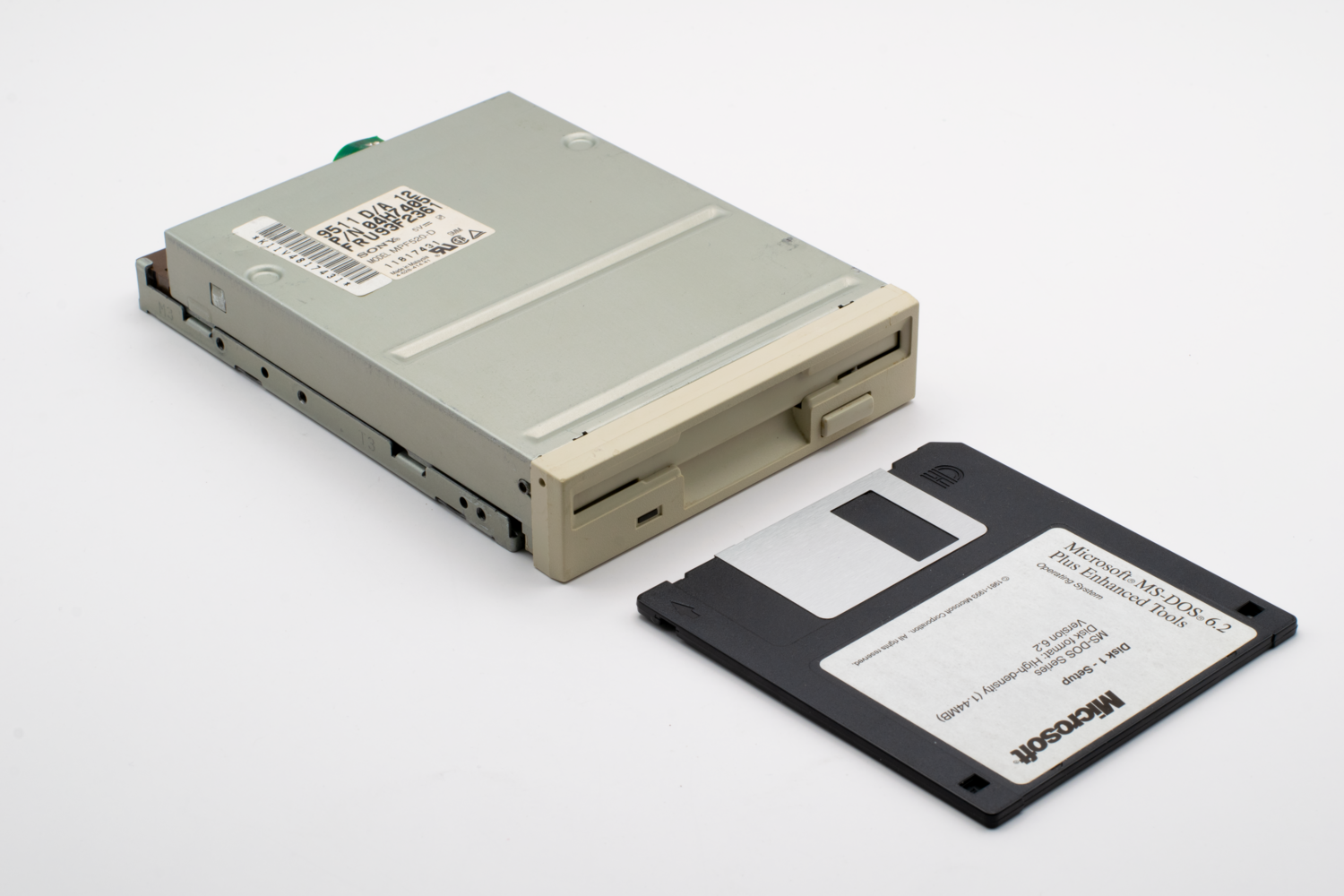
Playing games on DOS was a nightmare. You had to wrestle with the CONFIG.SYS and AUTOEXEC.BAT files to prevent the game from throwing a memory error. You had to manage RAM and hard drives , both high and extended memory, and if you messed up a parameter, the game simply wouldn't start. It was a time of trial and error where many ended up becoming operating system experts just for the sake of playing for a while.
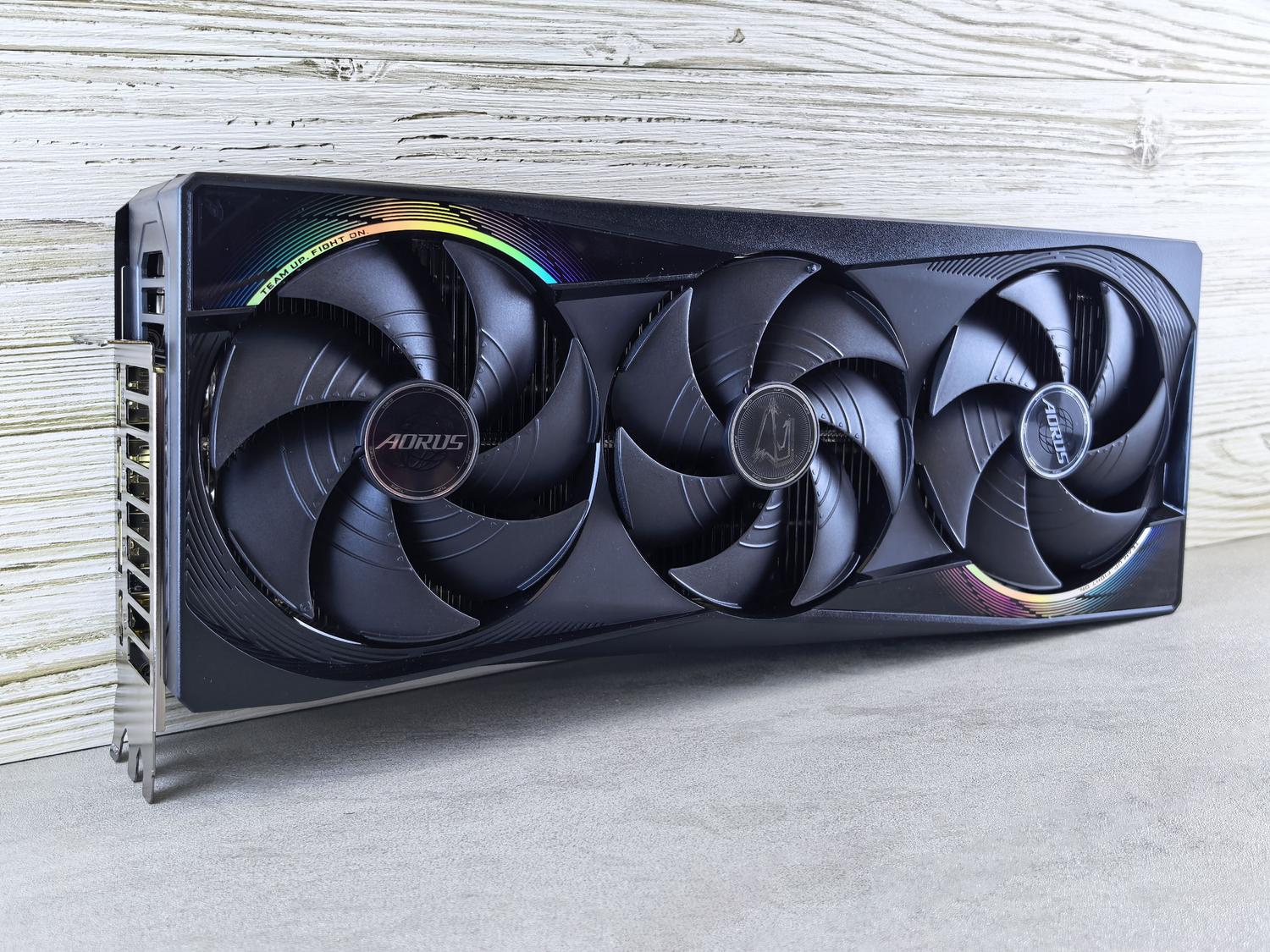
When Microsoft released Windows 95, things changed dramatically. Drivers were simplified, and APIs like DirectX appeared , allowing developers to avoid writing separate code for each sound or video card. This opened the door to hardware-accelerated 3D graphics. Companies like 3DFX, with their Voodoo card, revolutionized the market, although Nvidia ultimately prevailed in the battle for graphics supremacy.

Titles that marked a turning point
When it comes to games, some names are sacred. LucasArts ' graphic adventures , like Monkey Island, Maniac Mansion, and Day of the Tentacle, defined humor and storytelling. On the other hand, id Software changed the game with Wolfenstein 3D and then with the legendary Doom , popularizing first-person shooters (FPS) and the shareware distribution model.
- Strategy and Management: Titles like Age of Empires, Civilization, and Commandos taught us how to manage resources and military tactics, becoming pillars of the genre.
- Role and Narrative: Diablo brought loot addiction and online gaming, while Baldur's Gate rescued the essence of tabletop role-playing on the PC.
- Simulation: Flight Simulator became the gold standard, pushing realism to the limit and allowing you to pilot almost any aircraft.
The digital revolution and modding culture
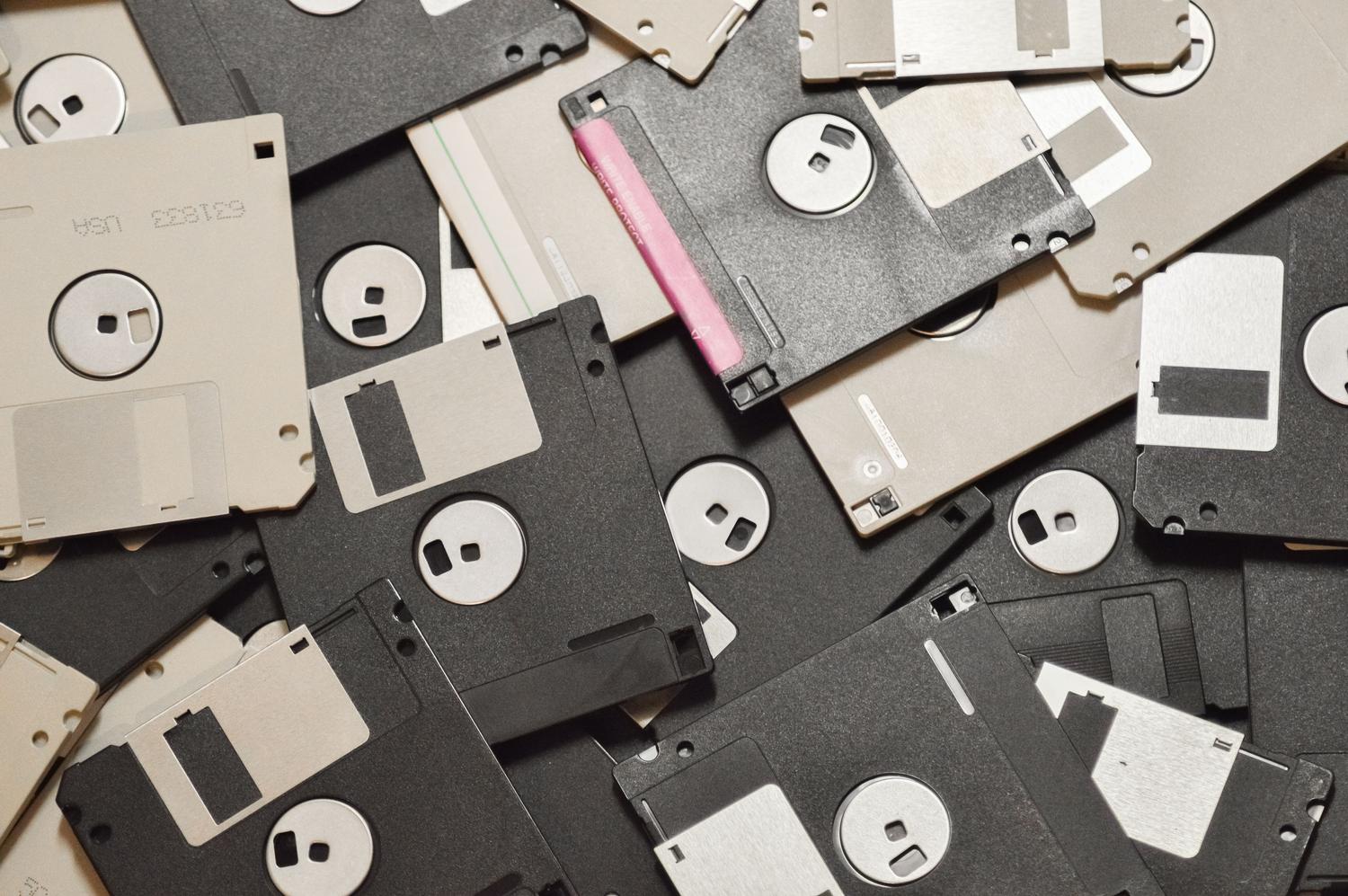
The way we buy games also underwent a complete transformation. We went from floppy disks and CD-ROMs, which were prone to piracy, to digital distribution . Valve launched Steam in 2003 and changed the game, allowing small independent developers to compete with the giants without needing a physical distributor.

Furthermore, the PC has always been the platform of freedom. Unlike closed consoles, it was here that the modding culture was born . The community could open up the game, change textures, add missions, or create entire modes, which has extended the life of many titles for decades. This lack of centralized control is arguably the greatest advantage of the computer over any other gaming machine.
Towards modernity and emulation
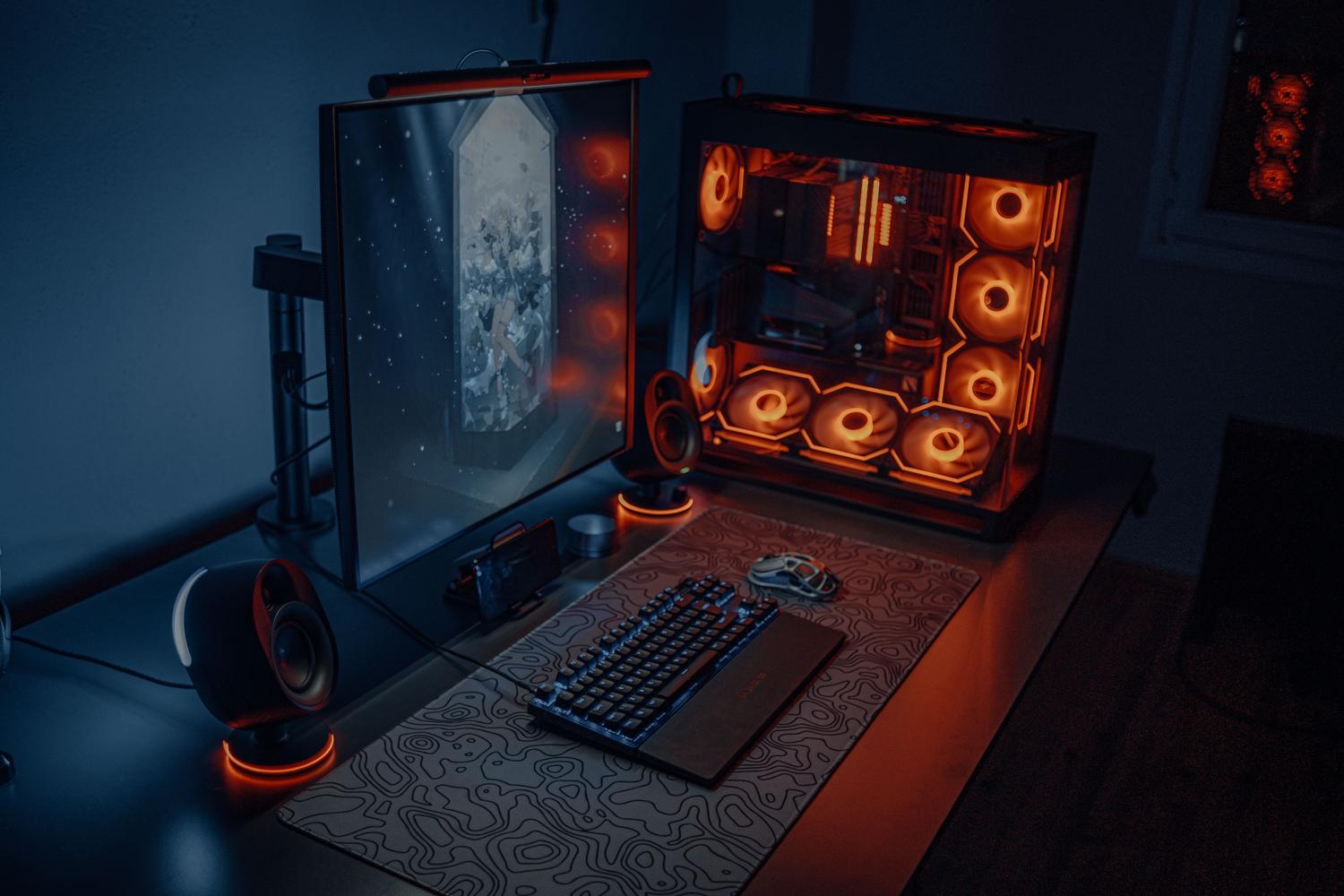
Today, Windows is the dominant operating system, although Linux has gained ground thanks to compatibility layers like Proton. To keep the past alive, tools like DOSBox allow any kid today to play 80s classics without having to hunt down a working Windows computer. Current processing power, with multi-core processors and massive GPUs , allows MMO games like World of Warcraft to host thousands of players simultaneously.
From the first beeps of a pager to ray tracing and artificial intelligence, PC gaming has been a journey of constant experimentation. The ability to adapt hardware, the freedom to modify software, and the transition to a digital market have transformed the computer into the most versatile and powerful gaming tool in existence, keeping alive the spirit of those pioneers who, seventy years ago, decided that a calculating machine could also be used for entertainment.
