- Transition from early mechanical and electronic systems to the digital age and Smart TV.
- Detailed analysis of LCD, LED, Plasma screens and the cutting edge of OLED and MicroLED panels.
- Milestones in image quality, from the arrival of color to UHD resolution, 4K and quantum dot technology.
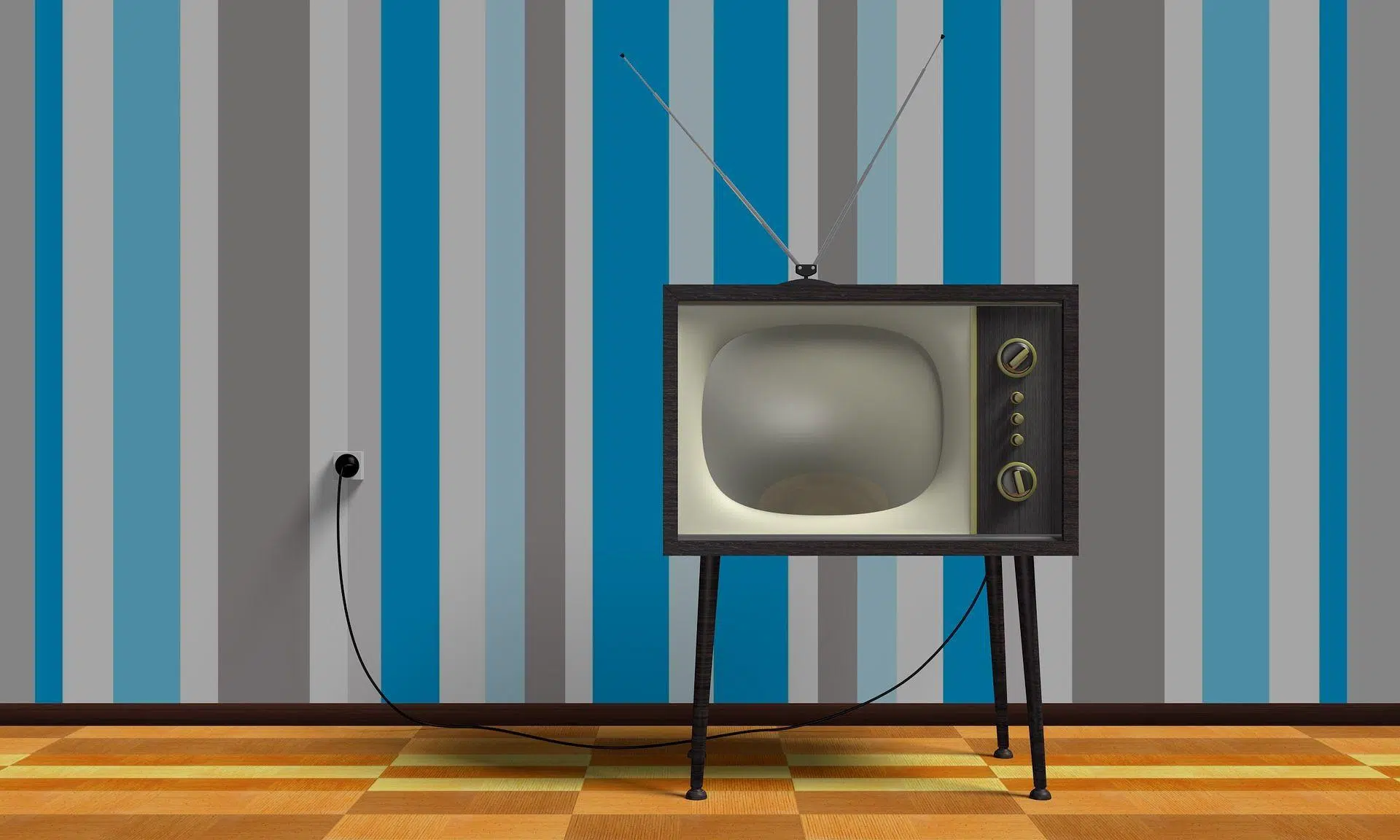
It's incredible to think that the device that now dominates the living room, the epicenter of leisure and technology, has its roots in the late 19th century . It wasn't a single invention, but rather a combination of diverse innovations that converged to create the device that allows us to transport ourselves to other worlds without leaving the sofa.
From those early rudimentary screens to today's ultra-thin panels, the industry has taken a giant leap forward. Each technical improvement hasn't just been an engineer's whim, but rather an effort to make our viewing experience much more immersive, sharper, and simply more enjoyable for the end user.

The foundations: from mechanics to electronics
To understand where we are now, we have to look back, specifically to 1884, when the first ideas were conceived. Although it took years before they were commercially available, at first they were so rare that only about 50 people owned one. The first stage was mechanical television, also called digital terrestrial television (DTT), which used electromechanical projectors. A pivotal moment occurred on March 25, 1925, when the Scotsman John Logie Baird showed moving images to the public for the first time.
However, mechanical systems were too complex and the quality left much to be desired. Thus, electronic television was born, demonstrated in San Francisco in September 1927 thanks to the work of Philo Taylor Farnsworth . This system used electronic signals to project images and sounds via radio waves or microwaves, laying the foundation for what we would know for decades.
The color revolution and the digital leap
Although German patents existed as early as 1904 and Vladimir K. Zworykin made proposals for color television in 1925, real success came later. RCA Laboratories developed the first efficient electrical system between 1946 and 1950, enabling color commercials to be broadcast in December 1953 , forever changing the aesthetics of television.

Over time, cable television arrived in the seventies and VCRs in the eighties. But the biggest change was digital television . This system allowed audio and video to be transmitted via terrestrial networks, satellite, or cable with far superior quality. By the end of the 2000s, most developed countries had already abandoned analog signals in favor of the digital standard.
Analysis of display technologies
Over the years, different technologies have coexisted for reproducing the image, each with its pros and cons:
- LCD screens: They operate using three layers of liquid crystal backlighting (red, green, and blue). They have very low power consumption and are economical, although their contrast is medium compared to other options.
- Plasma Screens: They were pioneers in quality. They generate the image using phosphor dots that emit their own light, achieving deep blacks and extremely high contrastalthough they consume a lot of energy and pollute more.
- LED-LCD Technology: It's a hybrid that uses LEDs to illuminate the screen. It offers a balanced combination between low power consumption, long lifespan and very high image quality.
- OLED panels: Here, each pixel is an organic element that illuminates with an electrical impulse. They are extremely fine, allowing natural curves and they offer the best contrast on the market (one million to one), although their lifespan is somewhat shorter than that of LEDs.
The era of intelligence and high definition
The arrival of Smart TVs transformed the television into a connected computer. Thanks to the integration of the internet and Web 2.0 , we now have built-in app stores, web browsing, and streaming services like Plex . Samsung, for example, pioneered this in 2010 by launching the first app store for televisions and the Smart Hub.

In terms of resolution, we've gone from Full HD to UHD (Ultra High Definition) with 8 million pixels, and then to 4K and SUHD . The introduction of quantum dots allowed us to achieve 100% color volume and astonishing light accuracy, making images almost indistinguishable from reality.
Disruptive innovations and the visual future
Design has also evolved. We've gone from enormous boxes to flat screens and then to curved TVs that aim for a more immersive experience. Flexible screens have even been created that users can adjust to their liking. Brands like Samsung have gone even further with Ambient Mode , which blends the TV into the home décor, and One Invisible Connection to eliminate cable clutter.
Looking ahead, MicroLED technology promises to revolutionize everything. As self-emissive modules, they allow for the creation of gigantic screens, like "The Wall," that maintain extraordinary quality regardless of size. Likewise, companies like TCL are driving the development of Mini LED , using thousands of tiny pixels for precise lighting control and cinematic scenes.
From those early mechanical contraptions of the late 19th century to the impressive MicroLED panels and full integration with artificial intelligence, television has adapted to each era. Its journey has been marked by the constant pursuit of more vibrant colors , deeper blacks, and designs that seamlessly integrate into our daily lives, making it the preferred digital window for millions.