- The transition from the early inventions of Meucci and Bell to the arrival of wireless mobile telephony.
- The technological leap from analog to digital terminals and the impact of the first smartphones.
- The consolidation of the application ecosystem and the deployment of 5G networks and current flexible screens.
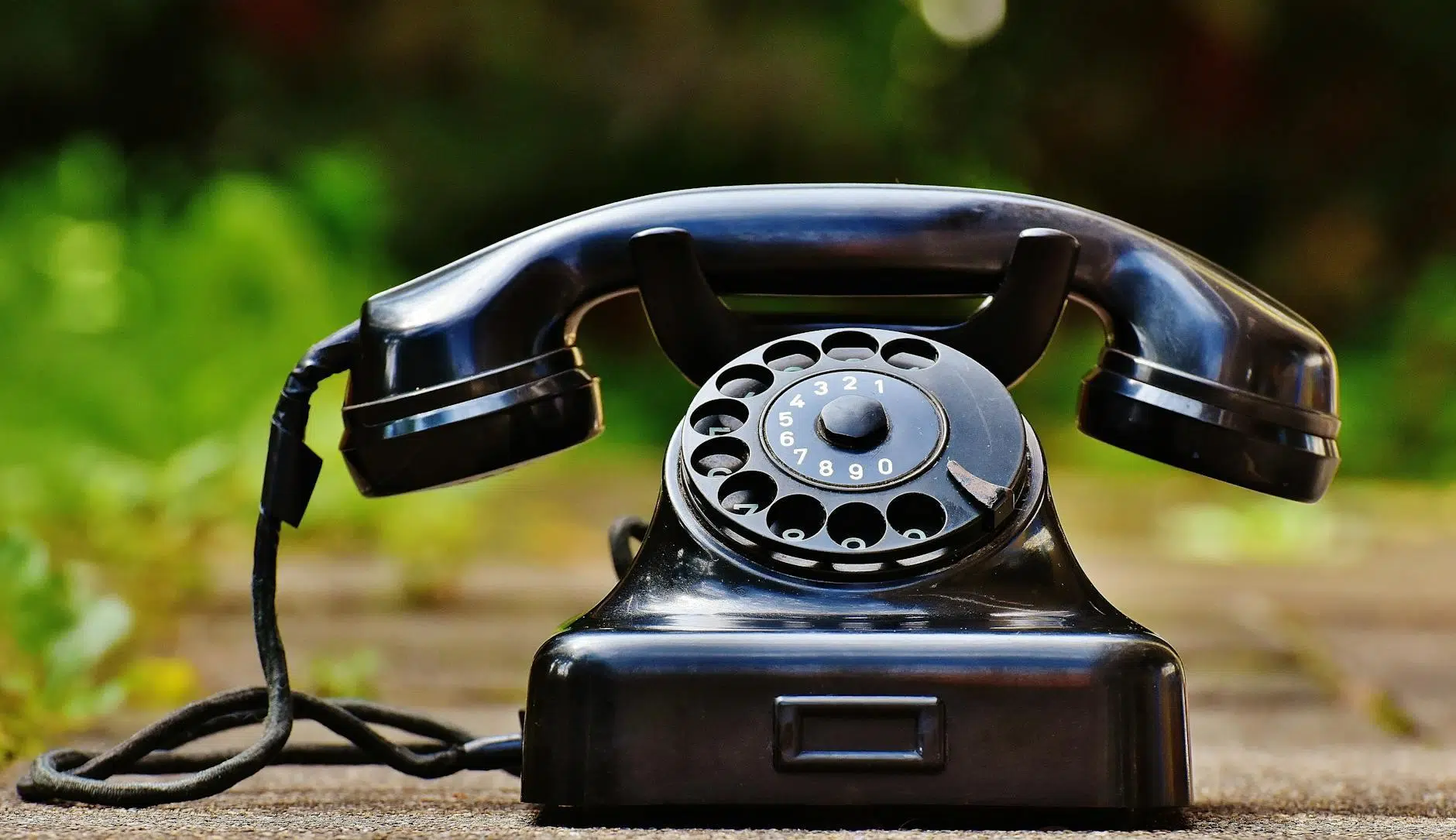
Today, it's practically impossible to imagine our daily lives without a mobile device by our side. From the youngest to the oldest, we've all joined an unprecedented digital revolution that has transformed how we interact with the world. What began as a tool for communicating remotely has become the nerve center of our personal and professional lives.
It's curious to think that, just a few decades ago, the idea of carrying a computer in your pocket seemed like science fiction. The journey from those bulky, heavy devices to today's sophisticated foldable terminals is a testament to human ingenuity and adaptability, where design and functionality have evolved by leaps and bounds.

The beginnings: Meucci, Bell and the cable era
Although history books often credit Alexander Graham Bell, the truth is that Antonio Meucci was the pioneer . Around 1854, this Italian immigrant created the "teletrophone" to communicate with his ailing wife. Unfortunately, a lack of resources prevented him from patenting his invention, leaving the door open for Bell to do so in 1876, officially becoming the long-recognized inventor.
In its early stages, the system relied on manual switchboards . An operator was responsible for physically connecting the wires to link two parties. It was a rudimentary system that dominated the scene until the need arose to automate the process. Here's a curious anecdote: Almon Brown Strowger, an undertaker, invented the automatic dialing system in 1892 because he suspected his local operator was diverting his customers to his competitors. Today, technology has advanced toward AI in customer service switchboards.
Over time, the materials also changed. The introduction of Bakelite in 1907 allowed for the industrialization of production, creating more durable and affordable telephones. In Spain, models like the Heraldo and the Góndola were iconic in homes during the 60s and 70s, marking the transition to modernity before the arrival of cordless phones in the late 80s.

The birth of mobile telephony and the brick era
The big leap happened on April 3, 1973, when Martin Cooper, a Motorola engineer, made the first mobile phone call in history . The device, a Motorola DynaTAC 8000X, was a real "brick" weighing over a kilogram and offering a ridiculously short battery life of 30 minutes after a 10-hour charge. Despite costing almost $4.000, it became a status symbol for executives.
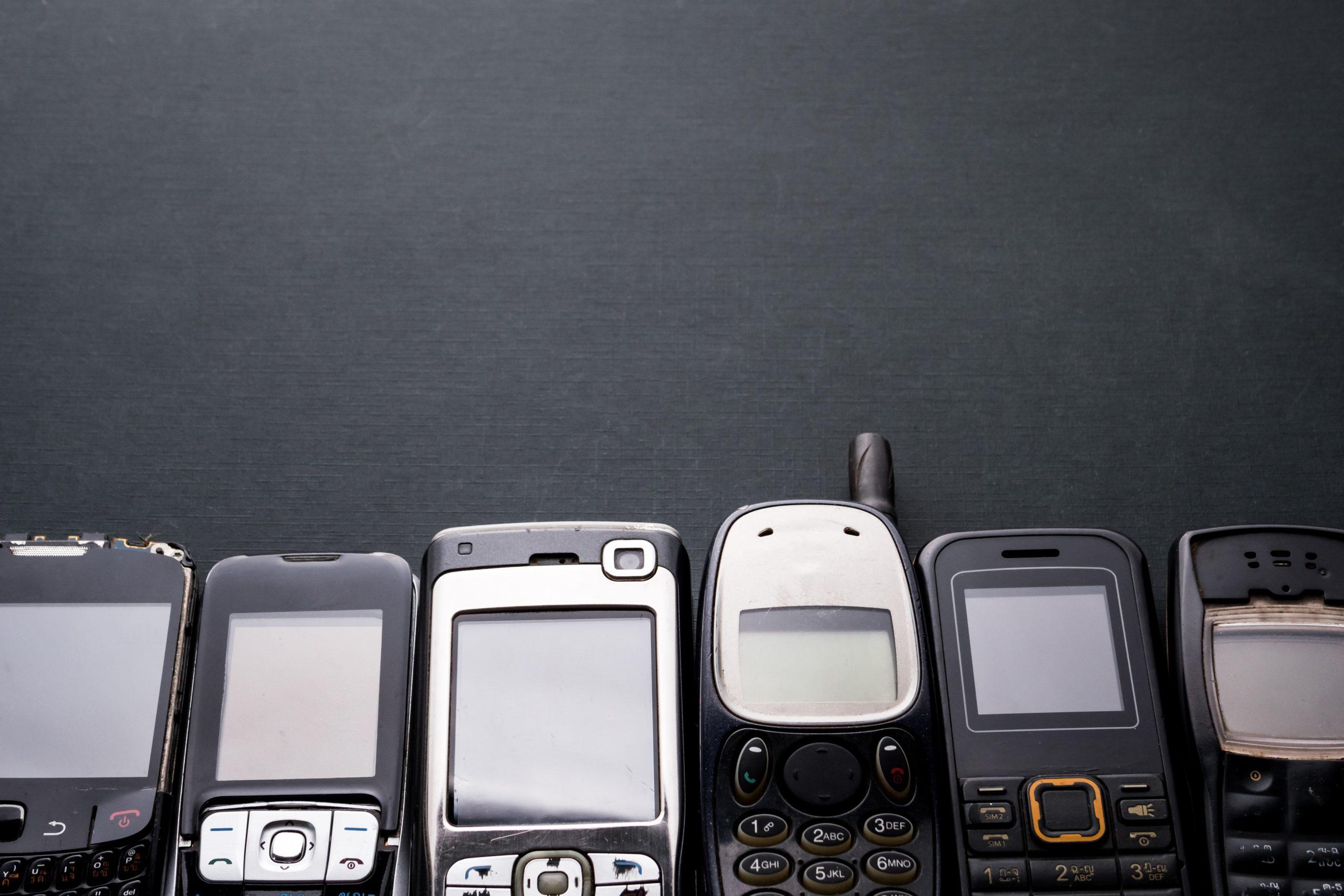
During the 90s, analog technology gave way to digital with the GSM standard. Phones began to shrink and gain features. It was no longer just about talking; the arrival of text messaging (SMS) changed communication forever, even allowing the use of a digital phone number to receive SMS messages . Legendary models like the Nokia 3310 demonstrated that durability and simplicity were what users were looking for back then.
This stage saw the rise of innovations such as the Motorola StarTAC , the first foldable phone, and the Nokia Communicator 9000, which already included a QWERTY keyboard and basic web browsing capabilities, anticipating what was to come later.

The arrival of the smartphone: The paradigm shift
Many believe the smartphone was born with Apple, but the IBM Simon from 1994 was already considered a smart device, integrating a touchscreen and basic applications. However, the real explosion occurred in 2007 with the launch of the iPhone. This device eliminated physical buttons and popularized the multi-touch interface , allowing for truly fluid web browsing.
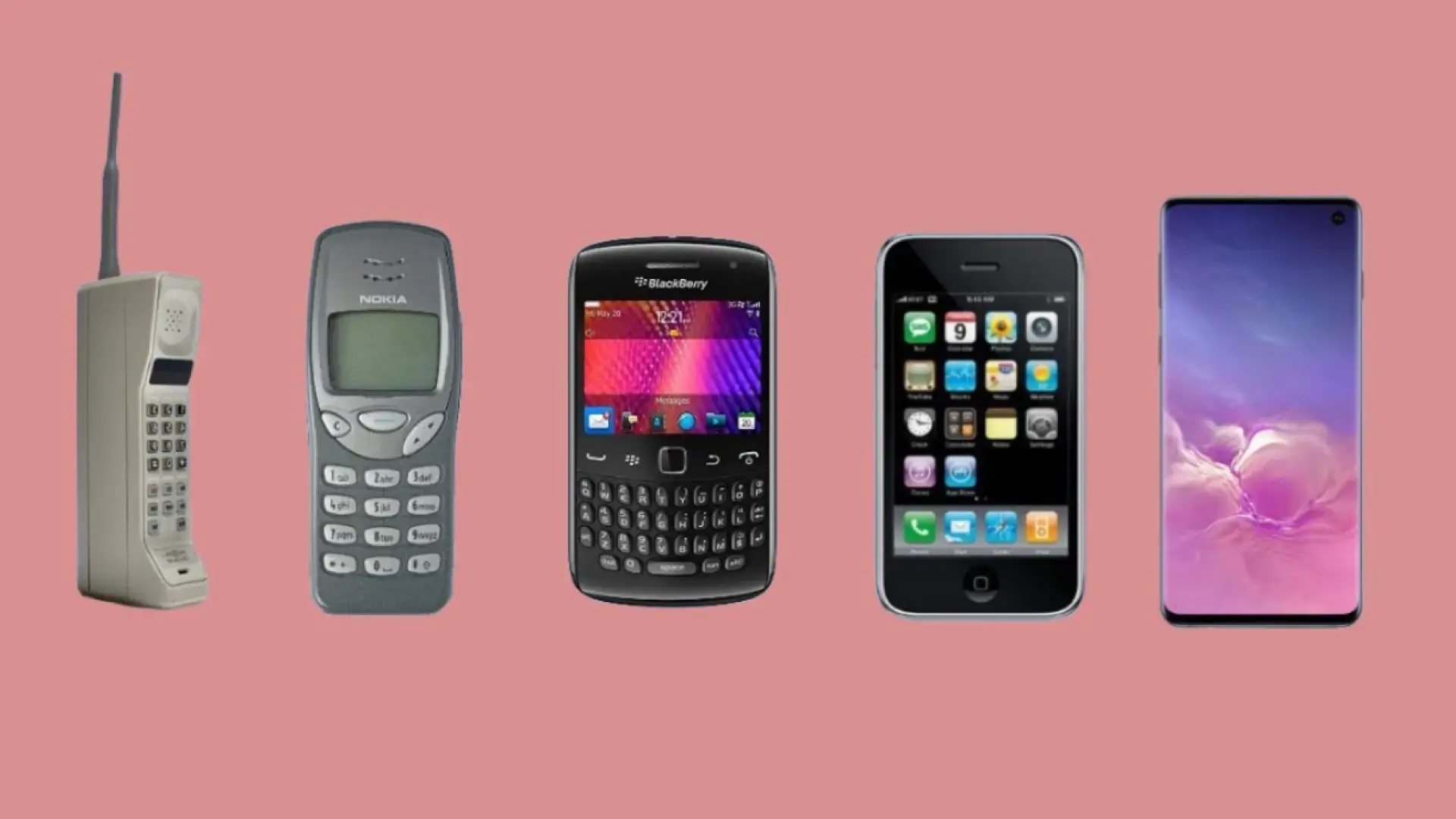
Shortly after, Google responded with Android, democratizing access to smart technology through brands like Samsung and HTC. The app ecosystem (App Store and Google Play) transformed the phone into a multifunctional tool: we could now manage our calendars, play games, make online payments, and use GPS, relegating the calling function to a secondary role. Some advanced users are even realistically looking to un-Google Android to gain privacy.
The evolution continued with improvements in cameras, progressing from basic sensors to high-resolution lenses powered by artificial intelligence. Devices evolved from simple phones into true pocket computers capable of performing complex tasks and processing data at incredible speeds.
Current technology and the horizon of the future
Today we are in the era of 5G and satellite connectivity . Current smartphones not only offer astonishing data speeds, as seen in 5G connections worldwide , but have also experimented with design once again through foldable screens , such as the Samsung Galaxy Z Fold or the Pixel Fold, which aim to combine the portability of a mobile phone with the surface area of a tablet.
The current trend focuses on integrating generative artificial intelligence , which allows assistants to be much more intuitive and predictive. Furthermore, augmented and virtual reality features are being explored that could make interaction with the environment fully immersive, transforming sectors such as medicine and education.
However, this progress comes with significant challenges. The environmental impact of rare earth mining and the generation of electronic waste is a growing concern. Therefore, the industry is beginning to shift towards recycled materials and designs intended for a longer lifespan , suggesting that we should know what to do with an old smartphone to encourage recycling.
The telephone's journey has been a dizzying one, taking human communication from a rigid cable in the wall to the complete freedom of global wireless connectivity. We've gone from valuing the simplicity of a phone call to depending on a complex digital ecosystem that manages almost every aspect of our existence, reaffirming that technology, when well implemented, is the most powerful tool for bridging distances and expanding human knowledge.
