- Use of durable materials such as PETG or ABS to withstand intensive use in the workshop.
- Importance of verifying the tolerances and filling of the part to ensure electrical safety.
- Cost optimization by standardizing the use of batteries across different tool brands.
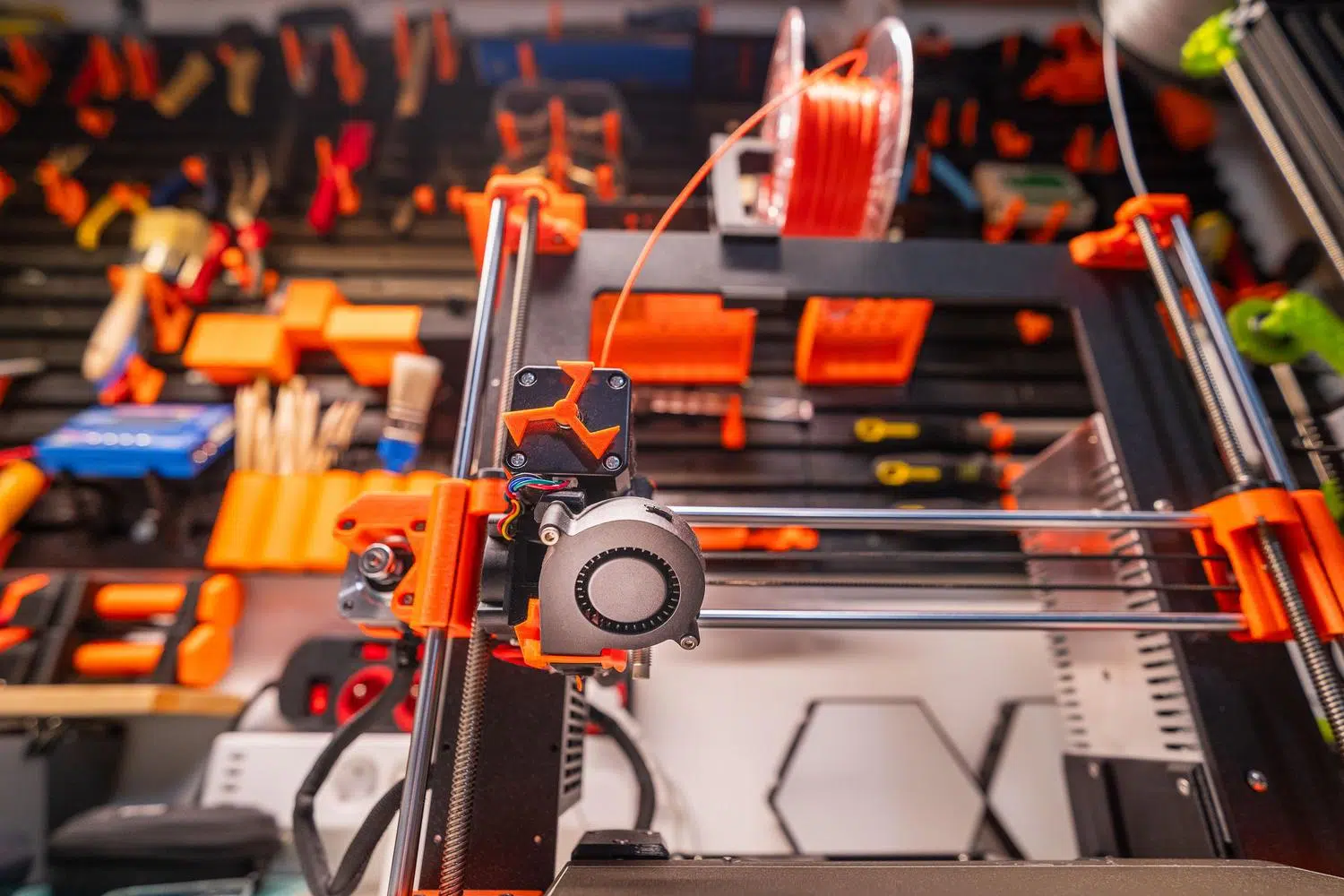
If you're someone who has a workshop full of tools from different brands, you'll know that the real headache isn't the work itself, but managing the batteries . It's a real pain having to buy a different charger for each drill or saw, spending a fortune and cluttering your workbench with useless cables.
Fortunately, thanks to 3D printing, we can turn this situation around by manufacturing our own adapters. This solution allows us to standardize the power supply for our machines, enabling a battery from one brand to power tools from another, thus optimizing the resources we already have at home.

How to take advantage of battery adapter models
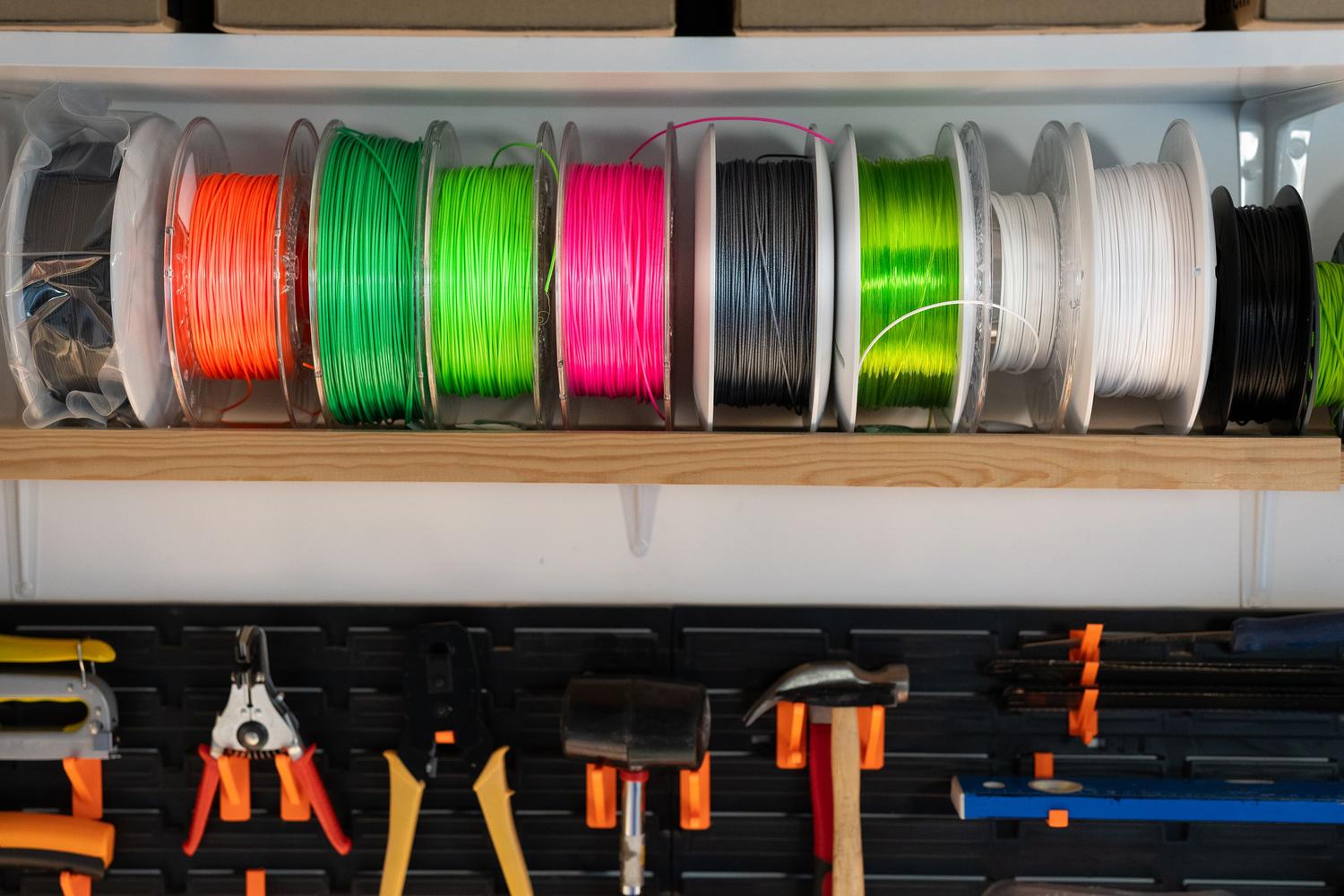
There are many options for obtaining these files, from free repositories to more sophisticated paid models. The idea is to look for battery adapter designs that have been tested by the community, since an incorrect fit could cause a short circuit or damage your device's electronics.
When printing these parts, it's crucial not to skimp on material quality. Using typical PLA isn't enough; for parts that will withstand vibrations and potential temperature changes, it's much more advisable to opt for PETG or ABS , which hold up much better to the daily wear and tear of a work environment.
Tips for successful and secure printing
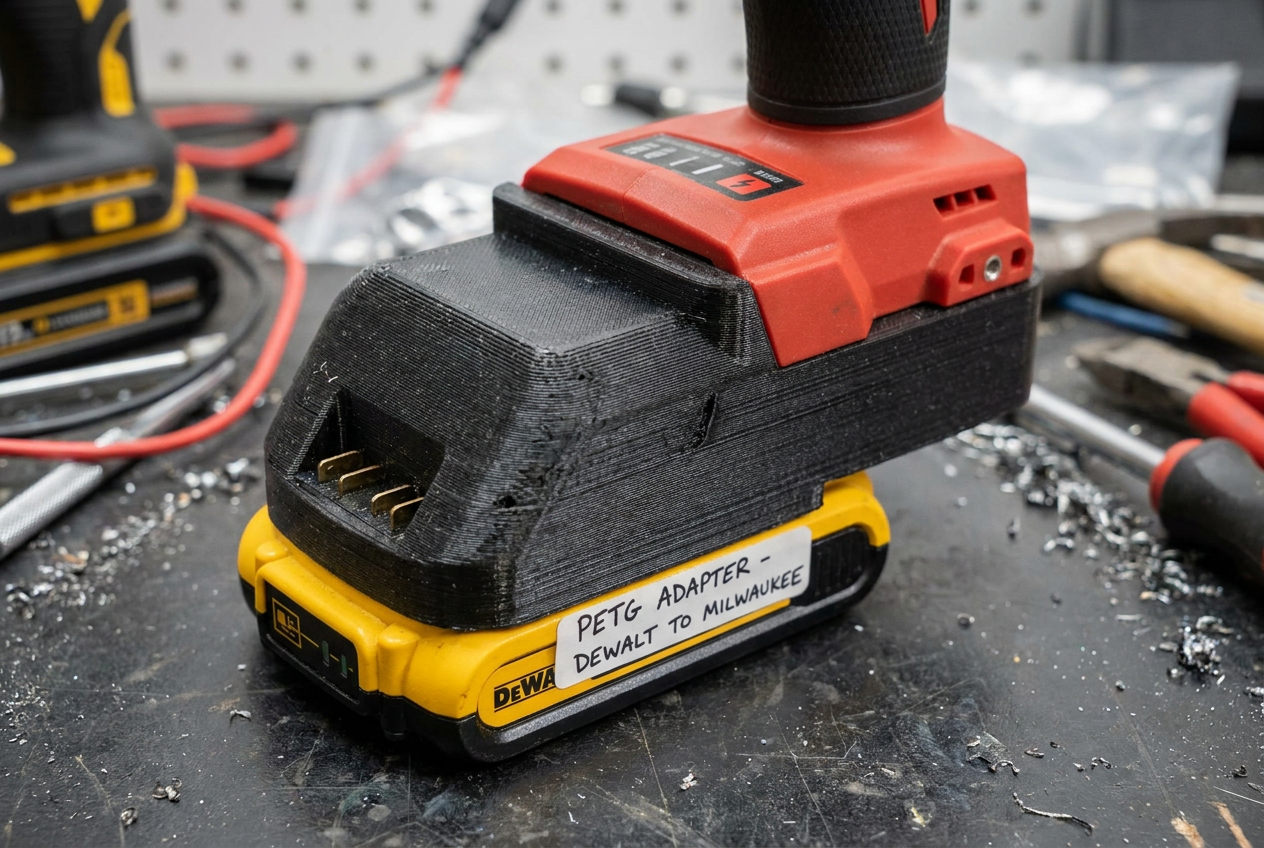
- Make sure the design tolerances make sure they are correct so that the fit is firm but does not strain the contacts.
- uses a high padding (at least 40%) to prevent the adapter from breaking under pressure when inserting the battery.
- Check thoroughly that there are no filament remnants or stringing that could cause electrical problems.
Once you have the printed part, the next step is installing the electrical terminals. Don't forget to use wires of the appropriate gauge to handle the current draw of the tool, preventing the wire from overheating during heavy use, and ensuring proper electrical protection for your hardware and installations.
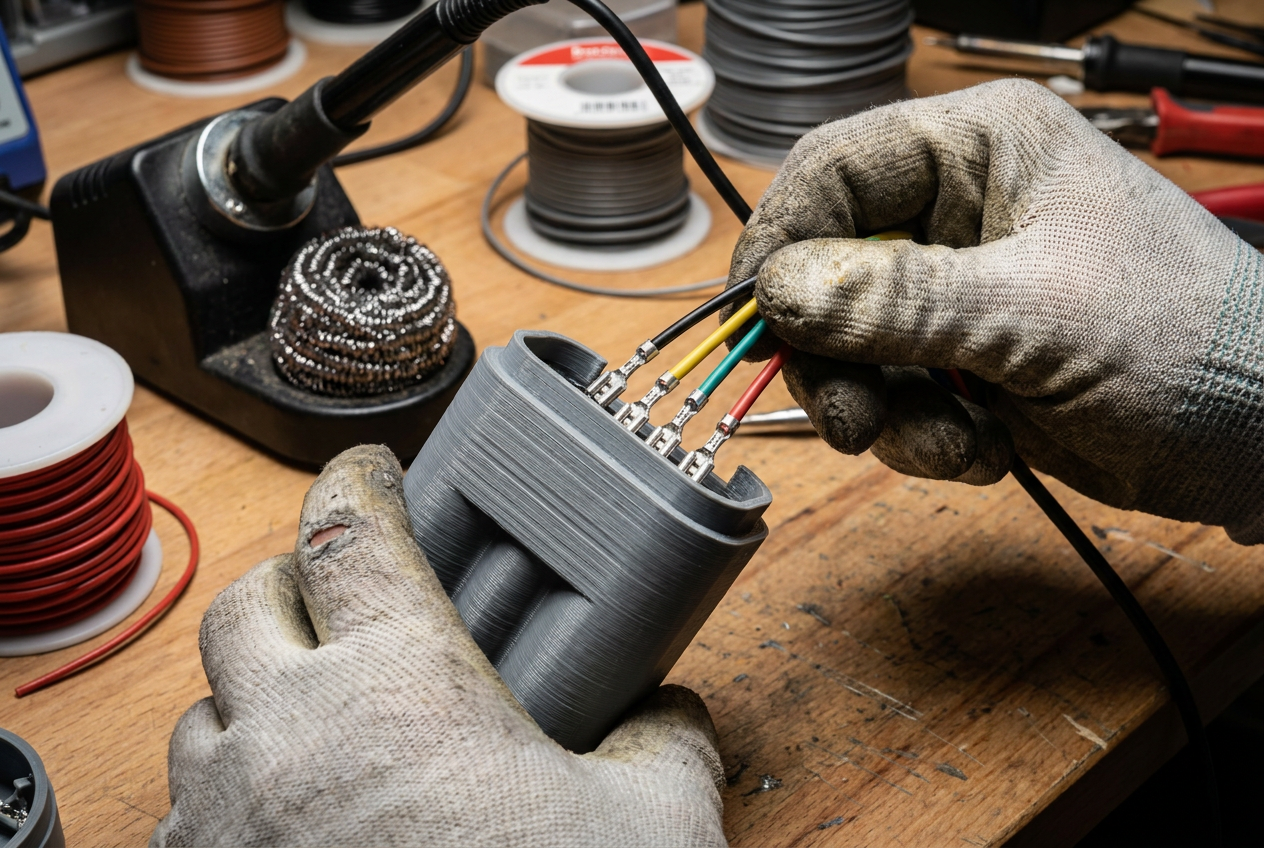
It's amazing how a simple plastic part can save you tens of euros on new batteries. All it takes is a little patience with the printer and carefully studying the electrical schematic for each brand to avoid making a mess in the workshop.
Having the ability to convert energy between different tool platforms through additive manufacturing allows maximizing the utility of each lithium cell, reducing economic expenditure and environmental impact by avoiding the purchase of unnecessary duplicate batteries.