- Origin at Bell Labs: Unix emerged in 1969 by Ken Thompson and Dennis Ritchie, inspired by Multics, as a multitasking system written in C.
- Key features: multitasking, multiuser, portability, file hierarchy, powerful shells, and support for standards such as POSIX.
- Influential variants: BSD, System V, HP-UX, AIX, Solaris, and Linux have inherited or extended the Unix legacy into servers and mission-critical environments.
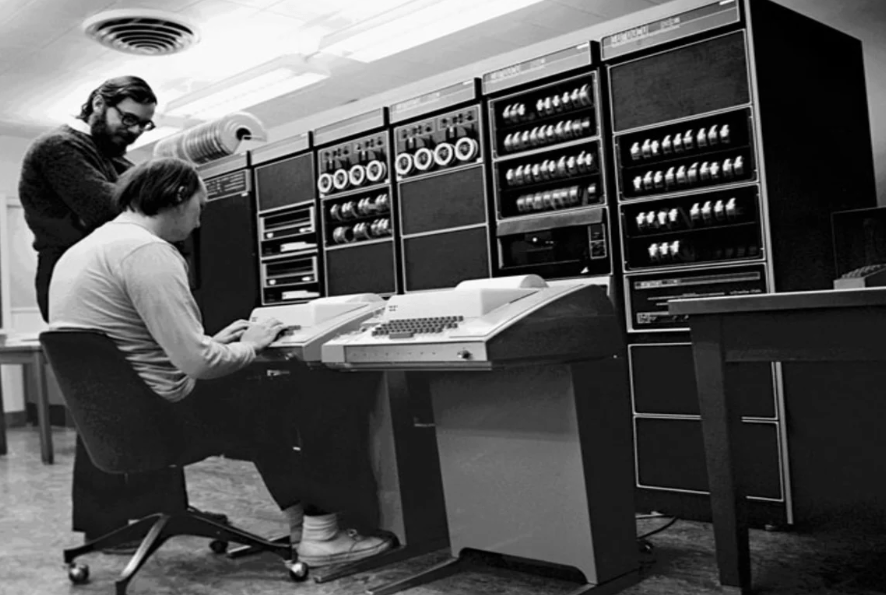
Since the dawn of the computing age, Unix has been synonymous with robustness and versatility. Throughout this article, we will delve into the rich ecosystem of major Unix versions, breaking down their distinctive features that make them unique in the vast universe of operating systems.
We invite you on a journey that spans from Unix's inception in research labs to its flourishing into a multitude of variants that are now cornerstones of critical IT infrastructure. To enrich your exploration, each section of our analysis will be accompanied by carefully selected web links that will allow you to expand your knowledge and perhaps inspire you to delve deeper into the study or use of this pillar of modern computing. With each click, you will be connecting with a part of Unix's history and ongoing development, a witness to and protagonist of technological advancement.
Introduction to UNIX: The Origin of the Operating System

Unix is a multitasking, multiuser operating system that was developed in the 70s at AT&T's Bell Labs. It was designed to provide a flexible and powerful platform for programming and data management. Over the years, Unix has influenced numerous operating systems and left an indelible mark on modern computing.
The Beginnings: Bell Labs and the Multics Project
In the 1960s, Bell Labs, a research and development arm of the telecommunications company AT&T, was working on a project called Multics ( Multiplexed Information and Computing Service ). Multics was an operating system designed to be a time-sharing system, meaning it would allow multiple users to access the same computer simultaneously.
The Multics development team included Ken Thompson and Dennis Ritchie, two talented young programmers. However, the Multics project faced problems of complexity and scalability, leading Bell Labs to abandon it in 1969.
The Birth of UNIX
Thompson and Ritchie, unwilling to abandon the project, decided to create a smaller and more flexible operating system than Multics. In 1969, Thompson began working on an operating system he called Unics ( Uniplexed Information and Computing Service ), a play on the name Multics.
Ritchie joined Thompson in 1970, and together they developed the Unics operating system, which soon became UNIX . The name was changed to UNIX in 1972, as the operating system had become more versatile and was no longer just a time-sharing system.
Features of UNIX operating system
UNIX is a powerful operating system used in all types of computing environments, from desktop computers to servers and embedded systems. Here is a list of some of the most common and prominent features of UNIX:
- Multitasking: UNIX allows multiple programs to run at the same time.
- Multi-user: Allows multiple users to use system resources simultaneously, without interfering with each other.
- Portability: It is written in C language, making it easier to modify, adapt and transport to different types of machines.
- File hierarchy: Organizes files in an inverted tree structure, making it easier to manage files and directories.
- Device compatibility: Treats most hardware devices and peripherals as files, which simplifies interaction with them.
- Shell programmingThe command line interface, or shell, is very powerful and allows for the automation of tasks through scripts.
- programming tools: It comes with a set of standard software tools that can be used to develop programs.
- Communication between processes: Provides advanced mechanisms for processes to communicate and synchronize with each other.
- Security and file permissions: Every file and directory has a set of permissions that control read, write, and execute access.
- Filtering and redirection: Allows you to redirect the input and output of commands and programs, as well as chain programs together using pipes.
- System Administration Tools: Includes programs to monitor performance, schedule jobs, and maintain the system.
- Network support: It has built-in networking capabilities, allowing you to share resources and files across different systems.
- standards: Follows international standards (such as POSIX), which ensures compatibility between different versions of UNIX and other similar operating systems.
- Miscellaneous file systems: Supports multiple file systems, allowing users to choose the one that best suits their needs.
These are just some of the features that have made UNIX a robust and reliable choice in the world of operating systems.
Featured UNIX versions

1. Unix Version 1: The Beginning
The first version of Unix, known as Unix V1, was released in 1971. It was developed by Ken Thompson and Dennis Ritchie at Bell Labs. Unix V1 was a very basic operating system that ran on a PDP-11 platform and offered features such as command execution and the ability to manipulate files and directories.
Although Unix V1 was limited in functionality , it laid the foundation for later versions and established the fundamental principles of Unix design.
You can find more information about Unix V1 at the following link: Unix V1
2. Unix Version 7: The Iconic Version
Unix V7, released in 1979, is considered one of the most influential and popular versions of Unix. It introduced a number of important features, such as the hierarchical file system, pipes, and the Bourne shell. These features laid the groundwork for the development of future versions and became de facto standards in the Unix community.
Unix V7 was also widely adopted by universities and research institutions, which contributed to its spread and popularity. Even though a long time has passed since its release, systems running Unix V7 can still be found in some academic institutions and laboratories.
If you would like more information about Unix V7, you can visit the following link: Unix V7
3. BSD Unix: The Birth of Free Software
BSD Unix (Berkeley Software Distribution) is a branch of Unix developed at the University of California, Berkeley. It originated from Unix V7 version 4.3BSD and became one of the first free software operating systems . BSD Unix introduced numerous improvements and extensions to the operating system, such as the TCP/IP networking system, which laid the foundation for the development of the Internet.
BSD Unix also had a significant impact on the development of other operating systems, such as SunOS, AIX, and HP-UX. Although there have been several versions of BSD Unix over the years, the most well-known are NetBSD, OpenBSD, and FreeBSD.
If you are interested in learning more about BSD Unix, here are some useful links:
4. System V: The commercial version of Unix
System V, also known as System V Unix, was developed by AT&T and released in 1983. Unlike earlier versions of Unix, which were distributed primarily as free software, System V was a commercialized version of Unix. This meant that users had to purchase a license to use it.
System V introduced many new features, such as the System V Application Programming Interface (API) and the System V File Management System (SVID). These features made System V especially attractive to businesses, as it provided a reliable and stable platform for their applications and services.
You can find more information about System V at the following link: System V
5. HP-UX: Unix in the HP world
HP-UX is a version of Unix developed by Hewlett-Packard (now Hewlett Packard Enterprise) for its systems and workstations. It is based on Unix System V with some additions and modifications of its own. HP-UX has been widely used in enterprise environments and has gained a reputation for reliability and performance.
If you want to learn more about HP-UX, visit the following link: HP-UX
6. AIX: Unix on the IBM platform
AIX is a Unix-based operating system developed by IBM for its servers and workstations. AIX is based on System V with some proprietary extensions. It has been designed to deliver exceptional performance and scalability on IBM hardware platforms.
If you are interested in learning more about AIX, you can visit the following link: AIX
7. Solaris: The Unix of Sun Microsystems
Solaris is a version of Unix developed by Sun Microsystems (now part of Oracle Corporation) for their SPARC and x86 systems. Solaris is based on System V with some enhancements and features of its own. It has been known for its stability, security, and advanced system administration capabilities.
If you would like more information about Solaris, you can visit the following link: Solaris
8. Linux: The heir of Unix
Although not technically a version of Unix, Linux deserves a mention on this list due to its close relationship with Unix . Linux is an open-source operating system that has been heavily based on Unix principles and features. It was created by Linus Torvalds in 1991 and has gained immense popularity worldwide.
Linux has evolved rapidly and boasts a large community of developers and users who contribute to its ongoing development and improvement . Today, Linux is used in a wide variety of devices and applications, from servers to mobile devices and home appliances.
If you want to know more about Linux, you can visit the following links:
- Linux
- Official Linux Website
UNIX Advantages and Disadvantages
Unix is a powerful and versatile operating system, renowned for its stability, security, and efficiency. Originating in the 60s and 70s, it has been the basis for the development of numerous operating systems over the decades, including variants such as Linux and BSD. Its modular design and multitasking capabilities make it ideal for servers, workstations, and embedded systems.
Despite its robustness and reliability, Unix is not without its challenges. Its learning curve can be steep, especially for those who are used to friendlier, less technical graphical interfaces. Also, while it is known for its open standards and compatibility, it can face limitations in terms of compatibility with certain types of commercial software, especially those designed exclusively for more popular operating systems like Windows.
Below is a comparison table highlighting some of the most significant advantages and disadvantages of Unix, providing a balanced view of this historically significant operating system.
| Appearance | Advantages | Disadvantages |
|---|---|---|
| Stability and efficiency | Steep learning curve | |
| robust security | Not so friendly for beginner users | |
| Excellent process management and multitasking | Less compatibility with commercial software | |
| Wide range of utilities and tools available | Specific hardware for some variants | |
| Strong support for networking and programming | Less developed graphical interfaces | |
| Active and expert community for support |
The Binary System: The hidden language that dominates your digital life
Unix Versions FAQ
Here are some frequently asked questions about Unix versions, along with their answers:
1. What is the difference between Unix and Linux?
Although Unix and Linux share a common heritage and design philosophies, they diverge in fundamental aspects. Unix began as a proprietary, commercial operating system developed by AT&T, while Linux has flourished as a free and open-source Unix clone. Linux has gained traction due to its collaborative nature and adaptability, leading to widespread adoption in personal devices, servers, and embedded systems, in contrast to Unix's more institutional and enterprise-oriented approach.
2. Which is considered the latest version of UNIX?
The last "original" version of UNIX is System V Release 4 (SVR4), developed by AT&T in 1988. This was one of the major releases that consolidated UNIX features and established standards that were adopted by several UNIX variants. After SVR4, UNIX development branched off in different directions with multiple variants, such as Solaris, AIX, HP-UX, and others, each developed by different companies with their own updates and versions.
2. Which Unix variant is considered the most current?
The Unix family tree is complex and branching, making it difficult to single out a single version as the "most recent." Instead, we have a tapestry of "Unix-like" systems including BSDs and Linux distributions, each evolving independently. Some commercial Unix implementations, such as IBM AIX, Oracle Solaris, and HP-UX, are still in development and offer modern "Unix" capabilities.
3. Is Unix still relevant in today's world?
Unix remains unquestionably important. Its design principles influence countless current platforms, and its robustness, security, and stability continue to be mainstays in critical sectors such as finance, academia, and technology. Furthermore, the growth of Linux-based systems, which share Unix DNA, is evidence of Unix's continuing influence.
4. How is Unix compatible with other operating systems?
Unix has left an indelible mark on the design of many contemporary operating systems, and is often established as a de facto standard for system interoperability. Compatibility layers and translation tools exist that allow Unix software to run on other systems and vice versa. However, absolute compatibility depends on the efforts of developers to follow standards and the ability of platforms to support those specifications.
5. How difficult is it to learn Unix?
Mastering Unix is an intellectual adventure that can be challenging but hugely rewarding. It requires patience and practice, especially for those accustomed to graphical environments. However, the vast ocean of tutorials, online communities, and specialized courses offer aspiring Unix users a rich source of knowledge and support to climb the Unix learning curve.
6. Where can I find more detailed information about the different versions of Unix? Beyond the resources linked in this article, you can consult online libraries such as the official documentation for current Unix systems, specialized forums, and of course, Wikipedia, which offers a comprehensive summary. For a more technical and detailed understanding, consider reviewing the POSIX specifications, which define the standards for the interfaces of Unix-compatible operating systems.
Conclusion on UNIX versions
Ultimately, the various editions of Unix have woven a complex and irreplaceable fabric into the fabric of contemporary computing. From the conception of Unix V1 to the advancement of today's sophisticated Linux variants, we have witnessed an astonishing metamorphosis, with the operating system adapting with agility to the waves of change in the technology industry.
Each iteration of Unix has been a cornerstone, contributing innovations and advancements that have shaped the framework upon which today's operating systems are built . Whether your interest lies in unearthing the historical annals of Unix, mastering its practical application, or seeking enlightenment through supplementary material, you will find the links provided throughout our compendium invaluable.
He believes that mastering Unix is not merely a technical skill, but a master key that can unlock new dimensions in the world of computing and technology, boosting both professional growth and innovative advancement. Let this be the impetus for you to delve even deeper into this operating system, whose relevance and applicability remain as current as ever.