- Integration of Extended Reality (XR) technologies that merge physical and virtual environments.
- Disruptive impact in sectors such as banking, education and industry 4.0 through digital twins.
- Development of a decentralized economy based on Blockchain and NFT assets to guarantee digital ownership.
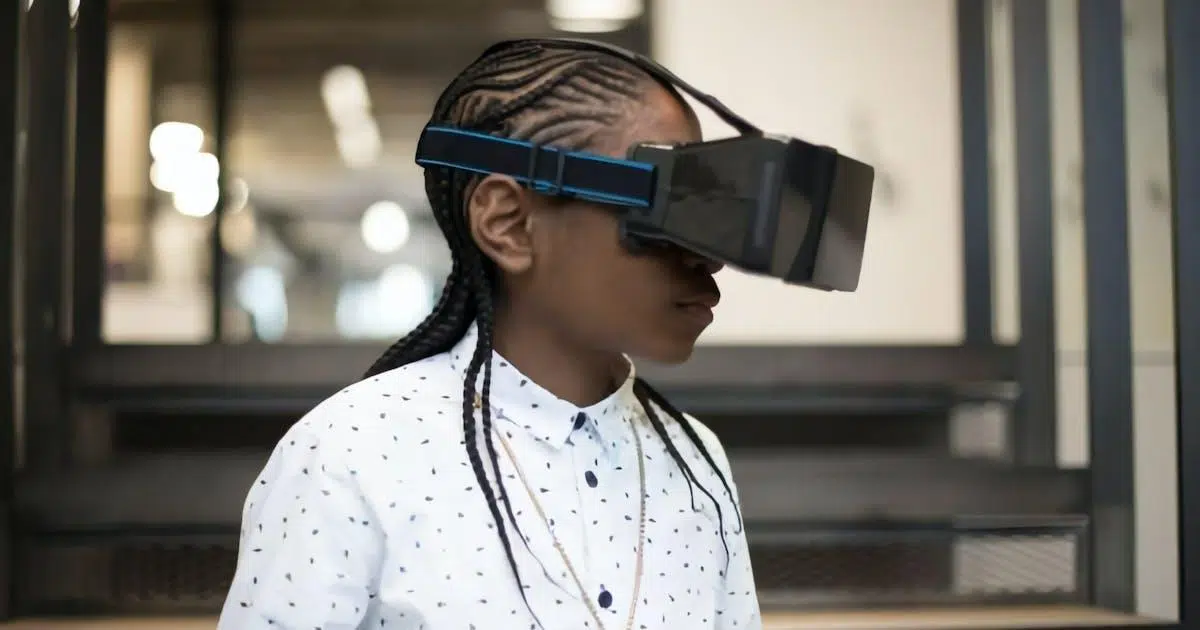
The Metaverse has ceased to be a dream straight out of a science fiction novel and has become a tangible digital landscape evolving at breakneck speed. It's not just about putting on a headset and playing games; it's a complex architecture where fantasy and reality blend, allowing us to collaborate and socialize in ways that would have seemed simply impossible just a few years ago.
As we move further into this new era, the ecosystem is consolidating into an unprecedented space that blurs the line between the physical and the virtual. From academic training to e-commerce, immersive experiences are redefining the very essence of human interaction, opening the door to a world where geographical and temporal limitations cease to matter.

Technologies that drive digital growth

The driving force behind this advancement lies in Extended Reality (XR), an umbrella concept encompassing Virtual Reality (VR), Augmented Reality (AR), and Mixed Reality (MR). While VR immerses us in entirely new worlds, AR integrates digital elements into our real-world environment through mobile devices or smart glasses, facilitating corporate solutions in areas such as logistics and tourism.
But it doesn't stop there. Interaction is becoming much more natural thanks to motion capture and haptic feedback, which allow us to feel the virtual environment . Brain-computer interfaces are even being explored to make communication with the system seamless, eliminating the physical barriers that still make some experiences feel somewhat artificial.
Another fundamental pillar is Artificial Intelligence. AI not only helps build these worlds faster, but it also gives non-player characters (NPCs) amazing responsiveness , making simulations dynamic and adaptable to the user's needs in real time.

Interoperability and Web3: The dream of a united world

One of the biggest challenges is that there isn't a single Metaverse, but rather several fragments controlled by different companies. However, intensive work is underway to improve interoperability so that we can seamlessly transfer our identity and digital assets from one platform to another, similar to how we navigate different websites today.
This is where Web3 and Blockchain technology come into play . Unlike the traditional web, this model is based on decentralization, allowing users to be the true owners of their data . NFTs (non-fungible tokens) are the key here, as they introduce scarcity and authenticity into the digital world, enabling the purchase of everything from art to virtual land.
This new digital economy is creating incredible opportunities for entrepreneurs and creators. We're no longer just talking about digital images, but about an integrated financial system where trading virtual assets can have real and tangible value in today's market.

Practical applications in society and business
The impact of the Metaverse is far-reaching. In Industry 4.0, the use of digital twins allows companies to manage factories or ports remotely, simulating complex processes without putting real machinery at risk. It is, essentially, safe training before taking action in the physical world.
In the educational sphere, the experience is entirely different. Imagine studying anatomy with interactive 3D models or visiting ancient ruins in all their splendor. Gamifying learning engages students more, transforming education into an immersive and far less monotonous adventure.
- Bank: Financial institutions are preparing AR and VR channels to make transactions more personalized and visual.
- Health: Surgeons practicing operations in ultra-realistic simulators or motor recovery therapies using virtual environments.
- Tourism: The possibility of exploring destinations and cultures through a digital dimension before buying a plane ticket.
- Social: An evolution of social networks where avatars replace static profiles, allowing real-time encounters.
Major brands haven't been standing idly by. From fashion houses organizing virtual runway shows to automakers allowing customers to customize cars in 3D and take simulated test drives, marketing has found a new playground where creativity knows no bounds.

Safety, Ethics and the path to maturity
With so much technology intertwined, it's natural that concerns about privacy arise. That's why governments are beginning to design strict legal frameworks to prevent fraud, money laundering, and protect user identities. The goal is to create a safe and ethical environment, preventing the blurring of the line between the real and the virtual from leading to abuses.
It's true that some projects, like Meta's Horizon, haven't reached the initially expected multimillion-dollar figures, leading some to speak of excessive expectations or "hype." However, history teaches us that disruptive technologies take time to take hold. We're probably in a similar phase to the internet three decades ago: we know it will change everything, but we're still discovering exactly how.
Access is becoming more democratic thanks to devices like the Meta Quest 3 and the Apple Vision Pro, which make getting started easier. While hardware remains a challenge in terms of convenience and price, the trend is clear: the integration of 5G, cloud computing, and edge computing will eliminate latency , making the experience seamless and natural.
This vast digital universe, powered by AI and Blockchain, is transforming the way we work, learn, and relate to each other, turning the web into a three-dimensional space where digital identity is as relevant as physical identity and economic possibilities expand into entirely unknown horizons.
