- The kernel acts as the fundamental bridge that translates software requests into instructions executable by the hardware.
- There are various architectures, from high-performance monolithic kernels to microkernels prioritized for their stability.
- The choice of core design determines the device's security, response speed, and ability to recover from failures.
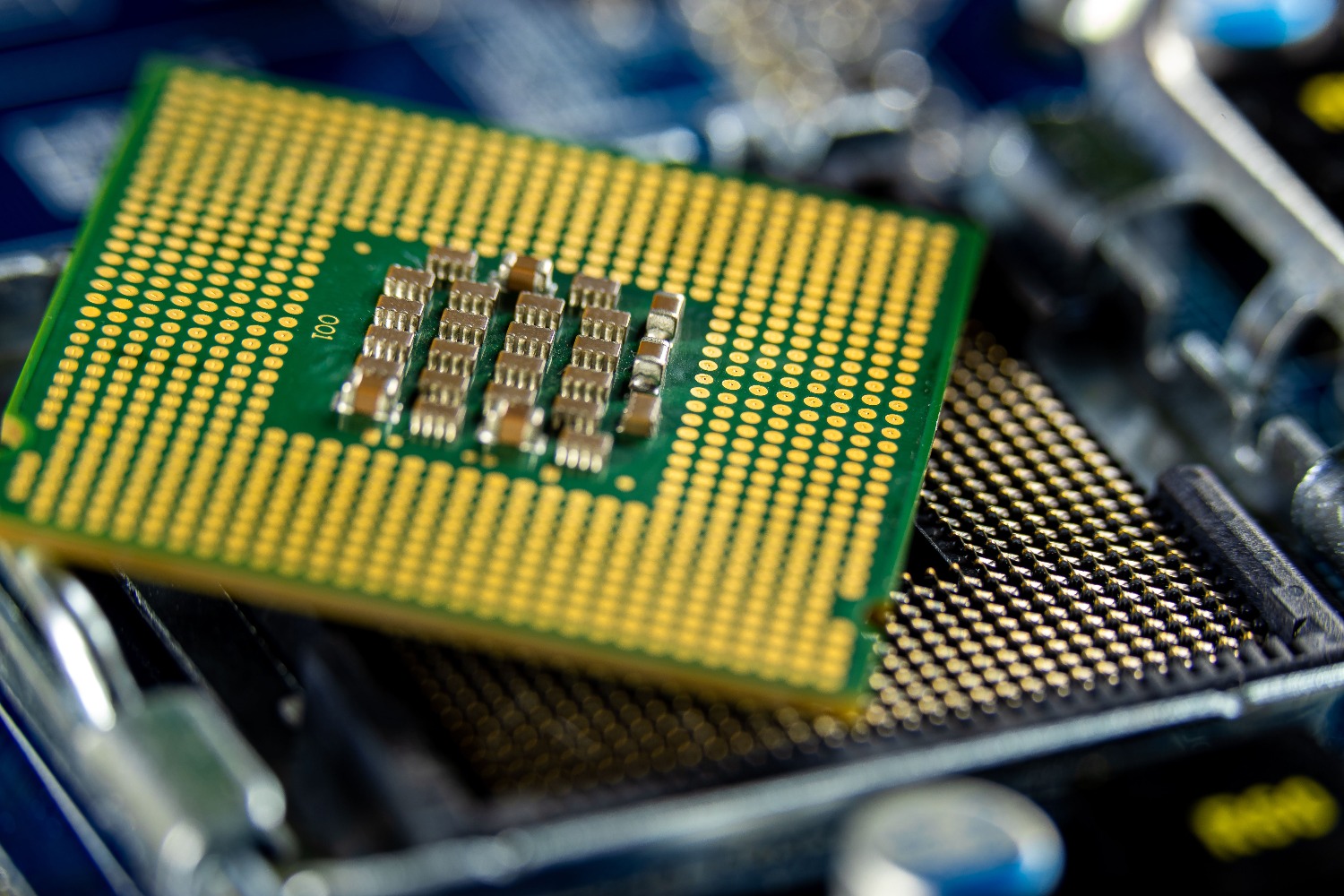
When we turn on our computer or unlock our phone, we usually think about the visual interface or the applications we open, but beneath all that is a component that does the dirty work without us even realizing it. We're talking about the kernel, that invisible core that loads into memory as soon as the computer starts up and doesn't rest until we shut down the machine, coordinating every movement of the system.
To avoid confusion, we can imagine the kernel as an extremely strict conductor. Its mission is to prevent software and hardware from conflicting, ensuring that resources are distributed fairly and that no application takes liberties that could cause the entire system to crash. Without this intermediary, programs would be unable to tell the processor what to do or to save a file to the hard drive.
What exactly does the core of the system do?

The kernel isn't just there to fill space; it has critical responsibilities that keep the computer running. One of the most demanding is RAM management , where it decides who can use what space and prevents one process from invading another's memory, also implementing virtual memory to optimize space.
Another fundamental pillar is process management. The kernel decides how much CPU time each task receives using scheduling algorithms, allowing us to experience multitasking without the system crashing. Furthermore, it handles input/output, managing the drivers so that the keyboard, mouse, and monitor communicate with the kernel.
We cannot forget security. The kernel creates an impenetrable barrier called kernel space , separating critical functions from user mode. This way, if an application crashes, the error remains confined to its area and does not bring down the entire system, protecting data integrity and preventing unauthorized access to the hardware.
Architectural models: From monolith to minimalism
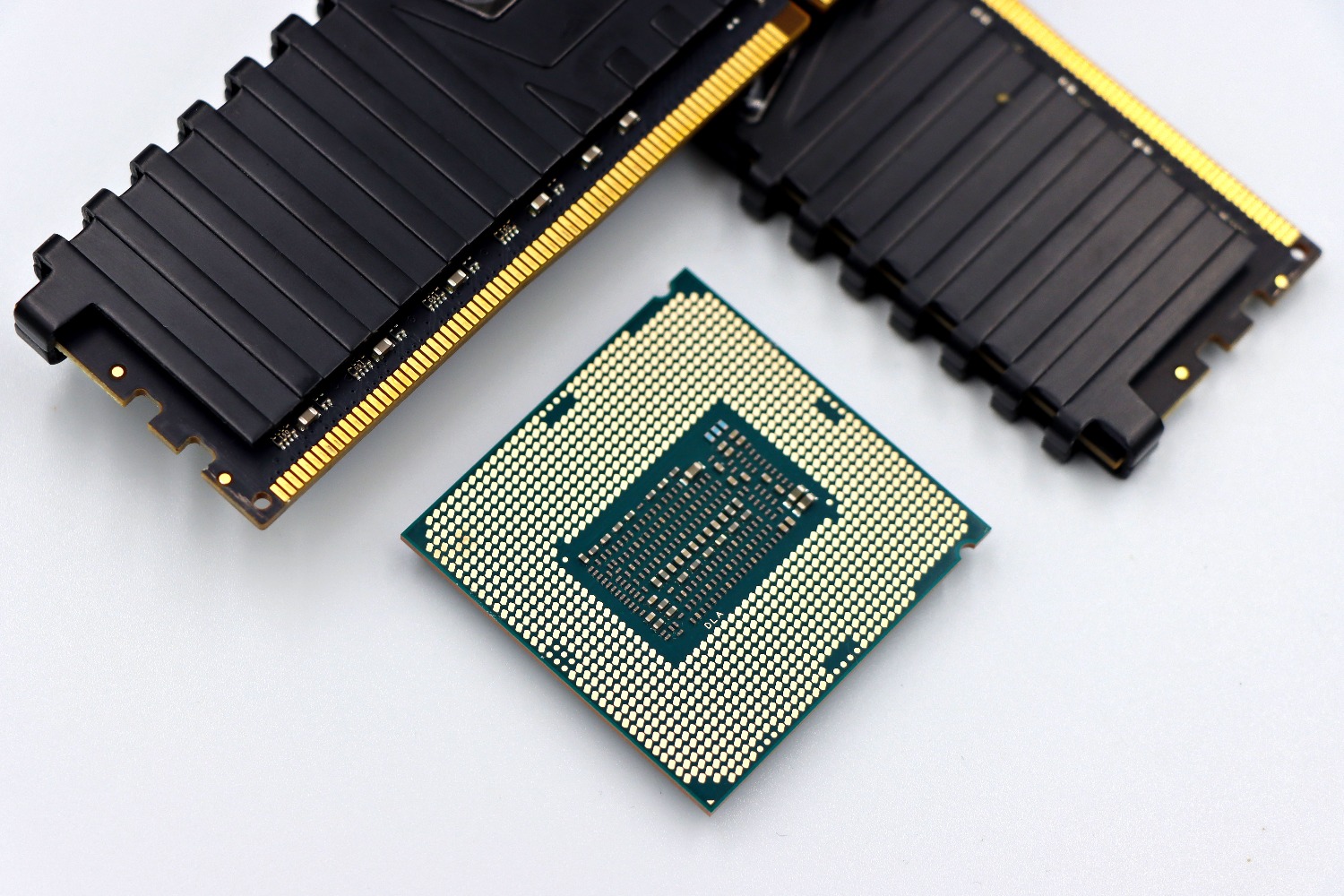
Not all kernels are designed the same, as it depends on whether pure speed or rock-solid stability is the priority. The monolithic model is the most classic; here, all services (network, memory, drivers) reside in a single block of code with full privileges. This makes communication incredibly fast because there are no internal barriers, although it has a weakness: if a driver fails, it can cause a system panic and a system restart.
At the other end of the spectrum, we have the microkernel . This approach is minimalist, leaving only the bare essentials in the kernel, such as inter-process communication. Everything else, like the file system, functions as a server in user mode. The major advantage is that if the disk driver fails, that process simply restarts without affecting the rest, although the cost is reduced performance due to slower message passing between components.
Then there are hybrid kernels , which attempt to combine the best of both worlds. They are structured like a microkernel but run most services in kernel mode to avoid message slowness. This is the path taken by Windows NT and macOS (with its XNU kernel), seeking a balance between modularity and speed , although some experts say that, in the end, they behave almost like monoliths.
Finally, there are more exotic proposals such as the exokernel , which eliminates almost all abstractions and lets applications manage the hardware directly to gain brutal efficiency, or unikernels, which merge the application and the kernel into a single image for cloud environments.
The case of Linux: A monolith with tricks

Linux is a fascinating example because it's monolithic but uses loadable modules . Instead of having a gigantic kernel with all the drivers in the world, Linux loads and unloads pieces of code depending on the hardware it detects. This gives it incredible flexibility, allowing you to add features without having to restart the computer.
It's important not to confuse these modules with the servers of a microkernel. A Linux module, once loaded, operates with full privileges in ring 0. This means it provides flexibility but not isolation; if the module is poorly programmed, it can bring down the entire system. To mitigate this, Linux allows some tasks to be outsourced to user mode using tools like FUSE for file systems , applying the microkernel philosophy only where performance is not critical.
A comparison between giants: Windows and Linux
If we compare the two most widely used systems, we see opposing philosophies. The Linux kernel is open source and focuses on efficiency, making it the dominant operating system for servers and supercomputers. On the other hand, the Windows NT kernel uses a Hardware Abstraction Layer (HAL) , a piece of software that allows the system to run on different types of hardware without changing the kernel, facilitating widespread compatibility.
Regarding processes, Linux treats threads and processes as essentially the same task, while Windows maintains a clear, hierarchical distinction between the process (which is the container) and the thread (which is the unit that executes the code). While Linux relies on SELinux or AppArmor for isolation, Windows uses access control lists (ACLs) and a Security Reference Monitor to keep track of who touches what.
All this engineering defines how we interact with technology. From the microkernel that controls the brakes of a modern car to the monolithic kernel that supports the web, the chosen architecture makes the difference between a device that performs incredibly well and one that is virtually indestructible in the face of failure.
FAQ
What is the main difference between a monolithic kernel and a microkernel?
The monolithic kernel runs all system services in a single memory space with full privileges to gain speed, while the microkernel moves most services to user space to increase stability.
Why is a microkernel generally slower than a monolithic kernel?
Because the services are isolated, each interaction requires sending messages and context changes through the kernel, which takes longer than a simple internal function call.
What is the HAL in the Windows kernel?
It is the Hardware Abstraction Layer, an interface that hides the physical differences of the hardware so that the Windows kernel can function on various platforms without needing to be rewritten.
Do Linux modules make your kernel a microkernel?
No, because although they are separate pieces, once loaded they run in kernel mode with full privileges, so they do not offer the security isolation of a microkernel.
What happens if a driver fails in a microkernel compared to a monolithic one?
In a microkernel, the driver is an independent process that can fail and restart without affecting the system, whereas in a monolithic system, a serious driver error can cause a kernel panic and total collapse.
What is kernel mode and how does it differ from user mode?
Kernel mode is an execution state with full and privileged access to all hardware and memory, while user mode is a restricted environment where applications run to prevent them from damaging the system.
