- Using advanced technology and AI to automate industrial processes, increasing efficiency, precision, and reducing errors.
- Applications: production lines, quality control by machine vision, logistics, warehousing, and control and monitoring systems.
- Challenges: high initial investment, systems integration, risks of labor substitution, and the need for robust cybersecurity.
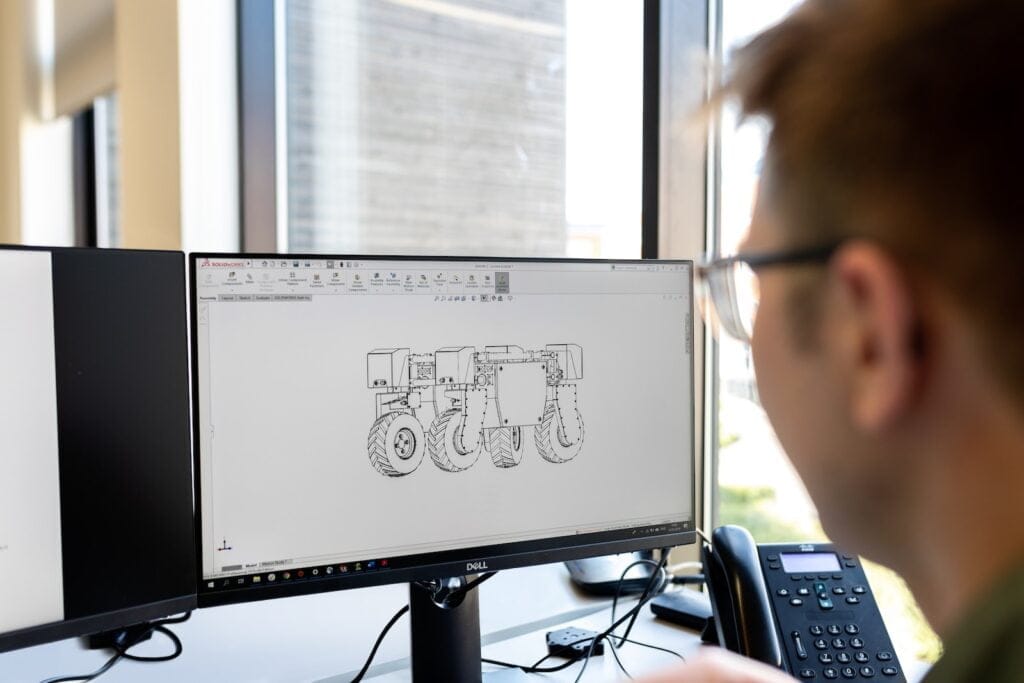
Industrial engineering automation has become a hot topic in modern industry. With technological advancements and the integration of artificial intelligence, automation has revolutionized the way businesses operate and produce goods. In this article, we will explore in detail how industrial engineering automation is changing the industrial landscape and how organizations can make the most of this technology. From its applications on the production line to the Quality Control and logistics, we will discover how automation is driving efficiency and productivity in the industry.
Industrial engineering automation: Fundamental concepts
Industrial engineering automation involves the use of advanced technology to perform industrial tasks and processes autonomously, without direct human intervention. This approach aims to increase efficiency, reduce costs, and improve the quality of products and services. By using control systems, sensors, and intelligent software, automation can carry out a wide range of industrial tasks accurately and reliably.
Benefits of Industrial Engineering Automation
Industrial engineering automation offers a number of significant benefits to organizations in the industry. Some of the key benefits include:
- Efficiency increaseAutomation enables repetitive and monotonous tasks to be performed more quickly and accurately than human workers. This leads to an increase in efficiency and a reduction in errors and defects.
- Costs reductionBy automating processes, businesses can reduce costs associated with labor, human errors, and downtime. Additionally, automation can optimize resource usage, resulting in increased profitability.
- Quality improvement: Industrial engineering automation ensures greater precision and consistency in production, leading to an improvement in the quality of products and services offered by a company.
- Increased levels of security throughoutBy eliminating or reducing human exposure to hazardous environments or risky tasks, automation helps improve workplace safety.
- Flexibility: Industrial engineering automation allows for greater flexibility in production. Automated systems can quickly adapt to changes in demand or product requirements, helping companies stay competitive in a dynamic business environment.
Applications of Automation in Industrial Engineering
Industrial engineering automation has a wide range of applications in various industrial sectors. Below are some of the most notable applications:
1. Automation of the production line
On the production line, industrial automation enables tasks such as assembly, material handling, painting, welding, and packaging to be performed quickly and accurately. Industrial robots play a key role in this application as they can carry out these repetitive tasks efficiently.
2. Automated quality control
The automation It is also widely used in quality control of industrial products. Machine vision systems and automated sensors enable faster and more accurate defect detection and quality inspection than traditional manual methods.
3. Logistics and warehouse management
Automation in industrial engineering has transformed logistics and warehouse management. Automated systems for transporting, sorting and storing materials optimize workflows and improve efficiency in the supply chain.
4. Control and monitoring systems
Automation is widely used in control and monitoring systems in industry. From chemical process control to power grid monitoring, automation ensures accurate monitoring and efficient control of industrial systems.
Challenges of Industrial Engineering Automation
While automation in industrial engineering offers numerous benefits, it also presents unique challenges that must be addressed. Some of the key challenges include:
- Initial cost: Implementing automation systems can require significant investment in infrastructure, hardware and software. This can be challenging for small and medium-sized businesses with limited resources.
- Replacement of labor: While automation can increase efficiency and reduce costs in the long term, it can also result in fewer jobs for human workers. This aspect poses economic and social challenges that must be considered.
- System integration: In many cases, automation involves integrating existing systems with new technologies. This can be technically challenging and requires careful planning and effective coordination.
- Cyber security: As businesses increasingly rely on automation, cybersecurity becomes crucial. Automated systems must be protected against cyber threats and attacks to ensure business continuity and asset protection.
Frequently asked questions about industrial engineering automation
Below are some frequently asked questions about automation in industrial engineering, along with their answers:
1. What is industrial engineering automation?
Industrial engineering automation is the use of advanced technology to perform industrial tasks and processes autonomously, without direct human intervention. This involves the use of control systems, sensors and intelligent software to optimize efficiency and productivity in industry.
2. What are the benefits of industrial engineering automation?
Industrial engineering automation offers significant benefits, such as increased efficiency, reduced costs, improved quality, greater safety and flexibility in production. These benefits contribute to improving the competitiveness of companies and optimizing their operations.
3. What are the applications of automation in industrial engineering?
Industrial engineering automation is applied in a variety of areas, such as production line automation, automated quality control, logistics and warehouse management, and control and monitoring systems. These applications improve the efficiency, accuracy, and speed of industrial processes.
4. What are the challenges of implementing industrial engineering automation?
When implementing automation in industrial engineering, it is important to consider challenges such as initial cost, labor replacement, system integration, and cyber security. These challenges require careful planning and appropriate solutions to ensure a successful implementation.
5. How can a company prepare for industrial engineering automation?
To prepare for industrial engineering automation, a company must conduct a thorough analysis of its processes and determine the areas that can be automated. Additionally, investments in infrastructure and staff training must be considered to ensure a smooth transition to automation.
6. What role does artificial intelligence play in automation in industrial engineering?
Artificial intelligence plays a key role in the automation of industrial engineering. AI algorithms and systems enable autonomous decision-making, machine learning, and adaptation to changing situations. This leads to increased efficiency and responsiveness in automated systems.
Conclusion
Industrial engineering automation is revolutionizing the way businesses operate and produce goods. Through its implementation, organizations can benefit from increased efficiency, reduced costs, improved quality, and increased workplace safety. Although it presents challenges, automation offers a promising future for industry, improving its competitiveness and long-term sustainability.
In summary, automation in industrial engineering is a key trend in modern industry. Its impact extends across diverse applications, from the production line to logistics and quality control. While it presents challenges, the benefits outweigh the difficulties and companies should seriously consider implementing automation to ensure their long-term success.
Table of Contents
- Industrial engineering automation: Fundamental concepts
- Benefits of Industrial Engineering Automation
- Applications of Automation in Industrial Engineering
- Challenges of Industrial Engineering Automation
- Frequently asked questions about industrial engineering automation
- 1. What is industrial engineering automation?
- 2. What are the benefits of industrial engineering automation?
- 3. What are the applications of automation in industrial engineering?
- 4. What are the challenges of implementing industrial engineering automation?
- 5. How can a company prepare for industrial engineering automation?
- 6. What role does artificial intelligence play in automation in industrial engineering?
- Conclusion